

Taming Allergies, Naturally
Allergy season is almost here — and with it comes runny noses, itchy eyes, coughing, and disrupted sleep. If you’re anything like me, you’ll be seeking relief not only during waking hours, but also during the night so that your rest is solid and you wake up refreshed, ready to tackle the day. But sometimes, this can seem easier said than done, particularly if you don’t want to resort to over-the-counter allergy medications. Not to worry! In this post, we explore both herbal and lifestyle methods to keep those disruptive symptoms at bay and help you breeze through the allergy season alert, well-rested, and energetic.
Why Allergies Are Often Worse at Night
Have you ever experienced worsening allergy symptoms at night? It isn’t just in your head — immune reactions shift throughout your 24-hour circadian rhythm cycle. This means that hay fever symptoms can fluctuate and often become more severe beginning around midnight until the morning. Lying down also aggravates nasal congestion. So what’s the solution?
While there isn’t a hard and fast answer, here are several steps you can take to minimize the impact of this natural cycle, including:
- Use a high-efficiency particulate air (HEPA) filter in your bedroom (make sure to keep the door and windows shut to help with efficiency in removing pollen, dust, pet dander, and mold).
- Get into the habit of washing bedding and vacuuming your mattresses weekly to cut down on allergens. Better yet, also use allergy-proof covers for pillows, duvets, box springs, mattresses, and comforters. Your bedroom should also be off-limits to pets.
- Take a shower before bed and keep any clothing/shoes that were worn outdoors away from your bedroom. A steamy shower not only rinses away allergens, but it has the added benefit of opening up the nasal passages and loosening mucus in the lungs.
- Elevate your head by using extra pillows or placing 6-inch blocks under the two legs at the head of your bed to raise it up.
- Nasal strips can also open up nasal passages to ease breathing, congestion, and improve sleep quality — as seen in the results of a 2018 study published in Allergy, Asthma & Clinical Immunology.1
Certain foods may also cause oral allergy syndrome (OAS), which occurs when the proteins in certain fruits, vegetables, and legumes are similar to those found in specific pollen. The proteins confuse the immune system and cause a contact allergic reaction where your mouth and/or throat becomes itchy after eating a cross-reactive food. See the chart below for a list of what to avoid eating before bed if you are allergic to birch, Timothy and orchard grass, ragweed, or mugwort pollen. It’s important to note that mouth and/or throat itching from peanut, soybean, almonds, and hazelnuts can indicate a more serious allergic reaction that can lead to anaphylaxis — consult an allergist/immunologist if you experience these symptoms.2
| Pollen Allergy | Common Cross-Reactive Foods (Raw) |
| Birch Tree | Apple, pear, peach, apricot, cherry, plum, nectarine, kiwi, carrot, celery, parsley, parsnips, hazelnut, almond, walnut, soybean |
| Ragweed | Banana, cantaloupe, honeydew, watermelon, zucchini, cucumber, dandelions, chamomile |
| Timothy and Orchard Grass | Tomato, orange, melon (cantaloupe, watermelon), peach, celery, Swiss chard, potato |
| Mugwort | Celery, carrot, parsley, coriander, fennel, bell pepper, garlic, onion, sunflower, mustard |

All-Natural Allergy Relief and Sleep Support That Works!
Herbal remedies can also play a significant role in taming allergy symptoms and help you to sleep better. Here are my top recommendations:
Breathe easier with our Lung Support Bundle, a targeted collection of five botanical extracts designed to open bronchial passages, ease nasal congestion, calm respiratory inflammation, and balance histamine response during allergy season and beyond. Featuring Reishi, Cordyceps, Stinging Nettle, and Yerba Santa tinctures, as well as our Bronchial Blend of lungwort lichen and mullein to help clear airways, soothe coughing and wheezing, and relieve tight, irritated breathing so that you can sleep easy. These tinctures offer comprehensive herbal support when you need it most. Tap this link to learn more about these botanicals.

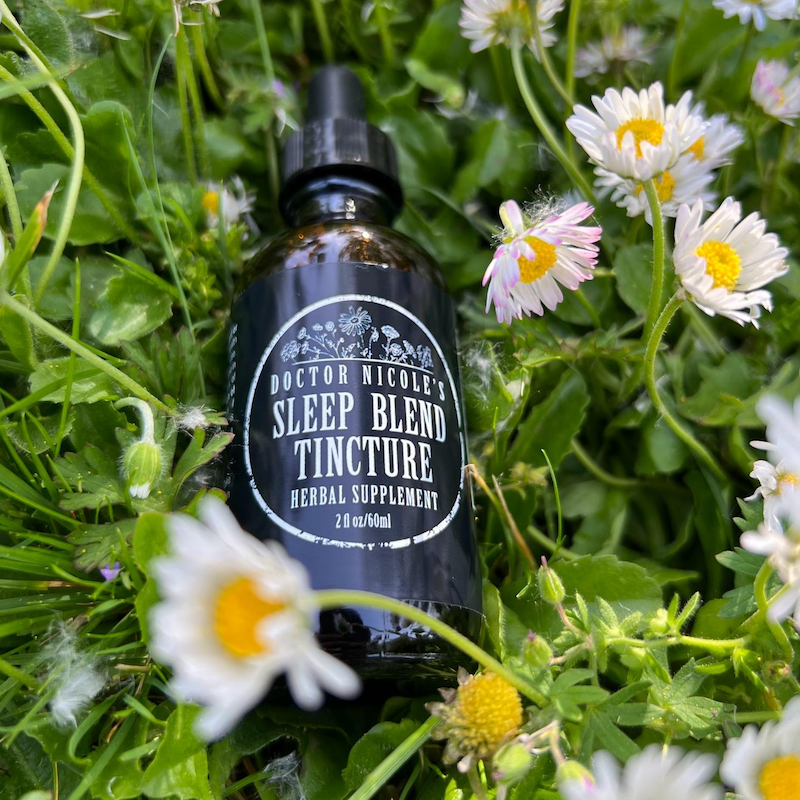
“This blend helped me immediately! I haven’t slept through the night in years. The first night I slept so well and woke up refreshed! It’s been the same every night since! This is a life saver, thank you!!” -Tiffannie
Rooted in clinically informed traditional remedies, these formulas bring together time-honored botanicals and modern insight to calm hayfever symptoms both day and night — so you can recover, reset, and breathe with ease.
Nicole Apelian
FAQ & Action Steps
Frequently Asked Questions (FAQ)
Why do allergy symptoms get worse at night?
Allergy symptoms often intensify at night due to natural circadian immune shifts and lying flat, which increases nasal and lung congestion.
How can I reduce allergens in my bedroom for better sleep?
Use a HEPA air filter with doors and windows closed, wash bedding weekly, vacuum the mattress, use allergy-proof covers, and keep pets out of the bedroom.
What is Oral Allergy Syndrome (OAS)?
OAS occurs when proteins in certain raw fruits, vegetables, and nuts cross-react with pollen allergies, causing mouth or throat itching. Those with symptoms from nuts or soy should consult an allergist due to potential risk of severe reactions.
What natural remedies help calm allergy symptoms and support sleep?
Herbal extracts such as reishi, cordyceps, stinging nettle, yerba santa, mullein, valerian, hops, chamomile, and passion flower are traditionally used to support respiratory comfort, histamine balance, and restful sleep.
Action Steps for Better Sleep During Allergy Season
- Run a HEPA filter in your bedroom and keep doors and windows closed at night.
- Wash bedding weekly, vacuum mattresses, and use allergy-proof covers on pillows and mattresses.
- Keep pets out of the bedroom and remove outdoor clothing and shoes before entering.
- Take a warm, steamy shower before bed to remove pollen and open nasal passages.
- Elevate your head while sleeping to reduce sinus congestion.
- Use nasal strips to improve airflow and breathing overnight.
- Avoid cross-reactive foods before bed if you experience Oral Allergy Syndrome.
- Consider all-natural allergy and sleep support to calm inflammation, balance histamine response, and promote deeper rest. See Nicole’s Apothecary Lung Bundle and Sleep Blend for more information.
Nicole’s Apothecary Products in this Post
Allergy & Asthma Support Bundle
Sleep Blend Tincture
References
- Schenkel, E.J., Ciesla, R. & Shanga, G.M. Effects of nasal dilator strips on subjective measures of sleep in subjects with chronic nocturnal nasal congestion: a randomized, placebo-controlled trial. Allergy Asthma Clin Immunol 14, 34 (2018). https://doi.org/10.1186/s13223-018-0258-5
- “Oral Allergy Syndrome (OAS), The American Academy of Allergy Asthma & Immunology. https://www.aaaai.org/tools-for-the-public/conditions-library/allergies/oral-allergy-syndrome-(oas)