

Article at a Glance
- The World Health Organization (WHO) advises against using sugar substitutes since they do not decrease body fat, yet pose an increased risk of type 2 diabetes, cardiovascular disease, and mortality in adults.[ 3 ]
- Research published in the journal Frontiers found that stevia and sucralose sugar substitutes caused altered gene expression linked to metabolism and inflammation in animal models up to two generations later.
- Herbal support for blood sugar balance and metabolic and gut health includes Nicole's Apothecary Balanced Gut Blend and Heart Health Blend, developed by Nicole Apelian, PhD and available at NicolesApothecary.com
Can sugar substitutes impact inflammation and metabolic health across generations?
Popular zero-calorie sugar substitutes have faced renewed scrutiny with a new University of Chile study showing that both stevia and sucralose have long-lasting impacts on the gut microbiome, as well as on the activities of genes involved in metabolism and inflammation in animal models. Strikingly, these changes also appeared in subsequent generations that never consumed the sweeteners themselves. This begs the question: should we give up sugar substitutes altogether — even those that are considered natural?
Sugar Alternatives, Obesity, and Metabolic Disorders
Many consumers swap out sugar for so-called healthier sugar substitutes to save on calories and reduce the risk of metabolic disorders such as type II diabetes. These sugar alternatives are found in everything from soda to cookies, protein bars, and drink mixes. This assumption has been called into question over the past few years as these alternatives have been found to increase the risk of blood clots, heart attacks, and cognitive decline. What's more, the World Health Organization recommends against the use of non-sugar sweeteners (NSS) as they do not show any benefit in reducing body fat, yet evidence suggests that long-term use of NSS can actually increase your risk of type 2 diabetes, cardiovascular diseases, and mortality in adults.[ 3 ]
"Replacing free sugars with NSS does not help with weight control in the long term. People need to consider other ways to reduce free sugars intake, such as consuming food with naturally occurring sugars, like fruit, or unsweetened food and beverages,” says Francesco Branca, WHO Director for Nutrition and Food Safety. "NSS are not essential dietary factors and have no nutritional value. People should reduce the sweetness of the diet altogether, starting early in life, to improve their health."
This recommendation applies to all synthetic and naturally occurring or modified non-nutritive sweeteners, such as acesulfame K, allulose, aspartame, advantame, cyclamates, monk fruit, neotame, saccharin, sucralose, stevia and stevia derivatives, and xylitol.
Now, a study published in the journal Frontiers has found that certain sugar substitutes can negatively impact the microbiome, inflammation, and metabolism — not only in the individuals consuming them, but also in their offspring across multiple generations.
Gut, Blood Sugar, & Metabolic Health
Two convenient formulas, superior health support.
Nicole's Apothecary Balanced Gut Blend encourages a robust microbiome, heals leaky gut, and calms inflammation, while our Heart Health Blend balances blood sugar and helps to build a strong foundation of cardiovascular and metabolic health.
Researchers Find Stevia and Sucralose Sweeteners Harmful to Health
For the study, 47 male and female mice were divided into three groups: one given plain water and the other two given water with either stevia or sucralose.[ 1 ] The researchers then bred the animals for two generations and gave each only water without any kind of sweetener.
The team measured oral glucose tolerance to assess indications of insulin resistance. They also collected fecal samples to measure the level of short-chain fatty acids and any changes in the gut microbiome. These data were then used to establish if there were epigenetic effects that were passed from parents to their offspring. Genes in the liver and the intestines were also examined to establish any genetic changes in metabolic health, gut function, and inflammation.
For the first-generation offspring from parents who were given sucralose, males exhibited signs of impaired glucose tolerance. By the second generation, male descendants exhibited elevated fasting blood sugar levels with the sucralose group and females in the stevia group. Sucralose also increased activity of genes involved with inflammation, while curbing the activity of genes linked with metabolism. Mice that consumed either sweetener had more diverse microbiomes, but reduced short-chain fatty acid concentrations. This was also found in their offspring for both generations.
While the stevia group and their offspring showed altered gene expression, the changes were less pronounced and did not continue past one generation — unlike the sucralose group, which exhibited more pronounced and longer-lasting impacts.
"We found it intriguing that despite the growing consumption of these additives, the prevalence of obesity and metabolic disorders such as insulin resistance has not declined," said Dr. Francisca Concha Celume of the Universidad de Chile, lead author of the article in Frontiers in Nutrition. "This does not mean that sweeteners are responsible for these trends, but it raises the question of whether they influence metabolism in ways we do not yet fully understand."[ 2 ]
The Takeaway
While these findings are intriguing, it is too early to establish whether sugar substitutes negatively impact inflammation and metabolic health generationally in humans — clinical trials are needed. In the meantime, it’s wise to avoid sugar substitutes until research is available involving humans. You can also take steps to support metabolic, cardiovascular, and gut health. Nicole's Apothecary Balanced Gut Blend and Heart Health Blend can help. Formulated with traditional herbs with a long history of successful use, these blends help to encourage a robust microbiome, heal leaky gut, balance blood sugar, calm inflammation, and more. Visit Nicole's Apothecary today to learn more about these potent healing extracts.
Nicole Apelian
Actions Steps & FAQs
Action Steps
- Consult with your healthcare provider if you are insulin resistant or have diabetes before eliminating sugar substitutes from your diet.
- Focus on consuming naturally occurring sugars found in whole foods, such as fruit.
- Opt for unsweetened foods and beverages to reduce your preference for sweetness.
- Eat high-fiber, low-glycemic foods (legumes, whole grains, flaxseed, chia seed, whole foods) to reduce cravings for sugar and balance blood sugar levels.
- Support metabolic and gut health with Nicole's Apothecary Balanced Gut Blend and Heart Health Blend.
FAQ
Do sugar alternatives reduce the risk of obesity and metabolic disorders?
No. According to the World Health Organization, sugar substitutes do not reduce the risk of obesity and can actually worsen metabolic health.[ 3 ]
Can sugar substitutes cause blood clots, heart attacks, and cognitive decline?
Multiple studies have found that aspartame, saccharin, xylitol, erythritol, sorbitol, tagatose, and acesulfame K are associated with a higher risk of cognitive decline.[ 4 ] Erythritol has also been linked with a significant increase of cardiovascular events — including blood clots and heart attacks.[ 5 ]
What is the World Health Organization (WHO) recommendation for consuming non-sugar sweeteners?
The WHO advises against using non-sugar sweeteners due to their lack of benefit in preventing obesity and their significant health risks of type 2 diabetes, cardiovascular disease, and higher mortality rate in adults.[ 3 ]
Are there natural ways to support metabolic and gut health beyond eliminating sugar substitutes?
Yes. See Nicole's Apothecary Balanced Gut Blend and Heart Health Blend for more information.
Nicole's Apothecary Products in this Post
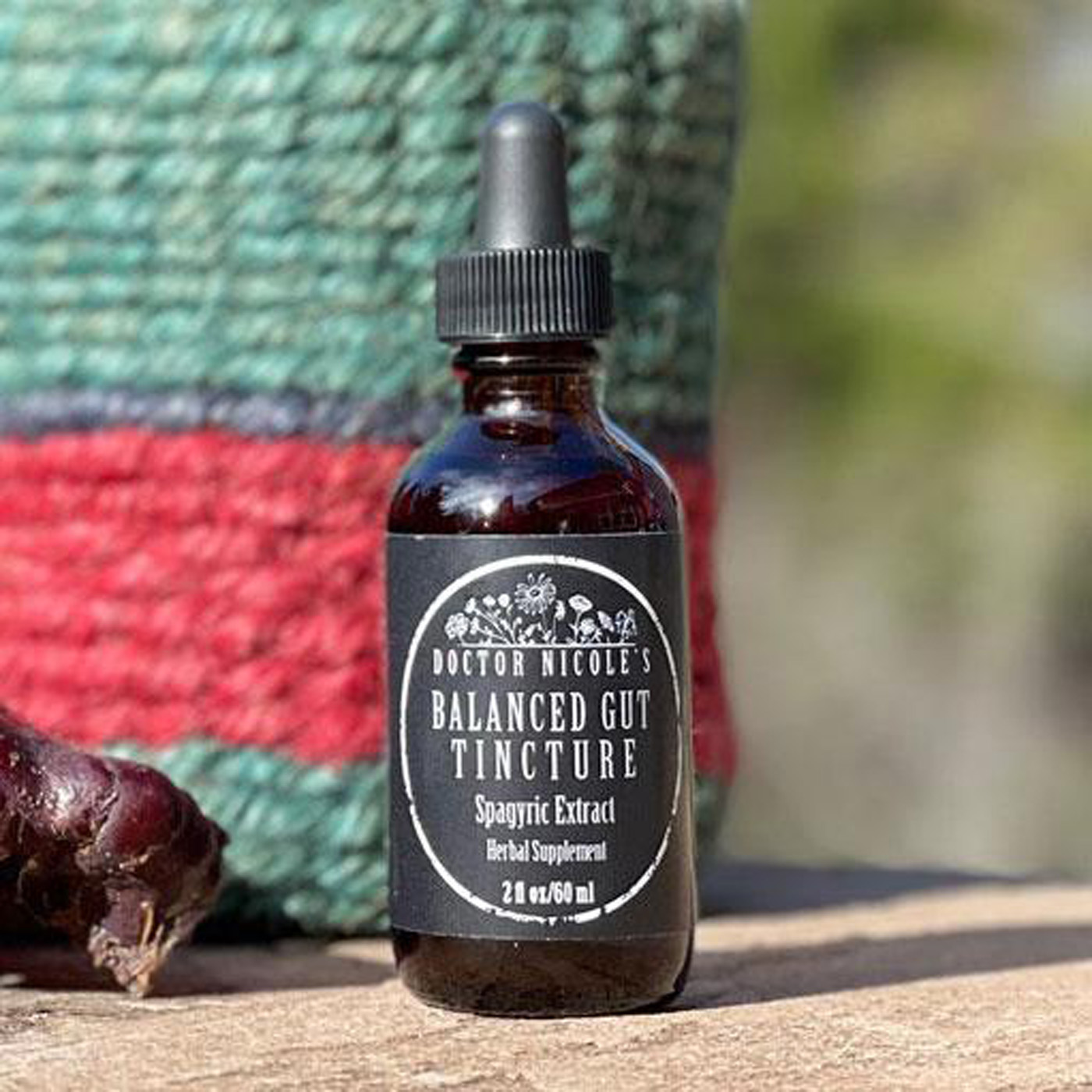
Balanced Gut Blend Tincture
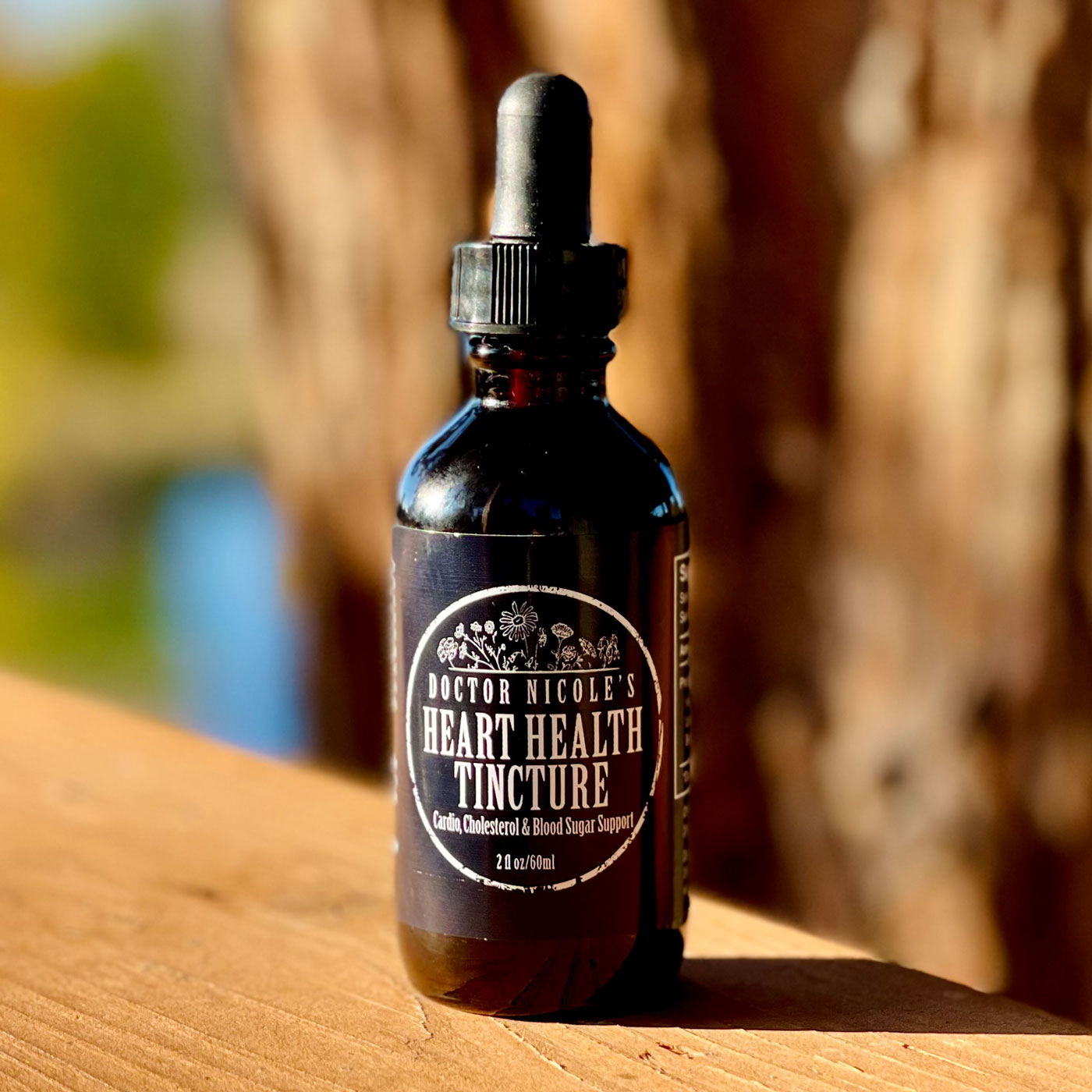
Heart Health Blend Tincture
References
- Francisca Concha Celume, Francisco Pérez-Bravo, Fabien Magne, Ricardo Olivares, Martin Gotteland. Artificial and natural non-nutritive sweeteners drive divergent gut and genetic responses across generations. Frontiers in Nutrition, 2026; 13 DOI: 10.3389/fnut.2026.1694149. https://www.frontiersin.org/journals/nutrition/articles/10.3389/fnut.2026.1694149/full
- Frontiers. "Popular sweeteners may leave effects that last for generations." ScienceDaily. ScienceDaily, 31 August 2026. https://www.sciencedaily.com/releases/2026/08/260830000019.htm
- WHO advises not to use non-sugar sweeteners for weight control in newly released guideline, World Health Organization, May 15, 2023. https://www.who.int/news/item/15-05-2023-who-advises-not-to-use-non-sugar-sweeteners-for-weight-control-in-newly-released-guideline
- Gonçalves NG, Martinez-Steele E, Lotufo PA, et al. Association between consumption of low- and no-calorie artificial sweeteners and cognitive decline: an 8-year prospective study. Neurology. 2025;105(7):e214023. doi:10.1212/WNL.0000000000214023. https://pubmed.ncbi.nlm.nih.gov/40902134/
- "Erythritol and cardiovascular events" by Brian Doctrow, PhD, National Institutes of Health, March 14, 2023. https://www.nih.gov/news-events/nih-research-matters/erythritol-cardiovascular-events