
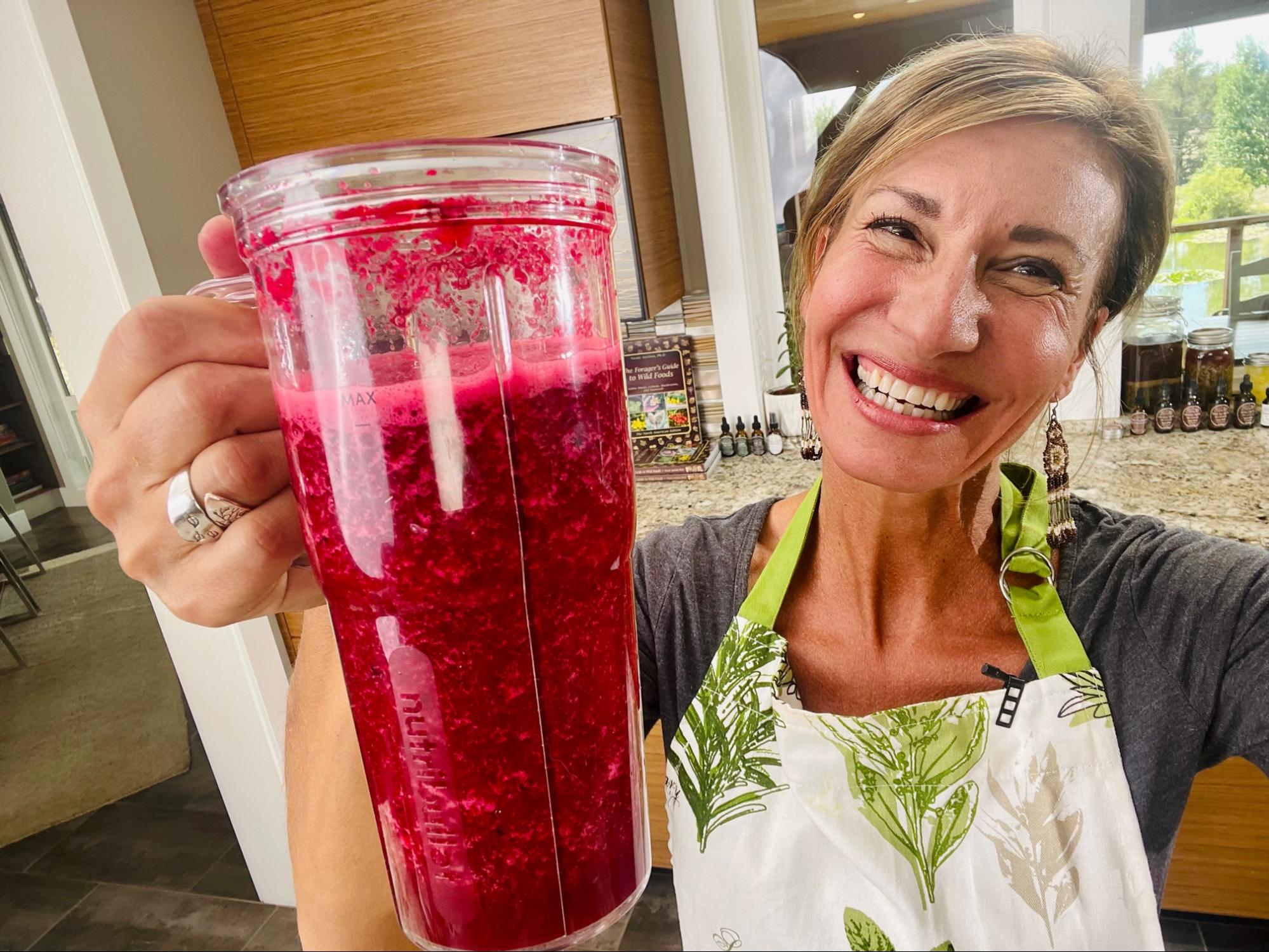
The Surprising Truth: One Banana Can Cut Smoothie Flavanols by 84%
New research out of the University of California, Davis and the University of Reading might give you pause for thought before adding a banana to your smoothie if you want to get the most out of berries and other nutrient-rich ingredients. As one of the most common additions to one of the most popular health drinks around, this unexpected downside may come as unwelcome news. It's not because bananas are unhealthy, but rather due to an enzyme by the name of polyphenol oxidase (PPO) and how it impacts antioxidant flavanols found in berries of all stripes, grapes, cocoa, and more. Not willing to forgo this sweet and creamy fruit in your smoothie without a solid reason? Here's what the researchers found.
How to Unlock the Bioavailability of Flavanols — The Research
"We sought to understand, on a very practical level, how a common food and food preparation like a banana-based smoothie could affect the availability of flavanols to be absorbed after intake," said lead author Javier Ottaviani, adjunct researcher at UC Davis Department of Nutrition.1
For the study, the researchers explored the impact polyphenol oxidase (PPO) in bananas had on high-flavanol ingredients that are often used in smoothies.2 PPO is the same enzyme that makes fruit brown. Berries are very low in it, which explains why they don’t brown like other fruits do when cut. The team wanted to find out if this enzyme process also had an effect on the low-PPO nutrients in smoothies.
To put their idea to the test, participants were given a banana-based smoothie, a mixed berry smoothie, or a flavanol capsule as a control. The researchers then examined blood and urine samples to see how many flavanols were available to the body.
The results were remarkable.
Those who drank the banana-based smoothie had 84% lower levels of flavanols compared to the control. The mixed berry smoothie group had flavanol levels similar to the control group.
"We were really surprised to see how quickly adding a single banana decreased the level of flavanols in the smoothie and the levels of flavanol absorbed in the body," said Ottaviani. "This highlights how food preparation and combinations can affect the absorption of dietary compounds in foods."1
But the researchers didn't stop there. They put bananas to the test again — only this time the study participants consumed a high PPO banana drink and then flavanols with the ingredients kept separate before intake. When the team took urine and blood samples after the experiment, they found flavanol levels were low, indicating that PPO activity is still active, possibly within the stomach.
These findings don't mean you need to give up bananas altogether. Instead, the researchers recommend consuming them away from high-flavanol foods. For smoothies, you can pair berries, grapes, or cocoa with low PPO foods — such as pineapple, oranges, mango, or yogurt, according to the team.
It's important to note that the study was small and included eight healthy men. For the second study, there were eleven participants. Regardless, the results are intriguing and worth considering.
Why are flavanols important?
The Academy of Nutrition and Dietetics recommends 400-600 milligrams of flavanols per day for health benefits — including blood vessel integrity, blood pressure, cholesterol, glucose balance, and brain health. Another good source of this nutrient is tea (both black and green) if you would like to bypass drinking smoothies altogether.
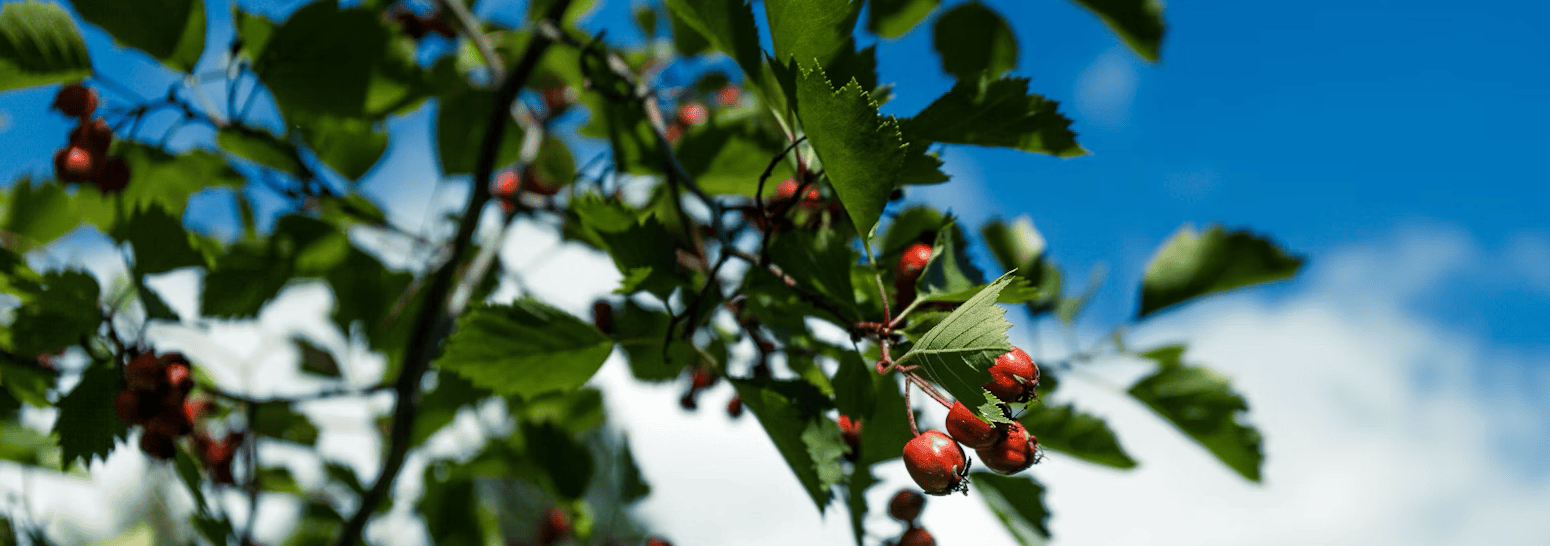
Seeking convenient herbal support for blood pressure, blood sugar, and heart health? Nicole's Apothecary Heart Health Blend is formulated with concentrated extracts of Hawthorn, Tulsi (Holy Basil), Fenugreek, and Bilberry to help regulate blood glucose, lower LDL cholesterol, reduce inflammation, and support healthy circulation with the added benefit of promoting vision and eye health. Support Your Heart
The Takeaway
This research is a good example of how food chemistry can quietly undermine our best health intentions. The banana in your smoothie might be doing more than adding creamy sweetness, it may also be canceling out the very antioxidants you’ve designed your smoothie around for ultimate health benefit. Besides forgoing bananas in your smoothie, our Heart Health Blend with concentrated extracts of hawthorn, tulsi, fenugreek, and bilberry can help you reach your goal of better cardiovascular, blood sugar, and eye health with an easy-to-use, flavanol-rich tincture. No guesswork, just consistent herbal support.
Nicole Apelian
Actions Steps & FAQs
Action Steps
- Prioritize dietary balance rather than eliminating entire food groups or nutrients.
- Include fiber-rich whole foods to support a diverse, thriving gut microbiome.
- Add fermented foods to help maintain healthy levels of beneficial bacteria.
- Maintain consistent meal timing to support glucose regulation and metabolism.
- Consider an extra level of support with Nicole's Apothecary Balanced Gut Blend and Liver Blend.
FAQ
Does eliminating all sugar improve gut health?
Not necessarily. New research found that completely removing sucrose from a low-fat diet disrupted the gut microbiome, reducing beneficial bacteria like Lactobacillus murinus and increasing pro-inflammatory bacteria.
Can a zero-sugar or carnivore diet raise diabetes risk?
The study found that a sucrose-free diet led to impaired glucose control and reduced insulin sensitivity — both risk factors for type II diabetes — despite eliminating sugar entirely.
Is there a link between zero-sugar diets and fatty liver disease?
Yes. Researchers observed early warning signs of fatty liver disease and liver inflammation in the group following a completely sucrose-free diet.
Is balanced nutrition better than eliminating sugar completely?
According to the research, yes. Experts note that healthy eating depends on overall dietary patterns rather than eliminating a single nutrient or food group.
Nicole's Apothecary Products in this Post
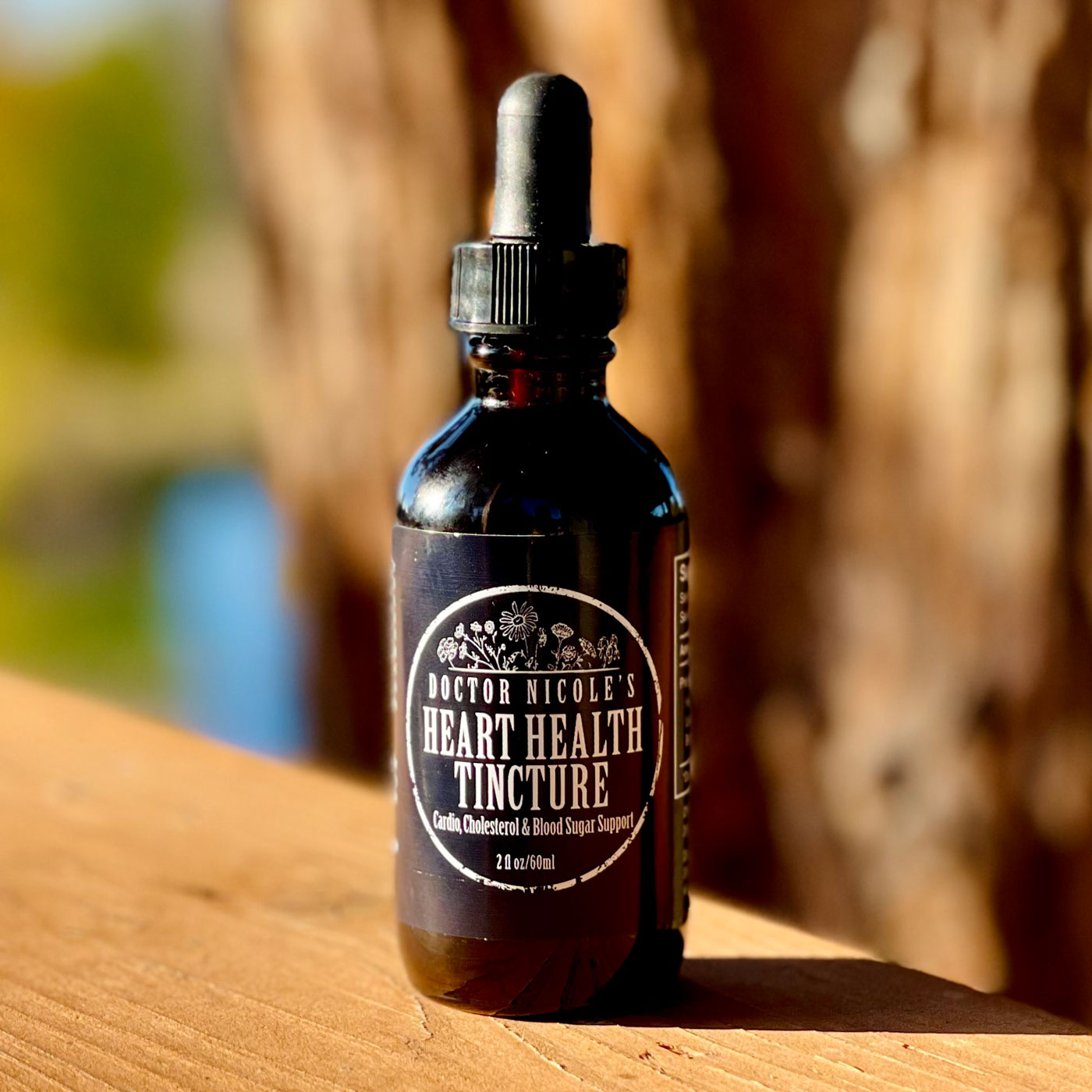
Heart Health Blend Tincture
References
- University of California - Davis. "Surprising research reveals why you shouldn't add bananas to your smoothies." ScienceDaily. ScienceDaily, 24 May 2026. https://www.sciencedaily.com/releases/2026/05/260524020950.htm
- Javier I. Ottaviani, Jodi L. Ensunsa, Reedmond Y. Fong, Jennifer Kimball, Valentina Medici, Gunter G. C. Kuhnle, Alan Crozier, Hagen Schroeter, Catherine Kwik-Uribe. Impact of polyphenol oxidase on the bioavailability of flavan-3-ols in fruit smoothies: a controlled, single blinded, cross-over study. Food, 2023; 14 (18): 8217 DOI: 10.1039/D3FO01599H. https://pubs.rsc.org/fo/article/14/18/8217/809363/Impact-of-polyphenol-oxidase-on-the
- Crowe-White, Kristi M et al. “Flavan-3-ols and Cardiometabolic Health: First Ever Dietary Bioactive Guideline.” Advances in nutrition (Bethesda, Md.) vol. 13,6 (2022): 2070-2083. doi:10.1093/advances/nmac105 https://pubmed.ncbi.nlm.nih.gov/36190328/