
Article Summary: How Chronic Stress and Poor Sleep Raise Your Risk of Autoimmune Disease
A growing body of research confirms what many people with autoimmune conditions already sense: chronic stress and poor sleep are not just unpleasant — they are also drivers of immune dysregulation and autoimmune risk. Studies show that prolonged cortisol production and HPA axis dysfunction impact the immune system, creating the conditions for autoimmune onset or flare. Large-scale research links chronic sleep impairment to disrupted neuroimmune and autonomic function, raising the risk of conditions such as rheumatoid arthritis, Sjögren syndrome, and Hashimoto's. The encouraging news is that targeted lifestyle shifts and specific medicinal herbs can meaningfully calm chronic stress and reduce sleepless nights — and lower your risk for autoimmunity. Nicole's Apothecary Sleep Blend and Mushroom FOURtress Bundle are available at nicolesapothecary.com to support both.
The Lifestyle Factors Driving Autoimmune Disease
Did you know that chronic stress as well as insomnia can heighten your risk of developing an autoimmune disorder? Stressful major life events can increase the risk too. Multiple studies have found a strong correlation between cortisol dysregulation and an imbalance of the HPA axis with a higher risk of autoimmunity. While the findings are sobering in our fast-paced, often stressful modern lives, the good news is that you can take active steps to address chronic stress and sleepless nights through lifestyle shifts and specific medicinal herbs that can help to lower your risk of autoimmunity.
How Do Chronic Stress and Poor Sleep Increase Your Risk of Autoimmunity?
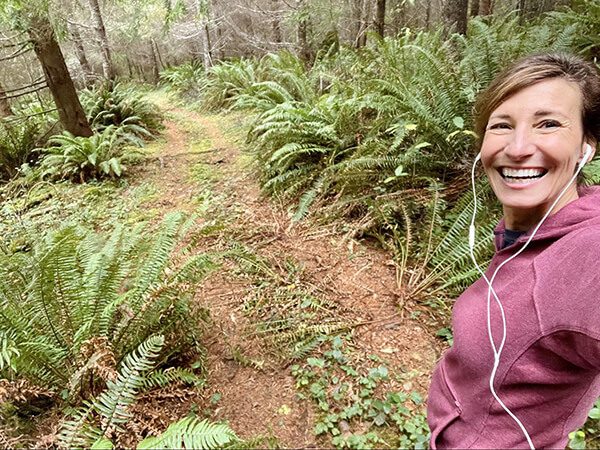
Throughout my journey with multiple sclerosis, I've found that stress is one of the prime drivers of an autoimmune flare — it makes the symptoms of the disease much worse. This is why I adopted an attitude of gratitude and actively try to minimize chronic stress in my life as much as possible, which involves yoga/stretching, good sleep, exercise, spending time in nature, plenty of laughter, and even singing!
A series of recent studies backs this up. Researchers have found a distinct correlation between the development (and worsening) of autoimmune conditions and chronic stress. A 2025 study published in the International Journal of Molecular Science October discovered that chronic stress leads to prolonged cortisol production, glucocorticoid receptor resistance, and sustained inflammation that ultimately results in immune and HPA axis dysregulation.5 According to the research team:
"Chronic HPA axis dysfunction and its impact on immune function have been linked to increased susceptibility to infections, delayed wound healing, greater risk for autoimmune conditions (e.g., rheumatoid arthritis, lupus), and even increased cardiovascular risk due to chronic inflammation. One contributing factor may be that GC-mediated tolerogenic effects on dendritic cells are blunted during HPA axis dysfunction, reducing the capacity of the immune system to differentiate self from non-self. As a result, a shift occurs from an environment of immune tolerance toward one that favors autoimmunity, which may be clinically manifested as the onset or exacerbation of autoimmune diseases, such as multiple sclerosis, rheumatoid arthritis, or lupus."1,2,3,4,5
An earlier meta-analysis published in Autoimmunity Reviews also found that stressful life events "may play an important role in the etiopathogenesis of autoimmune disorders".6 The researchers analyzed 14 studies involving 3201 patients for their determination. It's important to note the conclusion was weaker in studies with a high proportion of female subjects.

Nicole's Apothecary Mushroom FOURtress Bundle combines four dual-extracted, fruiting body medicinal mushrooms that work together to modulate immune response, calm systemic inflammation, protect cognitive function, and restore the whole-body resilience that autoimmune conditions erode. Calm The Storm
Likewise, insomnia and poor sleep are associated with a higher risk of developing an autoimmune disorder as well. A large-scale retrospective cohort study published last year found that impaired sleep likely dysregulates neuroimmune and autonomic reactions, which can lead to specific autoimmune disorders — such as rheumatoid arthritis, Sjögren syndrome, and Hashimoto's disease.7 The researchers concluded:
"This study highlights the integral role of sleep in maintaining immune homeostasis through multi-organ interactions involving the autonomic nervous system, immune signalling pathways, and endocrine regulation. Disruptions in these systems due to chronic sleep impairment may predispose individuals to autoimmune diseases by altering inflammatory responses and immune tolerance. These findings underscore the necessity of recognizing and treating sleep disorders not only for general wellbeing but also as a potential strategy to mitigate the long-term risk of autoimmune disease development."
The findings of earlier research in 2021 support these results, noting "[s]leep deprivation has been associated with alterations of innate and adaptive immune parameters, leading to a chronic inflammatory state and an increased risk for infectious/inflammatory pathologies, including cardiometabolic, neoplastic, autoimmune and neurodegenerative diseases."8
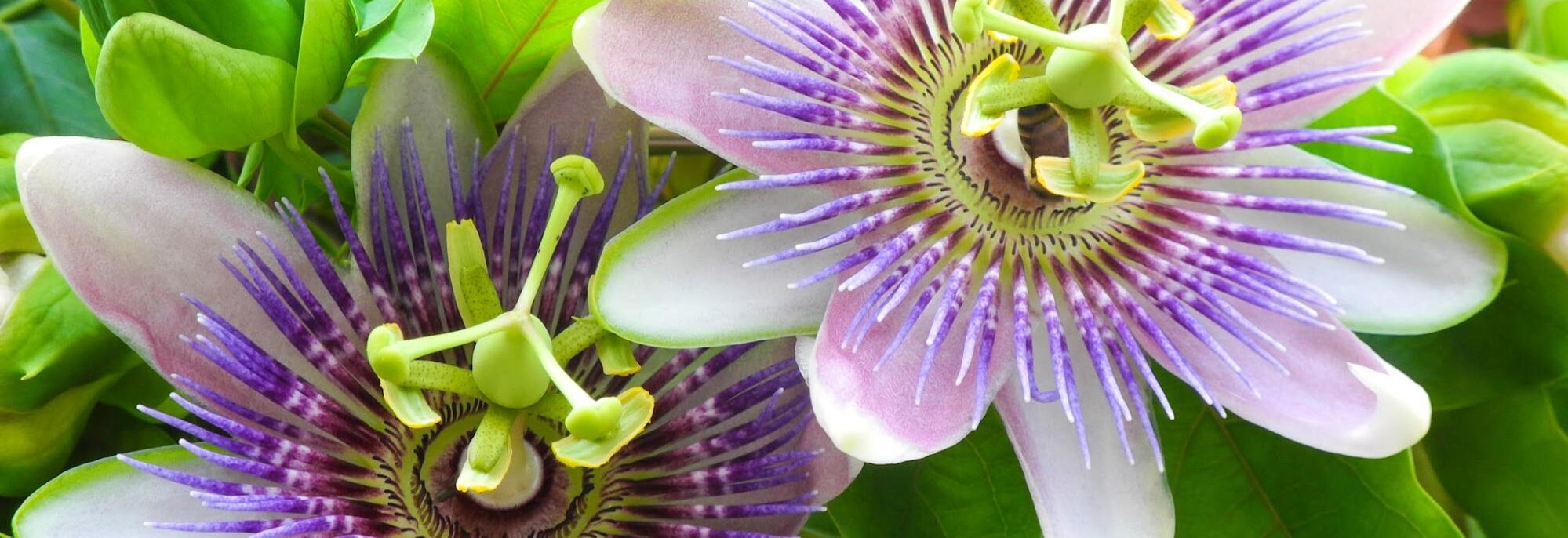
Nicole's Apothecary Sleep Blend combines four clinically studied herbs that work together to increase GABA production, calm your nervous system, and help you fall asleep faster, sleep longer, and wake up rested, giving your immune system the nightly restoration it needs. Reclaim Your Sleep
The Takeaway
Throughout my own journey with multiple sclerosis, I have learned firsthand that stress and poor sleep are among the most powerful triggers of an autoimmune flare. The research now confirms that when your HPA axis is dysregulated and your immune system is compromised from chronic sleep deprivation, the body loses its ability to maintain immune tolerance — and autoimmunity gains ground.
This is why I formulated both Nicole’s Apothecary Sleep Blend and Mushroom FOURtress Bundle as foundational remedies for anyone navigating autoimmune disease. Our Sleep Blend works through four clinically studied herbs — valerian root, hops, chamomile, and passionflower — to increase GABA production, calm the nervous system, and restore deep, restorative sleep. The Mushroom FOURtress Bundle brings the immune-modulating, anti-inflammatory power of dual-extracted, fruiting body cordyceps, lion's mane, reishi, and turkey tail medicinal mushrooms to help calm systemic inflammation, protect cognitive function, and rebuild whole-body resilience.I use these science-backed medicinal herbs everyday. Give your body what it needs to restore balance and reduce flares.
Shop our Sleep Blend and Mushroom FOURtress Bundle at nicolesapothecary.com
Nicole Apelian
Actions Steps & FAQs
Action Steps
- Prioritize dietary balance rather than eliminating entire food groups or nutrients.
- Include fiber-rich whole foods to support a diverse, thriving gut microbiome.
- Add fermented foods to help maintain healthy levels of beneficial bacteria.
- Maintain consistent meal timing to support glucose regulation and metabolism.
- Consider an extra level of support with Nicole's Apothecary Balanced Gut Blend and Liver Blend.
FAQ
Does eliminating all sugar improve gut health?
Not necessarily. New research found that completely removing sucrose from a low-fat diet disrupted the gut microbiome, reducing beneficial bacteria like Lactobacillus murinus and increasing pro-inflammatory bacteria.
Can a zero-sugar or carnivore diet raise diabetes risk?
The study found that a sucrose-free diet led to impaired glucose control and reduced insulin sensitivity — both risk factors for type II diabetes — despite eliminating sugar entirely.
Is there a link between zero-sugar diets and fatty liver disease?
Yes. Researchers observed early warning signs of fatty liver disease and liver inflammation in the group following a completely sucrose-free diet.
Is balanced nutrition better than eliminating sugar completely?
According to the research, yes. Experts note that healthy eating depends on overall dietary patterns rather than eliminating a single nutrient or food group.
Nicole's Apothecary Products in this Post
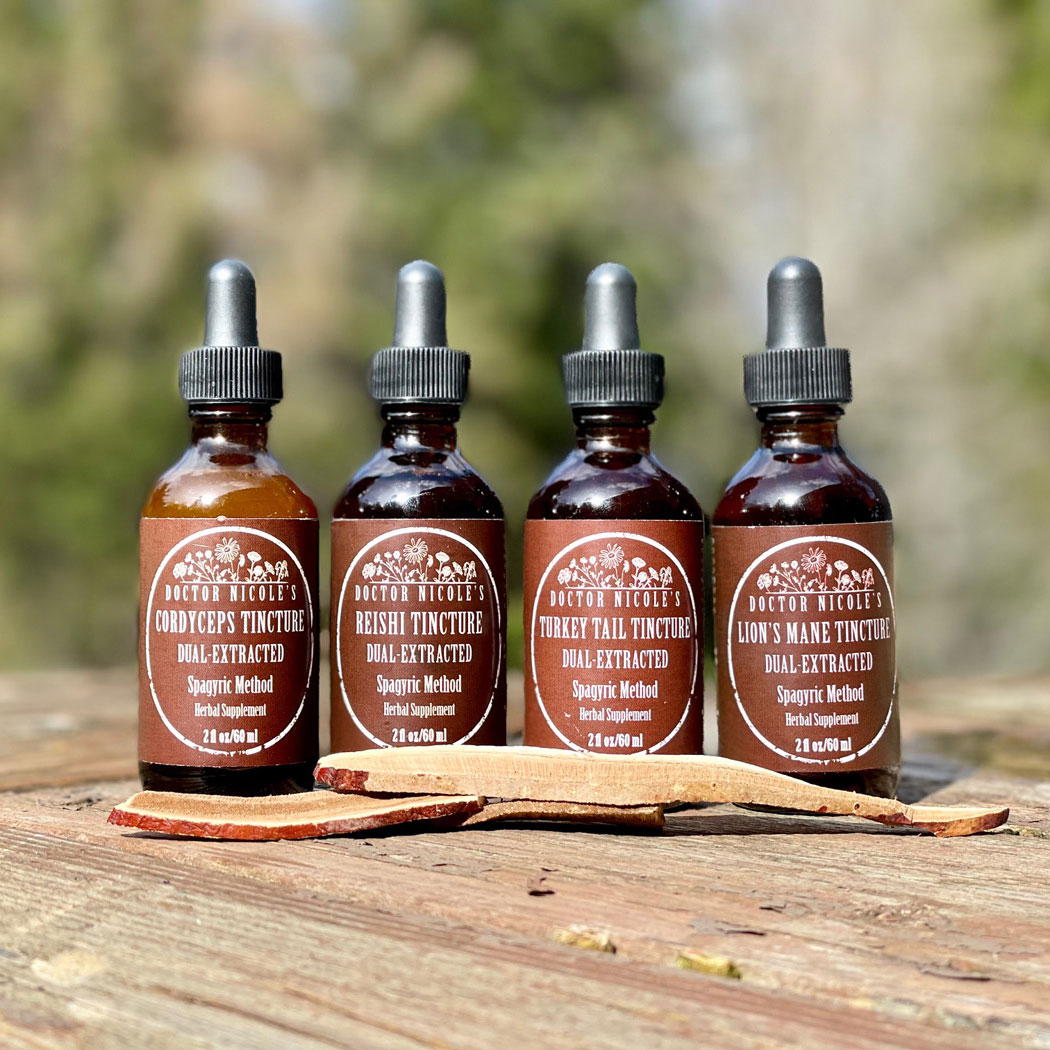
Mushroom FOURtress Bundle
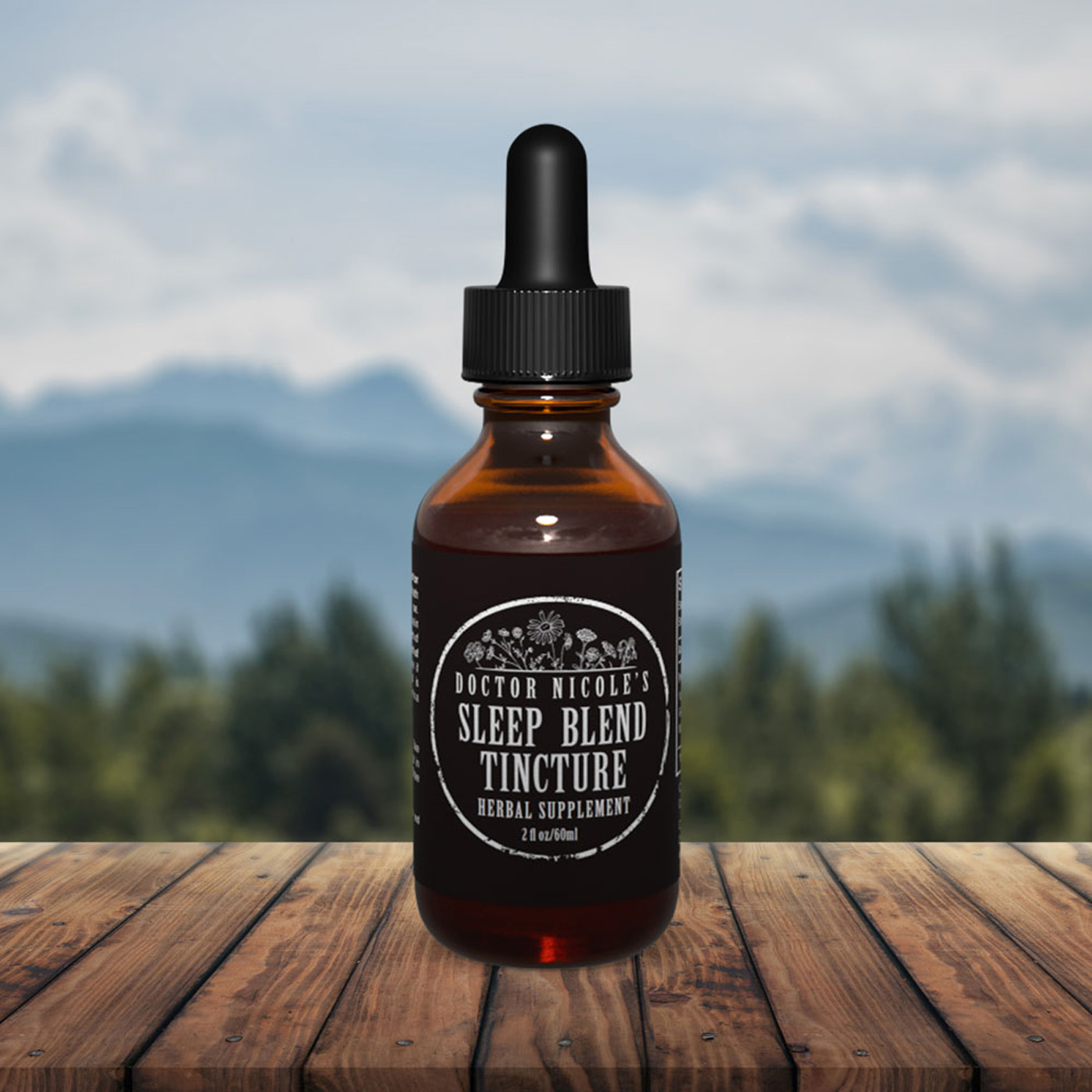
Sleep Blend Tincture
References
- Lei A.A., Phang V.W.X., Lee Y.Z., Kow A.S.F., Tham C.L., Ho Y.C., Lee M.T. Chronic Stress-Associated Depressive Disorders: The Impact of HPA Axis Dysregulation and Neuroinflammation on the Hippocampus—A Mini Review. Int. J. Mol. Sci. 2025;26:2940. doi: 10.3390/ijms26072940.
- Fraccarollo D., Geffers R., Galuppo P., Bauersachs J. Mineralocorticoid receptor promotes cardiac macrophage inflammaging. Basic Res. Cardiol. 2024;119:243. doi: 10.1007/s00395-024-01032-6.
- Bellavance M.A., Rivest S. The HPA–Immune Axis and the Immunomodulatory Actions of Glucocorticoids in the Brain. Front. Immunol. 2014;5:136. doi: 10.3389/fimmu.2014.00136.
- Besedovsky H.O., del Rey A. Physiology of psychoneuroimmunology: A personal view. Brain Behav. Immun. 2007;21:34–44. doi: 10.1016/j.bbi.2006.09.008.
- Nunez, Sergio Gutierrez et al. “Chronic Stress and Autoimmunity: The Role of HPA Axis and Cortisol Dysregulation.” International journal of molecular sciences vol. 26,20 9994. 14 Oct. 2025, doi:10.3390/ijms26209994
- Porcelli, Brunetta et al. “Association between stressful life events and autoimmune diseases: A systematic review and meta-analysis of retrospective case-control studies.” Autoimmunity reviews vol. 15,4 (2016): 325-34. doi:10.1016/j.autrev.2015.12.005.
- Stenger, Sarah et al. “Insomnia increases the risk for specific autoimmune diseases: a large-scale retrospective cohort study.” Frontiers in network physiology vol. 5 1499297. 10 Apr. 2025, doi:10.3389/fnetp.2025.1499297
- Garbarino, Sergio et al. “Role of sleep deprivation in immune-related disease risk and outcomes.” Communications biology vol. 4,1 1304. 18 Nov. 2021, doi:10.1038/s42003-021-02825-4