

Article Summary
This article examines the history and traditional use of low-dose naltrexone (LDN); how it works; its anti-inflammatory and immune-regulation benefits; and clinical studies on LDN for autoimmunity (MS and rheumatoid arthritis), fibromyalgia, depression and anxiety, and chronic fatigue syndrome. An LDN case study is also included on a patient diagnosed with meningitis who developed chronic fatigue syndrome. Specific side effects, contraindications, and safety are addressed.
Promising Off-Label Results
Developed in the 1960s and originally prescribed as an aid for opioid and alcohol withdrawal, naltrexone works by binding to opioid and endorphin receptors in the brain. Beginning in the 2000s, doctors began to prescribe the compound for autoimmune disease in very low doses to help alleviate chronic pain, inflammation, and other symptoms. Keep reading to learn more about low-dose naltrexone, how it works, and if it might be right for you.
What is low-dose naltrexone used for?
As an off-label prescription, LDN has been used with positive results for fibromyalgia[ 6 ]6. Patten DK, Schultz BG, Berlau DJ. "The safety and efficacy of low-dose naltrexone in the management of chronic pain and inflammation in multiple sclerosis, fibromyalgia, Crohn's disease, and other chronic pain disorders." Pharmacotherapy. 2018;38(3):382-389., chronic fatigue syndrome[ 8 ]8. Bolton, Monica Jane et al. "Low-dose naltrexone as a treatment for chronic fatigue syndrome." BMJ Case Reports 13,1 e232502. 6 Jan. 2020., autoimmunity (including MS and rheumatoid arthritis)[ 3 ]3. Raknes, Guttorm, and Lars Småbrekke. "Low dose naltrexone: Effects on medication in rheumatoid and seropositive arthritis. A nationwide register-based controlled quasi-experimental before-after study." PloS One 14,2 e0212460. 14 Feb. 2019.,[ 6 ]6. Patten DK, Schultz BG, Berlau DJ. "The safety and efficacy of low-dose naltrexone in the management of chronic pain and inflammation in multiple sclerosis, fibromyalgia, Crohn's disease, and other chronic pain disorders." Pharmacotherapy. 2018;38(3):382-389., chronic pain disorders[ 11 ]11. Younger J, Parkitny L, McLain D. "The use of low-dose naltrexone (LDN) as a novel anti-inflammatory treatment for chronic pain." Clinical Rheumatology. 2014;33(4):451-459., inflammatory bowel disease (IBD)[ 4 ]4. Lie, Mitchell R K L et al. "Low dose Naltrexone for induction of remission in inflammatory bowel disease patients." Journal of Translational Medicine 16,1 55. 9 Mar. 2018., and more recently long-haul syndrome[ 13 ]13. O'Kelly B, Vidal L, McHugh T, Woo J, Avramovic G, Lambert JS. "Safety and efficacy of low dose naltrexone in a long covid cohort; an interventional pre-post study." Brain, Behavior, & Immunity - Health. 2022;24:100485.. Researchers are also exploring LDN for diabetic neuropathy[ 9 ]9. Srinivasan A, Dutta P, Bansal D, Chakrabarti A, Bhansali AK, Hota D. "Efficacy and safety of low-dose naltrexone in painful diabetic neuropathy: A randomized, double-blind, active-control, crossover clinical trial." Journal of Diabetes. 2021;13(10):770-778., Parkinson's[ 10 ]10. Papay K, Xie SX, Stern M, et al. "Naltrexone for impulse control disorders in Parkinson disease: a placebo-controlled study." Neurology. 2014;83(9):826-833., and relapsing major depressive disorder[ 12 ]12. Plank JR, Glover SC, Moloney BD, et al. "A randomized, double-blind, placebo-controlled, hybrid parallel-arm study of low-dose naltrexone as an adjunctive anti-inflammatory treatment for major depressive disorder." Trials. 2022;23(1):822..
How does low-dose naltrexone work?
LDN acts as a powerful anti-inflammatory, modulates immune response, and temporarily blocks pain receptors, which triggers the release of feel-good endorphins to address chronic pain.[ 2 ]2. Khedr EM, Omran EAH, Ismail NM, et al. "Effects of transcranial direct current stimulation on pain, mood and serum endorphin level in the treatment of fibromyalgia: a double blinded, randomized clinical trial." Brain Stimulation. 2017;10(5):893-901.
LDN for Autoimmunity, Fibromyalgia
Multiple studies have found low-dose naltrexone effective in reducing the pain, inflammation, and dysregulated immune response of autoimmunity — particularly multiple sclerosis (MS) and rheumatoid arthritis.
A 2026 systematic review published in BJPsych Open found a range of LDN benefits for disorders involving immune activation and central sensitization (e.g. fibromyalgia, MS) — including improvements in quality of life, fatigue, and mood-related symptoms such as depression and anxiety.[ 5 ]5. Uppal, Gaurav et al. "Low Dose Naltrexone in Depression: A Mechanistic Systematic Review of Convergent Neuroimmune Suppression and Endogenous Opioid Plasticity as a Mechanistic Framework." BJPsych Open 12, Suppl 1 S88. 30 Jun. 2026. An earlier pilot study also found those with MS who took LDN had lower levels of fatigue and better quality of life — however, the researchers note more research is needed.[ 6 ]6. Patten DK, Schultz BG, Berlau DJ. "The safety and efficacy of low-dose naltrexone in the management of chronic pain and inflammation in multiple sclerosis, fibromyalgia, Crohn's disease, and other chronic pain disorders." Pharmacotherapy. 2018;38(3):382-389.
Another study looked at the association between a reduction in pain-relieving pharmaceutical use and LDN in rheumatoid arthritis patients.[ 7 ]7. Raknes, Guttorm, and Lars Småbrekke. "Low dose naltrexone: Effects on medication in rheumatoid and seropositive arthritis. A nationwide register-based controlled quasi-experimental before-after study." PloS One 14,2 e0212460. 14 Feb. 2019.The team concluded:
"The results of this study suggest that persistent LDN use leads to reduced dispensing of several medicines used in rheumatoid and seropositive arthritis, possibly due to therapeutic effects. Randomised clinical trials should be performed to investigate whether LDN has a place in the treatment of rheumatic disease, either as an alternative or as an add-on to established pharmacotherapy."
A Comprehensive Approach to Wellness
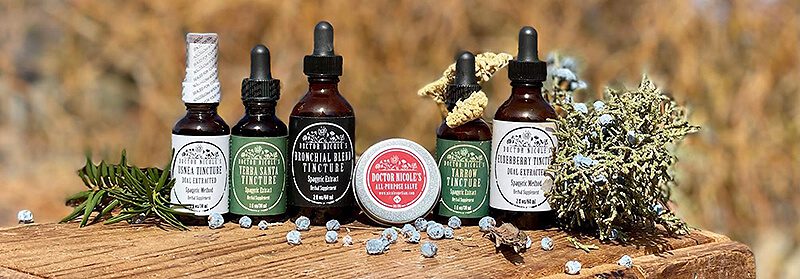
Interested in what Nicole uses every day? Try our Warrior Bundle. It includes dual-extracted, fruiting body tinctures of lion’s mane, reishi, and turkey tail medicinal mushrooms, plus our Balanced Gut Blend and Elderberry Tincture, All-Purpose Salve, and powerful Usnea Throat Spray.
Cool inflammation. Avoid contagious illness. Boost energy.
Does LDN work for chronic fatigue? A case study.
A condition involving profound, ongoing fatigue, postexertional malaise, pain, and neurocognitive defects, chronic fatigue syndrome and myalgic encephalomyelitis significantly affects quality of life for those with the condition. A case study published in BMJ Case Rep illustrates the significant impact of CFS — and how LDN can help.[ 8 ]8. Bolton, Monica Jane et al. "Low-dose naltrexone as a treatment for chronic fatigue syndrome." BMJ Case Reports 13,1 e232502. 6 Jan. 2020.
A white British female developed viral meningitis in 1988 when aged 33 and was diagnosed with chronic fatigue syndrome a year later in 1989. She had previously been healthy and working as a general practitioner. CFS caused her to become bedbound and unable to self-care, although she improved slowly over the following 5 years. However, she was only able to return to work on a limited basis, still suffering headaches, fatigue, postexertional malaise, food sensitivities, and frequent migraine attacks.
She improved slightly while taking antibiotic combinations including phenoxymethylpenicillin and azithromycin for a year in 2006, but relapsed rapidly upon stopping them. In 2010 she began LDN at 1.5 mg/day. After slowly increasing the dose and with some trial and error, she settled on 6 mg/twice per day permanently with exceptional results.
Three years after starting LDN, she could walk and cycle without issue. Thirty years after the initial meningitis, she now has a normal quality of life without symptoms of ill health, although her energy levels can drop slightly during infections, prolonged overexertion, or excessive mental effort. Her cognitive functioning has returned to normal apart from impairments due to the meningitis.
Possible Side Effects of LDN
While generally considered safe and well-tolerated, possible side effects of low-dose naltrexone include:
- Headaches
- Insomnia
- Nausea
- Anxiety
- Dizziness
- Vivid dreams
- Decreased appetite
- Joint pain
- Muscle cramps
- Tooth pain
If you experience rapid heart rate, confusion, depression, increased blood pressure, or an allergic reaction, consult with your healthcare provider right away. LDN is contraindicated if you are taking any of the following medications:
- Viagra (sildenafil)
- Valium
- Norvasc
- Warfarin
- Some chemotherapy drugs
- Buspirone
- Erythrocin
Safety
Consult with your healthcare provider before using LDN if you have kidney or liver disease, are pregnant or breastfeeding, or are taking medication.
The Takeaway
LDN has a range of clinical applications — from autoimmunity to fibromyalgia and chronic fatigue syndrome. Many times, LDN was effective in resolving symptoms where other treatment options failed. However, it is important to keep in mind that low-dose naltrexone is still a pharmaceutical and should only be used under the guidance of a qualified healthcare practitioner for proper dosing and to rule out any contraindications. I personally include LDN in my own wellness routine for MS, along with our Warrior Bundle to keep me healthy, vibrant, and feeling my best. Learn more about the benefits of these all-natural, clinically informed formulations at NicolesApothecary.com.
Nicole Apelian
Actions Steps & FAQs
Action Steps
- Speak with your healthcare practitioner to see if LDN is right for you based on your personal health history and current medication and/or supplement schedule.
- Start slowly with 1.5 mg/day and gradually work up to 4.5 mg/day under guidance of your healthcare provider.
- Track any changes, symptoms, or side-effects to better personalize dosage.
- Be patient — gradual improvement often takes several months.
FAQ
What is low-dose naltrexone?
A pharmaceutical compound that binds to opioid and endorphin receptors, low-dose naltrexone is also a powerful anti-inflammatory; helps to regulate the immune system; and temporarily blocks pain receptors, prompting the release of feel-good endorphins to address chronic pain.
Are there any side effects of LDN?
While generally well-tolerated, LDN side effects might include headaches, insomnia, nausea, anxiety, dizziness, vivid dreams, decreased appetite, joint pain, muscle cramps, or tooth pain.
Can LDN help with autoimmune disease?
Yes. Multiple studies have found low-dose naltrexone to be effective in reducing the pain, inflammation, and dysregulated immune response of autoimmunity — particularly multiple sclerosis (MS) and rheumatoid arthritis.
What natural alternatives help to calm inflammation, support immunity, and boost energy?
Nicole's Apothecary Warrior Bundle includes dual-extracted, fruiting body tinctures of lion’s mane, reishi, and turkey tail medicinal mushrooms, plus a Balanced Gut Blend and Elderberry tincture, All-Purpose Salve, and powerful Usnea Throat Spray to help cool inflammation, avoid contagious illness, and boost energy.
Nicole's Apothecary Products in this Post

Warrior Bundle
- What is Naltrexone? Substance Abuse and Mental Health Services Administration (SAMHSA). https://www.samhsa.gov/substance-use/treatment/options/naltrexone
- Khedr EM, Omran EAH, Ismail NM, et al. Effects of transcranial direct current stimulation on pain, mood and serum endorphin level in the treatment of fibromyalgia: a double blinded, randomized clinical trial. Brain Stimulation. 2017;10(5):893-901. doi:10.1016/j.brs.2017.06.006. https://www.brainstimjrnl.com/article/S1935-861X(17)30838-0/abstract
- Raknes, Guttorm, and Lars Småbrekke. “Low dose naltrexone: Effects on medication in rheumatoid and seropositive arthritis. A nationwide register-based controlled quasi-experimental before-after study.” PloS one vol. 14,2 e0212460. 14 Feb. 2019, doi:10.1371/journal.pone.0212460. https://pmc.ncbi.nlm.nih.gov/articles/PMC6375629/
- Lie, Mitchell R K L et al. “Low dose Naltrexone for induction of remission in inflammatory bowel disease patients.” Journal of translational medicine vol. 16,1 55. 9 Mar. 2018, doi:10.1186/s12967-018-1427-5. https://pmc.ncbi.nlm.nih.gov/articles/PMC5845217/
- Uppal, Gaurav et al. “Low Dose Naltrexone in Depression: A Mechanistic Systematic Review of Convergent Neuroimmune Suppression and Endogenous Opioid Plasticity as a Mechanistic Framework.” BJPsych Open vol. 12,Suppl 1 S88. 30 Jun. 2026, doi:10.1192/bjo.2026.11142. https://pmc.ncbi.nlm.nih.gov/articles/PMC13324505/
- Patten DK, Schultz BG, Berlau DJ. The safety and efficacy of low-dose naltrexone in the management of chronic pain and inflammation in multiple sclerosis, fibromyalgia, Crohn's disease, and other chronic pain disorders. Pharmacotherapy. 2018;38(3):382-389. doi:10.1002/phar.2086. https://pubmed.ncbi.nlm.nih.gov/29377216/
- Raknes, Guttorm, and Lars Småbrekke. “Low dose naltrexone: Effects on medication in rheumatoid and seropositive arthritis. A nationwide register-based controlled quasi-experimental before-after study.” PloS one vol. 14,2 e0212460. 14 Feb. 2019, doi:10.1371/journal.pone.0212460. https://pmc.ncbi.nlm.nih.gov/articles/PMC6375629/
- Bolton, Monica Jane et al. “Low-dose naltrexone as a treatment for chronic fatigue syndrome.” BMJ case reports vol. 13,1 e232502. 6 Jan. 2020, doi:10.1136/bcr-2019-232502. https://pmc.ncbi.nlm.nih.gov/articles/PMC6954765/
- Srinivasan A, Dutta P, Bansal D, Chakrabarti A, Bhansali AK, Hota D. Efficacy and safety of low-dose naltrexone in painful diabetic neuropathy: A randomized, double-blind, active-control, crossover clinical trial. J Diabetes. 2021;13(10):770-778. doi:10.1111/1753-0407.13202. https://onlinelibrary.wiley.com/doi/epdf/10.1111/1753-0407.13202
- Papay K, Xie SX, Stern M, et al. Naltrexone for impulse control disorders in Parkinson disease: a placebo-controlled study. Neurology. 2014;83(9):826-833. doi:10.1212/WNL.0000000000000729. https://www.neurology.org/doi/10.1212/WNL.0000000000000729
- Younger J, Parkitny L, McLain D. The use of low-dose naltrexone (LDN) as a novel anti-inflammatory treatment for chronic pain. Clin Rheumatol. 2014;33(4):451-459. doi:10.1007/s10067-014-2517-2. https://link.springer.com/article/10.1007/s10067-014-2517-2
- Plank JR, Glover SC, Moloney BD, et al. A randomized, double-blind, placebo-controlled, hybrid parallel-arm study of low-dose naltrexone as an adjunctive anti-inflammatory treatment for major depressive disorder. Trials. 2022;23(1):822. Published 2022 Sep 30. doi:10.1186/s13063-022-06738-3. https://link.springer.com/article/10.1186/s13063-022-06738-3
- O'Kelly B, Vidal L, McHugh T, Woo J, Avramovic G, Lambert JS. Safety and efficacy of low dose naltrexone in a long covid cohort; an interventional pre-post study. Brain Behav Immun Health. 2022;24:100485. doi:10.1016/j.bbih.2022.100485. https://www.sciencedirect.com/science/article/pii/S2666354622000758?via%3Dihub