Article Summary: How to Avoid Norovirus — and Natural Remedies That Can Help
With norovirus outbreaks spreading across nearly every U.S. state, protecting yourself and your family starts with the basics: thorough handwashing with soap and water, diligent surface disinfection with bleach solution or hypochlorous acid, and eating home-cooked meals during active outbreaks. Natural remedies including curcumin, date syrup, and propolis show promise in research for blocking the virus's ability to bind to cells. Emerging science also points to gut microbiome health as a key factor. Nicole's Apothecary Balanced Gut Blend offers targeted botanical support for norovirus resilience.
The Stomach Flu Is Spreading Fast — Here's What You Need to Know
With almost every state in the USA seeing outbreaks of norovirus (stomach flu) — as well as along the Pacific Crest Trail — there's a good chance you want to know how to prevent it and/or calm symptoms if your family becomes ill. This is especially important for the most vulnerable — including infants, those over 65, and people with weakened immune systems. While most healthy adults can navigate norovirus without it causing serious health problems, it can cause severe complications and even death in those who are compromised. Since the virus is extremely contagious, it's crucial to take extra precautions to avoid contracting it. In this post, we will cover best preventative practices as well as home remedies that can help if you do become sick.
How do you catch norovirus?
A highly contagious virus, norovirus spreads via contact with infected stool or vomit. It spreads rapidly in environments like schools, hospitals, cruise ships, and assisted care facilities. You can get it by having direct contact with someone who is sick with the virus; eating contaminated food that was prepared by someone infected; or touching contaminated surfaces, then your mouth without washing your hands first. Alcohol-based hand sanitizers are ineffective at killing the virus. Once infected, symptoms arise 24 to 48 hours after being exposed and generally last 24 to 72 hours.
Since the virus can remain infectious in the stool for up to 14 days after symptoms have resolved, it’s crucial to continue disinfecting and personal hygiene protocols (see below) for at least several weeks to avoid infecting others. The virus can also remain infectious on surfaces for up to two weeks and contact with as few as 18 viral particles can cause illness.
Best Practices For Avoiding Infection
Thoroughly wash your hands — often. Washing your hands with soap and warm water is your best defense against norovirus. Aim for at least 20 seconds of active handwashing with plenty of lather, making sure you are washing palm, back, and sides. Wash your hands after using the bathroom or changing a diaper, as well as before and after preparing or handling food. Remember: Hand sanitizers are ineffective against norovirus, which is why the outbreak along the Pacific Crest Trail spread so rapidly.
Disinfect surfaces. If there is an active infection of stomach flu in your home, spray cleaned surfaces that have come in contact with feces or vomit using a solution of 1:10 bleach/hot water (or bleach wipes) and let sit for one minute before wiping off. Another option is hypochlorous acid (HOCI). This is a more eco-friendly option compared to bleach. When used in a concentration of at least 200 ppm, it is considered a hospital-grade disinfectant that's effective against norovirus and other pathogens. HOCI degrades over time and loses disinfecting potency relatively quickly. For full effectiveness, use your HOCI solution within 30 days and store it in an opaque, sealed container away from light and heat. Generously wet any contaminated surfaces. After 60 seconds, you can wipe down the surface or let it air dry.
With either method, always put on disposable gloves before touching anything and use paper towels for cleaning up organic material. Everything should be disposed of in a sealed plastic bag to avoid further contamination. Repeat disinfection on high-touch surfaces (door knobs, light switches, taps, toilet, countertops, etc.) throughout the illness period and several weeks beyond.
Make food at home. If there is an active outbreak of norovirus in your community, it's best to steer clear of restaurants, takeout, and prepared food in supermarkets. Instead, cook meals at home. If you've been sick with the virus, wait at least 48 hours after symptoms have stopped before preparing food for others to avoid spreading the virus.2<s/up> According to UC Chicago Medicine, wash fruits and vegetables thoroughly — and frequently wash your hands and clean/disinfect counter surfaces (including cutting boards) throughout the cooking and serving process to avoid cross contamination.1
Be prepared. Before illness can strike, have your supplies ready. Stock up on over-the-counter anti-diarrheal medication and electrolyte drinks (Pedialyte for children under 10), along with crackers, bleach cleaning wipes and/or HOCL, paper towels, and disposable gloves. Additionally, fresh or powdered ginger made as a tea can ease nausea and settle the stomach.
Helpful Natural Remedies
Curcumin. A 2016 study published in the journal Molecules found that curcumin (the active compound in turmeric) is highly effective against norovirus in vitro. While the team was primarily exploring a cost-effective, all-natural compound that would destroy norovirus for food packaging purposes, it may also be helpful for prevention and easing symptoms when taken internally. Resveratrol also shows promise.

Designed for immune, antiviral, and anti-inflammatory support, Nicole's Apothecary Eastern Blend features a potent combination of Japanese knotweed (resveratrol), Chinese skullcap, cordyceps mushroom, and Japanese honeysuckle. Defend Your Health
Date syrup. A study published in 2022 demonstrated that date syrup significantly inhibits norovirus, as does propolis to a lesser degree.4 Both may be helpful in preventing illness since they block hist-blood group antigens (HBGA) binding. These are structures found on the surface of red blood and epithelial cells. They are also in bodily secretions. HBGAs are found throughout the body — think: the gut, saliva, and respiratory tract. Norovirus binds to HBGAs as a first step in infecting host cells and uses these antigens to gain entry to the gastrointestinal tract.
Moreover, a fascinating study published in Cell found that those who had a more diverse, Bacteroidetes-rich microbiome, the more likely they remained asymptomatic or experienced milder outcomes when exposed to norovirus.5 On the flip side, those who had gut dysbiosis with a greater level of Firmicutes bacteria and/or Candida albicanus had a higher rate of illness and took longer to recover.
The researchers concluded that a balanced microbiome may offer protection against the virus by producing fewer HBGA-like attachment sites for the virus; maintaining greater gut stability under viral stress; and mounting a more effective immune response at the gut level. This study provides compelling evidence that supporting microbiome health — through diet, fermented foods, and targeted botanical support such as Nicole's Apothecary Balanced Gut Blend may be one of the most effective ways to defend against Norovirus and severe illness.
The Takeaway
What I find striking about this research is how your gut microbiome influences the outcome after exposure to norovirus — not just recovering quickly, but if you get sick at all. The science is pointing towards microbiome diversity as a frontline defense, along with the basics of rigorous hand hygiene and smart food preparation during outbreaks.
That's why I always recommend supporting and healing the gut as a foundation for overall health and resilience. I formulated our Balanced Gut Blend specifically to strengthen the gut environment — and the research on norovirus gives us yet another reason to prioritize it. Pair it with curcumin, date syrup, and consistent hygiene practices, and you've built a solid defense against the virus and subsequent illness.
The gut is your first line of protection. Keep it strong. Shop Nicole's Apothecary Balanced Gut Blend
Nicole Apelian
Actions Steps & FAQs
Action Steps
- Prioritize dietary balance rather than eliminating entire food groups or nutrients.
- Include fiber-rich whole foods to support a diverse, thriving gut microbiome.
- Add fermented foods to help maintain healthy levels of beneficial bacteria.
- Maintain consistent meal timing to support glucose regulation and metabolism.
- Consider an extra level of support with Nicole's Apothecary Balanced Gut Blend and Liver Blend.
FAQ
Does eliminating all sugar improve gut health?
Not necessarily. New research found that completely removing sucrose from a low-fat diet disrupted the gut microbiome, reducing beneficial bacteria like Lactobacillus murinus and increasing pro-inflammatory bacteria.
Can a zero-sugar or carnivore diet raise diabetes risk?
The study found that a sucrose-free diet led to impaired glucose control and reduced insulin sensitivity — both risk factors for type II diabetes — despite eliminating sugar entirely.
Is there a link between zero-sugar diets and fatty liver disease?
Yes. Researchers observed early warning signs of fatty liver disease and liver inflammation in the group following a completely sucrose-free diet.
Is balanced nutrition better than eliminating sugar completely?
According to the research, yes. Experts note that healthy eating depends on overall dietary patterns rather than eliminating a single nutrient or food group.
Nicole's Apothecary Products in this Post
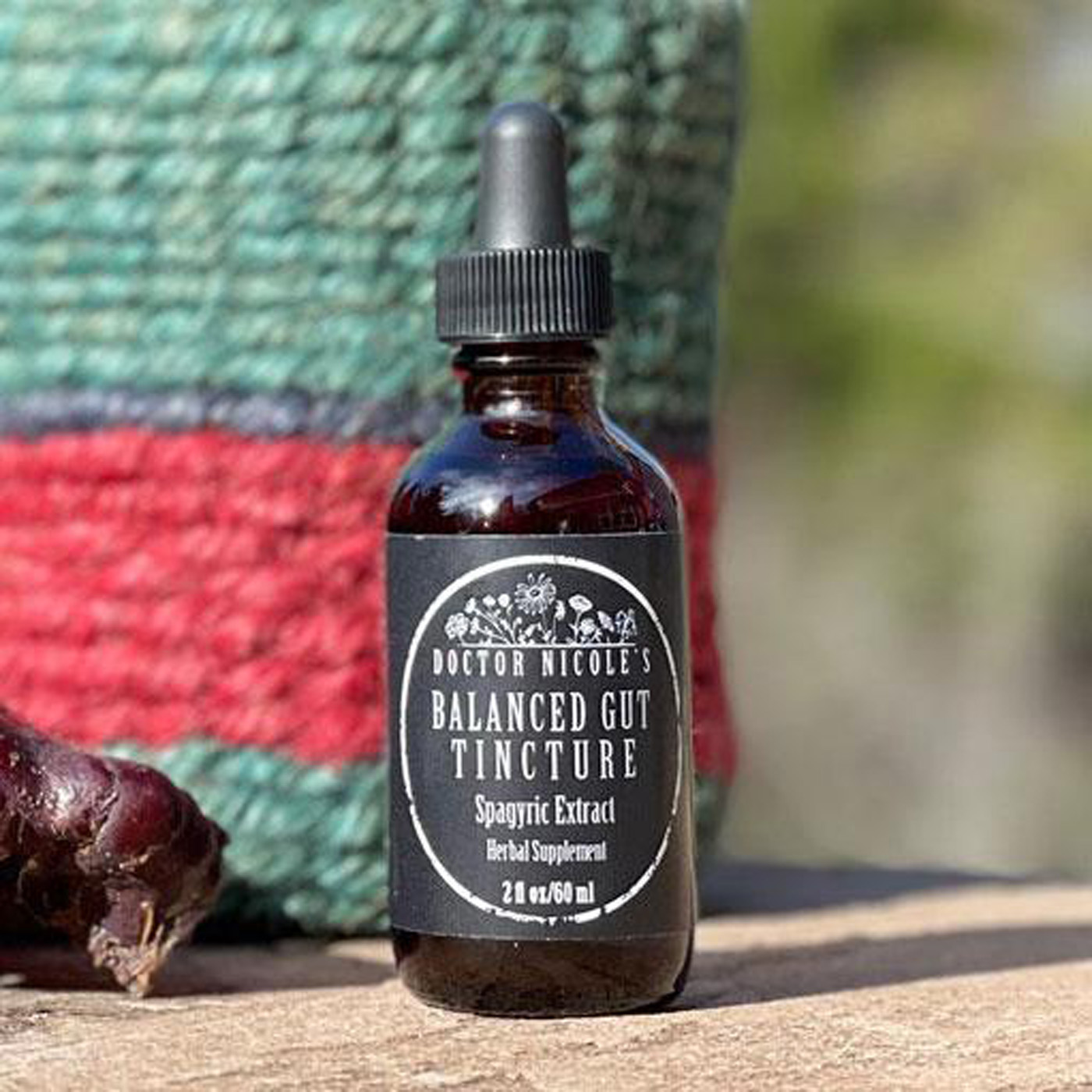
Balanced Gut Blend Tincture
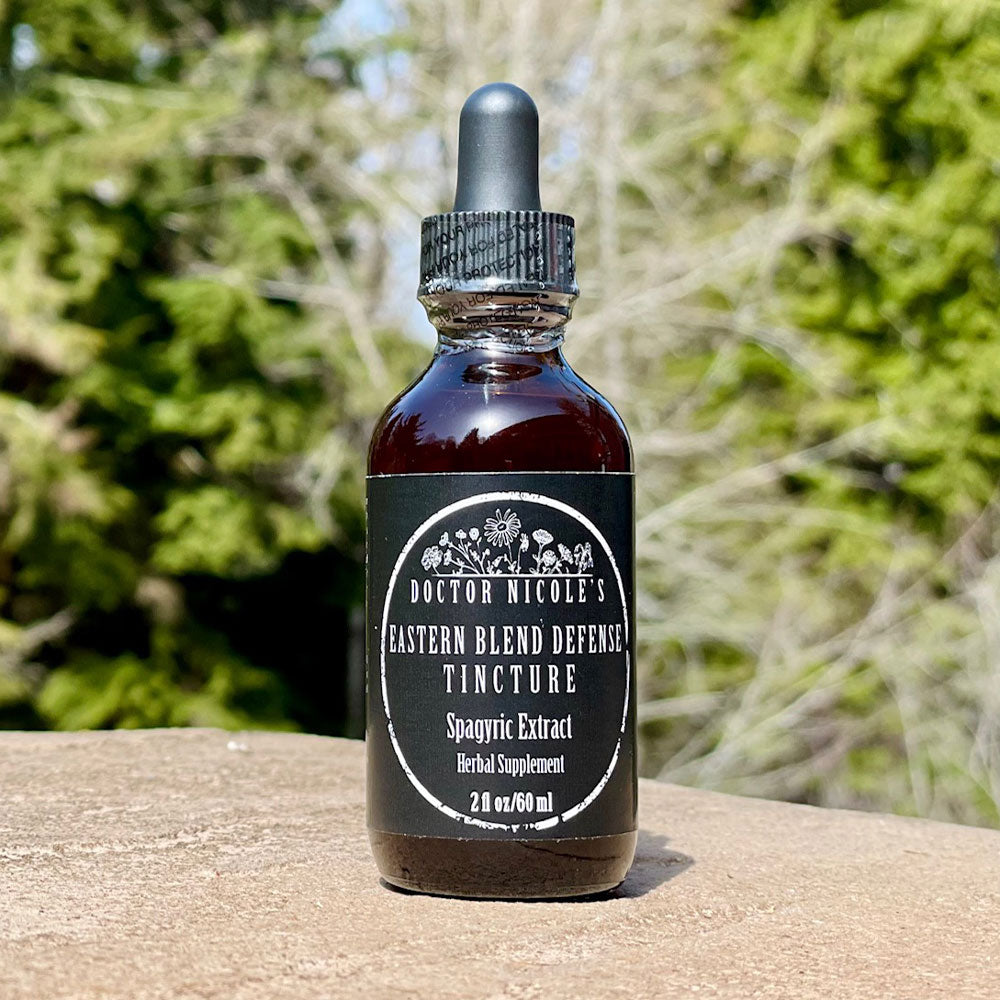
Eastern Blend Defense Tincture
References
- "How to prevent (and recover from) norovirus, the stomach bug that’s surging" by Tamara O'Shaughnessy, UChicago Medicine, January 16, 2025.
- "How to Prevent Norovirus" Centers for Disease Control, January 13, 2025
- Yang, Minji et al. “Curcumin Shows Antiviral Properties against Norovirus.” Molecules (Basel, Switzerland) vol. 21,10 1401. 20 Oct. 2016, doi:10.3390/molecules21101401.
- Ruoff, Kerstin et al. “Natural extracts, honey, and propolis as human norovirus inhibitors.” Scientific reports vol. 12,1 8116. 17 May. 2022, doi:10.1038/s41598-022-11643-5.
- Patin NV, Peña-Gonzalez AHatt JK, Moe C, Kirby A,Konstantinidis KT2020.The Role of the Gut Microbiome in Resisting Norovirus Infection as Revealed by a Human Challenge Study. mBio11:10.1128/mbio.02634-20.https://doi.org/10.1128/mbio.02634-20.