Tiny Blooms, Surprisingly Powerful Health Benefits
With gardens and natural spaces in full bloom, now is the perfect time to enjoy the bounty of edible flowers. Not only beautiful, they are also jammed packed with vitamins, antioxidants, and beneficial compounds that can tame inflammation, improve heart health, calm stress, boost digestive health, encourage beautiful skin, and much more! In this post, we will cover a range of commonly found edible flowers so that you can begin to reap their health and beauty benefits today!

Blue Cornflower
Anthocyanins | Eye Health | Gastroprotective
Blue Cornflower contains an abundance of flavonoids, anthocyanins, and aromatic acids for strong antioxidant, gastroprotective, and antihypertensive activity. 7,10 The flowers can be brewed as a mild, slightly sweet tea or tossed into salads. Their brilliant blue color is especially dramatic when sprinkled over a creamy butternut squash soup.

Calendula
Skin Healing | Anti-Tumor | Antioxidant
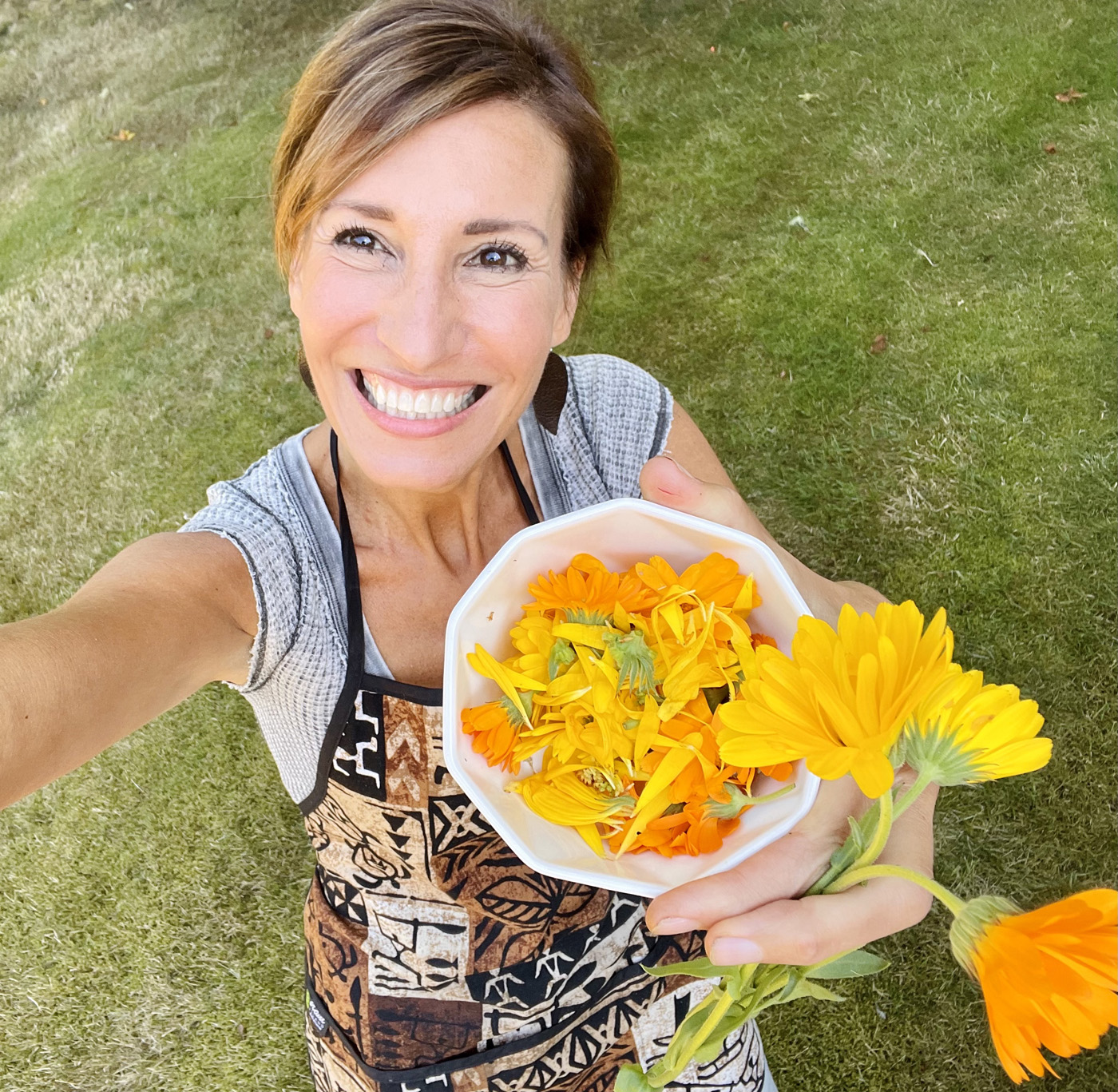
Loaded with antioxidants, vitamin A, and flavonoids, calendula has wound-healing, anti-tumor, and antiviral properties. Historically called "poor man's saffron" — the petals add peppery flavor and golden color to salads and soups. Caution: Avoid consuming calendula during pregnancy.3
Lavender
Calming | Antiseptic | Anti-Inflammatory
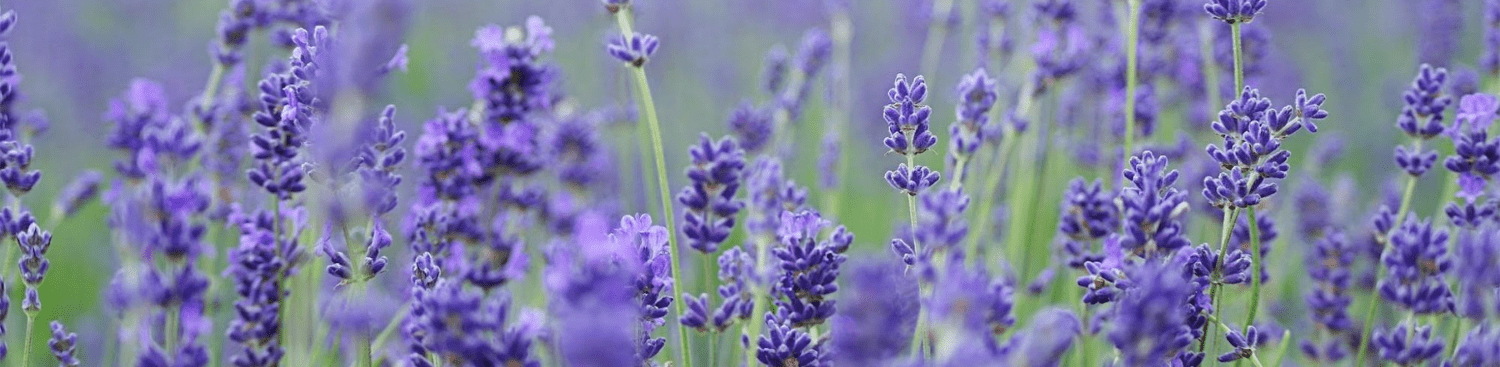
Lavender flowers are well-documented for reducing anxiety, stress, and fatigue. Linalool, its primary compound, helps to calm your nervous system. It has also been studied for PMS relief.2 It adds citrus-floral notes to baked goods, teas, vinegars, and savory dishes.

Evening Primrose
Antioxidant | Hormonal Support | Respiratory Health
Living up to its name, evening primrose flowers open at sunset and only last for one night. These yellow blooms are edible and contain antioxidant polyphenols and flavonoids. Traditionally, a flower syrup has been used for respiratory complaints. They can also be brewed as a tea. The plant's most studied compounds — GLA and other essential fatty acids for hormonal support — are concentrated in the seeds.4

Chicory
Gut Health | Liver Support | Anti-Inflammatory
These bright blue flowers are rich in antioxidant flavonoids (including anthocyanins) and chlorogenic acids. Research has found that chicory (roots, leaves, flowers) has anti-inflammatory, hepatoprotective, microbiome-supporting, and antidiabetic properties, and shows promise against severe acute respiratory syndrome. The flowers are a source of vitamins K and choline, as well as copper.6 Toss into a salad, add to rice paper spring rolls, or pickle the young buds. Need an extra level of support? See our Balanced Gut Blend and Liver Blend.
Red Clover
Hormonal Balance | Isoflavones | Anti-Inflammatory
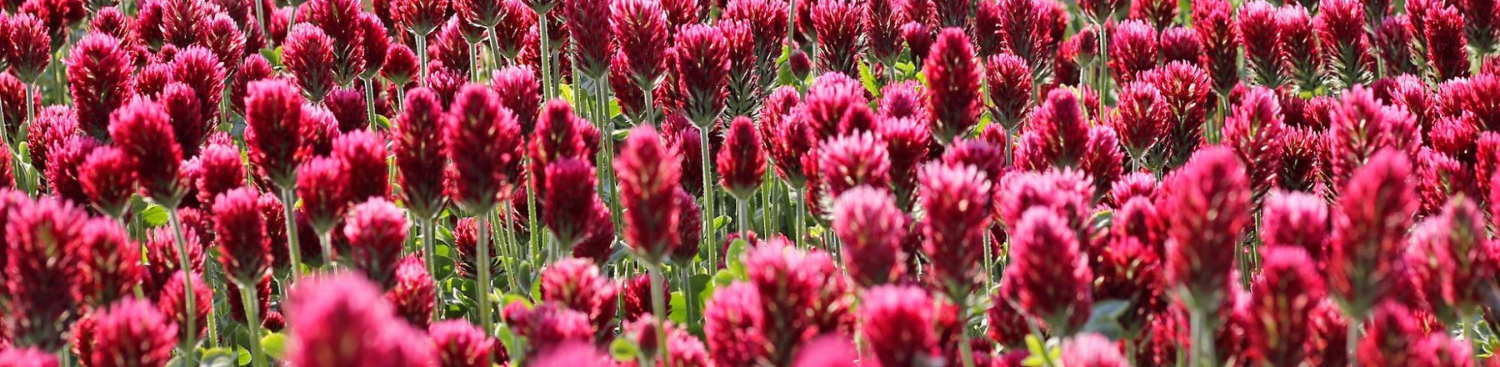
If you are seeking an all-natural remedy to balance female hormones, red clover is an excellent choice! Rich in isoflavones (plant estrogens), red clover blossoms are most studied for easing menopausal symptoms — including hot flashes and mood shifts. The flower is also helpful for protecting bone density, cardiovascular support, and skin disorders. The blossoms have a delicately sweet flavor and make delicious tea.1 For a ready-made, high-potency extract, take a look at our Menopause Blend.
Dandelion
Blood Sugar Support | Antioxidant | GLP-1
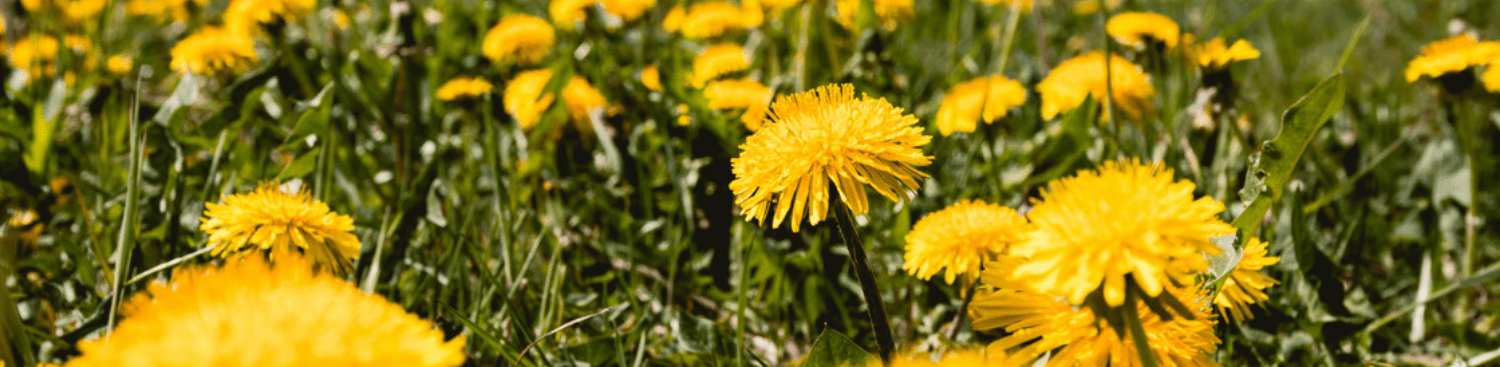
Humble dandelion flowers are a surprising powerhouse of nutrients, such as phenolic components including flavonoids, coumaric acid, and ascorbic acid. They also contain ample amounts of antioxidants luteolin and luteolin. These sunny blooms also stimulate the production of GLP-1 and help to regulate blood sugar levels through antioxidant action.8 Enjoy brewed as a tea or a garnish for salads.

Rose
Skin Health | Vitamins A,C,E | Anti-Inflammatory
Rose petals contain iron, calcium, polyphenols, and quercetin. Their anti-inflammatory properties help to ease menstrual cramping.5 Rose hips are exceptionally high in vitamin C and can be brewed as a tea. What's more, rose promotes beauty from the inside out through antioxidant action.9 These fragrant petals can be used fresh in beverages, salads, and desserts — just make sure the flowers are organic as roses tend to be a high-pesticide crop. I like to forage wild roses for their flowers and rosehips. If you need a topical skin solution, I personally use Herbal Face Food serum and cream with outstanding results. Use the code “NicoleA20” at checkout for a 20% discount.
Grow Your Own Edible Flowers and Herbal Medicine Chest
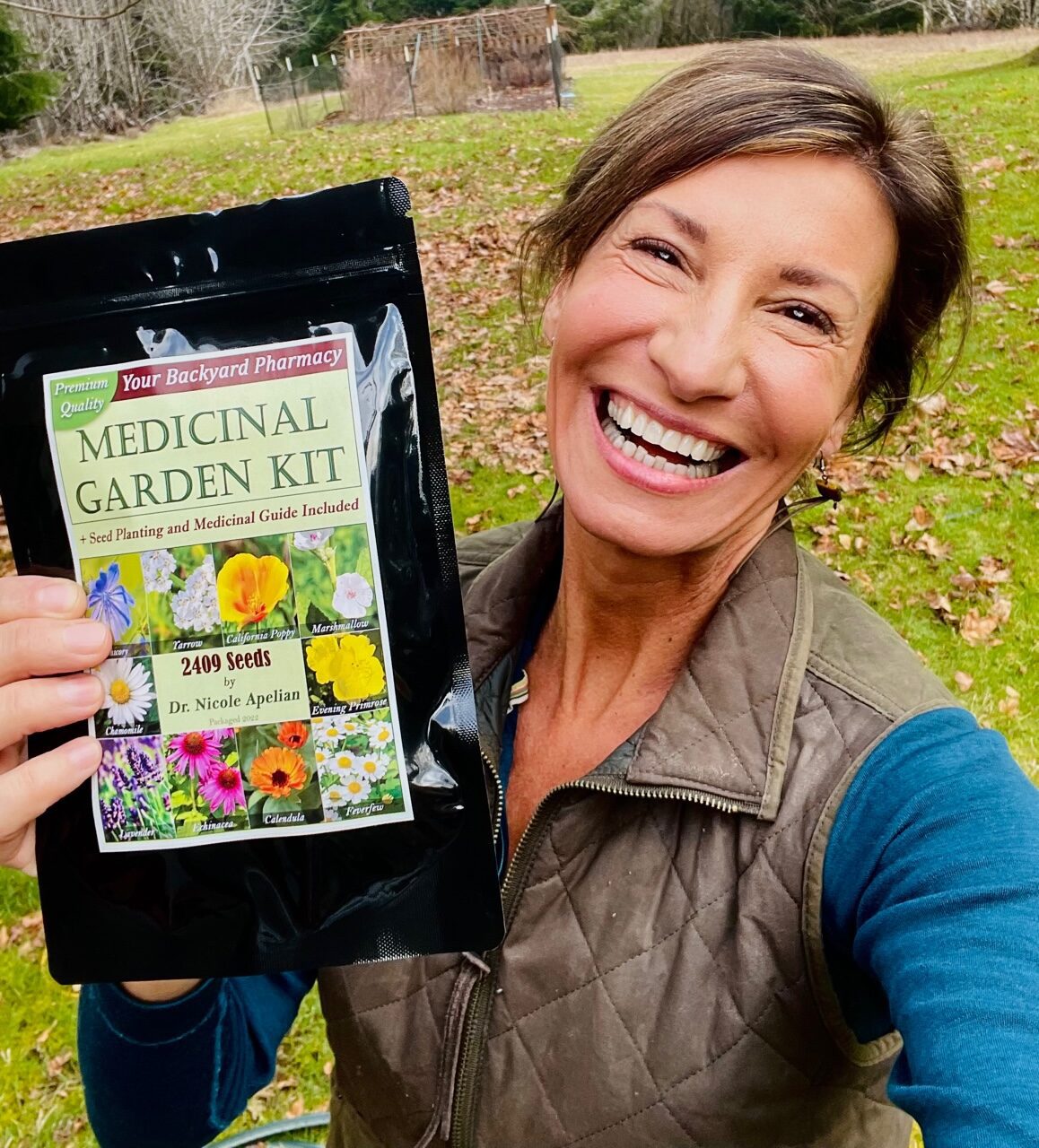
Many of the edible flowers mentioned in this post are included in our Medicinal Garden Seed Kit — including lavender, chicory, calendula, and evening primrose. The kit is also packed with additional medicinal flowers and herbs: chamomile, marshmallow, California poppy, yarrow, echinacea, and feverfew. These plants aren’t just beautiful, but also medicinally useful.
Even if you’ve never had a garden before, you’ll have no trouble growing the plants in this kit.
The seeds are open pollinated, non-GMO, heirloom, and grown in the USA. Detailed instructions for planting, growing, and harvesting are included. You will also receive a guide that shows you how to turn your medicinal plants into tinctures, ointments, salves, poultices, decoctions, infusions, and essential oils.
If you live in the USA, don’t wait — tap here to get started!
Nicole Apelian
Actions Steps & FAQs
Action Steps
- Prioritize dietary balance rather than eliminating entire food groups or nutrients.
- Include fiber-rich whole foods to support a diverse, thriving gut microbiome.
- Add fermented foods to help maintain healthy levels of beneficial bacteria.
- Maintain consistent meal timing to support glucose regulation and metabolism.
- Consider an extra level of support with Nicole's Apothecary Balanced Gut Blend and Liver Blend.
FAQ
Does eliminating all sugar improve gut health?
Not necessarily. New research found that completely removing sucrose from a low-fat diet disrupted the gut microbiome, reducing beneficial bacteria like Lactobacillus murinus and increasing pro-inflammatory bacteria.
Can a zero-sugar or carnivore diet raise diabetes risk?
The study found that a sucrose-free diet led to impaired glucose control and reduced insulin sensitivity — both risk factors for type II diabetes — despite eliminating sugar entirely.
Is there a link between zero-sugar diets and fatty liver disease?
Yes. Researchers observed early warning signs of fatty liver disease and liver inflammation in the group following a completely sucrose-free diet.
Is balanced nutrition better than eliminating sugar completely?
According to the research, yes. Experts note that healthy eating depends on overall dietary patterns rather than eliminating a single nutrient or food group.
Nicole's Apothecary Products in this Post
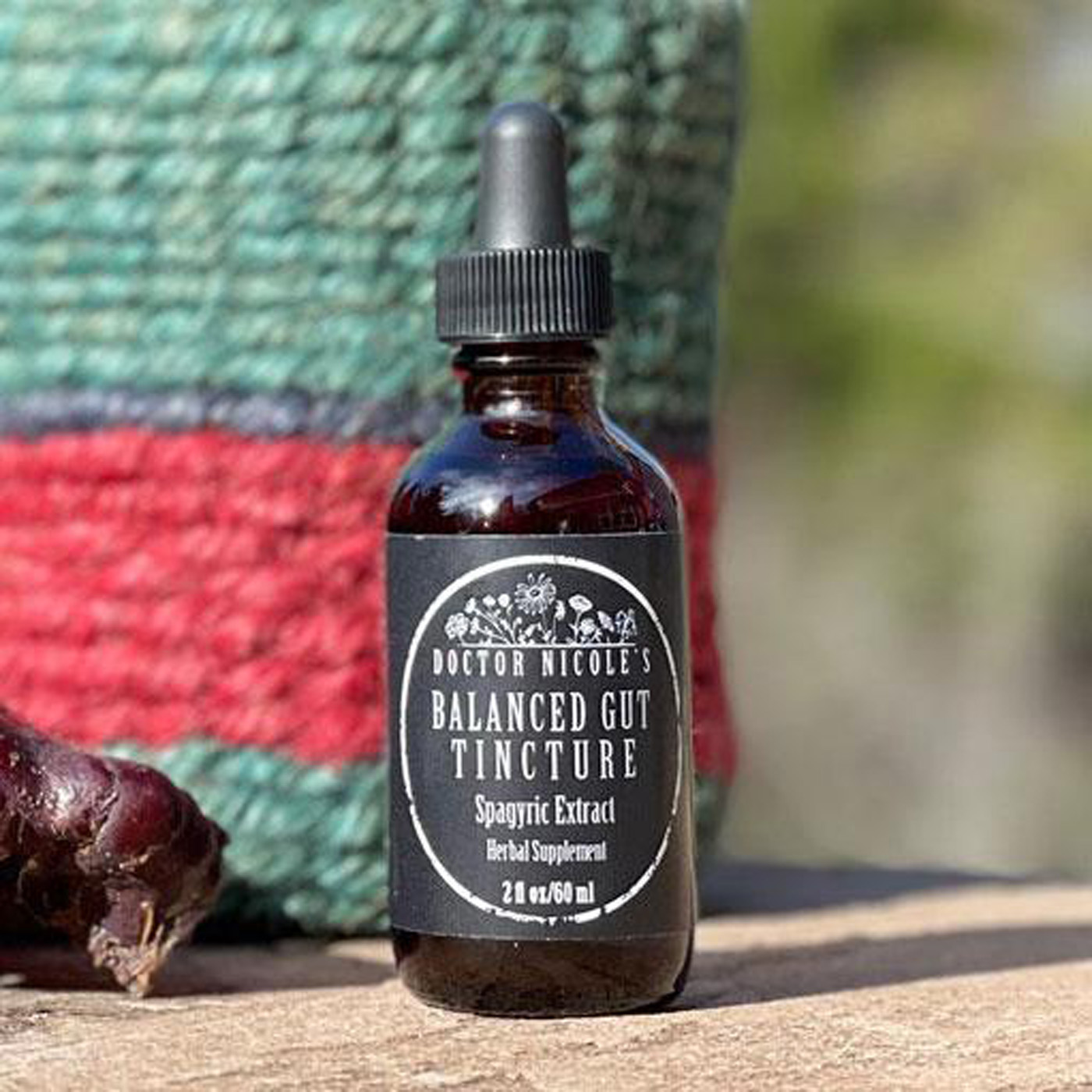
Balanced Gut Blend Tincture
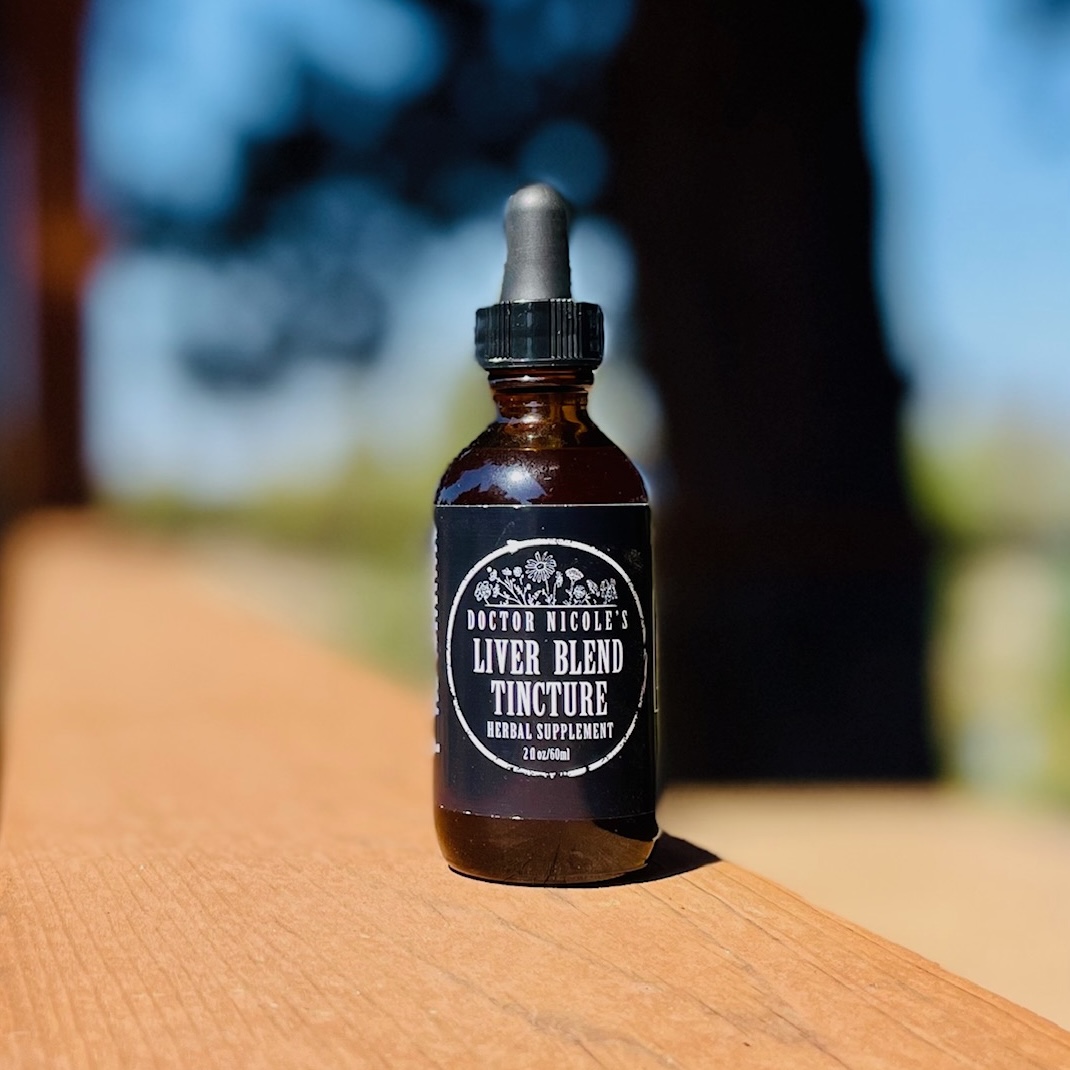
Liver Blend Tincture

Menopause Blend Tincture
References
- Red Clover, NIH National Center for Complementary and Integrative Health. https://www.nccih.nih.gov/health/red-clover
- Valencia-Cordova, Mariel Guadalupe et al. “Lesser-Explored Edible Flowers as a Choice of Phytochemical Sources for Food Applications.” International journal of food science vol. 2024 9265929. 12 Nov. 2024, doi:10.1155/2024/9265929
- "What Are the Health Benefits of Marigold Extract (Calendula)?" By Sharlene Tan | Medically Reviewed by Melinda Ratini, MS, DO, WebMD, June 20, 2024. https://www.webmd.com/vitamins-and-supplements/what-health-benefits-marigold-extract-calendula
- Evening Primrose Oil, NIH National Center for Complementary and Integrative Health. https://www.nccih.nih.gov/health/evening-primrose-oil
- Coyago-Cruz, Elena et al. “Functional, Antioxidant, Antibacterial, and Antifungal Activity of Edible Flowers.” Antioxidants (Basel, Switzerland) vol. 13,11 1297. 25 Oct. 2024, doi:10.3390/antiox13111297
- Janda, Katarzyna et al. “The Common Cichory (Cichorium intybus L.) as a Source of Extracts with Health-Promoting Properties-A Review.” Molecules (Basel, Switzerland) vol. 26,6 1814. 23 Mar. 2021, doi:10.3390/molecules26061814
- Valencia-Cordova, Mariel Guadalupe et al. “Lesser-Explored Edible Flowers as a Choice of Phytochemical Sources for Food Applications.” International journal of food science vol. 2024 9265929. 12 Nov. 2024, doi:10.1155/2024/9265929
- Wirngo, Fonyuy E et al. “The Physiological Effects of Dandelion (Taraxacum Officinale) in Type 2 Diabetes.” The review of diabetic studies : RDS vol. 13,2-3 (2016): 113-131. doi:10.1900/RDS.2016.13.113
- Mileva M, Ilieva Y, Jovtchev G, Gateva S, Zaharieva MM, Georgieva A, Dimitrova L, Dobreva A, Angelova T, Vilhelmova-Ilieva N, et al. Rose Flowers—A Delicate Perfume or a Natural Healer? Biomolecules. 2021; 11(1):127. https://doi.org/10.3390/biom11010127
- Lockowandt L., Pinela J., Roriz C. L., et al. Chemical features and bioactivities of cornflower (Centaurea cyanus L.) capitula: the blue flowers and the unexplored non-edible part. Industrial Crops and Products . 2019;128:496–503. doi: 10.1016/j.indcrop.2018.11.059.