
The Ancient Root That Does It All — From Blood Sugar to Immunity
Known as a traditional remedy that can help you overcome cravings for sweets, licorice root also balances blood sugar, soothes the digestive tract, calms respiratory inflammation, and regulates immune function. If this wasn't enough, it's an effective antiviral herb as well. Here we will explore the benefits of this popular herb, safety considerations, as well as a delicious vitamin bar recipe that's perfect for keeping you and your family resilient against any bugs making the rounds.
Crush Cravings
Licorice root tea is an excellent replacement for sugary drinks since it's naturally sweet and balances blood sugar levels to keep cravings at bay. You can drink it whenever you need to satisfy your sweet tooth, but limit consumption to 1-2 cups per day. See the safety section below for more information.

Recipe. Licorice Root Tea
Ingredients
1 tablespoon dried licorice root
1 cup boiling water
Instructions
Steep licorice root with boiling water in a covered mug for 5-10 minutes to extract all the beneficial properties of the herb. You can add a squeeze of fresh lemon or a slice of ginger to enhance the taste. Enjoy warm or iced.
Top Health Benefits of Licorice
Respiratory complaints. Licorice is useful in treating lung problems because it helps the body produce and expel mucus, which keeps the respiratory system clean and functioning properly. It can also be helpful for alleviating the symptoms of COPD. See our Bronchial Blend in the apothecary for an additional level of support.
Antiviral, antibacterial, antioxidant. An outstanding ally during the cold and influenza season, licorice helps to boost the immune system and provides antiviral, antibacterial, and antioxidant benefits to keep you and your family healthy. Our low-sugar Elderberry extract is another highly effective option.
Leaky gut and inflammation. Licorice soothes the digestive tract and calms inflammation in the intestinal tract that can cause gut permeability. See our Balanced Gut Blend for a comprehensive, easy-to-use alternative.
Female hormonal balance. Due to the phytoestrogenic compounds liquiritigenin and glabrene, licorice root is an excellent natural alternative to hormone replacement therapy. It helps to calm hot flashes and other symptoms of menopause, while also addressing fertility and menstrual problems. Looking for a convenient, ready-made option for hormonal support? Have a look at our Menopause Blend.
Balanced blood sugar. Researchers have identified a class of natural compounds in licorice root called amorfrutins, which work by docking into a key cellular receptor that is involved in lowering blood sugar, calming inflammation, and preventing fatty liver disease. Beyond this mechanism, licorice has been shown to improve fasting blood glucose, insulin resistance, and lipid profiles. Interestingly, research has also found that licorice reshapes the gut microbiota, which plays a role in helping to lower blood sugar levels. Add to this its ability to improve insulin sensitivity, reduce oxidative stress, and restore the body's antioxidant capacity, and licorice root is an excellent all-natural remedy for addressing blood sugar imbalance.1,2,3,4 If you would like a comprehensive alternative for heart health and blood sugar regulation, take a look our Heart, Blood Pressure, and Blood Sugar Bundle.
Boost Immunity & Resilience: Herbal Vitamin Bars
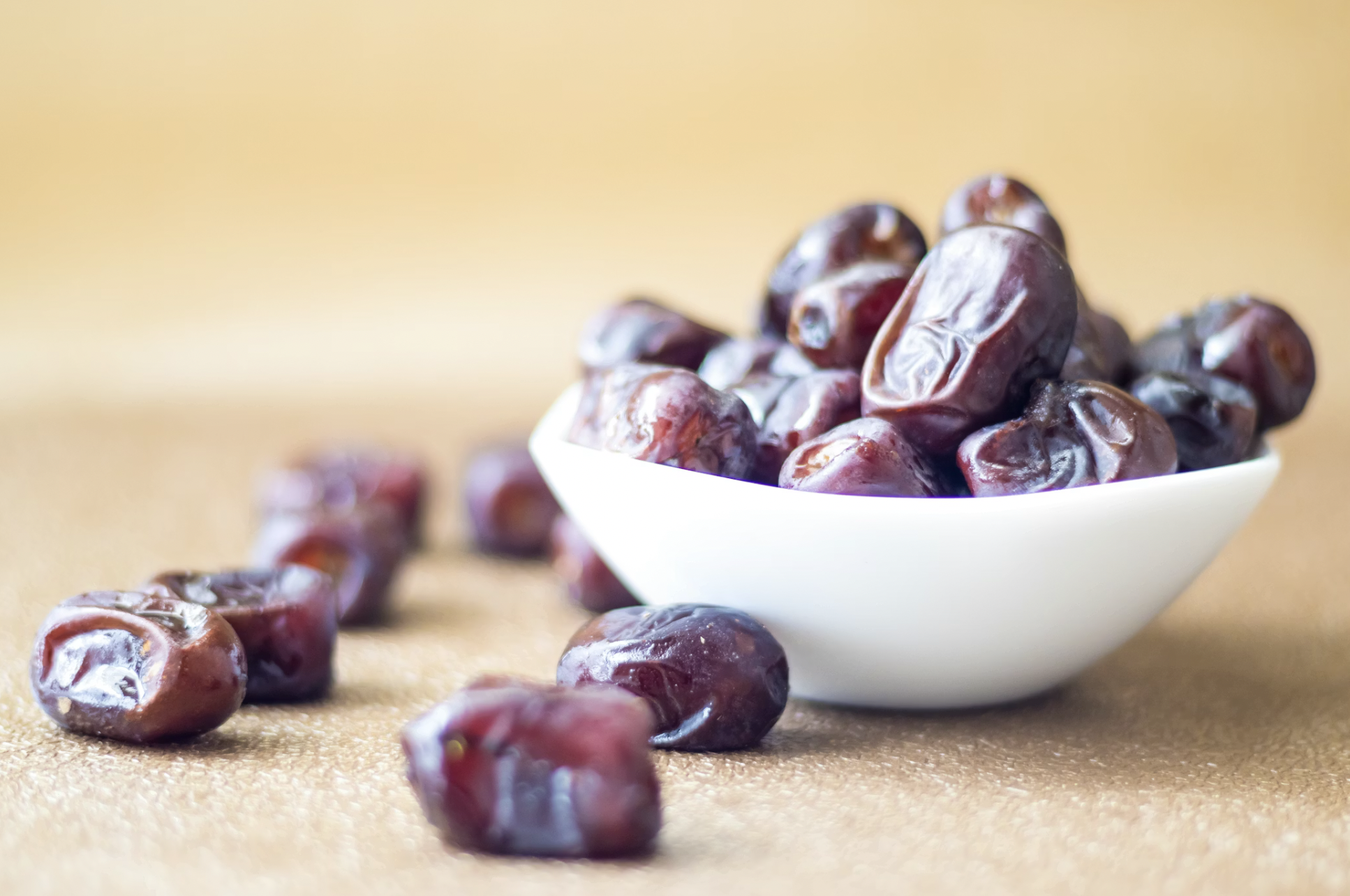
This immune-supporting vitamin bar brings together some of nature's most powerful botanicals in every delicious bite. Bilberry delivers a rich dose of antioxidant anthocyanins to strengthen immune defenses. Elderberry — a time-honored herbal staple — adds potent antiviral and antioxidant support. Licorice root works to calm inflammation and reinforce the body's natural defenses. Pumpkin seeds contribute essential zinc for healthy immune function, while sunflower seeds provide a generous supply of vitamin E to keep immunity strong and resilient.
Ingredients
4 oz dried pitted dates
5 oz mixed nuts
1 heaped tsp bilberry powder
1 tsp elderberry extract
1 tsp licorice root extract
1 tbsp pumpkin seeds
1 tbsp sunflower seeds
2 tbsp pure cocoa powder
2 tbsp raw honey
Instructions
Prepare the Base: In a food processor, combine dried pitted dates and mixed nuts. Blend until you achieve a sticky and cohesive mixture. Press the mixture into a parchment-lined loaf pan to create an even base for your vitamin bar.
Herbal Infusion Layer: In a small bowl, mix bilberry powder, elderberry extract, and licorice root extract. Spread this herbal blend evenly over the prepared base.
Nutrient-Rich Toppings: Sprinkle pumpkin seeds, sunflower seeds, and pure cocoa powder over the herbal layer.
Sweeten and Set: Drizzle honey evenly across the top, providing natural sweetness. Keep the mixture in the freezer for 30 minutes.
Cut and Serve: Once the herbal vitamin bar has set in the freezer, use a sharp knife to carefully cut it into 8 individual bars. For a clean cut, run the knife under hot water before slicing each portion.
Store in an airtight container in the refrigerator
Dosage
Consume one bar each day for optimal immune support
Safety
While licorice can be beneficial, it should be used in moderation. Long-term use of licorice root or high doses can lead to severe side effects. The primary reason for these side effects is the presence of glycyrrhizin. Therefore, using DGL licorice reduces the risks associated with it.
Be aware of the following symptoms: low potassium levels in the body (hypokalemia), muscle weakness, fluid retention and swelling, metabolic abnormalities, high blood pressure, heart rhythm irregularities, erectile dysfunction, and potential drug interactions.
Pregnant or breastfeeding women should strictly avoid licorice in all forms. Additionally, individuals prone to hypertension should also refrain from using licorice root.
Moreover, it is crucial to avoid using licorice root if you have heart, liver, or kidney problems. Before undergoing surgery, it is advisable to stop taking licorice root at least two weeks in advance.
Interested in more holistic, DIY recipes? My Forgotten Home Apothecary is for you!
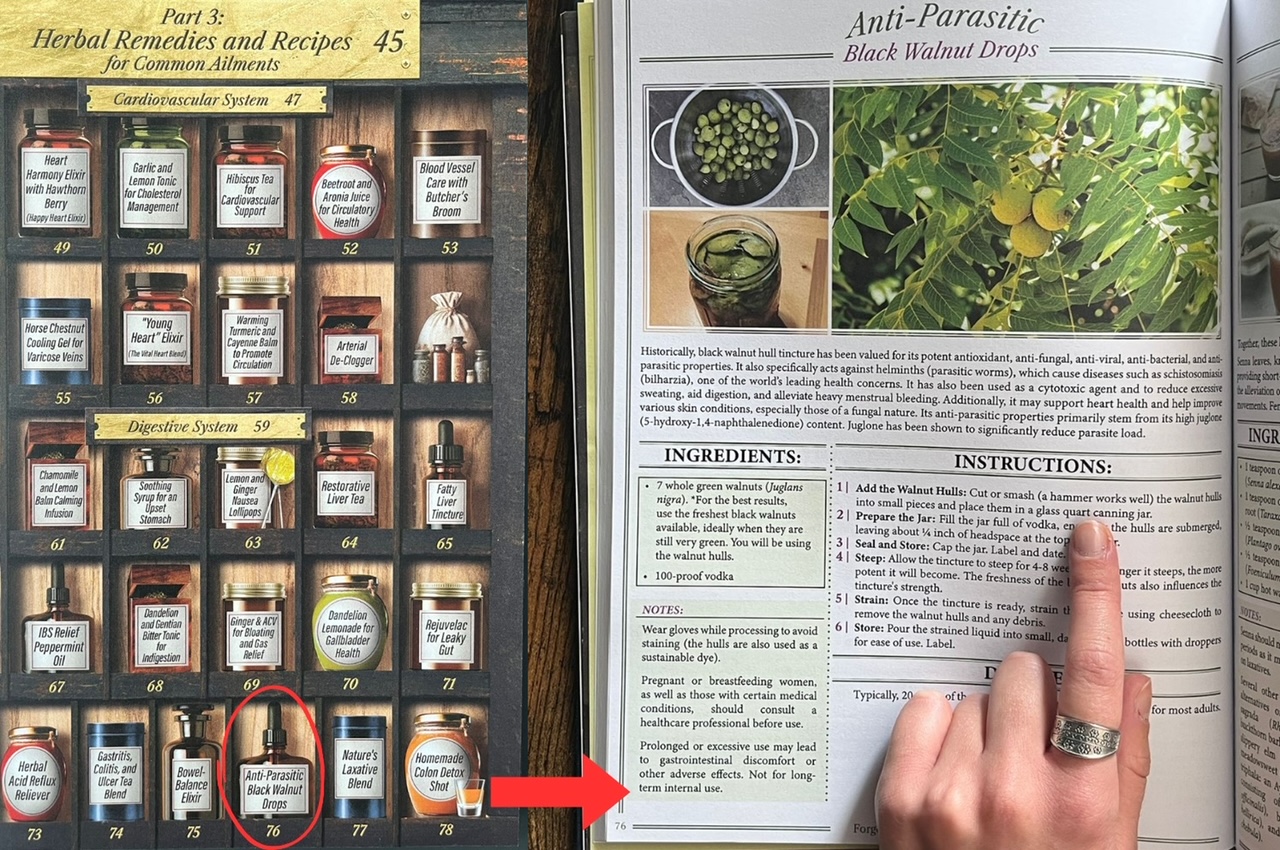
Have you ever wanted to learn more about herbal medicine, but didn’t know where to begin? My latest book, The Forgotten Home Apothecary is an excellent resource for those just starting their herbalism journey as well as for individuals who are experienced and would like to deepen their knowledge. I specifically wrote this book to utilize readily available ingredients and plants to treat a wide range of common ailments, from oxymels to heavy metal detoxification, personal care products, and much more!
With these simple, DIY remedies, you can stock your herbal medicine chest and be prepared for any illness in case pharmaceuticals and/or first aid supplies are unavailable — or if you just want to make your own herbal medicine, as I do. This is knowledge commonly used by our ancestors that has been largely forgotten in our modern age. I’m here to change that! Tap the link below to learn more.
Begin Your Journey
Nicole Apelian
Actions Steps & FAQs
Action Steps
- Prioritize dietary balance rather than eliminating entire food groups or nutrients.
- Include fiber-rich whole foods to support a diverse, thriving gut microbiome.
- Add fermented foods to help maintain healthy levels of beneficial bacteria.
- Maintain consistent meal timing to support glucose regulation and metabolism.
- Consider an extra level of support with Nicole's Apothecary Balanced Gut Blend and Liver Blend.
FAQ
Does eliminating all sugar improve gut health?
Not necessarily. New research found that completely removing sucrose from a low-fat diet disrupted the gut microbiome, reducing beneficial bacteria like Lactobacillus murinus and increasing pro-inflammatory bacteria.
Can a zero-sugar or carnivore diet raise diabetes risk?
The study found that a sucrose-free diet led to impaired glucose control and reduced insulin sensitivity — both risk factors for type II diabetes — despite eliminating sugar entirely.
Is there a link between zero-sugar diets and fatty liver disease?
Yes. Researchers observed early warning signs of fatty liver disease and liver inflammation in the group following a completely sucrose-free diet.
Is balanced nutrition better than eliminating sugar completely?
According to the research, yes. Experts note that healthy eating depends on overall dietary patterns rather than eliminating a single nutrient or food group.
Nicole's Apothecary Products in this Post
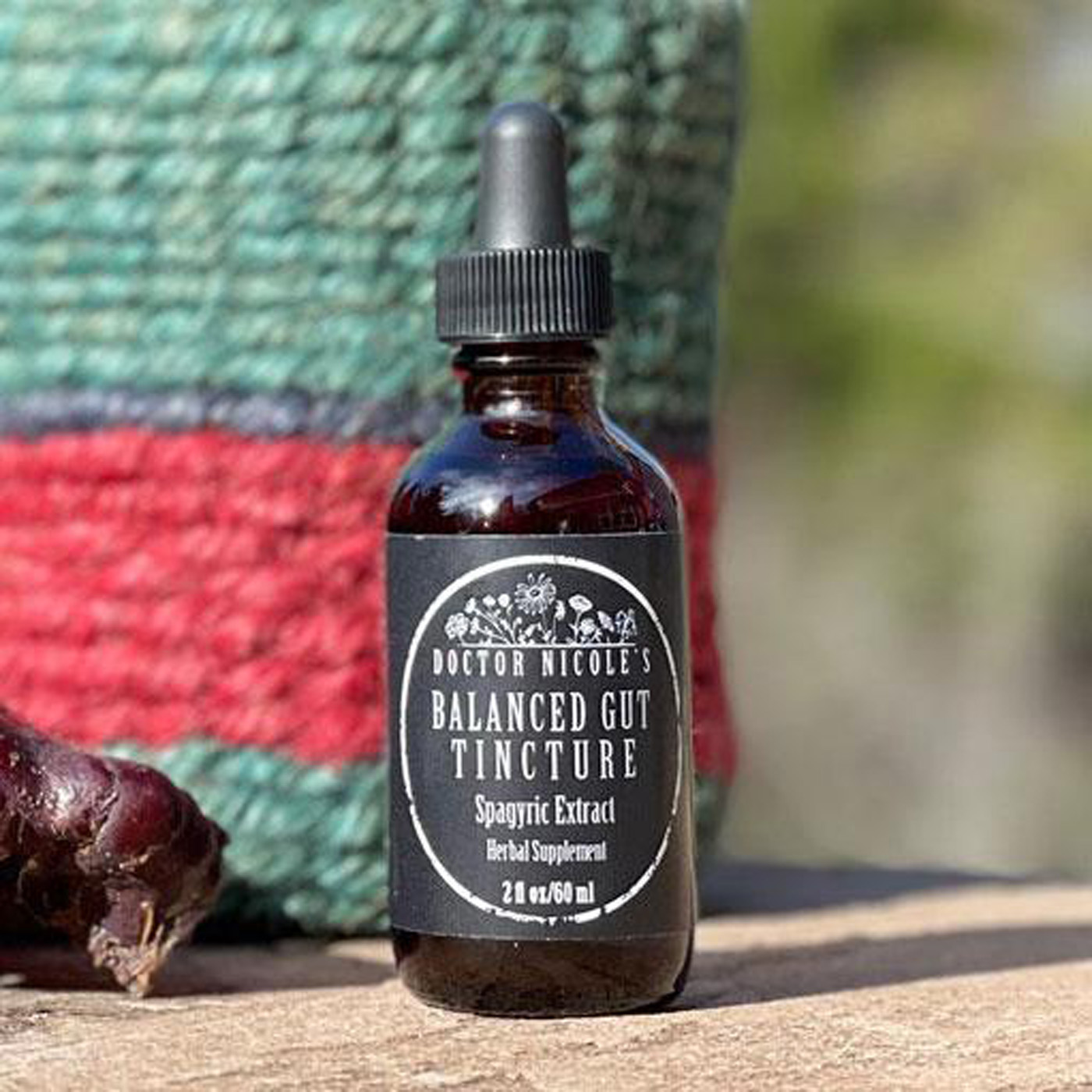
Balanced Gut Blend Tincture
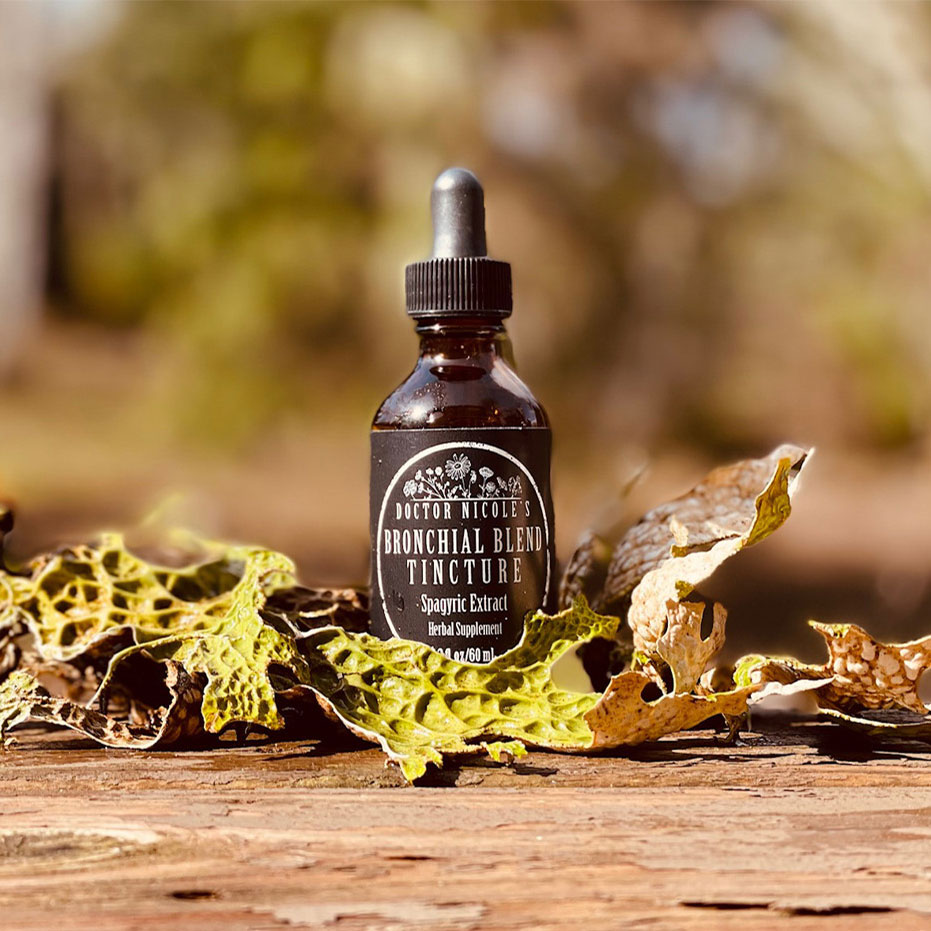
Bronchial Blend Tincture
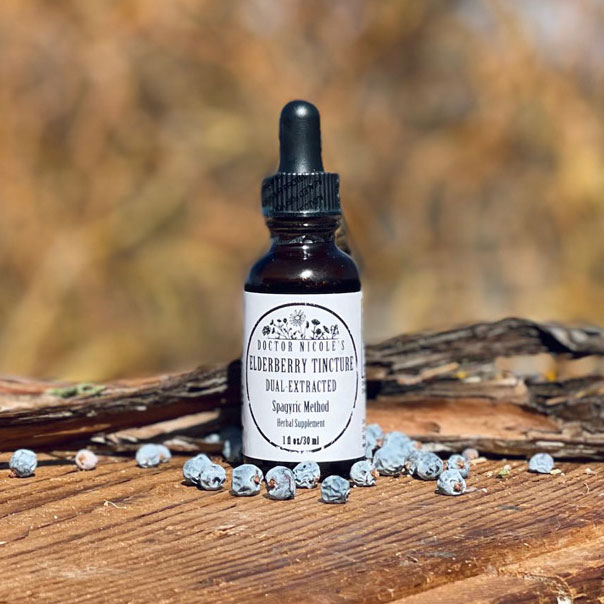
Dual-Extracted Elderberry Tincture
Heart, Blood Pressure & Blood Sugar Bundle

Menopause Blend Tincture
References
- Liquorice root found to contain anti-diabetic substance, Max Planck Institute, April 17, 2012. https://www.mpg.de/5612351/amorfrutins_diabetes
- Yang L, Jiang Y, Zhang Z, Hou J, Tian S, Liu Y. The anti-diabetic activity of licorice, a widely used Chinese herb. J Ethnopharmacol. 2020 Dec 5;263:113216. doi: 10.1016/j.jep.2020.113216. Epub 2020 Aug 5. PMID: 32763420.
- Zhang Y, Xu Y, Zhang L, Chen Y, Wu T, Liu R, Sui W, Zhu Q, Zhang M. Licorice extract ameliorates hyperglycemia through reshaping gut microbiota structure and inhibiting TLR4/NF-κB signaling pathway in type 2 diabetic mice. Food Res Int. 2022 Mar;153:110945. doi: 10.1016/j.foodres.2022.110945. Epub 2022 Jan 10. PMID: 35227470.
- Alrefaei, Abdulmajeed F, and Mohamed E Elbeeh. “Hepatoprotective Effects of Glycyrrhiza glabra in Diabetic Male Rats: Addressing Liver Function, Oxidative Stress, and Histopathological Changes.” Biology vol. 14,3 307. 18 Mar. 2025, doi:10.3390/biology14030307