

Your Morning Habit Just Got a Whole Lot Healthier
For coffee lovers, the research just keeps getting better. A new study from University College Cork, Ireland — one of the first of its kind — has established a direct link between regular coffee consumption and improved mood, lower stress levels, and beneficial changes to the gut microbiota. Far from being a guilty pleasure, according to these findings, enjoying your morning brew may just be one of your most healthy habits!
Coffee, The Gut Microbiome, & You
Published in the journal Nature Communications, researchers established the positive effects of coffee on the microbiota-gut-brain axis for the first time.2 The core finding revealed how regular consumption of the drink impacts the gut microbiome, which in turn influences mood and stress levels.
While a relatively small study involving 31 coffee drinkers and 31 non-coffee drinkers, the findings are encouraging. Using data collected from psychological tests, caffeine, and food diaries, and stool and urine samples, the researchers were able to establish the positive correlation between regularly drinking coffee (between 3 to 5 cups per day) and lower perceived stress, depression, and anxiety. Participants reported an overall improvement in mood — regardless of caffeine content.
Interestingly, only those in the decaf group experienced a notable improvement in learning and memory, which suggests other compounds other than caffeine are responsible for the benefits. The researchers suspect polyphenols are the likely reason.
Caffeinated coffee was found to have distinct perks as well — such as less anxiety, sharper focus, and lower inflammation. A 2025 review also established that moderate consumption of regular coffee reduces depression, anxiety, and sleep disorders — although the team was unclear as to the mechanism at work.5
"Our findings reveal the microbiome and neurological responses to coffee, as well as their potential long-term benefits for a healthier microbiome. Coffee may modify what microbes do collectively, and what metabolites they use. As the public continues to think about dietary changes for the right digestive balance, coffee has the potential to also be harnessed as a further intervention as part of a healthy balanced diet," says corresponding author of the study, Professor John Cryan.
He adds, "Coffee is more than just caffeine—it's a complex dietary factor that interacts with our gut microbes, our metabolism, and even our emotional well-being. Our findings suggest that coffee, whether caffeinated or decaffeinated, can influence health in distinct but complementary ways."1
A previous study in 2024 also noted the beneficial effects of coffee on the microbiota — specifically the growth of a gut bacterium by the name of Lawsonibacter asaccharolyticus.3 It's known to produce butyrate, an important compound for health. The researchers examined metabolites in the blood of 200 participants after drinking coffee and found an increase in quinic acid as well, which is a subgroup of polyphenols that have antioxidant and anti-inflammatory properties.
Moreover, an older study also found a positive correlation between drinking coffee with lower levels of depression and anxiety, although the precise reason wasn't clear nor did it examine the difference between decaf and regular coffee.4
Quality Matters
It's important to note that the quality of coffee is crucial to avoid ingesting health-harming toxins that can override any benefits. Conventional coffee is a high pesticide crop — seek out certified organic beans and, if possible, fair-trade, bird-friendly brands to help protect the environment and workers.
Try to avoid coffee pods and coffee makers where hot water comes in contact with plastic or aluminum. I recommend exploring pour-over, stainless steel, or French press options to avoid toxins — you may be pleasantly surprised by a better-tasting brew as well.
Herbal Solutions for Anxiety, Stress, and Depression
Herbal remedies are an excellent way to boost gut health and soothe stress, anxiety, and depression too — they’re an outstanding addition to your coffee ritual. Here are my favorite blends for these purposes.
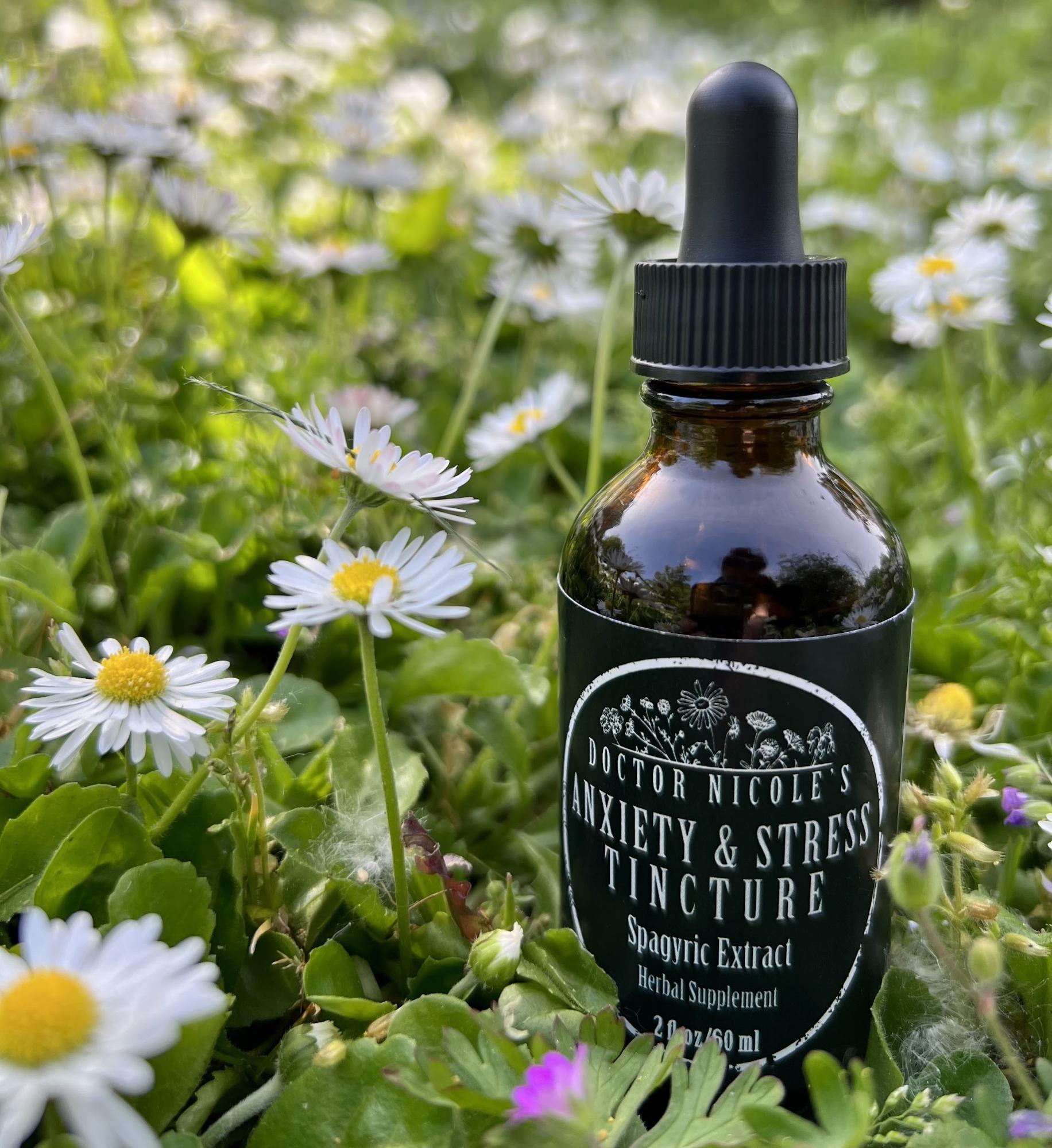
If your days lean towards overwhelm, our Anxiety & Stress Blend helps the body adapt to stress and calms the nervous system, while easing anxiety, depression, and stress-related sleep issues. What’s more, it supports cognitive function and cools inflammation for optimal brain health.
Stress Adaptation & Mood Balance
Helps regulate the stress response, calm inflammation, support hormone balance, and ease anxiety, low mood, and mental fatigue.
Nervous System Calm & Relaxation
Soothes anxious thoughts, encourages GABA production, supports emotional balance, and helps improve stress-related sleep quality.
Cognitive & Nerve Support
Supports focus, memory, and mental clarity while encouraging nerve growth factor (NGF) for long-term brain and nervous system health.
Clean Energy
More restorative sleep during times of stress. Boosts stamina, vitality, and respiratory performance.
MY GO-TO BLEND FOR REAL STRESS RELIEF
“So nice to have a natural way to relax without prescriptions! Love it!! I will be buying more!!” -Christine
Find Your Calm Today
Heal Your Gut, Balance Your Mood
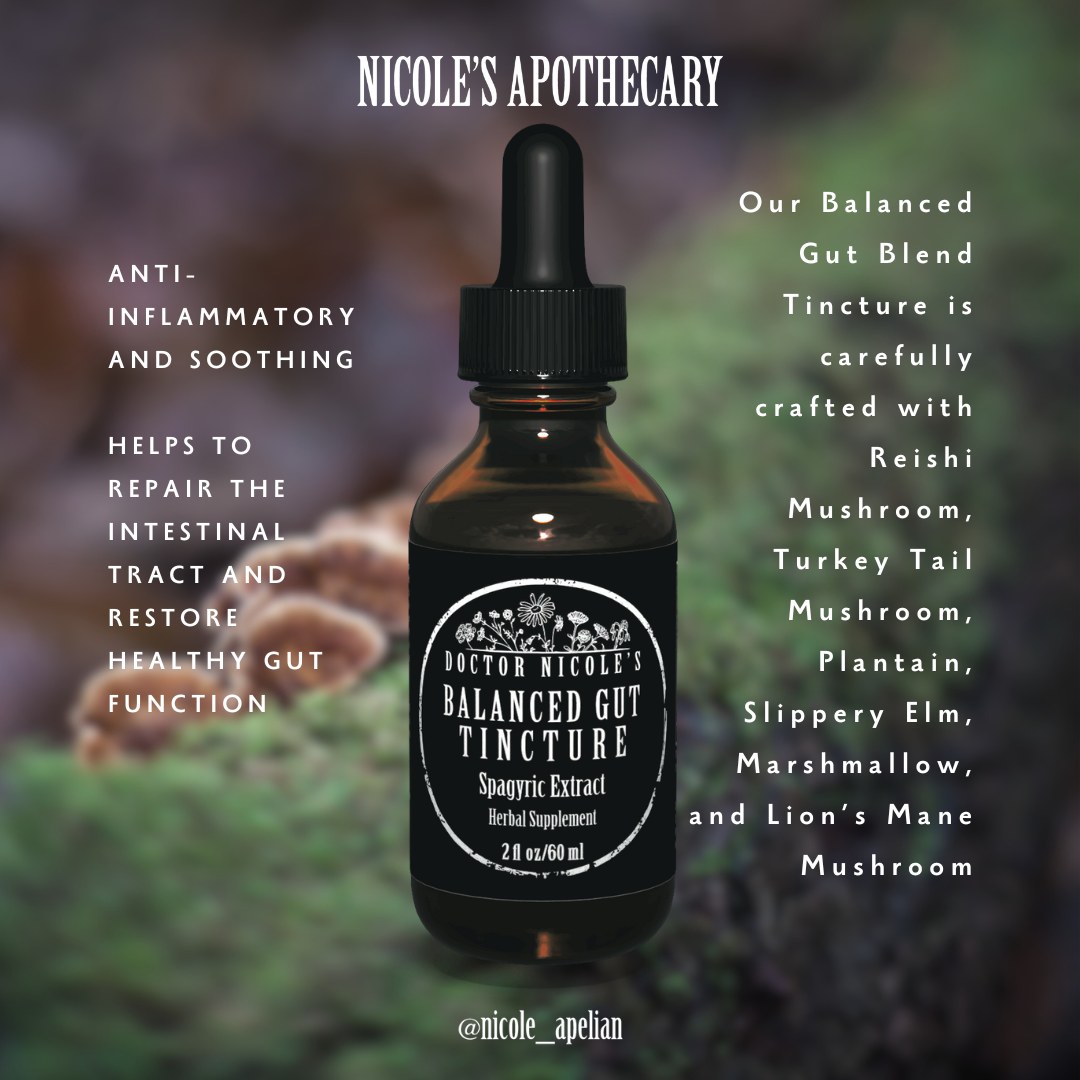
To build a solid foundation for a healthy microbiome-gut-brain connection that supports a brighter outlook and calm mood, we believe there is no better formulation than our Balanced Gut Blend. It contains anti-inflammatory and soothing herbs that help to support the intestinal tract and healthy gut function, including:
Turkey Tail → Microbiome Support
Helps nourish beneficial gut bacteria and supports a healthy digestive ecosystem.
Reishi → Inflammatory Balance
Supports immune balance and helps calm inflammatory responses in the gut.
Slippery Elm & Marshmallow → Gut Lining Support
Soothing, demulcent herbs that help protect and calm the intestinal lining.
Lion’s Mane → Gut–Brain Connection
Supports communication between the gut and nervous system for long-term digestive resilience.
THIS BLEND WORKED WHERE OTHERS FAILED
“I developed IBS-D, which altered my going places and eating foods I loved. I did a lot of research and tried many things to no avail, until I stumbled onto Nicole's website. This [Balanced Gut Blend] is the first I have tried [that worked] and I immediately felt something going on in my gut that was unusual, so I went along with it. Until I got up in the morning to find some real normalcy. The next day and the next day. To this day I haven't had one episode, not one.” -Robertine M.
Heal Your Gut Now
Nicole Apelian
Actions Steps & FAQs
Action Steps
- Prioritize dietary balance rather than eliminating entire food groups or nutrients.
- Include fiber-rich whole foods to support a diverse, thriving gut microbiome.
- Add fermented foods to help maintain healthy levels of beneficial bacteria.
- Maintain consistent meal timing to support glucose regulation and metabolism.
- Consider an extra level of support with Nicole's Apothecary Balanced Gut Blend and Liver Blend.
FAQ
Does eliminating all sugar improve gut health?
Not necessarily. New research found that completely removing sucrose from a low-fat diet disrupted the gut microbiome, reducing beneficial bacteria like Lactobacillus murinus and increasing pro-inflammatory bacteria.
Can a zero-sugar or carnivore diet raise diabetes risk?
The study found that a sucrose-free diet led to impaired glucose control and reduced insulin sensitivity — both risk factors for type II diabetes — despite eliminating sugar entirely.
Is there a link between zero-sugar diets and fatty liver disease?
Yes. Researchers observed early warning signs of fatty liver disease and liver inflammation in the group following a completely sucrose-free diet.
Is balanced nutrition better than eliminating sugar completely?
According to the research, yes. Experts note that healthy eating depends on overall dietary patterns rather than eliminating a single nutrient or food group.
Nicole's Apothecary Products in this Post
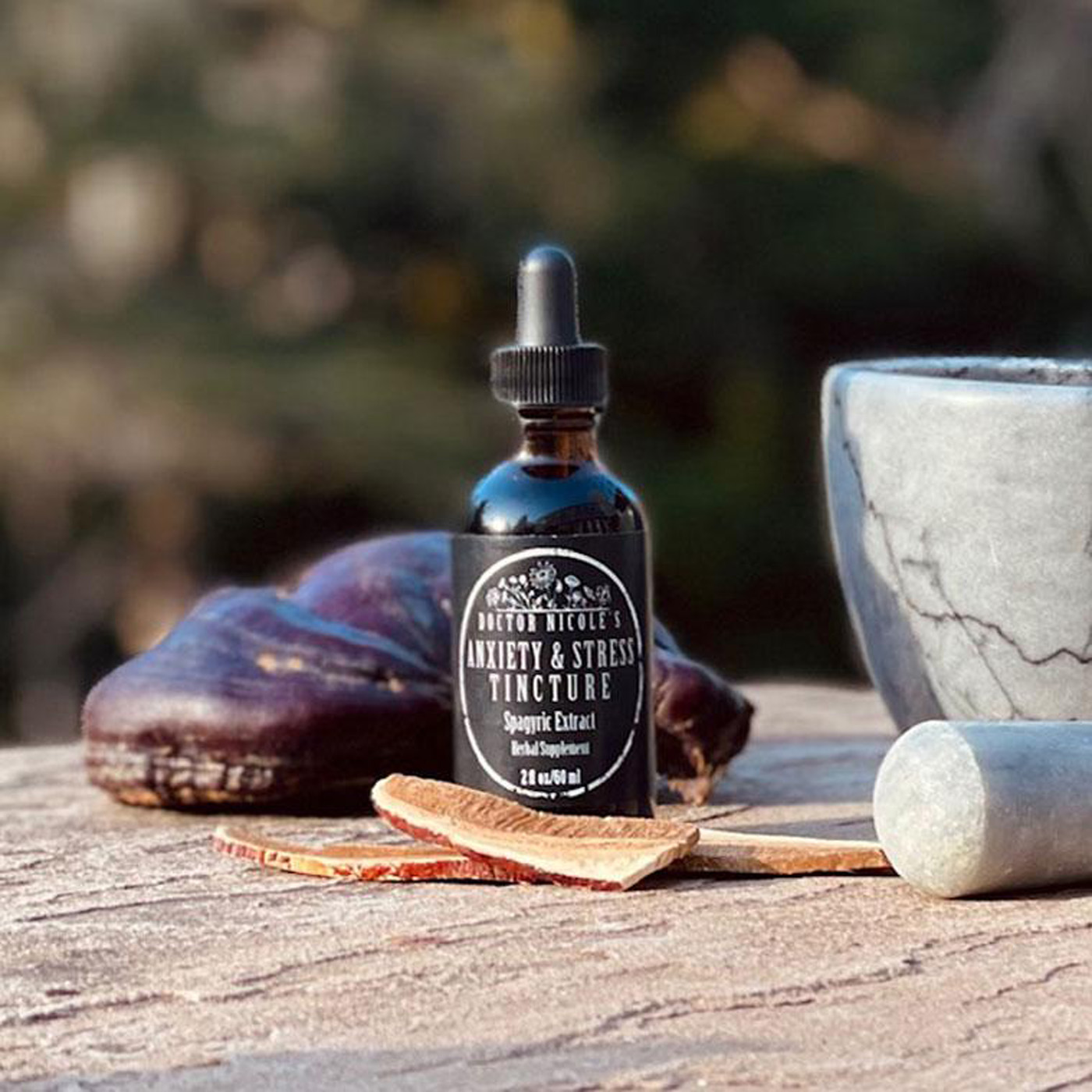
Anxiety & Stress Tincture
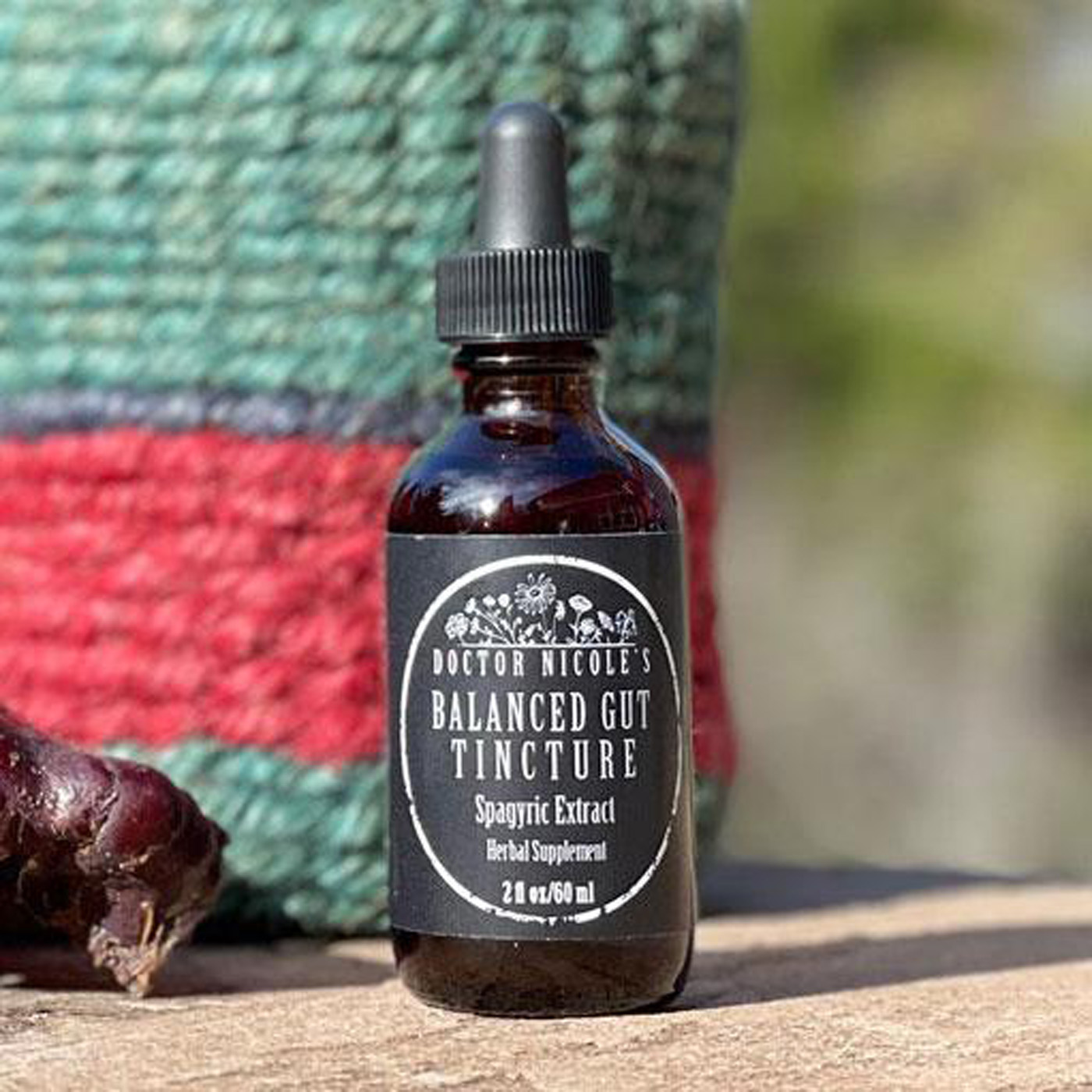
Balanced Gut Blend Tincture
References
- "How coffee reshapes the gut-brain axis and lifts mood—even without caffeine" Stephanie Baum, reviewed by Robert Egan, MedicalXpress, April 21, 2026. https://medicalxpress.com/news/2026-04-coffee-reshapes-gut-brain-axis.html
- Boscaini, S., Bastiaanssen, T.F.S., Moloney, G.M. et al. Habitual coffee intake shapes the gut microbiome and modifies host physiology and cognition. Nat Commun 17, 3439 (2026). https://doi.org/10.1038/s41467-026-71264-8
- Manghi, P., Bhosle, A., Wang, K. et al. Coffee consumption is associated with intestinal Lawsonibacter asaccharolyticus abundance and prevalence across multiple cohorts. Nat Microbiol 9, 3120–3134 (2024). https://doi.org/10.1038/s41564-024-01858-9
- Min J, Cao Z, Cui L, Li F, Lu Z, Hou Y, Yang H, Wang X, Xu C. The association between coffee consumption and risk of incident depression and anxiety: Exploring the benefits of moderate intake. Psychiatry Res. 2023 Aug;326:115307. doi: 10.1016/j.psychres.2023.115307. Epub 2023 Jun 17. PMID: 37352747.
- Shi, Zijun et al. “Exploring the Impact and Mechanisms of Coffee and Its Active Ingredients on Depression, Anxiety, and Sleep Disorders.” Nutrients vol. 17,19 3037. 24 Sep. 2025, doi:10.3390/nu17193037