

A Tiny Organism With Major Health Impacts
Infecting the liver, gallbladder, and bile ducts, liver fluke helminths are parasites that are often present in uncooked or undercooked freshwater fish, aquatic plants like watercress, and contaminated water. They can also be found on vegetables washed or irrigated with water that contains the parasite. If left unchecked, the infection can cause serious problems down the road — including cancer and fatty liver disease. Once the liver is compromised, this can lead to mental health issues such as depression, anxiety, mood swings, personality changes, and more. In this post, we explore how you can become infected with the parasite, symptoms, the physical and mental health consequences, and treatment options to clear the infection.
Who is at risk for liver flukes?
While infection rates tend to be relatively low in the United States and Canada, F. hepatica is found on every continent except Antarctica, with high human infection rates in Puerto Rico, Bolivia, Peru, and Portugal. F. gigantica thrives in tropical regions — including Hawaii. Human infections of O. felineus have been reported in Russia, Belarus, Ukraine, Kazakhstan, Germany, and Italy, while C. sinensis is found in China, South Korea, Taiwan, Vietnam, and Russia. Those who live in Thailand, Laos, Cambodia, and Vietnam have a higher risk of contracting O. viverrini.
Liver flukes are not spread from person to person (they aren't contagious), but if you travel or live in the areas mentioned above, you have a higher risk of contracting the parasite if you are exposed to contaminated water through uncooked vegetables, brushing your teeth, or drinking water/ice cubes. Raw or undercooked fish — including smoked, pickled, or salted fish — also increases the chances of infection, as does eating raw watercress or other water plants that may be contaminated.
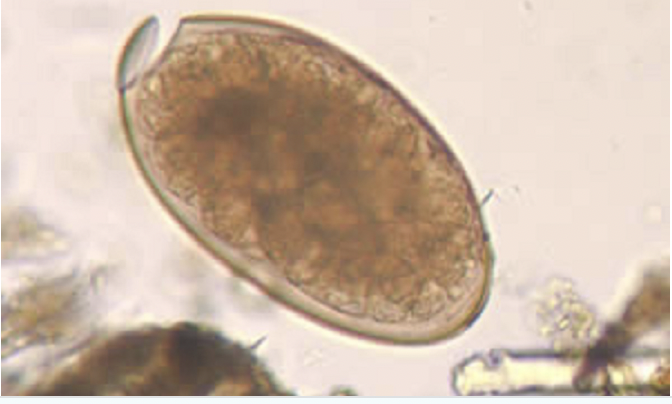
Image source: Centers for Disease Control
What are the symptoms of "sickness behavior" with a liver fluke infection?
Researchers have found that O. felineus helminths promote the release of pro-inflammatory cytokines, negatively impact the spleen and adrenal glands, and trigger anxiety and depression-like behavior in animal models.2 The team believes the parasite significantly disrupts the normal functioning of the liver-brain axis, which subsequently increases inflammation (including neuroinflammation) that affects behavior.
Other research has shown a direct correlation between an untreated infection with the development of non-alcoholic fatty liver disease (NAFLD) — particularly when the patient eats a high-fat, high-fructose diet.3 Once the liver is compromised, it can lead to a host of health issues, such as anxiety, depression, mood swings, memory loss, disrupted sleep, and personality changes. Another systematic review found that "individuals [were] four times more likely to develop a mental illness when testing positive for a parasite infection."5
Physical symptoms of a liver fluke infection may include:
- Fever
- Chills
- Rash
- Nausea
- Vomiting
- Abdominal pain
- Diarrhea
- Constipation
- Shortness of breath
Once the cysts of young worms (larvae) are ingested, they open in the digestive tract and migrate to the liver, gallbladder, and bile duct. If not addressed, they can also travel to the brain, pancreas, lungs, skin, urinary tract, and eyes.
How do doctors check for liver flukes?
A liver fluke infection can be diagnosed in several ways, including:
- Stool tests
- Blood test establishing antibodies, liver function, and elevated eosinophils
- Ultrasound, CT scan, or MRI
- Liver biopsy
If left untreated, liver flukes can cause serious damage to your liver, gall bladder, and bile duct — and may develop into bile duct cancer (cholangiocarcinoma).
What is the best remedy for liver flukes?
Conventional medicine recommends a short course of anti-parasitic medication for up to seven days with one of the following:6
- Triclabendazole (Fasciola infections)
- Praziquantel (Opisthorchis and Clonorchis infections)
- Albendazole (Opisthorchis and Clonorchis infections)
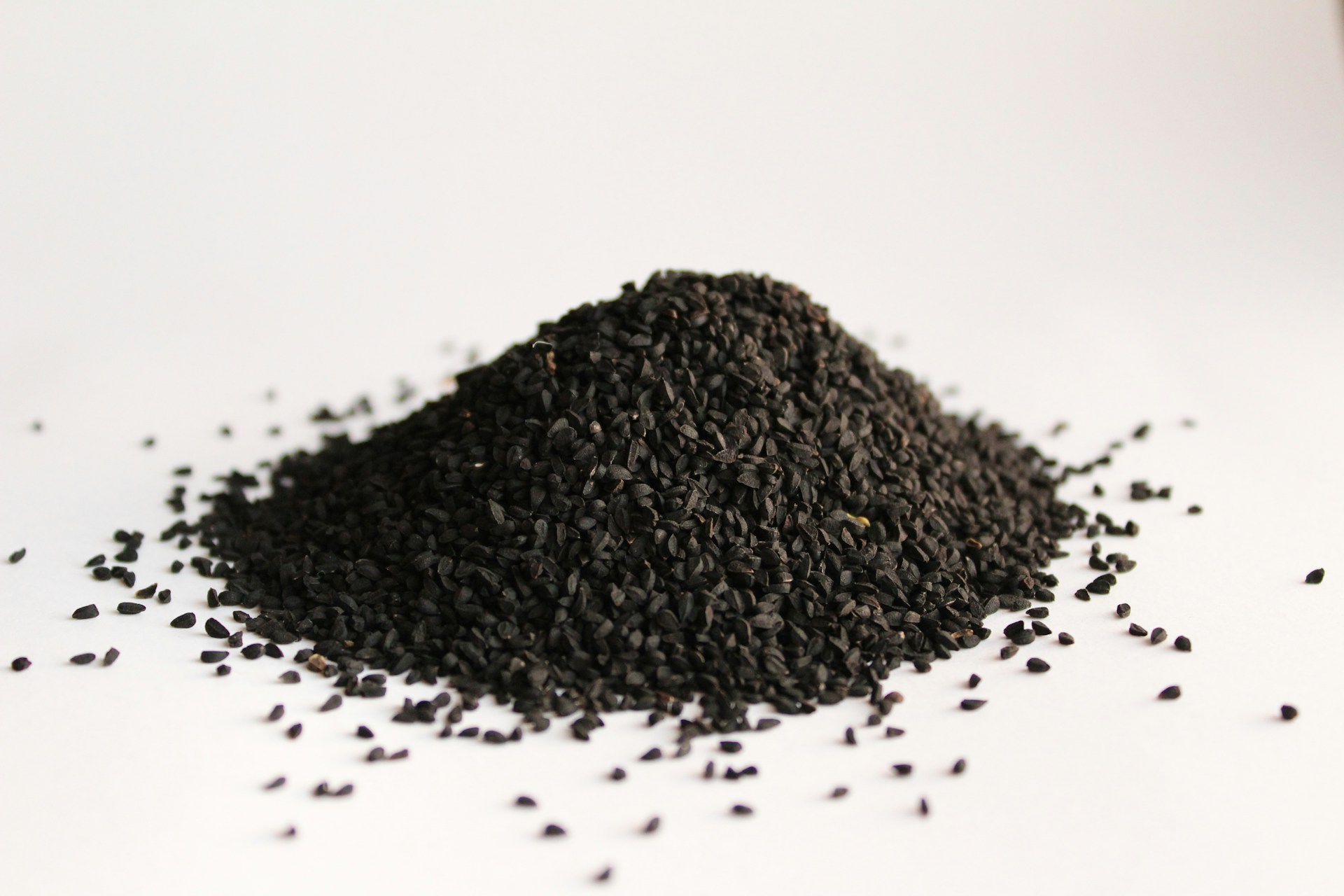
However, scientists are finding these drugs are becoming less effective over time as the parasite develops resistance. Research has found that two natural compounds, curcumin and thymoquinone (found in black seed oil), inhibit worm motility while disrupting their detoxification and invasive activity, leading the team to conclude that "both curcumin and thymoquinone appeared to be promising molecules for further investigations on their anthelmintic potential."7 Another study established that the essential oil of cumin was also effective against liver flukes (Fasciola hepatica).1
Simple Action Steps to Prevent Liver Fluke Infections
- Avoid raw watercress and other uncooked aquatic plants.
- Skip raw or undercooked freshwater fish — even smoked, pickled, or lightly salted.
- Cook all fish to the FDA’s recommended safe temperature.
- Wash, peel, or fully cook vegetables before eating.
- Use bottled water for drinking and cooking in areas with poor sanitation.
- Keep pond, marsh, or floodwater out of your mouth and nose.
What Helps the Liver to Heal Naturally? Top Herbs Backed by Research
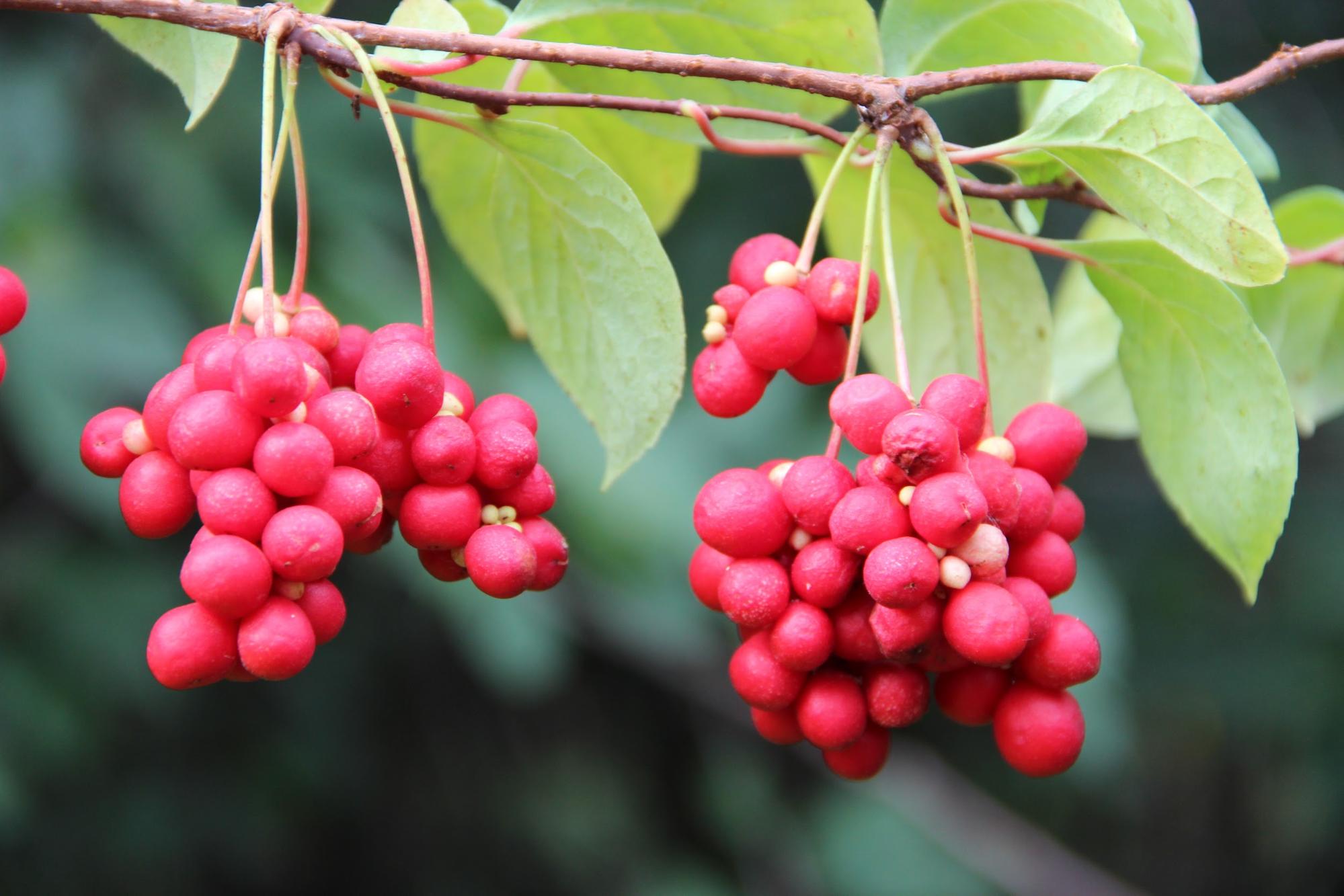
If you are seeking a simple, natural way to keep your liver functioning at its best, our powerful Liver Support Blend brings together dandelion root, milk thistle seed, and schisandra berries for research-backed liver protection and whole-body wellness.
Dandelion root helps calm liver inflammation, flush out toxins, and support a healthy gut microbiome with its inulin-rich profile. Milk thistle seed adds an extra layer of defense with silymarin, a compound known to promote liver repair, support detoxification, and aid conditions like fatty liver and cirrhosis. Schisandra berries round out the formula by encouraging liver regeneration, supporting healthy lipid metabolism, and offering benefits for brain, kidney, and digestive health. Together, these herbs create a gentle but effective daily blend that supports detoxification, nurtures liver resilience, and even boosts mood and mental clarity by reducing inflammation throughout the body.

Whether you are healing from a past liver fluke infection or would like to take proactive steps to protect and nurture your liver, this clinically-informed, all-natural blend is an outstanding option. Stop by Nicole's Apothecary today and experience the difference our herbal medicines can make!
FAQ: Liver Flukes, Symptoms, Diagnosis, and Natural Support
How do people get liver flukes?
People become infected by eating raw or undercooked freshwater fish, water plants like watercress, or through contaminated water used for drinking, brushing teeth, or washing produce.
What are common symptoms of a liver fluke infection?
Liver flukes can trigger fever, chills, rash, nausea, vomiting, abdominal pain, diarrhea, constipation, and breathing difficulty. They also increase inflammation that may contribute to mood changes, anxiety, depression, and disrupted sleep.
Can liver flukes affect mental health?
Yes. Research shows liver fluke infections can inflame the liver-brain axis, raising the risk of anxiety, depression, memory issues, and personality changes. Untreated infections may also increase the likelihood of developing non-alcoholic fatty liver disease (NAFLD), which further impacts mental wellness.
How do doctors diagnose liver fluke infections?
Diagnosis may include a stool test, bloodwork that checks antibodies and liver function, imaging tools like ultrasound or CT scan, or — rarely — a liver biopsy.
What is the standard treatment for liver flukes?
Doctors typically prescribe antiparasitic medications such as triclabendazole, praziquantel, or albendazole. Because resistance is increasing, researchers are investigating natural compounds like curcumin, thymoquinone, and the essential oil of cumin as promising options.
Are there natural herbs that support liver healing after infection?
Research-backed herbs like dandelion root, milk thistle seed, and schisandra berries help calm inflammation, support detoxification, and encourage liver regeneration. These are the key ingredients in Nicole’s Apothecary Liver Support Blend, designed to strengthen liver function and support the body’s detox pathways.
Nicole Apelian
Nicole's Apothecary Products in this Post
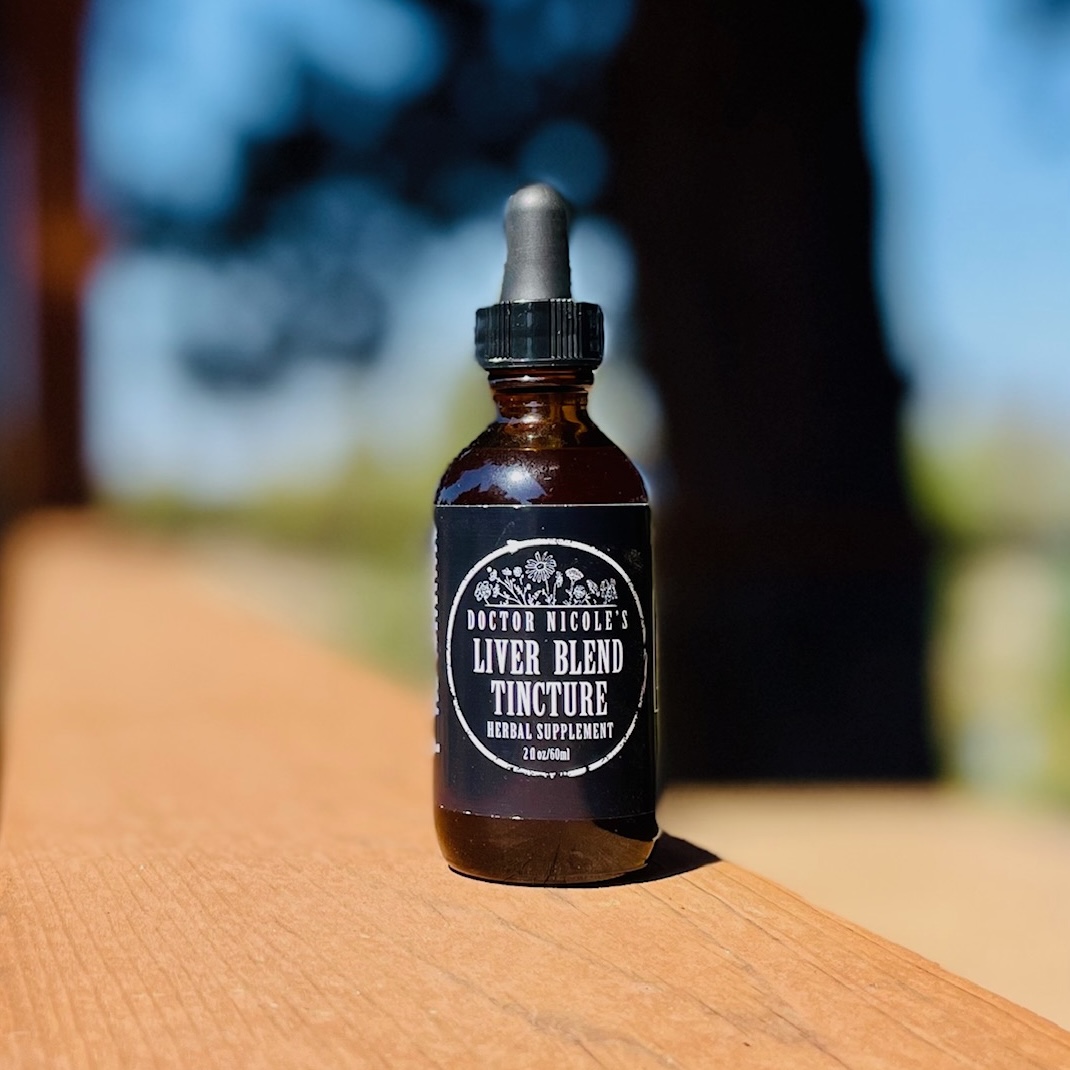
Liver Blend Tincture
References
- Strothmann, Adriane Leites et al. “Antiparasitic treatment using herbs and spices: A review of the literature of the phytotherapy.” Brazilian journal of veterinary medicine vol. 44 e004722. 11 Sep. 2022, doi:10.29374/2527-2179.bjvm004722
- Avgustinovich, Damira F et al. “Behavioral effects and inflammatory markers in the brain and periphery after repeated social defeat stress burdened by Opisthorchis felineus infection in mice.” Physiology & behavior vol. 252 (2022): 113846. https://www.sciencedirect.com/science/article/abs/pii/S0031938422001524
- Chaidee, Apisit et al. “Opisthorchis viverrini Infection Augments the Severity of Nonalcoholic Fatty Liver Disease in High-Fat/High-Fructose Diet-Fed Hamsters.” The American journal of tropical medicine and hygiene vol. 101,5 (2019): 1161-1169. doi:10.4269/ajtmh.19-0442
- "The Surprising Link Between the Liver and Mental Health" by Thomas Rutledge PhD, Psychology Today, June 17, 2023. https://www.psychologytoday.com/us/blog/the-healthy-journey/202304/feeling-stressed-it-might-be-your-liver-calling
- "The impact of parasite infection on mental illness" by Alexandra R. Lampard-Scotford, Cambridge Core Blog, August 23, 2022. https://www.cambridge.org/core/blog/2022/08/23/the-impact-of-parasite-infection-of-mental-illness/
- Liver Fluke, Cleveland Clinic. https://my.clevelandclinic.org/health/diseases/liver-fluke
- Ullah, Rizwan et al. “Anthelmintic Potential of Thymoquinone and Curcumin on Fasciola gigantica.” PloS one vol. 12,2 e0171267. 2 Feb. 2017, doi:10.1371/journal.pone.0171267