

A Tiny Microbe That Could Shape Your Weight
Could the bacteria in your gut influence the foods you crave, trigger the production of GLP-1 anti-obesity hormone, and make or break your weight loss goals? Absolutely — and scientists may have isolated the microbe that’s responsible for these feats: Bacteroides vulgatus. Not only does it influence food behavior, but it also plays a role in reducing neuroinflammation and the risk of metabolic disorders. A tall order for a tiny bacterium. Let’s take a look at the fascinating research behind this small but mighty microbe and how to boost these beneficial bacteria in the gut to help shed health-harming excess weight.
The Science Behind Sugar Cravings: It Begins in the Gut
We may not have as much control over food cravings as we think. Small bacteria in the gut are influencing us behind the scenes in ways that may seem more science fiction than fact. Yet researchers have discovered that the gut microbiome exerts incredible influence over our food behaviors by shaping dopamine neurotransmission associated with food reward.1,2 What’s more, “bad” gut bacteria are involved in triggering inflammation and contribute to food-reward dysregulation, furthering our preference towards highly palatable food.1
Interestingly, the lining of our gut has receptors that modulate the metabolites produced by the microbiome that, in turn, influence our sugar cravings — for better or worse. This is where Bacteroides vulgatus enters the scene. Researchers have established that the intestinal free fatty acid receptor 4 (Ffar4) regulates the level of these bacteria in the gut. Why is this important? Because B. vulgatus produces vitamin B5 (pantothenic acid), which promotes the release of GLP-1 in the gut and FGF21 in the liver, and prompts the hypothalamus region of the brain to reduce sugar intake (and the cravings for it). One fascinating discovery in diabetic animal models and humans found that they have lower levels of B. vulgatus in their microbiome. Ultimately, it isn’t just GLP-1 that was responsible for lower sugar cravings, but also FGF21, indicating that both the brain-gut axis and liver-brain axis were involved.3 This research suggests that specific gut bacteria may influence sugar cravings, potentially encouraging higher intake of sugary foods — a pattern commonly linked to obesity.
The next question that may come to mind is how to ensure you have abundant levels of B. vulgatus in the gut to maintain a healthy weight and reduce sugar cravings. The answer may surprise you.
Action Step: Feeding B. vulgatus
If you want to support beneficial bacteria like Bacteroides vulgatus, focus on feeding your gut microbiome daily with the following foods: Aim for 25–35 grams of fiber from a wide variety of plant foods — think: beans, oats, leafy greens, berries, nuts, and cooked-then-cooled potatoes or rice for resistant starch; Add polyphenol-rich foods like green tea and extra virgin olive oil; and keep added sugars low. Consistency matters more than perfection. A diverse, plant-forward, fiber-fed microbiome creates the environment where helpful microbes such as B. vulgatus can thrive — and in turn calms cravings for sugar and highly palatable, processed foods. See this post for more strategies and tips.
Flourishing Gut and Microbiome Health
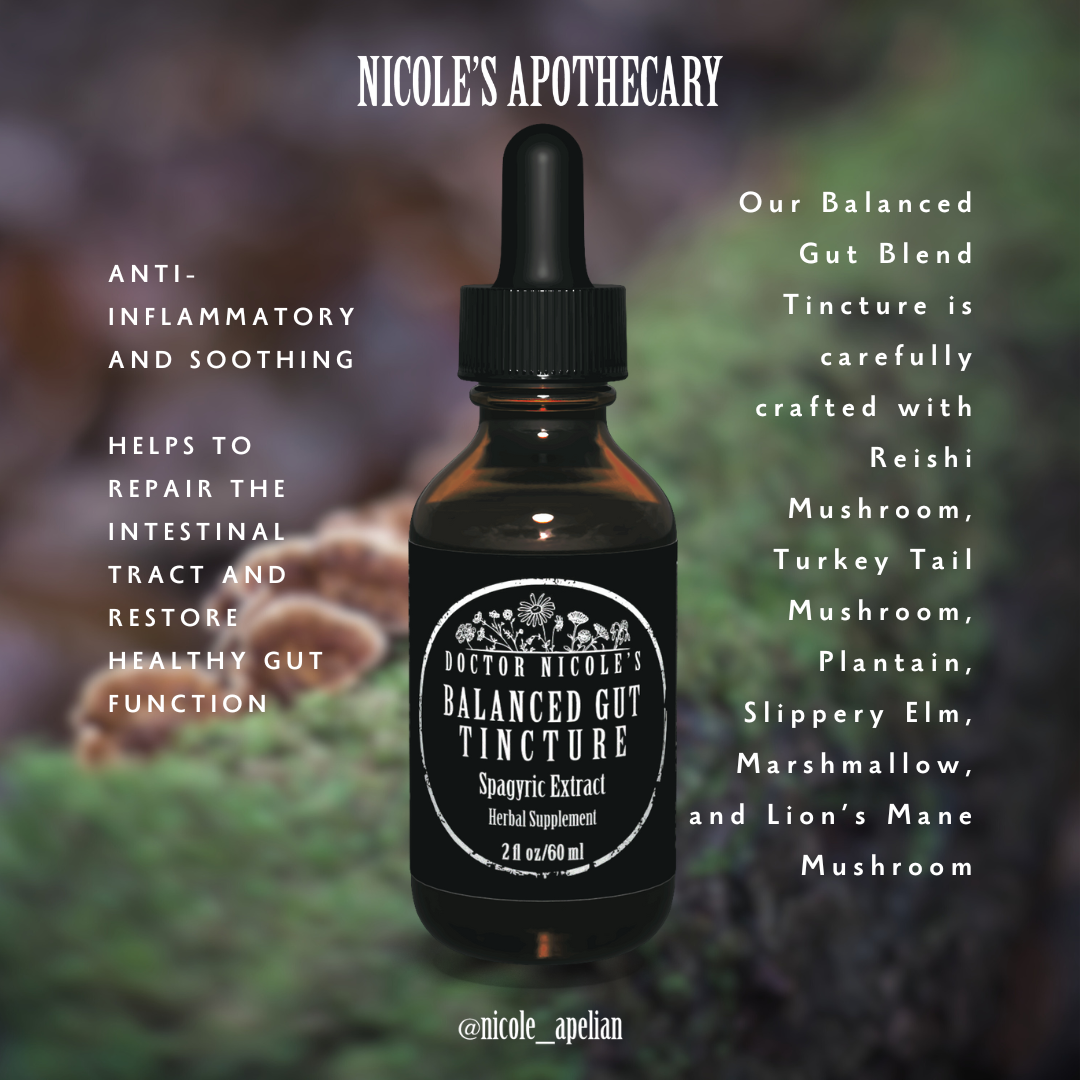
Medicinal herbs are also helpful for repairing the gut, cooling inflammation, and encouraging a robust microbiome. The top botanicals I recommend for these purposes are included in our Balanced Gut Blend: lion’s mane, turkey tail, and reishi medicinal mushrooms, along with plantain and marshmallow root. Here are the key benefits of each:
Turkey Tail → Microbiome Support
Helps nourish beneficial gut bacteria and supports a healthy digestive ecosystem.
Reishi → Inflammatory Balance
Supports immune balance and helps calm inflammatory responses in the gut.
Slippery Elm & Marshmallow → Gut Lining Support
Soothing, demulcent herbs that help protect and calm the intestinal lining.
Lion’s Mane → Gut–Brain Connection
Supports communication between the gut and nervous system for long-term digestive resilience.
I ABSOLUTELY LOVE THIS!
“My stomach used to be upset no matter what I did or ate. Now I have little to no problems.” -Tracey
For a comprehensive, research-informed approach to gut barrier integrity, microbial diversity, and inflammatory balance, add Nicole’s Apothecary Balanced Gut Blend to your daily health routine today!

FAQs
What is Bacteroides vulgatus?
Bacteroides vulgatus is a common gut bacterium that helps break down nutrients and may influence metabolism, inflammation, and food cravings.
How does it affect sugar cravings?
It produces vitamin B5, which helps stimulate hormones like GLP-1 and FGF21. These hormones signal the brain to reduce sugar intake and support appetite control.
What is GLP-1?
GLP-1 is a hormone that increases fullness and helps regulate blood sugar. Some weight loss medications, like Ozempic, work by mimicking this hormone.
Why are levels lower in people with metabolic issues?
Research has found reduced levels of B. vulgatus in individuals with obesity and diabetes, suggesting microbial imbalance may play a role in cravings and blood sugar dysregulation.
How can I support beneficial gut bacteria?
Focus on:
- 25–35 grams of fiber daily
- A wide variety of plant foods
- Resistant starch (cooled potatoes, rice, beans)
- Polyphenol-rich foods like green tea and olive oil
- Limiting added sugars
Include helpful herbal remedies – see Nicole’s Apothecary Balanced Gut Blend
Nicole’s Apothecary Products in this Post
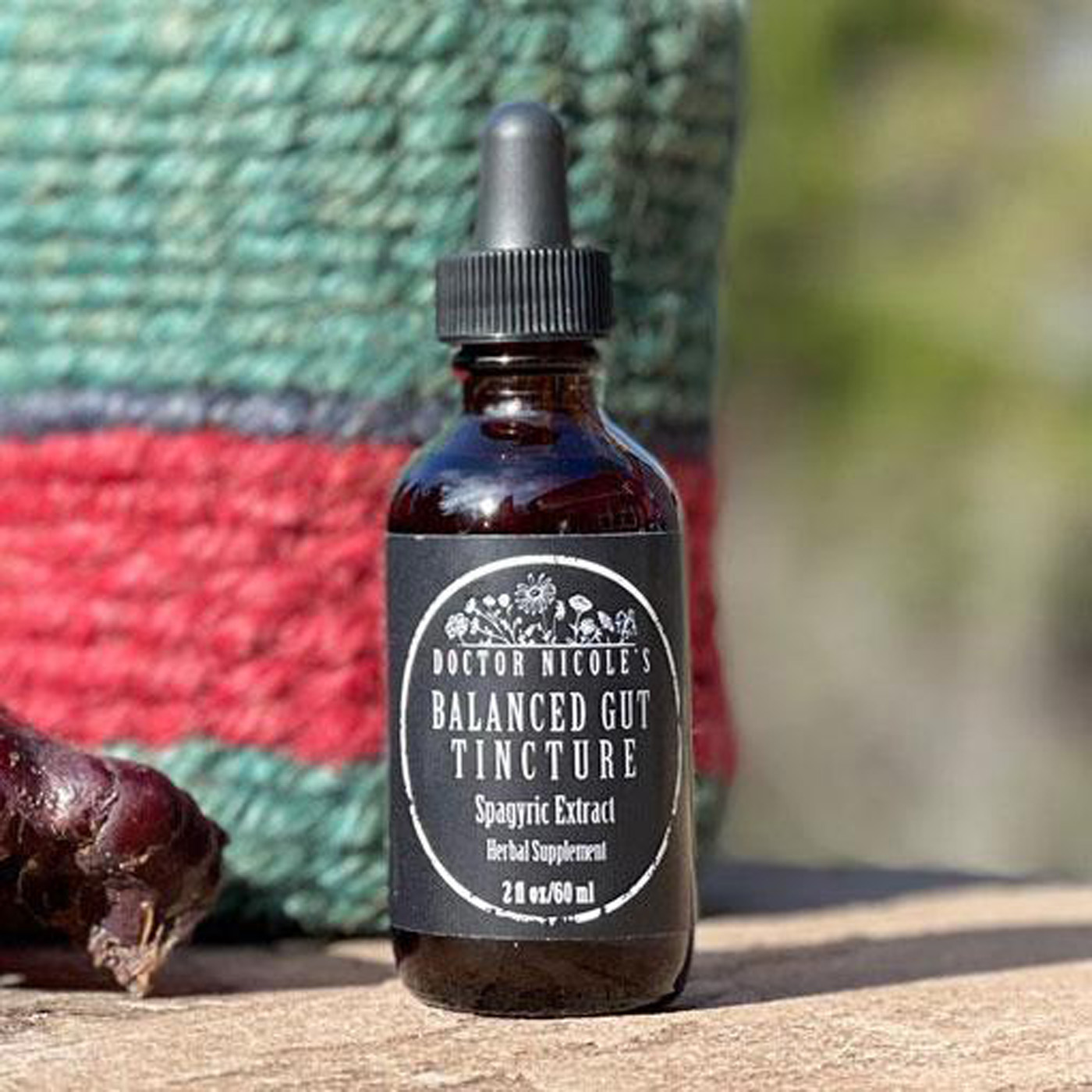
Balanced Gut Blend Tincture
References
- Huwart SJP, Fayt C, Gangarossa G, et al. TLR4-dependent neuroinflammation mediates LPS-driven food-reward alterations during high-fat exposure. J Neuroinflammation. 2024; 21(1):305. doi: 10.1186/s12974-024-03297-z.
- Kim JS, Williams KC, Kirkland RA, et al. The gut-brain axis mediates bacterial driven modulation of reward signaling. Mol Metab. 2023; 75:101764. doi: 10.1016/j.molmet.2023.101764.
- Zhang T, Wang W, Li J, et al. Free fatty acid receptor 4 modulates dietary sugar preference via the gut microbiota. Nat Microbiol. 2025; 10(2):348-361. doi: 10.1038/s41564-024-01902-8.