

Autoimmunity and the Risk of a Rapid Nerve Disease
Researchers have known for over a decade that those with a previously diagnosed autoimmune disorder tend to have an increased risk of developing amyotrophic lateral sclerosis (ALS) — particularly those with celiac disease, multiple sclerosis, myasthenia gravis, lupus, ulcerative colitis, Sjögren syndrome, and myasthenia gravis.1,3,4 Now, new research has found that amyotrophic lateral sclerosis itself may have an autoimmune component.
What is ALS?
A neurodegenerative disease caused by the progressive loss of motor neurons in the brain and spine, ALS is sometimes referred to as Lou Gehrig’s disease after the well-known baseball player was diagnosed with the disease in 1939. While the cause is unknown, scientists believe it is a combination of genetic and environmental factors — such as physical trauma, exposure to toxins, and viruses. A rare disease, it affects around 9 in every 100,000 people in the United States, with about 5,000 new cases diagnosed each year. It can arise at any age, but is more common between the ages of 50-75. It tends to be more common in men than women.2 Symptoms include:
- Muscle weakness in a foot, arm, and/or leg
- Muscle wasting, twitching, tightness, and stiffness (spasticity)
- Muscle cramps
- Unexplained weight loss
- Difficulty swallowing or chewing
- Slurred speech
- Breathing issues
- Falling episodes and excessive tripping
- Challenges with fine motor skills
- Drooling
- Unexpected crying or laughing spells
- Head droop, difficulty holding head up
ALS ultimately results in respiratory failure, typically within three to five years from the onset of symptoms. However, a very small percentage of patients survive up to 10 years or more. Stephen Hawking — the famous theoretical physicist — is one exception, having lived with the disease for fifty-five years. Early diagnosis and treatment, genetic factors, advanced medical care, and a positive attitude and determination are believed to be the contributing factors to his long life with the disease. He is an extraordinary example of resiliency in the face of an oftentimes devastating diagnosis.
While researchers have not pinpointed a definitive cause of the disease, new research released in October of this year may provide a ray of hope in understanding ALS and the development of promising new treatment options.
Autoimmune Response: A Key Aspect of the Disease
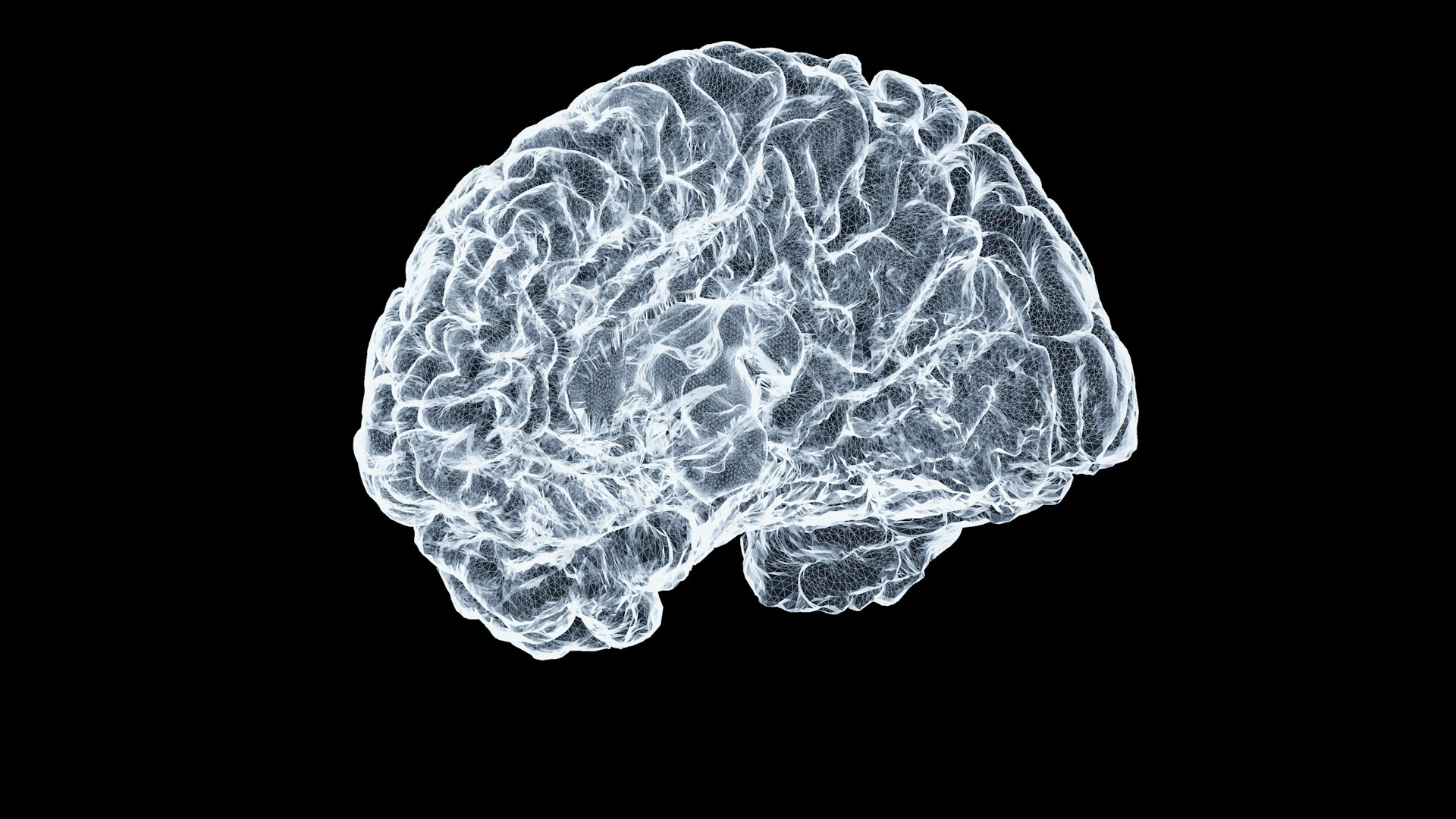
Published in the journal Nature, researchers believe they have established another piece of the ALS puzzle: an autoimmune response to a specific protein called C9orf72.5 Neuroinflammation is a key component in the loss of motor neurons with ALS — including heightened T cell infiltration and activation of microglia, especially in the spinal cord. Scientists have not been able to establish the immune system target — until now. They have shown that an antigen to C9orf72 protein may be driving the neuroinflammation and destruction of the disease.
For years, researchers have long known that ALS patients have higher levels of brain and spinal cord inflammation, along with elevated levels of T cells — a key class of immune cells. But it hasn’t been until this study that they were able to establish a possible correlation between the loss of neurons and friendly fire from these cells targeting the body’s proteins. Certain genetic mutations are the most common causes of the disease. In the Nature study, they discovered that those with genetic mutations had more pronounced T cell activity than those who didn’t.
These findings may improve patient quality of life and outcome by strengthening their anti-inflammatory responses and developing better monitoring of the disease progression.
“It really signals an important change potentially in the way we see ALS, because our data clearly shows that there is an immune response directed against particular proteins,” says senior author Alessandro Sette, a researcher at La Jolla Institute for Immunology.6
He is quick to point out that it is still too early to establish if ALS can be classified as an autoimmune disorder. Moving forward, the team will investigate the association between autoimmune characteristics and the disease in larger studies.

A Natural Approach to Targeting Symptoms
Since neuroinflammation and oxidative stress are hallmark symptoms of ALS — as well as autoimmune disorders such as multiple sclerosis — taming both is a top priority. I’ve personally found herbal remedies to be exceptionally effective in this regard, particularly our Mushroom Trio Bundle.
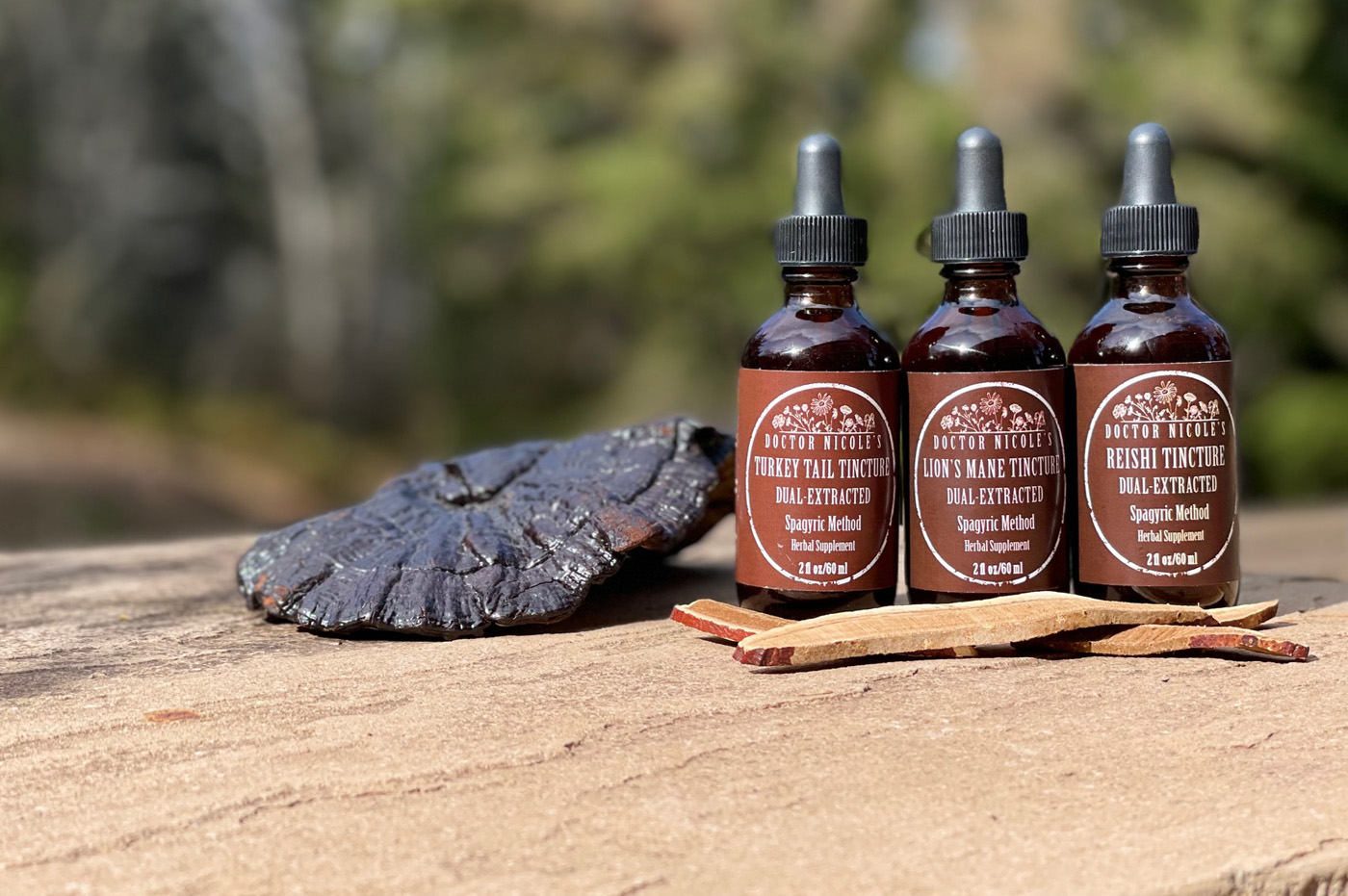
This three-tincture collection contains dual-extracted, fruiting body extracts of lion’s mane, reishi, and turkey tail. Each medicinal mushroom is rich in antioxidant polyphenols, flavonoids, polysaccharides (especially beta-glucans), and triterpenes to help calm inflammation, while protecting against neurodegeneration and oxidative damage. Each of these potent mushrooms has unique, research-backed benefits to support the body and brain. Here are the benefits of each:
LION’S MANE MUSHROOM
- Helps with inflammation
- Enhances cognitive function
- Helps repair damaged nerve cells in the spinal cord and brain by encouraging Nerve Growth Factor (NGF)
- Studies have shown that lion’s mane has a unique ability to help stimulate the growth of brain cells
- Helps with sleep, anxiety, and depression
- Known to be helpful for autoimmune conditions
REISHI MUSHROOM
- Helps suppress certain inflammatory compounds
- Helps strengthen the body against the negative effects of stress, including: hormonal imbalances, high cortisol, fatigue, brain fog, and low energy.
- Helps with autoimmune diseases and leaky gut issues through its anti-inflammatory action and immune system modulation.
- High in beneficial beta-glucans, glycoproteins, and triterpenes to support gut and metabolic health.
- Promotes quality sleep, helps alleviate adrenal fatigue, and encourages healthy immune function.
TURKEY TAIL MUSHROOM
- Enhances prebiotic action
- Helps calm internal and external inflammation
- Helps with leaky gut and candida overgrowth
- Helps reduce the symptoms of chronic fatigue syndrome
- A known immune modulator, turkey tail is thought to be an effective medicinal herb for autoimmune conditions.
MS BE GONE!
“I was diagnosed with MS in 2000 and have struggled with relapse and brain fog for years. I have been to MANY neurologists and taken MANY different treatments that I have had reactions to. Then a friend told me about Nicole. I purchased the Mushroom Trio and was shocked at the transformation! This is exactly what my body needed! My energy returned, my pain levels are down, my brain fog is beginning to lift and I am so very hopeful for a bright future and a full return to the REAL me that I thought was lost.” -Dauna
These carefully crafted extracts bridge modern clinical insight with time-honored herbal knowledge. If you’re seeking a non-pharmaceutical path to navigating inflammatory and neurodegenerative challenges, this collection of powerful medicinal herbs is an outstanding option. Shop our Mushroom Trio Bundle at my apothecary today and experience this effective holistic care strategy for yourself.
Nicole Apelian
Nicole’s Apothecary Products in this Post

Mushroom Trio Bundle
References
- Turner, Martin R et al. “Autoimmune disease preceding amyotrophic lateral sclerosis: an epidemiologic study.” Neurology vol. 81,14 (2013): 1222-5. doi:10.1212/WNL.0b013e3182a6cc13
- Amyotrophic Lateral Sclerosis (ALS), Yale Medicine. https://www.yalemedicine.org/conditions/amyotrophic-lateral-sclerosis
- Turner, Martin R et al. “Autoimmune disease preceding amyotrophic lateral sclerosis: an epidemiologic study.” Neurology vol. 81,14 (2013): 1222-5. https://www.neurology.org/doi/10.1212/WNL.0b013e3182a6cc13
- Cao, Wen et al. “Immune-mediated diseases are associated with a higher risk of ALS incidence: a prospective cohort study from the UK Biobank.” Frontiers in immunology vol. 15 1356132. 5 Mar. 2024, https://www.frontiersin.org/journals/immunology/articles/10.3389/fimmu.2024.1356132/full
- Michaelis, T., Lindestam Arlehamn, C.S., Johansson, E. et al. Autoimmune response to C9orf72 protein in amyotrophic lateral sclerosis. Nature (2025). https://doi.org/10.1038/s41586-025-09588-6
- “Autoimmune responses found in ALS, pointing to a new way to view the deadly disease” by Jonathan Wosen, STAT10, October 1, 2025. https://www.statnews.com/2025/10/01/als-autoimmune-responses-new-study-journal-nature/