
An Important Under-the-Radar Nutrient
Most people know CoQ10 for its antioxidant power and wide-ranging benefits for heart health, immunity, energy, and healthy aging — but far fewer realize that the bioactive form, ubiquinol, is what the body directly uses. Unlike the oxidized form (ubiquinone), ubiquinol doesn't require conversion, making it especially helpful for adults over 40 and anyone dealing with chronic illness, fatigue, autoimmune issues, or mitochondrial dysfunction. For simplicity, whenever I mention CoQ10 in this post, I’m referring to this active, ready-to-use form. Let’s take a look at this important, yet often overlooked, vitamin-like nutrient.
Ubiquinol 101
Ubiquinol is naturally produced in the body — about half of your daily requirement, with the remaining amount coming from diet. However, levels fall with age, illness, and other health conditions that create oxidative stress and/or mitochondrial dysfunction.
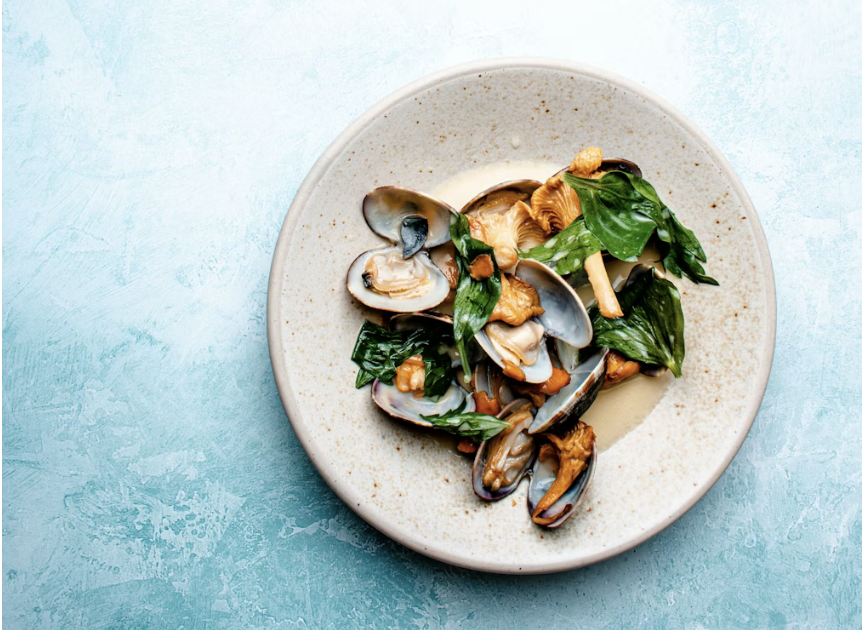
Primary dietary sources include oily fish (salmon and tuna), organ meats (such as liver and heart), nuts, and shellfish.20 It is also found in whole grains, eggs, dairy, and vegetables in lower quantities.1,2 If taken in supplement form, it's best to consume it with fat for highest absorption.
Organs with the highest mitochondrial energy levels that use the most CoQ10 include the heart, brain, kidney, and liver.1 Your muscles also require significant amounts of the compound. Low levels of this essential nutrient can be caused by a range of health conditions and dietary deficiencies, where the body's ability to produce the antioxidant is impaired or if it's used faster than it can be replaced. Some conditions that may compromise your CoQ10 levels include:
- Autoimmunity
- Chronic fatigue syndrome
- Diabetes
- Kidney disease
- Neurodegenerative disorders
- Depression
- Mitochondrial disorders
- Cardiovascular disease
- Fibromyalgia
- Cancer and cancer treatments
Low levels can also be caused by statin use, B vitamin and selenium deficiency; high oxidative stress of any kind — including inflammation, chronic illness, and infection; and during periods of intense stress, illness, or physical exertion — where the latter can create a functional deficiency even if you’re otherwise healthy.

Health Benefits
Research has shown that supplementation of CoQ10 is beneficial for a range of conditions, such as heart disease, type 2 diabetes, chronic fatigue syndrome, migraines, and possibly autism.
Cardiovascular disease: One study found that ubiquinol reduced blood pressure in young athletes when they took 600/mg/day.4 It also protected the hearts in animal models from damage resulting from low blood supply that occurs during a heart attack.5 In another small study involving 53 patients, taking 150 mg/day lowered LDL cholesterol by five percent and small density LDL by 33%.6
Type 2 diabetes: In multiple studies, supplementation of ubiquinol reduced oxidative stress, insulin resistance, and blood sugar levels in diabetics.7,8,9,10
Chronic fatigue syndrome: One small study with 63 patients found that those with CFS experienced better cognitive function, mood, sleep, and energy levels after taking ubiquinol for 8 weeks.11
Migraines: Those who experience migraine headaches often have low levels of CoQ10, so researchers put the supplement to the test. They found that those who took ubiquinol for six weeks experienced a reduction in the frequency and severity of migraines, although it did not improve their pain levels.12,13
Autism: Since developmental disorders often involve inflammation and oxidative stress, researchers suspected that supplementing with CoQ10 may be helpful for those with autism — and the preliminary findings appear promising. For the study, 24 autistic children were given 100 mg/day ubiquinol and experienced improvement with communication, social interaction, sleep quality, and lower food rejection.14 See our Lemon Balm Tincture for additional support for those on the spectrum.
The compound may also be beneficial for cancer prevention and treatment; supporting lung health; slowing visible signs of aging; improving fertility; and boosting athletic performance.15,16,17,18,19

Heart, Blood Sugar, & Cognitive Support
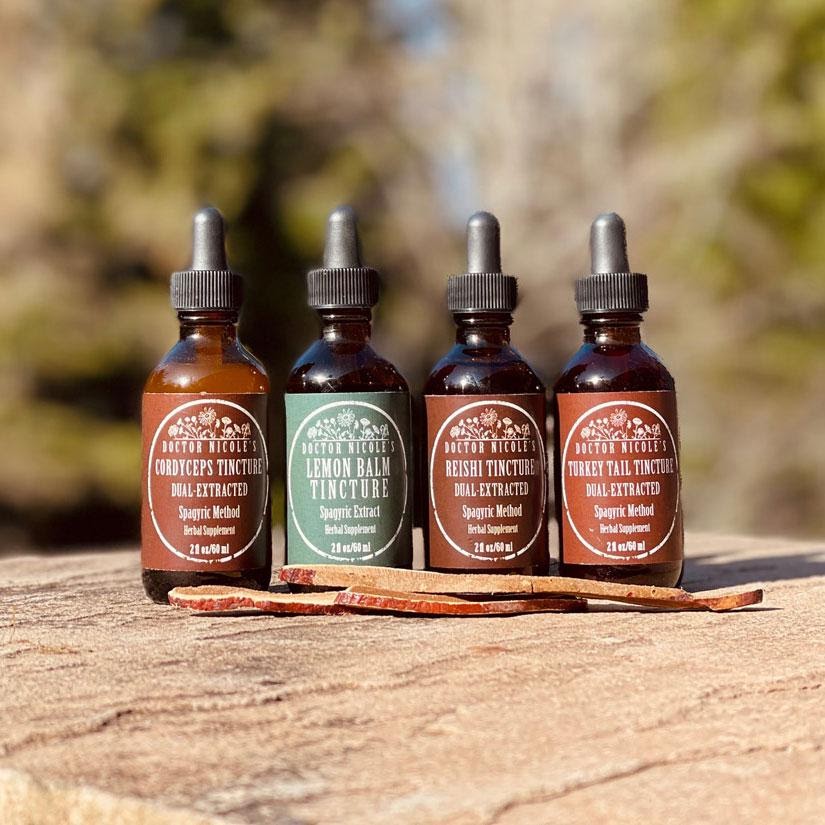
If you’re seeking broad support beyond CoQ10, our Heart, Blood Pressure, and Blood Sugar Bundle offers a comprehensive approach. With dual-extracted medicinal mushrooms and calming lemon balm, this bundle supports your cardiovascular system, metabolic health, and brain function— all in one easy daily routine.
Cordyceps supports energy and respiratory health, while reishi strengthens your stress response and improves sleep. Turkey tail promotes gut, heart, and blood sugar balance. Lemon balm supports calm, clarity, and cognitive function — everything you need to feel steady, clear, and resilient.
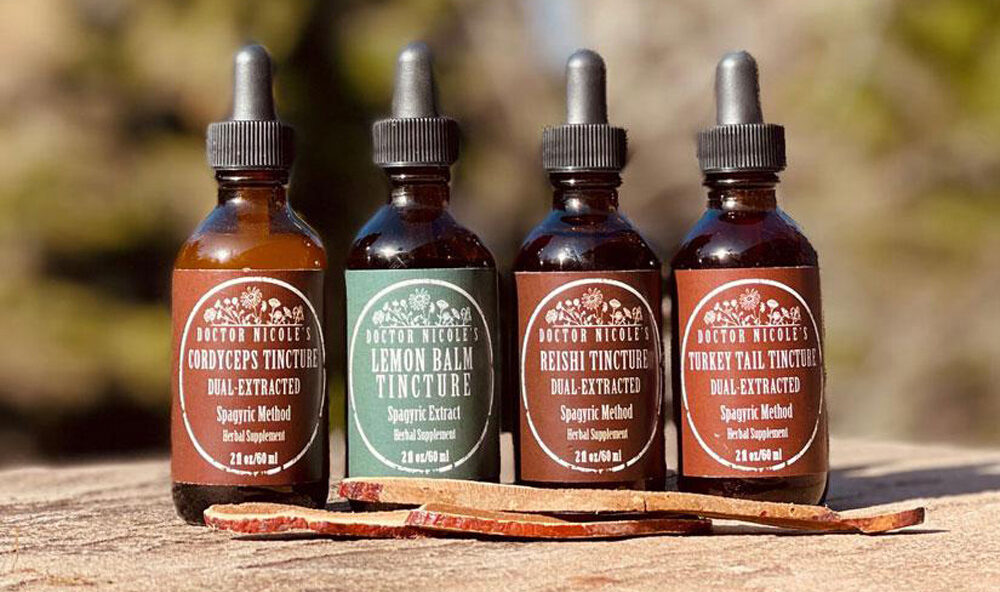
Small daily choices can make a meaningful difference in how you feel — and this bundle offers support that is convenient, easy to use, and effective. Whether you want sharper focus, a healthier heart, better blood sugar levels, more energy, or comprehensive metabolic support, this collection of potent medicinal extracts delivers.
Experience the difference Nicole’s Apothecary formulations can make. Tap here to begin your journey of wellness.
Nicole Apelian
Nicole's Apothecary Products in this Post
Heart, Blood Pressure & Blood Sugar Bundle
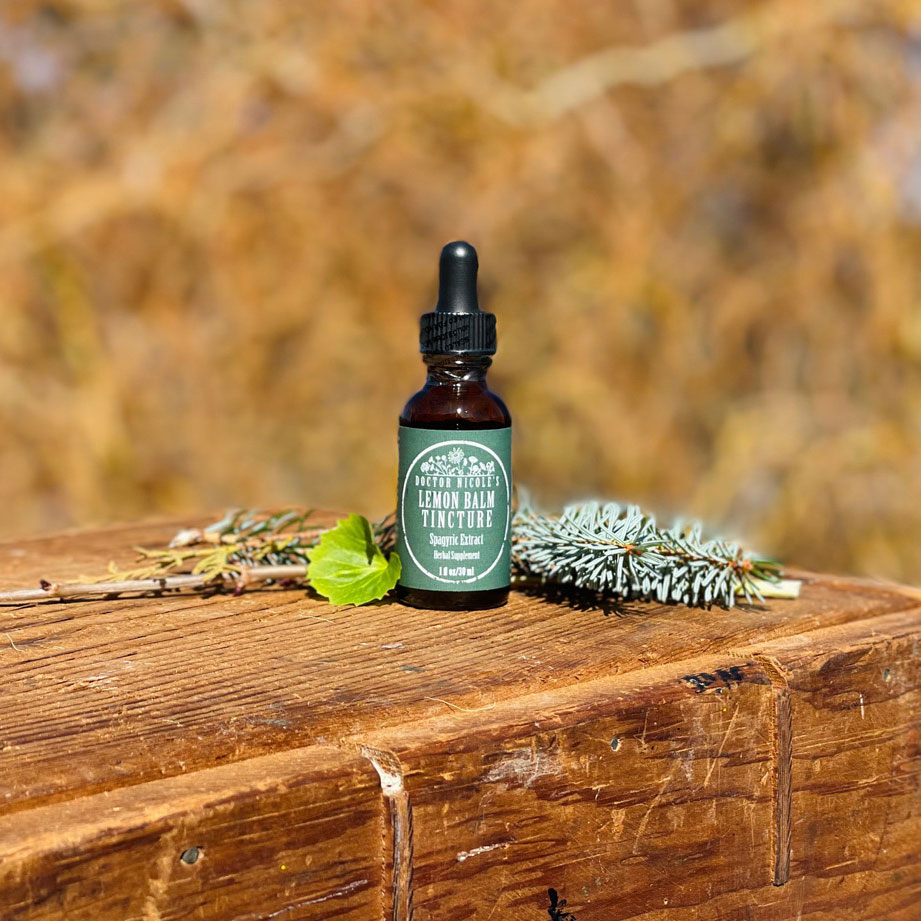
Lemon Balm Tincture
References
- Saini, Rajiv. “Coenzyme Q10: The essential nutrient.” Journal of pharmacy & bioallied sciences vol. 3,3 (2011): 466-7. doi:10.4103/0975-7406.84471
- Pravst, Igor et al. “Coenzyme Q10 contents in foods and fortification strategies.” Critical reviews in food science and nutrition vol. 50,4 (2010): 269-80. doi:10.1080/10408390902773037
- Hernández-Camacho, Juan D et al. “Coenzyme Q10 Supplementation in Aging and Disease.” Frontiers in physiology vol. 9 44. 5 Feb. 2018, doi:10.3389/fphys.2018.00044
- Kizaki, K et al. “Effect of reduced coenzyme Q10 (ubiquinol) supplementation on blood pressure and muscle damage during kendo training camp: a double-blind, randomized controlled study.” The Journal of sports medicine and physical fitness vol. 55,7-8 (2015): 797-804.
- Kalatanova, A V et al. “Otsenka kardioprotektornogo deĭstviia ubikhinola na modeli reperfuzionnogo povrezhdeniia miokarda krys” [Evaluation of the cardioprotective effect of ubiquinol on the model of reperfusion injury of rat myocardium]. Biomeditsinskaia khimiia vol. 64,2 (2018): 188-194. doi:10.18097/PBMC20186402188
- Schmelzer, Constance et al. “Ubiquinol-induced gene expression signatures are translated into altered parameters of erythropoiesis and reduced low density lipoprotein cholesterol levels in humans.” IUBMB life vol. 63,1 (2011): 42-8. doi:10.1002/iub.413
- Yen, Chi-Hua et al. “Effect of liquid ubiquinol supplementation on glucose, lipids and antioxidant capacity in type 2 diabetes patients: a double-blind, randomised, placebo-controlled trial.” The British journal of nutrition vol. 120,1 (2018): 57-63. doi:10.1017/S0007114518001241
- Mezawa, Morito et al. “The reduced form of coenzyme Q10 improves glycemic control in patients with type 2 diabetes: an open label pilot study.” BioFactors (Oxford, England) vol. 38,6 (2012): 416-21. doi:10.1002/biof.1038
- Huang, Haohai et al. “Effects of coenzyme Q10 on cardiovascular and metabolic biomarkers in overweight and obese patients with type 2 diabetes mellitus: a pooled analysis.” Diabetes, metabolic syndrome and obesity : targets and therapy vol. 11 875-886. 29 Nov. 2018, doi:10.2147/DMSO.S184301
- Stojanović, Marko, and Miroslav Radenković. “A meta-analysis of randomized and placebo-controlled clinical trials suggests that coenzyme Q10 at low dose improves glucose and HbA1c levels.” Nutrition research (New York, N.Y.) vol. 38 (2017): 1-12. doi:10.1016/j.nutres.2016.12.001
- Fukuda, Sanae et al. “Ubiquinol-10 supplementation improves autonomic nervous function and cognitive function in chronic fatigue syndrome.” BioFactors (Oxford, England) vol. 42,4 (2016): 431-40. doi:10.1002/biof.1293
- Testai L, Martelli A, Flori L, Cicero AFG, Colletti A. Coenzyme q10: clinical applications beyond cardiovascular diseases. Nutrients. 2021;13(5):1697. doi:10.3390/nu13051697
- Sazali S, Badrin S, Norhayati MN, Idris NS. Coenzyme Q10 supplementation for prophylaxis in adult patients with migraine—a meta-analysis. BMJ Open. 2021;11(1):e039358. doi:10.1136/bmjopen-2020-039358
- Gvozdjáková, Anna et al. “Ubiquinol improves symptoms in children with autism.” Oxidative medicine and cellular longevity vol. 2014 (2014): 798957. doi:10.1155/2014/798957
- National Institutes of Health National Library of Medicine. Coenzyme Q10 (PDQ). https://www.ncbi.nlm.nih.gov/books/NBK65828.1/?report=reader#CDR0000446290__24
- Zozina VI, Covantev S, Kukes VG, et al. Coenzyme q10 in copd: an unexplored opportunity? COPD: Journal of Chronic Obstructive Pulmonary Disease. 2021;18(1):114-122. doi: 10.1080/15412555.2020.1849084
- Knott A, Achterberg V, Smuda C, et al. Topical treatment with coenzyme Q10-containing formulas improves skin's Q10 level and provides antioxidative effects. BioFactors. 2015;41(6):383-390. doi:10.1002/biof.1239
- Giannubilo S, Orlando P, Silvestri S, et al. CoQ10 supplementation in patients undergoing IVF-ET: the relationship with follicular fluid content and oocyte maturity. Antioxidants. 2018;7(10):141. doi:10.3390/antiox7100141
- Fernandes MSS, Fidelis DEDS, Aidar FJ, et al. Coenzyme Q10 Supplementation in Athletes: A Systematic Review. Nutrients. 2023 Sep 15;15(18):3990. doi: 10.3390/nu15183990
- Pravst I, Zmitek K, Zmitek J. Coenzyme Q10 contents in foods and fortification strategies. Crit Rev Food Sci Nutr. 2010 Apr;50(4):269-80. doi: 10.1080/10408390902773037