Chicory: The ancient healing herb that brews a delicious coffee-like cup
Sometimes called blue daisy, cornflower, wild bachelor's buttons, or horseweed, chicory is a humble yet attractive herb with a long history of medicinal and culinary uses. In fact, the ancient Egyptians cultivated it over 4,000 years ago! Interestingly, chicory leaves are related to endive and radicchio, making it a wonderful bitter salad green that helps to promote bile flow and support liver function. It's also a rich source of inulin — a prebiotic fiber that feeds your beneficial gut bacteria. But chicory is most famously known as a caffeine-free, healthy coffee substitute made from the ground roots. In this post, we will cover identification, harvesting advice, and health benefits of this often underrated, yet highly useful medicinal herb that may be growing right outside your door!
Basic Identification
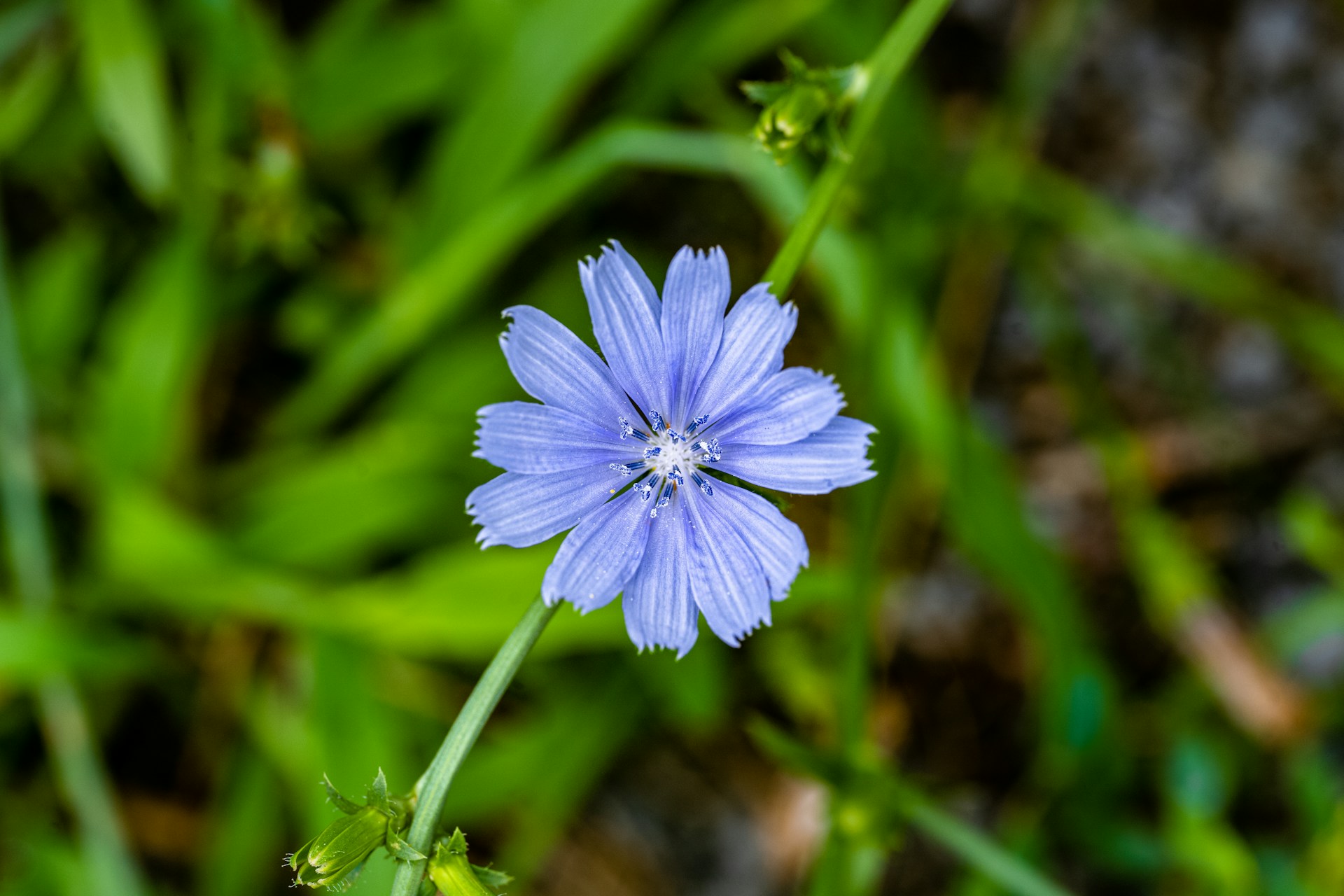
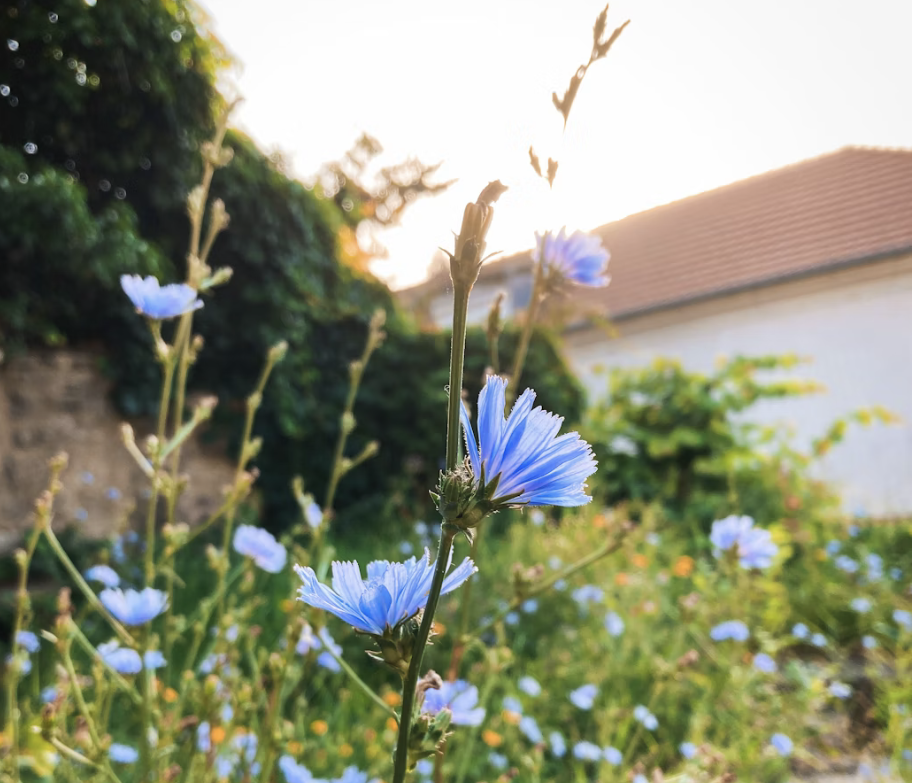
With light blue-purple flowers and leaves similar to dandelions, chicory is a pretty plant that should be welcomed into any garden. The alternate lobed leaves grow up to 8 inches (20 cm) in length and are coarsely toothed, with the lower leaves covered with fine hairs. The stems and leaves both weep a milky latex when cut. The plant grows 1 to 3 feet (0.3m to 0.9m) tall and has flower heads that measure approximately 1 to 1 1/2 inches (2.5 cm to 3.75 cm) wide that grow in clusters of two or three.
Where Does It Grow?
Chicory originated in Eurasia and is found throughout North America.
Harvesting Tips
It's important to only harvest plants that aren’t exposed to roadway car fumes and chemical spray. Harvest the roots in late autumn by loosening the soil around the base of each plant, grab it at the base, and pull up as much of the tap root as possible. Clean well and use them fresh, or cut and dry them for later use. The leaves and flowers can be harvested throughout the growing season.
Edible Uses
The young leaves can be boiled, drained, and then sautéed with garlic and butter. This helps to reduce their bitter taste.
Recipe. Chicory Coffee: Clean the roots and chop them into small pieces. Lay them out on a cookie sheet to roast. Roast slowly in the oven or over a fire. When the roots are completely roasted and dried throughout, grind them into a powder. Store the powder sealed in a cool, dry place. Brew like you would coffee.
Medicinal Uses
Chicory root and seeds are very helpful for eliminating intestinal worms and parasites. They are also antibacterial, antifungal, and protect the liver. The flowers and leaves can be used medicinally for detoxing the liver, regulating insulin, digestive problems, and topically for acne and inflammation.
Here are my top 3 uses for chicory:
Liver Health: The leaves, seeds, and roots of chicory are hepatoprotective and traditionally used to treat liver disorders — including fatty liver, jaundice, and enlargement of the spleen. It is an excellent herb for detoxifying the liver.
Diabetes: When the leaves are prepared as a tincture or dried and powdered, it helps to regulate insulin levels, promote insulin secretion, and lower blood glucose. A whole-plant alcohol extraction is also helpful for these purposes.
Antibacterial and Anti-Fungal (Candida): Chicory seed extract addresses bacterial and fungal infections such as Staphylococcus, Pseudomonas, E. coli, and Candida. Root extracts are very useful against Staphylococcus, Bacillus, Salmonella, E. coli, and Micrococcus, as well as athlete’s foot, ringworm, and jock itch. Extracts can be taken internally and also applied externally.
Safety
Some people develop contact dermatitis while handling the plant. It can also trigger skin irritations and rashes when taken internally for those who are sensitive to it. Chicory is in the Asteraceae family — if you’re allergic to ragweed, daisies, marigolds, or chrysanthemums, you may react to chicory. Avoid during pregnancy as it can stimulate menstruation. The herb can interfere with beta-blocker drugs for the heart.

Ready to learn more? There are over 12 medicinal uses for chicory in my book, "The Lost Book of Herbal Remedies: The Healing Power of Plant Medicine". Detailed harvesting advice for this herb and many other easy to find plants are included. What’s more, it shows you how to make a range of herbal remedies, such as tinctures, decoctions, salves, and dual-extractions right in your own home. If you are seeking to grow your resource library of natural medicine, this comprehensive book is an outstanding addition!
Grow Your Own Backyard Apothecary
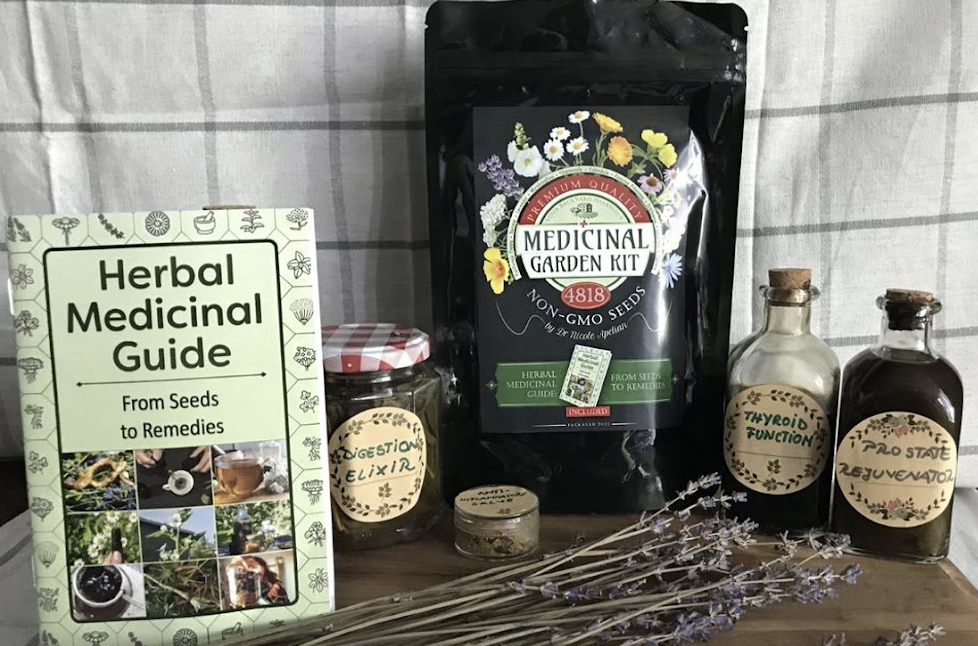
If you would like to cultivate herbs to make your own remedies, my Medicinal Garden Seed Kit includes ten easy-to-grow favorites — including: chicory for digestion and liver support; yarrow for wounds and cramps; California poppy for deep sleep; marshmallow for soothing the gut and coughs; chamomile and evening primrose for the skin, hormonal balance, and calming the nervous system; lavender and echinacea for immunity and inflammation; plus calendula and feverfew for wounds, pain, and migraines.
These non-GMO, heirloom perennials return year after year, providing abundant medicinal herbs for teas, tinctures, salves, and more with a guide to show you exactly how to use them.
Don’t wait. If you live in the United States, order your Medicinal Garden Seed Kit today and begin the exciting journey of growing your own natural medicines!
Nicole Apelian