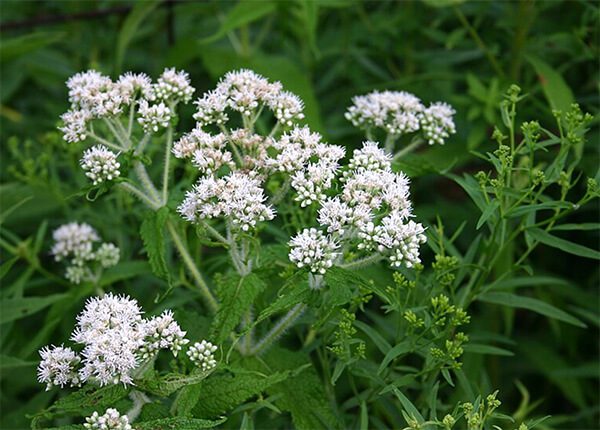
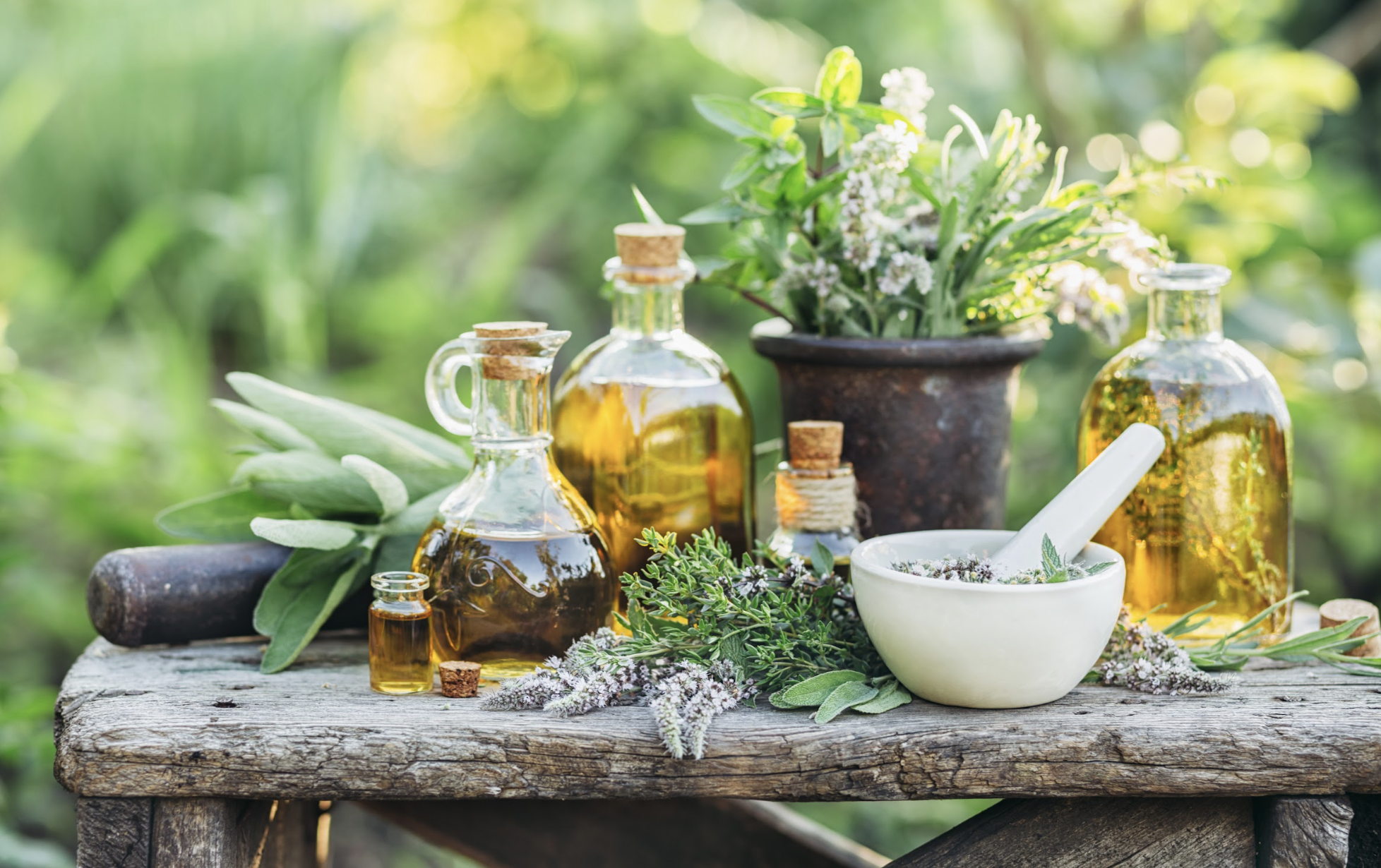
From Salad Bowl to Medicine Cabinet
Typically, when you think about an herb-infused vinegar, it's associated with a high-end product used to flavor salad dressings. While this is certainly a popular use, these vinegars offer so much more. From calming allergies and inflammation to supporting blood sugar control and heart health, herbal vinegars are also a fantastic DIY personal care and household workhorse. In this post we will cover specific health benefits, a simple, cost-effective recipe for making your own herbal vinegars, as well as a range of uses that may surprise you.
The Surprising Science Behind a Pantry Staple
As I've previously written, apple cider vinegar (ACV) is a natural health powerhouse across several key areas. For instance, a clinical trial found that participants who consumed two tablespoons of ACV daily on a calorie-restricted diet lost significantly more body fat than those who didn't. This is because its active compound (acetic acid) delays gastric emptying, suppresses carbohydrate absorption, and improves insulin efficiency.1 Research has also shown that apple cider vinegar supports overall health by strengthening the immune system, reducing inflammation, and encouraging a healthier balance of beneficial bacteria in the gut.2,4 On the cardiovascular front, studies show ACV may lower blood pressure, reduce total cholesterol, and decrease triglycerides — making it an easy addition to a heart-healthy lifestyle.3
What's more, vinegar contains helpful polyphenols that protect cells from oxidative stress. Because of this, researchers believe vinegar may help to prevent the growth of cancer cells. However, it’s important to note these results were established in animal models, and more study is needed in humans.5,6 Even so, the findings are promising.
Who knew a simple kitchen staple could do so much? But that’s just the beginning. When you combine vinegar with culinary herbs that have their own medicinal value, it creates additional health benefits — along with a range of cosmetic and household uses. Let's explore a few below.
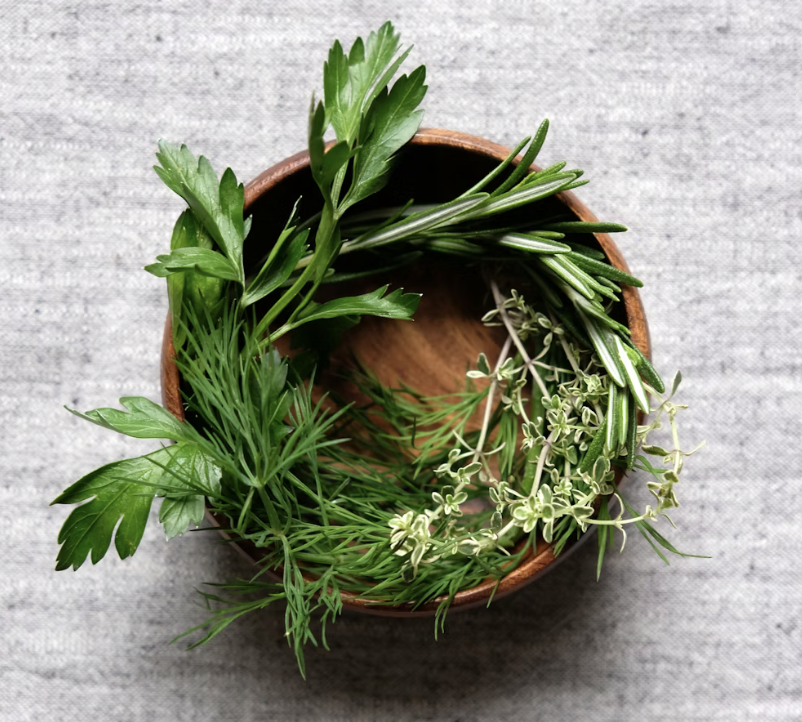
My Favorite Herbs for Vinegar Infusions
Nettle — anti-inflammatory, detoxifying, calms hay fever symptoms
Oregano — antimicrobial, antioxidant, immune-boosting
Eastern White Pine — expectorant, antioxidant, antiviral, anti-inflammatory
Sage — antimicrobial, hormone-balancing, brain-boosting
Rose — anti-inflammatory, skin-healing, anti-aging
Lavender — calming, antifungal, pain-relieving
Hawthorn Berry — cardioprotective, antioxidant, circulation-boosting
Elderberry — immune-boosting, antiviral, anti-inflammatory, anti-oxidant
Cayenne Pepper — metabolism-boosting, pain-relieving, improved circulation
Yarrow — wound-healing, anti-inflammatory, fever-reducing
Garlic — antimicrobial, cardioprotective, immune-boosting
Basil — anti-inflammatory, antimicrobial, antioxidant
Dandelion — detoxifying, liver-supporting, diuretic
Rosemary — improved circulation, brain-boosting, antioxidant
Thyme — antimicrobial, expectorant, antifungal
Other useful herbs that can be used include lemon, lime, dill, noni fruit, and roselle.
Recipe. Herbal Vinegar
To make herbal vinegar, roughly chop the herbs and loosely fill a jar so that it’s three-quarters full. Pour apple cider, balsamic, wine, rice, or distilled vinegar (depending on your intended use) over the top, ensuring that the herbs are submerged by at least an inch. Apple cider vinegar is suitable for both culinary and cosmetic applications, while balsamic, wine, and rice vinegars are ideal for culinary use. Distilled vinegar is well-suited for cleaning sprays and laundry.
Cover the jar tightly with a lid and shake well. Allow it to steep for 4-6 weeks. Afterward, strain out the herbs and rebottle the infused vinegar. Label the jar.
Herbal vinegar is incredibly versatile and can be used for a range of purposes, from natural personal care and non-toxic household cleaners to salad dressings. Here are a few ideas to get you started:
Vinegar Shot
If you're looking for a simple, powerful way to start your day, try an herb-infused vinegar shot. As mentioned above, raw apple cider vinegar itself has impressive health benefits — but infusing it with medicinal herbs takes it to another level. Garlic adds powerful antimicrobial and cardiovascular support, rosemary and sage bring brain-boosting and hormone-balancing properties, while cayenne ignites metabolism and improves circulation. Think of it as a daily tonic your great-grandmother would have encouraged. To prepare a vinegar shot, mix one part vinegar to three parts water. I also recommend rinsing your mouth with water after taking your shot to preserve tooth enamel. For advanced digestive, cardiovascular, and immune support — see our Balanced Gut Blend, Heart Health Blend, and Elderberry tinctures at Nicole's Apothecary.
Hair Rinse
Some of the best herbs for hair are nourishing, cleansing, and naturally conditioning — and vinegar happens to be the perfect way to capture their benefits. Try infusing rosemary, sage, nettle, roselle, basil, or pine into vinegar for a simple, effective hair rinse. To use, combine 4 parts water with 1 part herbal vinegar in a bottle, add a few drops of your favorite essential oil if desired, shake well, and pour over clean hair.
Salad Dressing
Herbs do double duty in a great vinaigrette — deepening the flavor, while boosting the health benefits of your meal. Basil, hawthorn berries, elderberries, rosemary, thyme, garlic, noni fruit, roselle, nettle, dill, cayenne, and dandelion all make wonderfully flavorful herbal vinegars, whether used alone or as a combination. To make your dressing, combine 3 parts extra virgin olive oil with 1 part herbal vinegar in a small jar, season with salt and pepper to taste, shake well, and drizzle generously over your favorite salad.
Skin Toner
For those with oily skin, an herbal vinegar toner can be a game-changer by gently balancing the skin's pH, while removing excess oil without stripping it dry. Basil, yarrow, rosemary, rose, lavender, roselle, sage, and nettle are all excellent choices. To make your toner, simply combine 2 tablespoons of herbal vinegar with 8 oz of water, and apply to clean skin with a cotton pad.
Learn More About Herbal Medicine With This Essential Resource
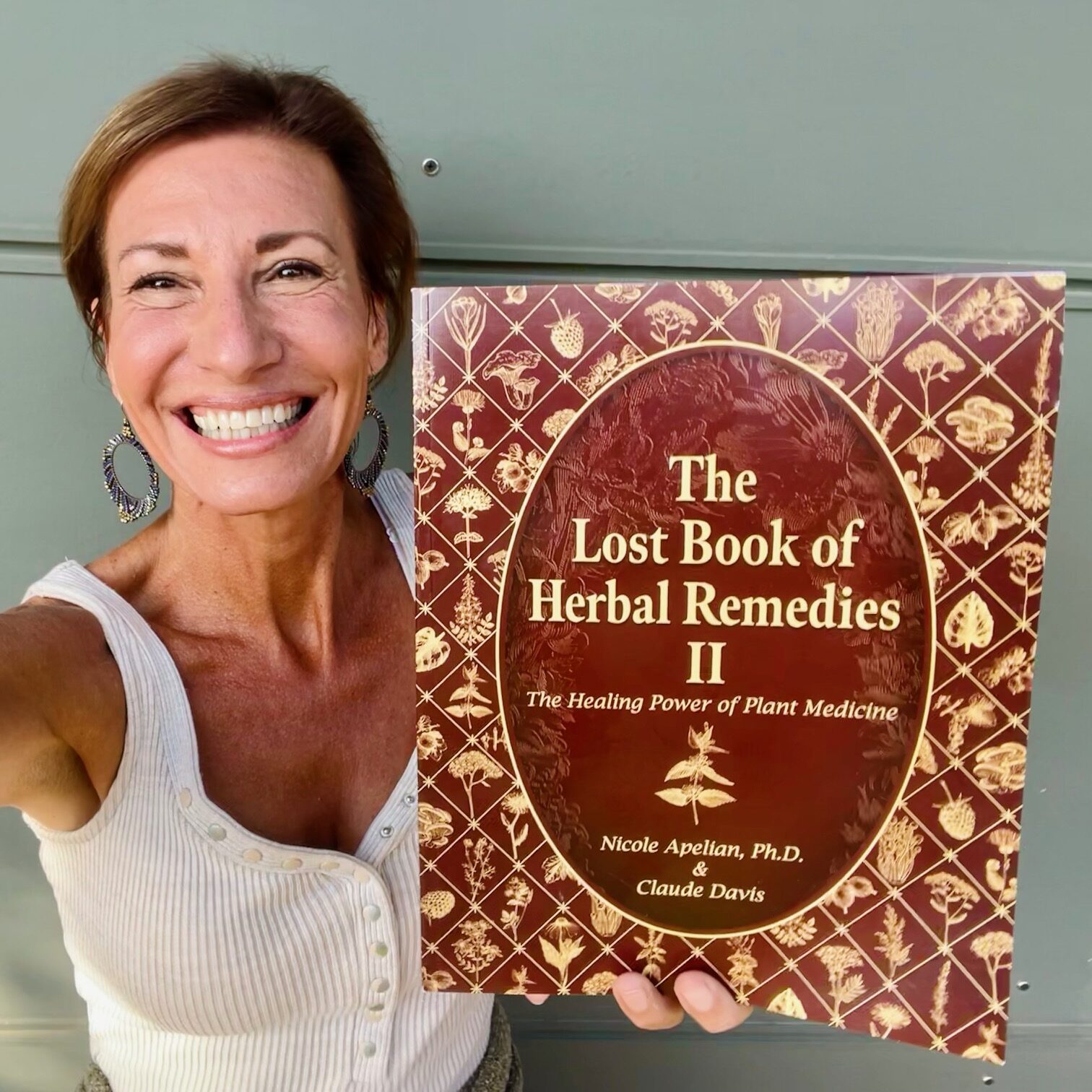
The Lost Book of Herbal Remedies II contains hundreds of plant profiles that include identification, uses, harvesting advice, and high-quality photographs. Simple recipes for a wide range of remedies are also covered — including herbal vinegars. The Lost Book of Herbal Remedies II completes the first book, you’ll find only new plants and very different remedies.
Dive Deeper With My Online Herbal Academy
Want to learn more about herbal medicine and get hands-on experience? My online Herbal Academy Master Course is perfect for you!
I’ll teach you how to make your own essential oils, along with dozens of different extracts, salves, poultices, tinctures, syrups, oil infusions, and more.
Once you sign up, you’ll also get The Lost Remedies Academy Guidebook digital PDF, which has all the information from the videos. It has clear pictures and diagrams to help you quickly identify plants.
As a bonus, I’m including three digital resources for anti-inflammatory meal plans, wild edibles you can find around your home, and an herbal weight loss protocol with over 50 recipes.
I’m so confident in the value of my academy that we offer a 60-day, no-questions-asked money-back guarantee.
Whether you’re a beginner who wants to explore medicinal herbs and foraging, or you’re looking to expand your knowledge, this course is designed to help you take charge of your health and self-sufficiency while reducing the need for expensive medical visits.
I know you’re going to love it! Tap HERE to begin your herbalism journey!
Nicole Apelian
Actions Steps & FAQs
Action Steps
- Prioritize dietary balance rather than eliminating entire food groups or nutrients.
- Include fiber-rich whole foods to support a diverse, thriving gut microbiome.
- Add fermented foods to help maintain healthy levels of beneficial bacteria.
- Maintain consistent meal timing to support glucose regulation and metabolism.
- Consider an extra level of support with Nicole's Apothecary Balanced Gut Blend and Liver Blend.
FAQ
Does eliminating all sugar improve gut health?
Not necessarily. New research found that completely removing sucrose from a low-fat diet disrupted the gut microbiome, reducing beneficial bacteria like Lactobacillus murinus and increasing pro-inflammatory bacteria.
Can a zero-sugar or carnivore diet raise diabetes risk?
The study found that a sucrose-free diet led to impaired glucose control and reduced insulin sensitivity — both risk factors for type II diabetes — despite eliminating sugar entirely.
Is there a link between zero-sugar diets and fatty liver disease?
Yes. Researchers observed early warning signs of fatty liver disease and liver inflammation in the group following a completely sucrose-free diet.
Is balanced nutrition better than eliminating sugar completely?
According to the research, yes. Experts note that healthy eating depends on overall dietary patterns rather than eliminating a single nutrient or food group.
Nicole's Apothecary Products in this Post
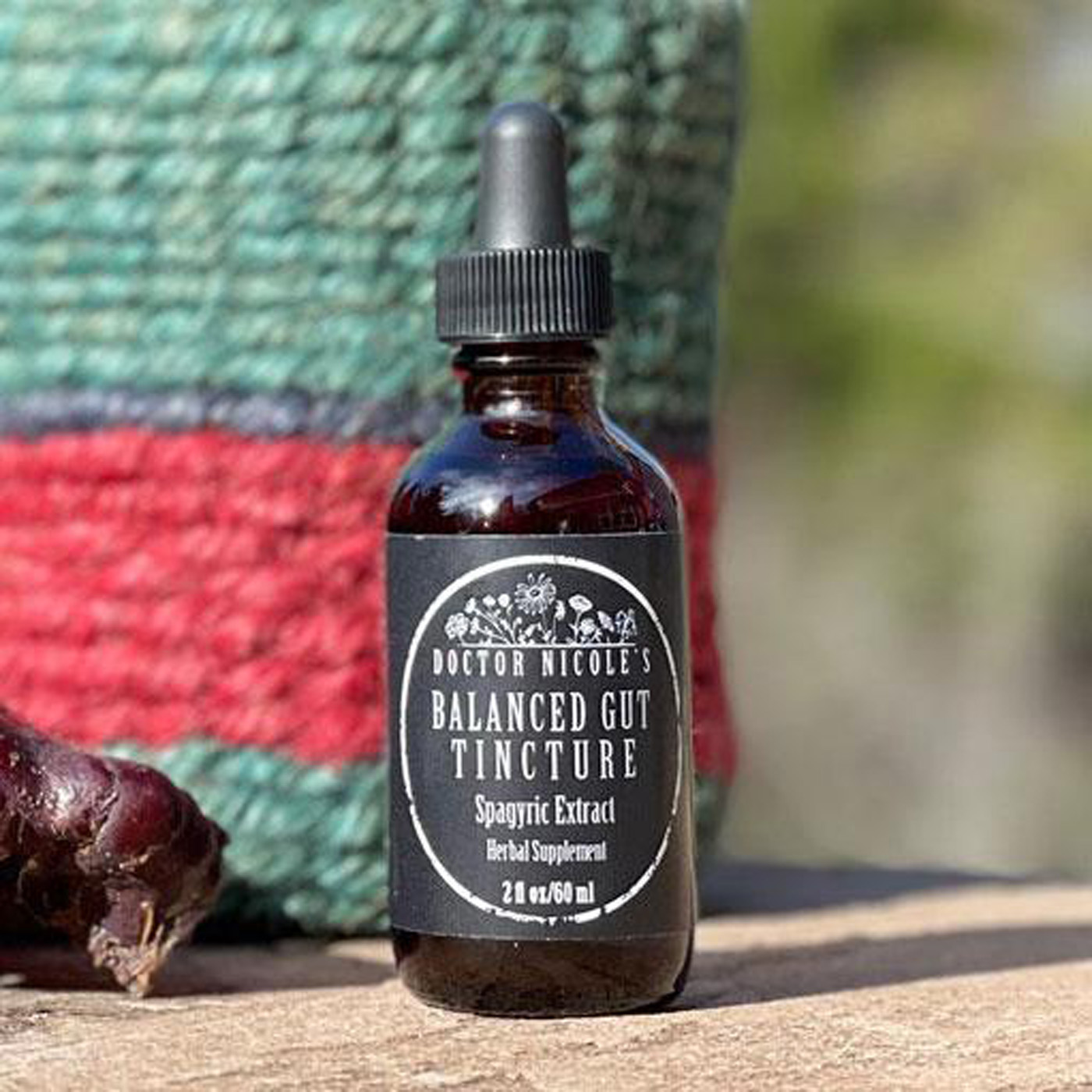
Balanced Gut Blend Tincture
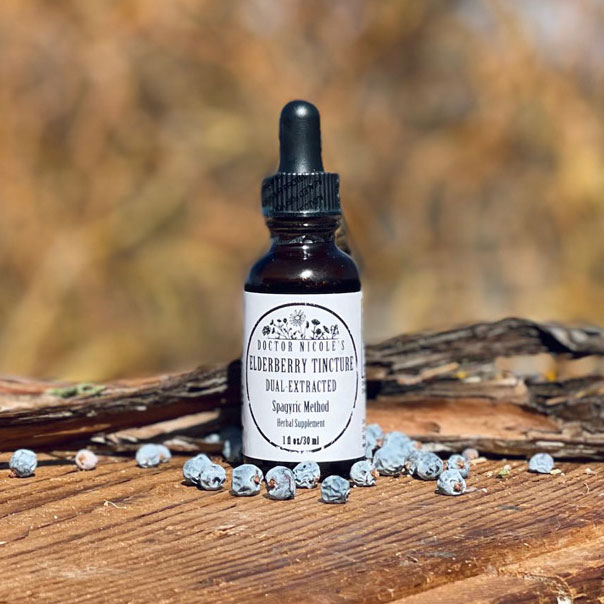
Dual-Extracted Elderberry Tincture
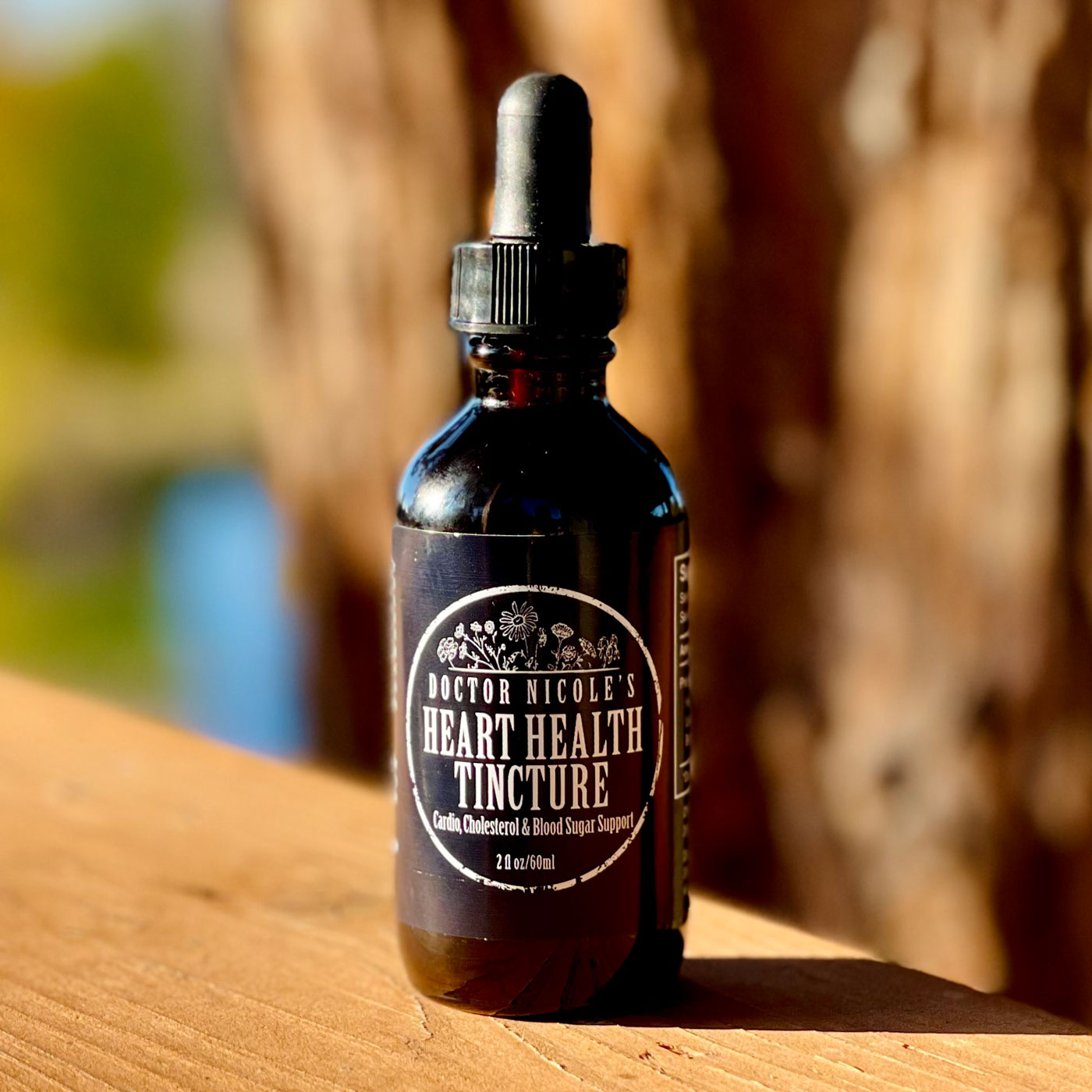
Heart Health Blend Tincture
References
- Tomoo KONDO, Mikiya KISHI, Takashi FUSHIMI, Shinobu UGAJIN, Takayuki KAGA, Vinegar Intake Reduces Body Weight, Body Fat Mass, and Serum Triglyceride Levels in Obese Japanese Subjects, Bioscience, Biotechnology, and Biochemistry, Volume 73, Issue 8, 23 August 2009, Pages 1837–1843, https://doi.org/10.1271/bbb.90231
- Xia, Ting et al. “Beneficial effect of vinegar consumption associated with regulating gut microbiome and metabolome.” Current research in food science vol. 8 100566. 24 Aug. 2023, doi:10.1016/j.crfs.2023.100566
- Jafarirad, Sima et al. “The improvement effect of apple cider vinegar as a functional food on anthropometric indices, blood glucose and lipid profile in diabetic patients: a randomized controlled clinical trial.” Frontiers in clinical diabetes and healthcare vol. 4 1288786. 13 Nov. 2023, doi:10.3389/fcdhc.2023.1288786
- Xia, Ting et al. “Beneficial effect of vinegar consumption associated with regulating gut microbiome and metabolome.” Current research in food science vol. 8 100566. 24 Aug. 2023, doi:10.1016/j.crfs.2023.100566
- Hadi, A., Pourmasoumi, M., Najafgholizadeh, A., Clark, C. C. T., & Esmaillzadeh, A. (2021). The effect of apple cider vinegar on lipid profiles and glycemic parameters: a systematic review and meta-analysis of randomized clinical trials. BMC complementary medicine and therapies, 21(1), 179. https://doi.org/10.1186/s12906-021-03351-w
- White, A. M., & Johnston, C. S. (2007). Vinegar ingestion at bedtime moderates waking glucose concentrations in adults with well-controlled type 2 diabetes. Diabetes care, 30(11), 2814–2815. https://doi.org/10.2337/dc07-1062