
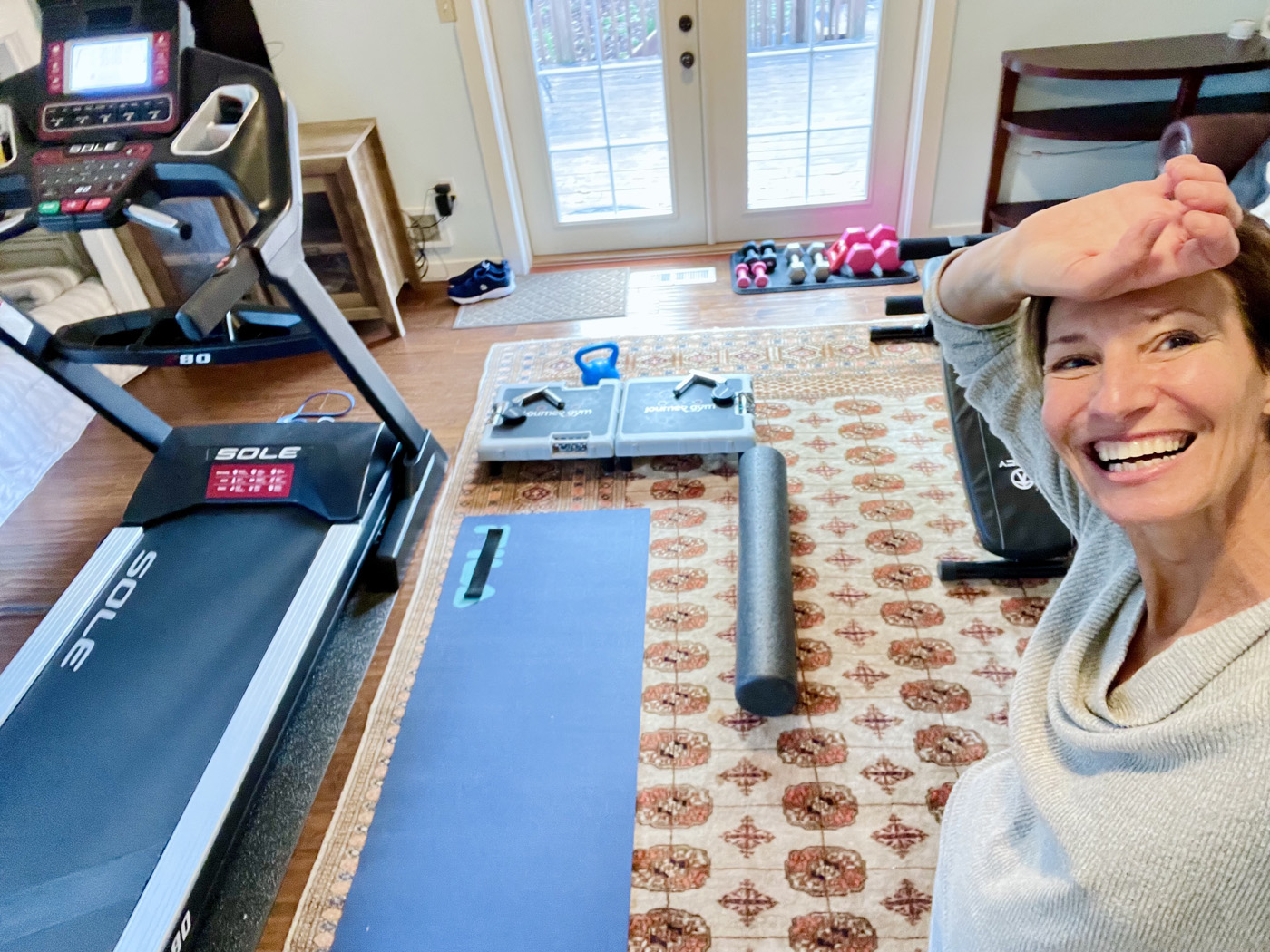
Space-Age Technology or Social Media Hype?
Have you heard of vibration plates? It's a type of physical activity that has become popular in health and wellness circles as a simple way to improve muscle strength, burn calories, build stronger bones, enhance cognitive health, and more. Interestingly, the development and use of vibration plates goes back to the early years of the space program — scientists were seeking a way to counteract the bone and muscle mass loss experienced from time spent in zero-gravity space.5 In this post, we will explore what science has to say about this novel form of exercise — and if it can help you reach your fitness goals. Let’s begin!
What is a vibration plate?
A small platform machine that rapidly oscillates at specific frequencies — typically in a range of 15 to 70 hertz (Hz), the motion of vibration plates can vary from side to side, vertically, torsional (tilting side to side like a seesaw, a rotational wave, or moving straight up and down), or a combination. The idea behind vibration plates is that through rapid micro movements, it stimulates muscle activation and reflexes. Some research also has shown these sessions increase oxygen consumption and boost metabolic rate.1 You can stand, sit, or carry out other exercises on it. To start, you want to set the oscillations at the slower end of the spectrum and keep each session under ten minutes, then build up to longer sessions over time.
Science-Backed Benefits
A growing body of research supports many of the health claims behind vibration plates. Studies point to a surprisingly wide range of benefits — stronger muscles, better calorie burn, denser bones, sharper cognition, lower inflammation, and improved metabolic health. Below we’ll cover several top uses for this technology.
Muscle strength
A 24-week study involving forty-eight untrained females put vibration plates to the test.4 Participants were divided into three groups: those using a vibration plate, those following a standard cardiovascular and resistance training program, and a control group who did no training at all. At the end of the study, the researchers found the whole-body vibration training experienced a boost in fat-free mass and gained muscle strength comparable to the standard fitness training program group.
Neurological disorders
A 2025 systematic review found vibration therapy is also helpful for treating a range of neurological disorders.3 Examining 26 studies involving 787 individuals, the team concluded that whole-body vibration therapy shows promise for improving motor function, decreasing spasticity, and enhancing muscle control. It also may be helpful for alleviating the pain involved with cerebral palsy. Moreover, another study found vibration training improved physical function in those with multiple sclerosis.7
Metabolic Health
If you are seeking a way to boost metabolic health, adopting vibration therapy sessions is a smart move. A randomized controlled trial published in Annales d'endocrinologie found that pairing whole-body vibration (WBV) with aerobic training markedly reduced insulin resistance in those with non-alcoholic fatty liver disease — with participants seeing marked improvement in just 15-minute sessions over eight weeks.12 What's more, a similar study in Japan also found that WBV combined with aerobic exercise may be effective in reducing arterial stiffness and improving cardiorespiratory fitness.13
Bone Density
Here's where it all began with the space program looking for ways to improve the bone health of astronauts. What they discovered is that vibration can stimulate bone growth in animals, essentially fooling the bones into thinking they are working hard.6 Subsequent studies back this up, including those involving postmenopausal women as well as research on osteoporosis, bone mineral density, and spinal cord injuries.14,15,16,17
Cognitive health
Lastly, a 2023 review published in the journal AIMS Neuroscience found that whole-body vibration therapy enhances a wide spectrum of cognitive functions — including orientation about time and space; memory; concentration and calculation; linguistic skills; and understanding and judgment.2 The team notes the position used on the vibration plate is crucial. They found participants in a seated posture on the plate had lower cognitive improvements and may possibly even speed cognitive decline. A bent knee posture was shown to have a weaker transmission of vibrations to the head, while standing with one foot to the front and the other to the back transmits the vibrations most efficiently and was associated with the highest cognitive improvements.
Studies have also established whole-body vibration therapy can help to ease fibromyalgia symptoms, chronic fatigue, diabetic neuropathy, and more.8,9,10,11
The Natural Trio That Takes Your Vibration Plate Results Further
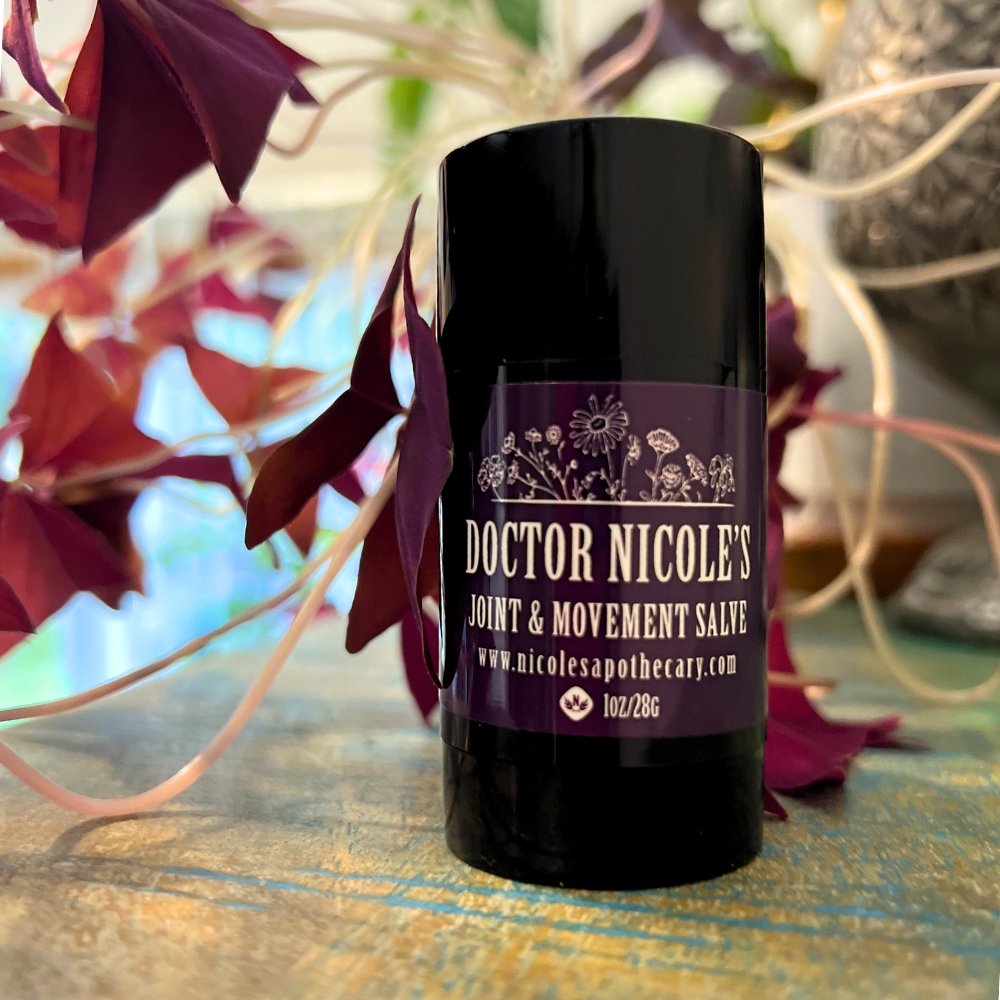
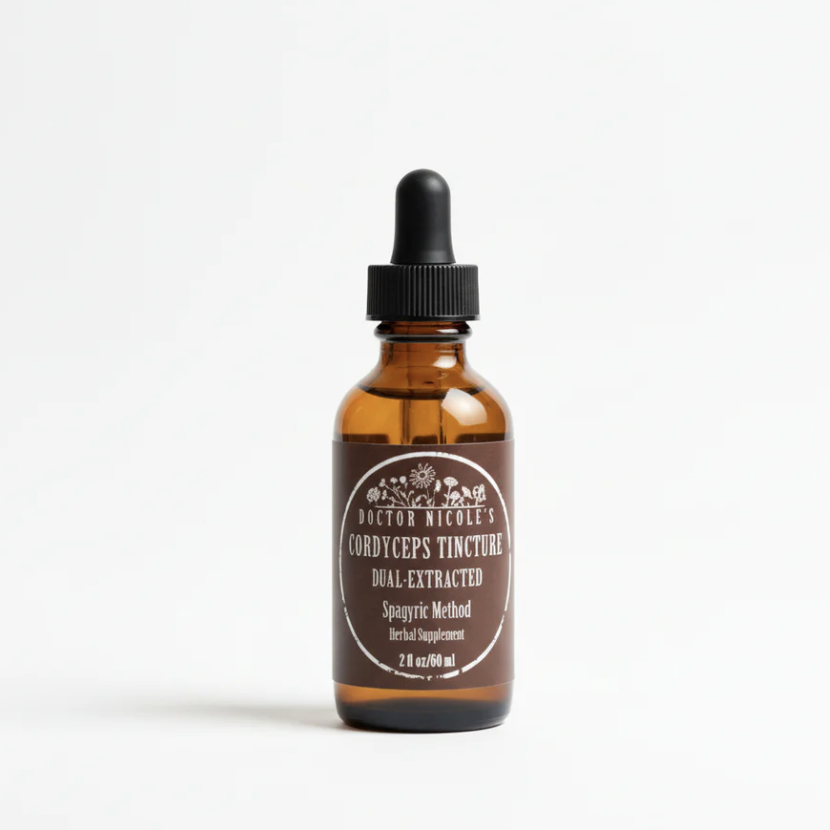
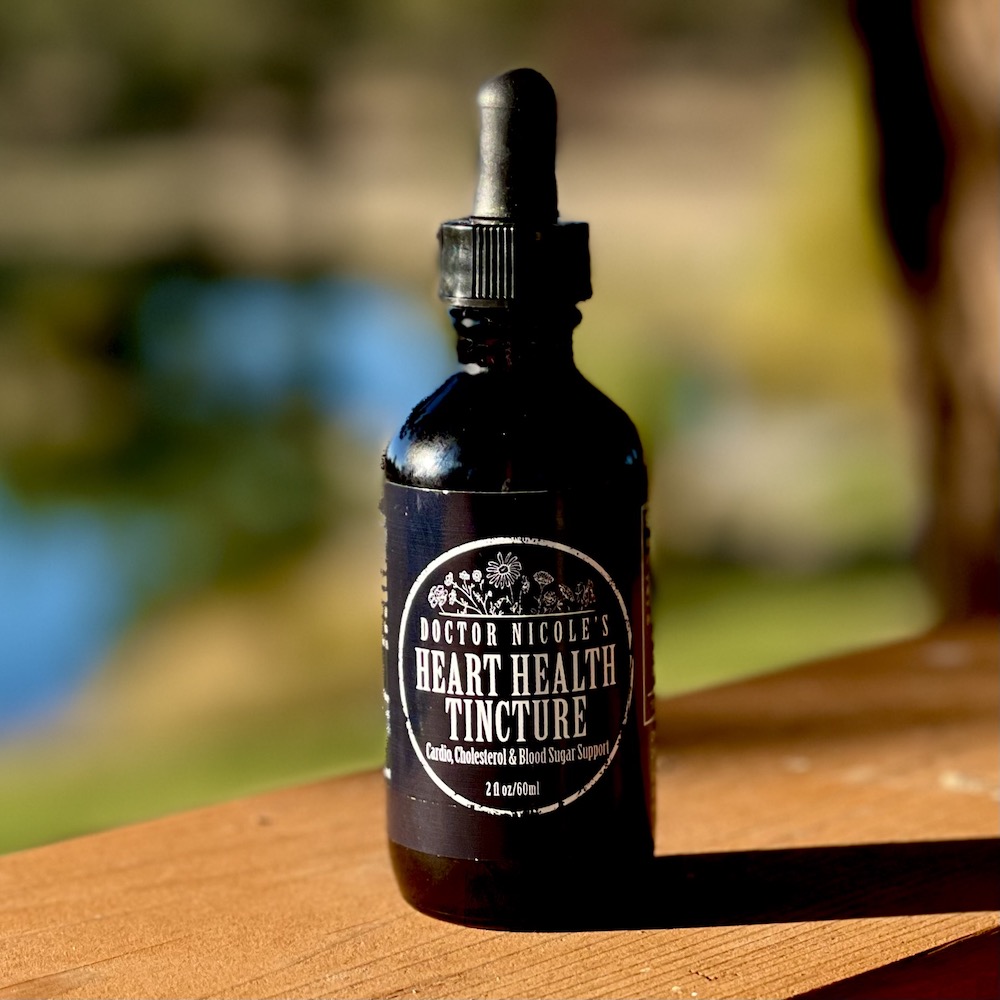
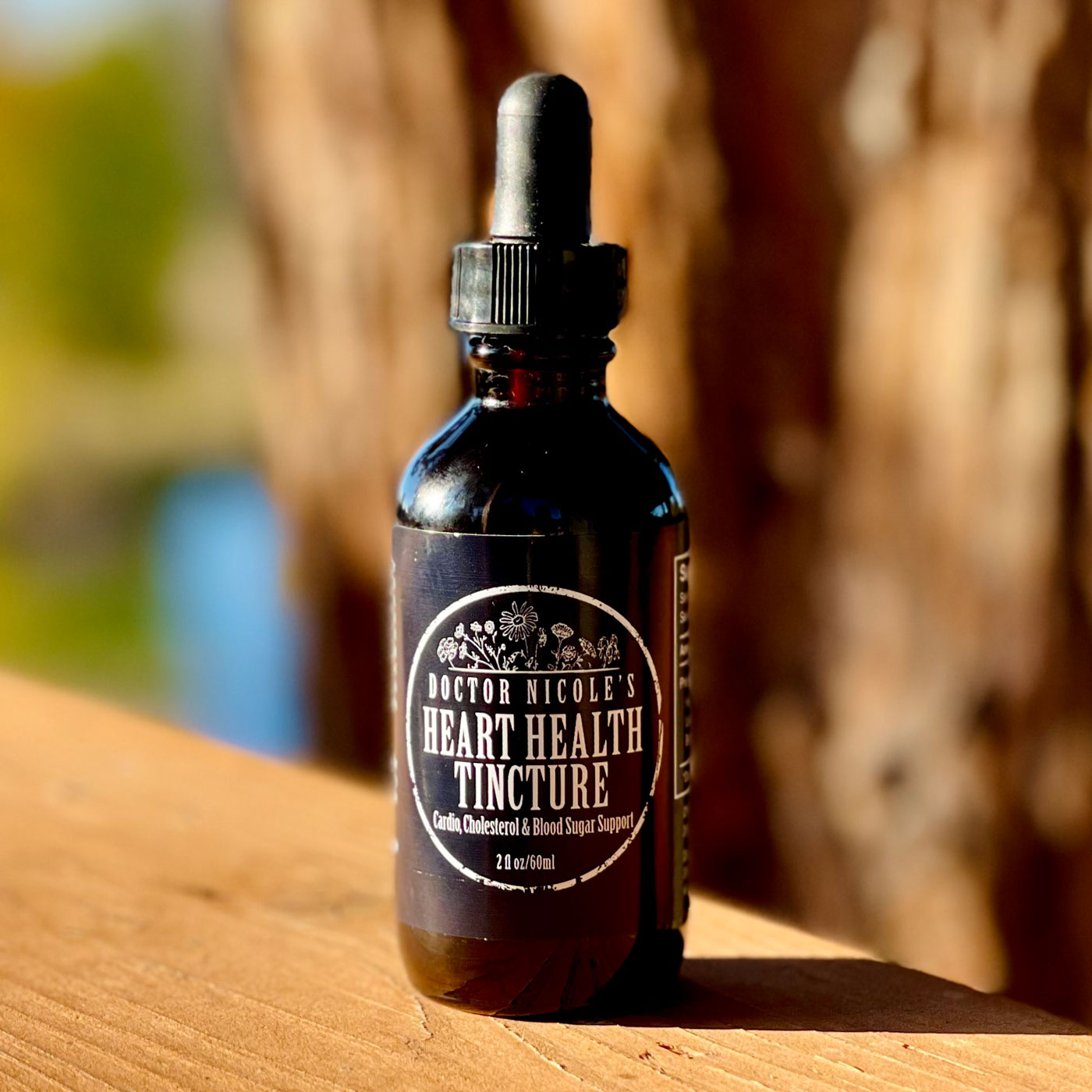
If you're adding vibration plate training to your wellness routine, a few powerful allies can help you get the most out of every session. Our Cordyceps Tincture is formulated with dual-extracted, fruiting body mushrooms for full potency — and works to enhance athletic performance, fight fatigue, reduce chronic inflammation, and support cardiovascular health so your body can maintain regular training. Our Heart Health Blend takes it a step further — working to regulate blood glucose, maintain healthy blood pressure, improve circulation, and lower LDL cholesterol for a comprehensive approach to cardiovascular and metabolic health. When your muscles and joints need recovery support after a workout, turn to our Joint & Movement Salve Stick. It delivers fast, targeted relief right where you need it most with a smooth twist applicator that makes application simple. It’s considered a miracle worker by many.
Whether your goal is building strength, improving endurance, or boosting overall health, these three natural formulas work seamlessly alongside your vibration plate practice to help you train consistently, recover well, and feel your best.
Safety
Vibration therapy isn't suitable for the following conditions:
- Current or recent blood clots
- Those with a pacemaker
- Pregnancy
- Tendency toward migraine headaches
- Inner inner issues, vertigo, dizziness
Nicole Apelian
Actions Steps & FAQs
Action Steps
- Prioritize dietary balance rather than eliminating entire food groups or nutrients.
- Include fiber-rich whole foods to support a diverse, thriving gut microbiome.
- Add fermented foods to help maintain healthy levels of beneficial bacteria.
- Maintain consistent meal timing to support glucose regulation and metabolism.
- Consider an extra level of support with Nicole's Apothecary Balanced Gut Blend and Liver Blend.
FAQ
Does eliminating all sugar improve gut health?
Not necessarily. New research found that completely removing sucrose from a low-fat diet disrupted the gut microbiome, reducing beneficial bacteria like Lactobacillus murinus and increasing pro-inflammatory bacteria.
Can a zero-sugar or carnivore diet raise diabetes risk?
The study found that a sucrose-free diet led to impaired glucose control and reduced insulin sensitivity — both risk factors for type II diabetes — despite eliminating sugar entirely.
Is there a link between zero-sugar diets and fatty liver disease?
Yes. Researchers observed early warning signs of fatty liver disease and liver inflammation in the group following a completely sucrose-free diet.
Is balanced nutrition better than eliminating sugar completely?
According to the research, yes. Experts note that healthy eating depends on overall dietary patterns rather than eliminating a single nutrient or food group.
Nicole's Apothecary Products in this Post

Dual-Extracted Cordyceps Mushroom Tincture
Heart Health Blend Tincture
Joint & Movement Salve Stick
References
- Huang, Xiaohan et al. “Effects of 4 weeks of whole-body vibration training on energy expenditure during deep squats of male well-trained students.” Frontiers in physiology vol. 14 1232045. 11 Oct. 2023, doi:10.3389/fphys.2023.1232045
- Shantakumari, Nisha, and Musaab Ahmed. “Whole body vibration therapy and cognitive functions: a systematic review.” AIMS neuroscience vol. 10,2 130-143. 18 May. 2023, doi:10.3934/Neuroscience.2023010
- Calderone, Andrea et al. “Exploring the Impact of Muscle Vibration Therapy in Neurologic Rehabilitation: A Systematic Review.” Archives of rehabilitation research and clinical translation vol. 7,3 100478. 6 Jun. 2025, doi:10.1016/j.arrct.2025.100478
- Roelants, M et al. “Effects of 24 weeks of whole body vibration training on body composition and muscle strength in untrained females.” International journal of sports medicine vol. 25,1 (2004): 1-5. doi:10.1055/s-2003-45238
- Singh, Anushree, and Anuj R Varma. “Whole-Body Vibration Therapy as a Modality for Treatment of Senile and Postmenopausal Osteoporosis: A Review Article.” Cureus vol. 15,1 e33690. 12 Jan. 2023, doi:10.7759/cureus.33690
- "Space Grant Research Launches Rehabilitation Chair" NASA Technology Transfer Program, 2015. https://spinoff.nasa.gov/Spinoff2015/hm_5.html
- Hilgers, Christoph et al. “Effects of whole-body vibration training on physical function in patients with multiple sclerosis.” NeuroRehabilitation vol. 32,3 (2013): 655-63. doi:10.3233/NRE-130888
- Joosen, Margot et al. “Evaluation of the effects of a training programme for patients with prolonged fatigue on physiological parameters and fatigue complaints.” International journal of occupational medicine and environmental health vol. 21,3 (2008): 237-46. doi:10.2478/v10001-008-0025-9
- Kessler, Nathan J, and Junggi Hong. “Whole body vibration therapy for painful diabetic peripheral neuropathy: a pilot study.” Journal of bodywork and movement therapies vol. 17,4 (2013): 518-22. doi:10.1016/j.jbmt.2013.03.001
- Kessler, Nathan J et al. “Whole body vibration improves symptoms of diabetic peripheral neuropathy.” Journal of bodywork and movement therapies vol. 24,2 (2020): 1-3. doi:10.1016/j.jbmt.2020.01.004
- Sañudo, Borja et al. “Changes in body balance and functional performance following whole-body vibration training in patients with fibromyalgia syndrome: a randomized controlled trial.” Journal of rehabilitation medicine vol. 45,7 (2013): 678-84. doi:10.2340/16501977-1174
- Çevik Saldiran, Tülay et al. “Impact of aerobic training with and without whole-body vibration training on metabolic features and quality of life in non-alcoholic fatty liver disease patients.” Annales d'endocrinologie vol. 81,5 (2020): 493-499. doi:10.1016/j.ando.2020.05.003
- Watanabe, T. , Yabumoto, T. , Shin, S. , Shi, B. and Matsuoka, T. (2014) Effect of Short-Term Whole-Body Vibration Training on Metabolic Risk Factors, Inflammatory Markers, and Arterial Stiffness. Advances in Bioscience and Biotechnology, 5, 438-445. doi: 10.4236/abb.2014.55053
- Marín-Cascales, Elena et al. “Effects of 24 Weeks of Whole Body Vibration Versus Multicomponent Training on Muscle Strength and Body Composition in Postmenopausal Women: A Randomized Controlled Trial.” Rejuvenation research vol. 20,3 (2017): 193-201. doi:10.1089/rej.2016.1877
- Fratini, Antonio et al. “Whole Body Vibration Treatments in Postmenopausal Women Can Improve Bone Mineral Density: Results of a Stimulus Focussed Meta-Analysis.” PloS one vol. 11,12 e0166774. 1 Dec. 2016, doi:10.1371/journal.pone.0166774
- Von Stengel, Simon et al. “Effects of whole-body vibration training on different devices on bone mineral density.” Medicine and science in sports and exercise vol. 43,6 (2011): 1071-9. doi:10.1249/MSS.0b013e318202f3d3
- Davis, Ronald et al. “The effects of whole body vibration on bone mineral density for a person with a spinal cord injury: a case study.” Adapted physical activity quarterly : APAQ vol. 27,1 (2010): 60-72. doi:10.1123/apaq.27.1.60