What If the Key to Brain Health Was Right Outside Your Door?
There is something wonderfully simple about stepping outside, tuning in to birdsong, and taking a moment to identify the birds nearby. Most of us do this naturally without a second thought. But beyond a pleasant activity that calms your nervous system, can birding also improve memory and cognitive function? Neuroscientists decided to find out — and the answer may surprise you.
Birdwatching: A Simple Habit With Powerful Brain Benefits
I think it is safe to say any activity that challenges your brain will be helpful for cognitive health — and birding is no exception. Cognitive neuroscientist Isabel Gauthier found in the late 1990s that the more expertise someone has in a particular area — say, identifying different types of birds — the more their brain is able to rapidly distinguish between similar-looking objects, while ignoring superficial or distracting information.1
While this may not seem earth-shattering at first glance, it opened the door to a new area of study — one that connects expertise with cognition, brain structure, memory, and neuroplasticity. Her research established that the more someone develops expertise in a specific field of study (in this case, birding), the more their cerebral cortex thickens "as a person’s visual and auditory know-how deepens".2 Likewise, a subsequent study published in 2020 found these changes in the brain helped to enhance memory in the participants who were birding experts.3
What's more, a 2026 study just published in the Journal of Neuroscience discovered that MRI scans of experienced birders showed less age-related cognitive decline compared to beginners. The team found that birdwatching also improved attention as well as processing and memorization skills.4
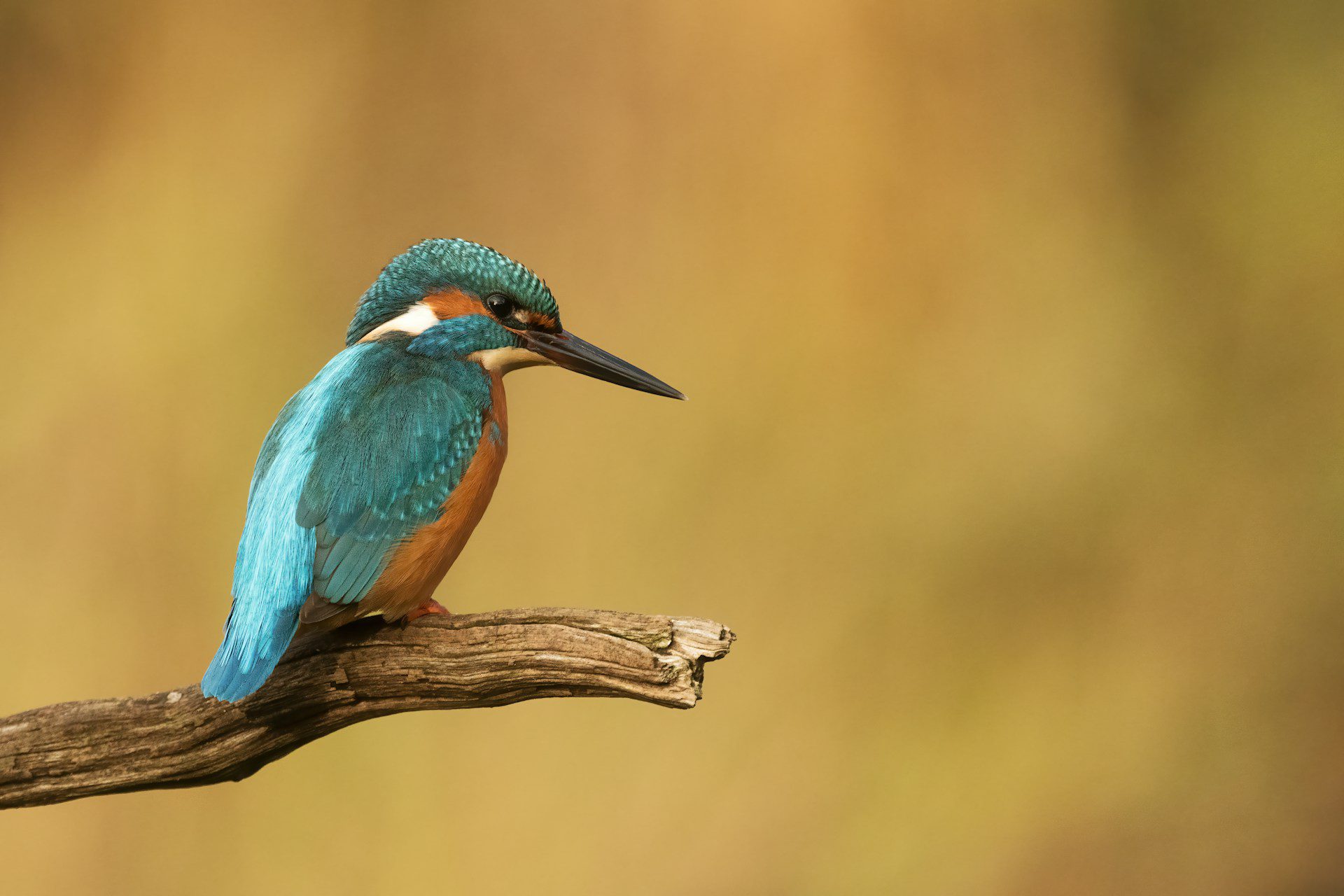
You don't have to become an expert to experience the perks of birding. Another study in 2024 established that college students who engaged in birdwatching experienced a significant boost in psychological well-being, leading the researchers to conclude:
"This study provides experimental results supporting a causal relationship between birdwatching and mental health and well-being, and it supports previous research suggesting exposure to birds may be more influential than other forms of nature, especially on a college campus."5
Moreover, simply listening to birdsong can help improve mental health by easing symptoms of stress, anxiety, and depression. See my post, Want to lower stress and boost happiness? Listen to birdsong to further explore this fascinating area of research.
If you need more calm and less stress in your life, also consider my Anxiety & Stress Blend — it's one of our most popular herbal blends for quick, on-the-go nervous system relief.
Cultivating a Bird-Friendly Habitat
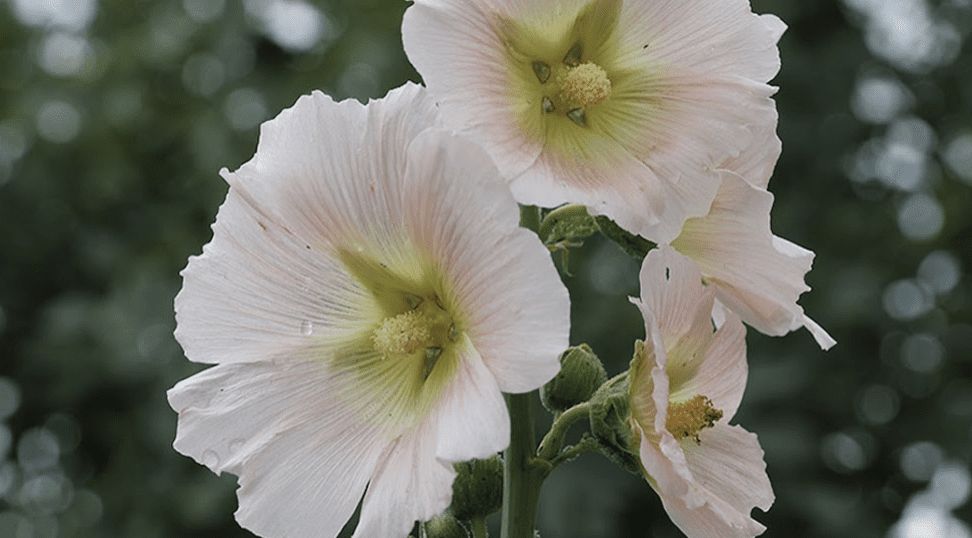
Want to enjoy more birds in your yard? My Medicinal Garden Seed Kit is a great place to begin. Packed with ten pollinator-friendly plants — chamomile, calendula, chicory, marshmallow, California poppy, evening primrose, yarrow, lavender, echinacea, and feverfew — it creates a thriving habitat for beneficial insects that in turn attract birds. These plants aren't just beautiful, but also medicinally useful. If you live in the USA, don't wait — tap here to get started!
How to Identify Any Bird, Anywhere
Have you ever seen a bird you couldn’t identify, but really wished you could? What if I told you that by practicing a few simple techniques regularly, you could solve any bird mystery —anytime, anywhere!
My friends over at Bird Mentor are offering an engaging 8-Day course, Identify Any Bird Anywhere.
If you’ve been looking for a way to deepen your connection to birds, expand your sense of belonging to the natural world, and take your bird identification skills to the next level — this course is for you! After completing the training, you will:
- Know exactly what to focus on when you see a new bird.
- Be able to fully utilize your new birding skills as if it were second nature.
- Know how to get close to birds without causing them to fly away each and every time.
- Gain confidence with your new skill set — and be able to teach those around you.
You will learn so much more with this fascinating and immensely practical course. Tap the link below to take advantage of their program today!
Nicole Apelian
Actions Steps & FAQs
Action Steps
- Prioritize dietary balance rather than eliminating entire food groups or nutrients.
- Include fiber-rich whole foods to support a diverse, thriving gut microbiome.
- Add fermented foods to help maintain healthy levels of beneficial bacteria.
- Maintain consistent meal timing to support glucose regulation and metabolism.
- Consider an extra level of support with Nicole's Apothecary Balanced Gut Blend and Liver Blend.
FAQ
Does eliminating all sugar improve gut health?
Not necessarily. New research found that completely removing sucrose from a low-fat diet disrupted the gut microbiome, reducing beneficial bacteria like Lactobacillus murinus and increasing pro-inflammatory bacteria.
Can a zero-sugar or carnivore diet raise diabetes risk?
The study found that a sucrose-free diet led to impaired glucose control and reduced insulin sensitivity — both risk factors for type II diabetes — despite eliminating sugar entirely.
Is there a link between zero-sugar diets and fatty liver disease?
Yes. Researchers observed early warning signs of fatty liver disease and liver inflammation in the group following a completely sucrose-free diet.
Is balanced nutrition better than eliminating sugar completely?
According to the research, yes. Experts note that healthy eating depends on overall dietary patterns rather than eliminating a single nutrient or food group.
References
- Gauthier, I et al. “Expertise for cars and birds recruits brain areas involved in face recognition.” Nature neuroscience vol. 3,2 (2000): 191-7. doi:10.1038/72140
- "Yes, Birding Does Change Your Brain" by Joanna Thompson, Audubon Magazine, Spring 2023. https://www.audubon.org/magazine/yes-birding-does-change-your-brain
- E.A. Wing, F. Burles, J.D. Ryan, & A. Gilboa, The structure of prior knowledge enhances memory in experts by reducing interference, Proc. Natl. Acad. Sci. U.S.A. 119 (26) e2204172119, https://doi.org/10.1073/pnas.2204172119 (2022).
- Wing, Erik A et al. “The Tuned Cortex: Convergent Expertise-Related Structural and Functional Remodeling across the Adult Lifespan.” The Journal of neuroscience : the official journal of the Society for Neuroscience vol. 46,12 e1307252026. 25 Mar. 2026, doi:10.1523/JNEUROSCI.1307-25.2026
- M. Nils Peterson, Lincoln R. Larson, Aaron Hipp, Justin M. Beall, Catherine Lerose, Hannah Desrochers, Summer Lauder, Sophia Torres, Nathan A. Tarr, Kayla Stukes, Kathryn Stevenson, Katherine L. Martin,
Birdwatching linked to increased psychological well-being on college campuses: A pilot-scale experimental study,
Journal of Environmental Psychology, 2024. https://doi.org/10.1016/j.jenvp.2024.102306.