

Why People Are Looking Beyond Semaglutides
Semaglutide (popularly known as Ozempic© and Wegovy©) is a type II diabetes medication that has become famous in social media circles as an effective weight loss agent. People rave about the effortless melting away of excess fat as well as impressive blood sugar management. But it has a hefty price tag — between $1,000-1,200 USD per month for the uninsured. What’s more, the drug can cause significant side effects: hair loss, nausea, vomiting, pancreatitis, gallbladder disease, and kidney damage. Stomach paralysis and intestinal blockage have also been reported.1 In light of this, many are searching for an all-natural alternative without the drawbacks. Could berberine, cinnamon, and green tea be the answer?
Naturally Mimicking the Effects of Ozempic
Over the past few years, there has been quite a buzz around a satiety hormone produced in the gut called GLP-1. Pharmaceuticals like Ozempic are designed to mimic this compound, although the synthetic version lasts much longer in the body.2 As mentioned above, the drug comes at a cost — both financially and physically, which has caused many to shy away from semaglutides and seek out natural alternatives.
“Patient compliance and quality of life could be greatly enhanced by using natural GLP-1 modulators, which may be easier on the body,” suggest the authors of a review published in Toxicology Reports this past June. “For populations with limited financial or other resources,” they add, “natural remedies may provide a more accessible and less expensive alternative to conventional medicine.”2
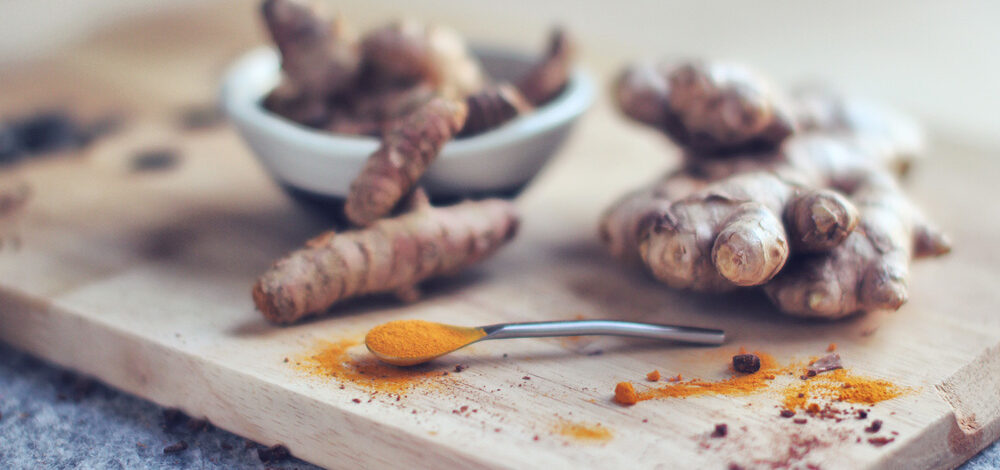
The researchers are investigating several natural herbs: ginger, curcumin, fermented green tea, berberine, cinnamon, wheat, and the compound quercetin found in onions, berries, apples, cherries, and other foods.3 While the research is still preliminary, their findings suggest that these herbs and foods hold promise in modulating GLP-1 secretion and expression. However, they are quick to point out that natural alternatives to Ozempic have a much milder effect and should not be considered a replacement for the drug.
Be that as it may, integrating more of these herbs and foods into your daily diet is a smart move for weight control and overall health. Here’s why.
Ginger. May decrease body weight and waist-to-hip ratio; significantly reduces fasting glucose levels; lowers insulin resistance and improves insulin sensitivity; enhances thermic effect of food and feelings of satiety; reduces markers of inflammation and oxidative stress.5,6,7,8
Curcumin. Reduces body weight, BMI, and waist circumference in adults; improves glucose control and insulin resistance, supporting metabolic function; linked to increased adiponectin and decreased leptin levels.9,10,11
Fermented Green Tea. Found to have anti-obesity effects in animal studies; polyphenols and catechins in green tea support lipid metabolism and fat oxidation; influences gut microbiota that promotes metabolic health.12,13
Berberine. May reduce body weight, BMI, and waist circumference; improves triglycerides, fasting glucose, and waist circumference in metabolic syndrome; supports improvements in fasting plasma glucose and insulin sensitivity.14,15,16
Cinnamon. Helps to reduce fasting plasma glucose levels; supports insulin sensitivity and metabolic health; reduces body weight, BMI, and waist circumference.17,18,19
Whole Wheat. Associated with a lower incidence of type 2 diabetes and chronic metabolic conditions; linked with lower markers of inflammation; resulted in lower obesity and abdominal fat measures in adults.20,21,22
Quercetin. Suppresses body weight gain in high-fat diet animal models; clinical evidence suggests quercetin may reduce body fat percentage and BMI in humans; promotes energy expenditure via gut microbiota-bile acid pathways in animal tests.23,24,25
Why Liver Health Matters for Weight and Metabolism
Another factor to consider is how the liver plays a role in weight gain/loss.
Research published in Adipocyte demonstrates how the liver is a powerful — and often overlooked — regulator of body weight. Scientists found that increasing the activity of a specific liver enzyme (FBPase) in mice led to significantly lower body fat and body weight, mainly because the liver sent stronger signals that reduced appetite. These mice ate less, stored far less fat, and showed changes in key hormones like leptin and cholecystokinin that help control hunger and fullness. Importantly, this wasn’t driven by burning more calories, but by healthier communication between the liver, gut, and brain.
The study also showed that a well-functioning liver boosted fat-burning via fatty acid oxidation and produced more ketones, which appeared to trigger appetite-calming signals through the vagus nerve. When liver FBPase was blocked, the animals quickly ate more and gained fat again — reinforcing that liver metabolism directly influences hunger, fat storage, and weight balance.
Bottom line: a healthy, metabolically active liver doesn’t just process nutrients — it helps decide how much we eat and how much fat we store. Supporting liver health may be a key, upstream factor in maintaining a healthy weight by naturally improving appetite control, fat metabolism, and hormone signaling.
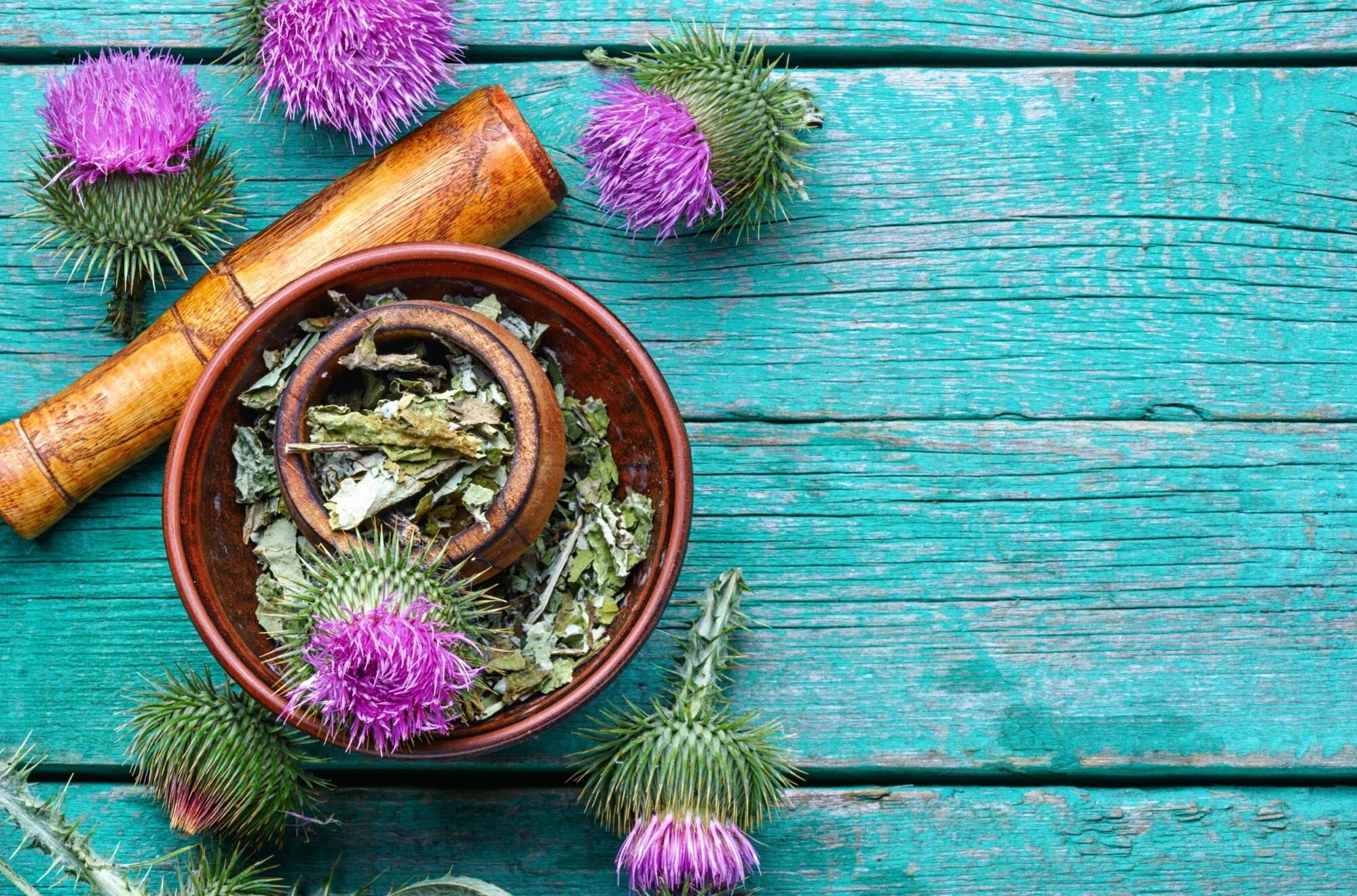
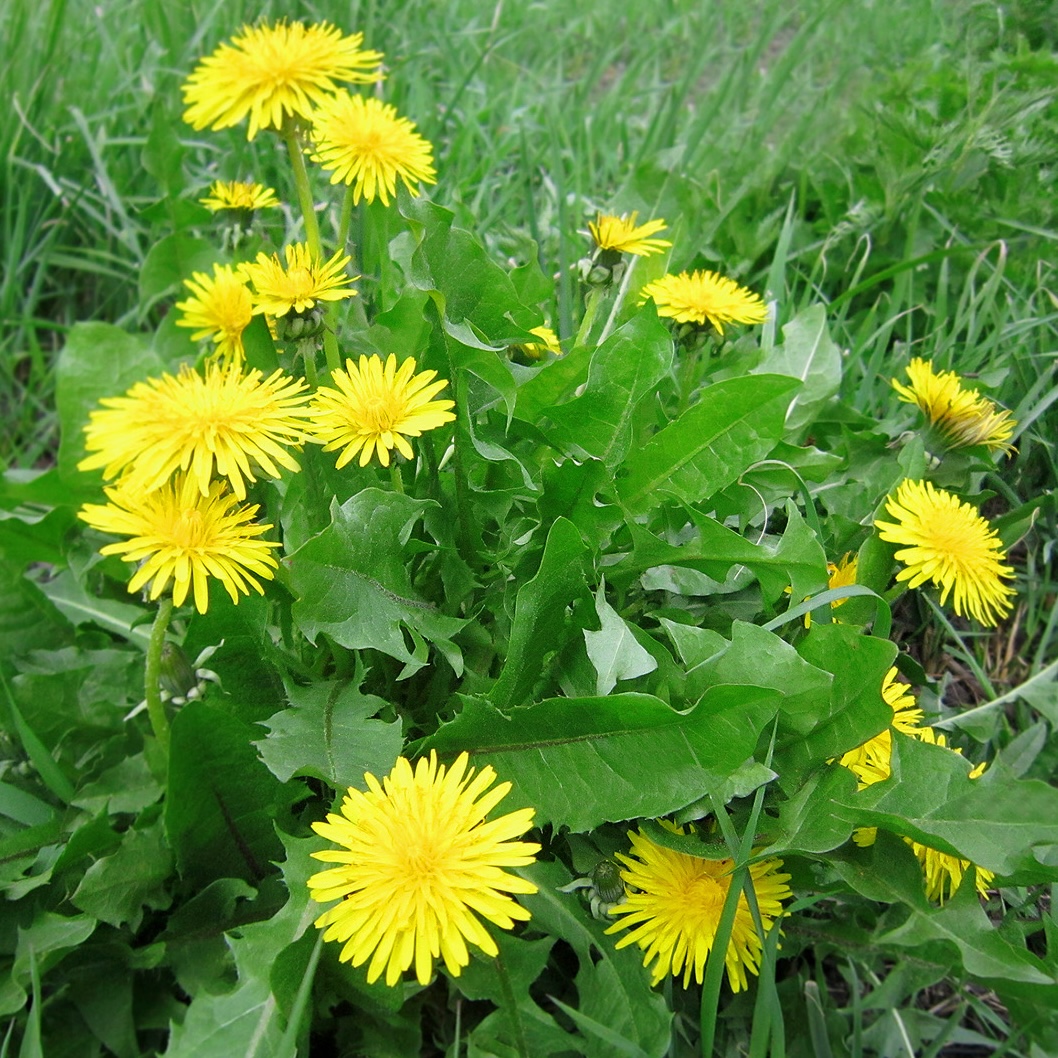
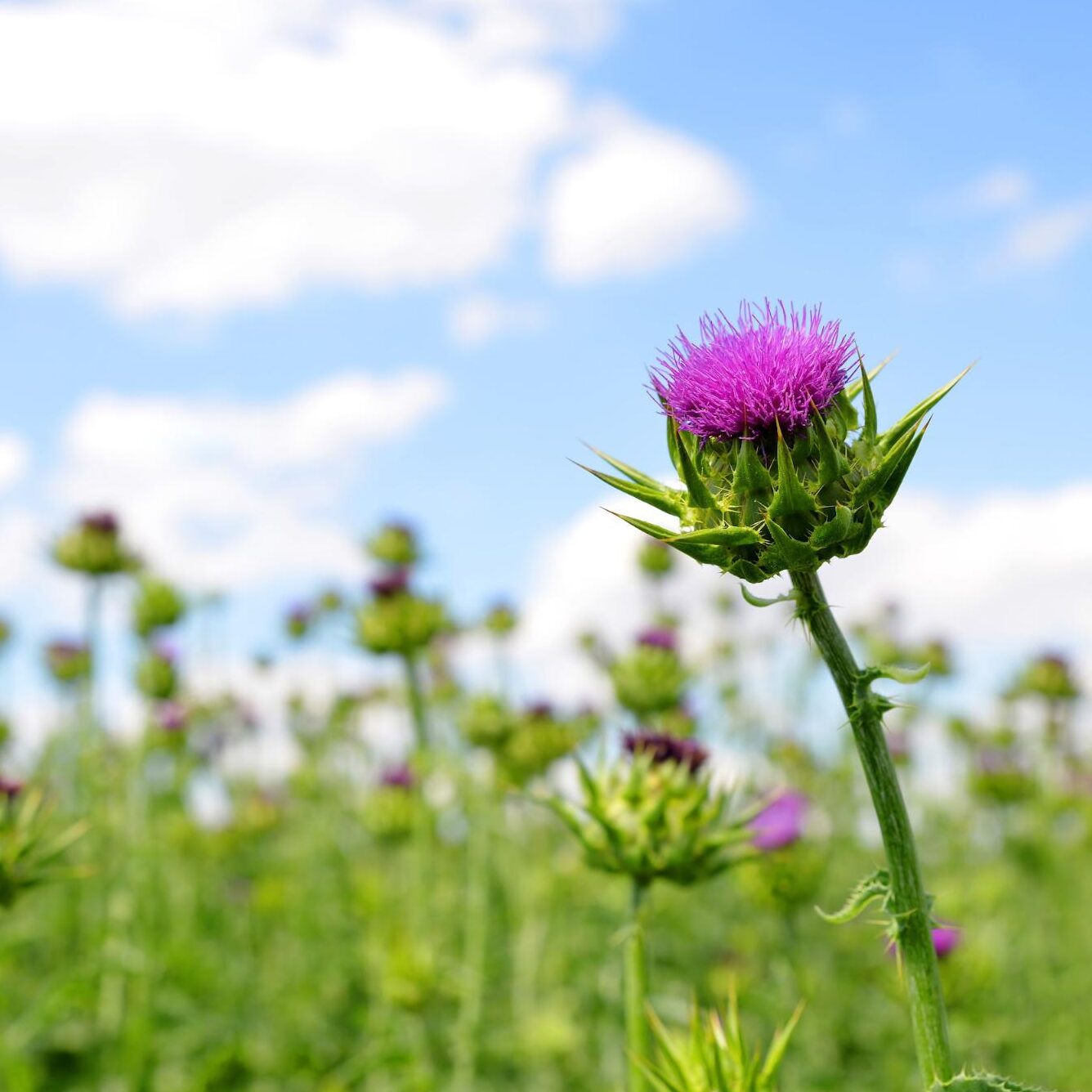
This leads us to the best herbal remedies to support overall liver health: dandelion root, milk thistle seed, and schisandra berries. Each is found in our powerful Liver Blend.
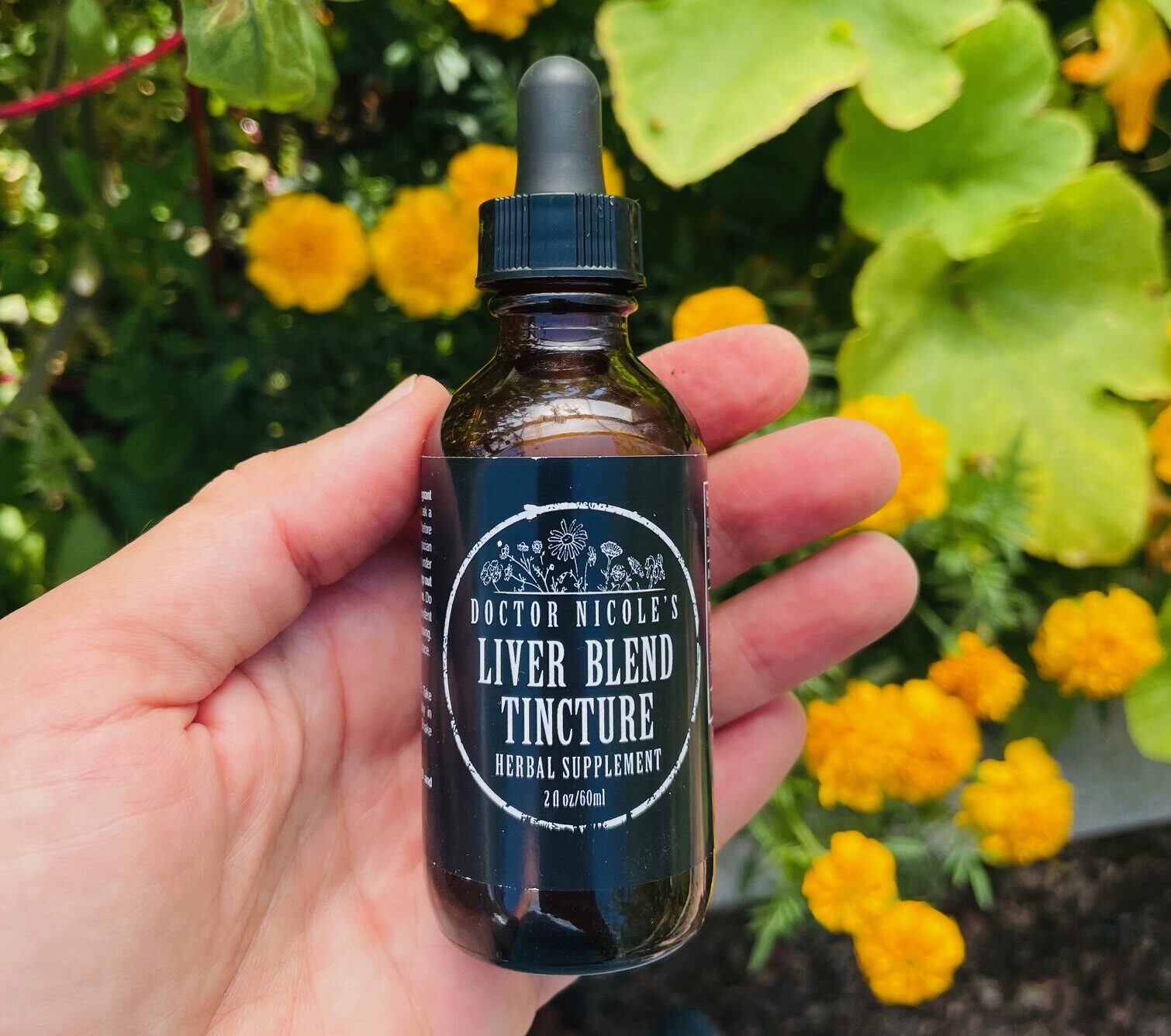
Dandelion root acts as a natural diuretic that helps reduce liver inflammation and fat buildup, supports toxin elimination, and provides inulin to nourish healthy gut bacteria, strengthening the gut–liver connection. Milk thistle seed is rich in silymarin, a well-studied compound known to protect and help repair liver cells, while supporting the body’s ability to clear environmental toxins, medications, and other harmful compounds. It has added benefits for addressing fatty liver, metabolic health, and antioxidant defense as well. Schisandra berries promote liver regeneration and offer supportive effects for non-alcoholic fatty liver disease, while also benefiting the kidneys, digestive system, and nervous system — making this formulation a comprehensive approach for liver support, detoxification, metabolic function, and promoting healthy weight.
Shop now and support healthy metabolism, gentle detox, and natural weight control today!
FAQ & Action Steps
FAQ: Ozempic, Wegovy, & Natural Alternatives
What is semaglutide (Ozempic/Wegovy)?
Semaglutide is a diabetes drug that mimics the GLP-1 hormone to reduce appetite, slow digestion, and lower blood sugar, often leading to weight loss.
Why are people seeking natural alternatives to Ozempic?
High cost and reported side effects — including nausea, vomiting, hair loss, gallbladder issues, pancreatitis, kidney strain, and digestive problems — are driving interest in natural options.
Can herbs and foods really affect GLP-1?
Early research suggests compounds like berberine, cinnamon, green tea, ginger, curcumin, wheat compounds, and quercetin-rich foods may influence GLP-1 signaling, satiety hormones, insulin sensitivity, and metabolic health.
Do natural alternatives work like semaglutide?
They work more mildly and gradually, supporting the body’s own metabolic pathways rather than forcing rapid weight loss.
What role does the liver play in weight and appetite?
The liver helps regulate fat burning, ketone production, appetite hormones, and communication between the gut and brain — all of which influence hunger and fat storage.
How do dandelion, milk thistle, and schisandra help?
These herbs encourage liver detox pathways, fat metabolism, and liver cell regeneration, which can indirectly improve metabolic efficiency and weight balance. Each is found in Nicole’s Apothecary Liver Blend.
Action Steps: A Natural Approach to Healthy Weight and Metabolic Balance
1. Build meals that naturally enhance GLP-1 activity.
Include foods rich in polyphenols and bioactive compounds, such as green tea, cinnamon, ginger, turmeric, onions, berries, apples, and fiber-rich whole foods. These nourish the gut, stabilize blood sugar, and encourage healthier appetite signaling.
2. Add evidence-backed botanicals to your routine.
Consider incorporating berberine, cinnamon, and green tea alongside meals to promote insulin sensitivity, metabolic efficiency, and fat metabolism.
3. Make liver care part of your weight-loss strategy.
Daily use of liver-focused herbs like dandelion root, milk thistle seed, and schisandra berries can help improve fat processing, detox pathways, and the liver–gut–brain connection that influences hunger and fat storage. See Nicole’s Apothecary Liver Blend for more information.
4. Pair herbs with lifestyle foundations.
Adequate protein, regular movement, quality sleep, hydration, and stress management all enhance how effectively your body responds to metabolic herbs.
5. Choose consistency over quick fixes.
Natural approaches work best when used daily over time, creating steady improvements in blood sugar balance, appetite awareness, and metabolic resilience.
Nicole’s Apothecary Products in this Post
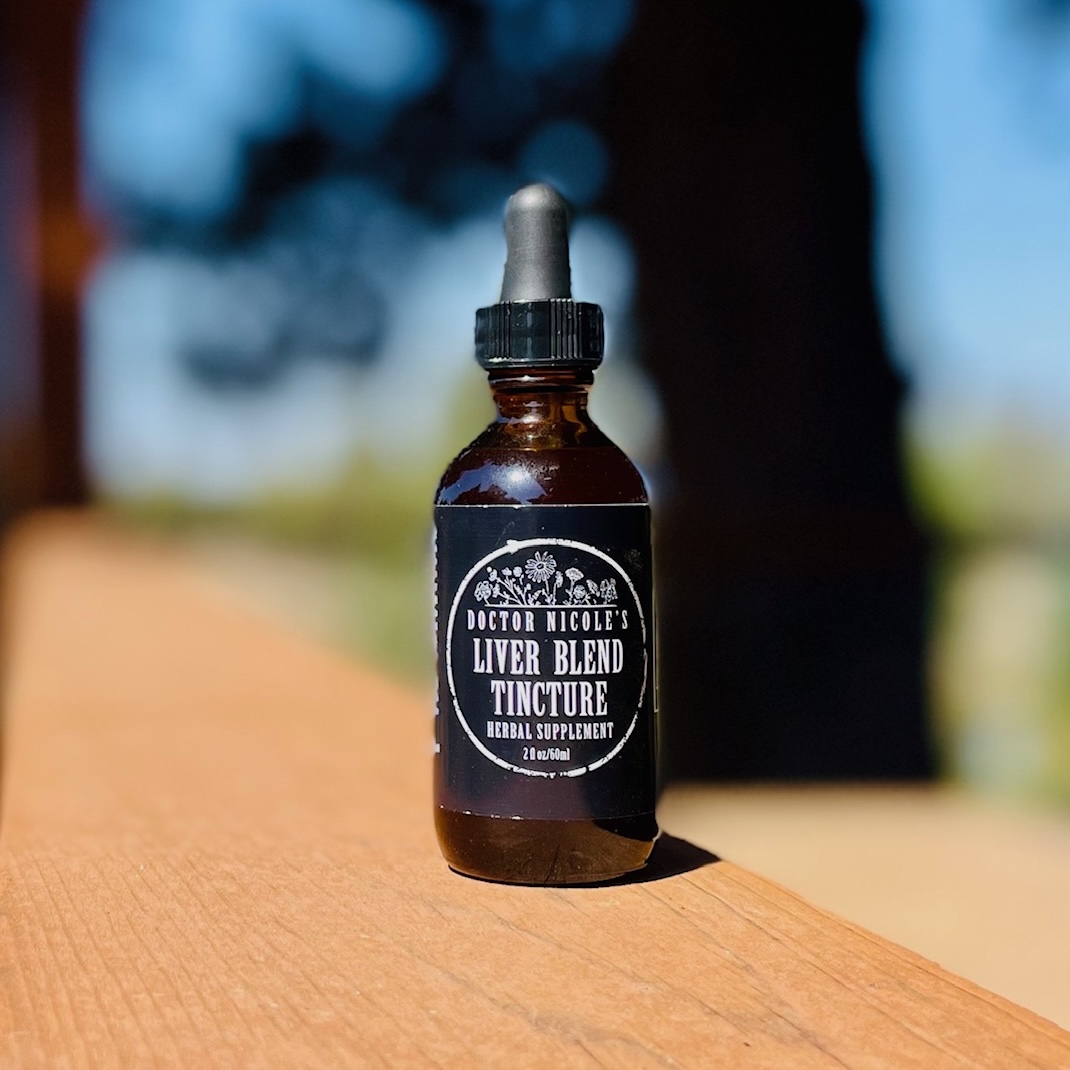
Liver Blend Tincture
References
- 19 Side Effects of Semaglutide for Type 2 Diabetes (Ozempic) and Weight Loss (Wegovy) by Zuri C. Hawkins-Jarrett, PharmD, MPH, BCPS, Alyssa Billingsley, PharmD | Reviewed by Christina Aungst, PharmD, November 24, 2025, https://www.goodrx.com/ozempic/semaglutide-side-effects
- Al-Noshokaty, Tohada M et al. “Unlocking the multifaceted roles of GLP-1: Physiological functions and therapeutic potential.” Toxicology reports vol. 14 101895. 16 Jan. 2025, doi:10.1016/j.toxrep.2025.101895
- “Experts Reveal a Drug-Free Way to Mimic The Effects of Ozempic” by Carly Cassella, Science Alert, November 10, 2025. https://www.sciencealert.com/natural-glp-1-triggers-ozempic-alternatives
- “Berberine, cinnamon, green tea may mimic Ozempic’s weight-loss effect” by Mandy French | Fact checked by Jill Seladi-Schulman, Ph.D. Medical News Today, November 20, 2025. https://www.medicalnewstoday.com/articles/berberine-cinnamon-green-tea-may-mimic-ozempics-weight-loss-effect
- Maharlouei, Najmeh et al. “The effects of ginger intake on weight loss and metabolic profiles among overweight and obese subjects: A systematic review and meta-analysis of randomized controlled trials.” Critical reviews in food science and nutrition vol. 59,11 (2019): 1753-1766. doi:10.1080/10408398.2018.1427044
- Shidfar, Farzad et al. “The effect of ginger (Zingiber officinale) on glycemic markers in patients with type 2 diabetes.” Journal of complementary & integrative medicine vol. 12,2 (2015): 165-70. doi:10.1515/jcim-2014-0021
- Mansour, Muhammad S et al. “Ginger consumption enhances the thermic effect of food and promotes feelings of satiety without affecting metabolic and hormonal parameters in overweight men: a pilot study.” Metabolism: clinical and experimental vol. 61,10 (2012): 1347-52. doi:10.1016/j.metabol.2012.03.016
- Diakos, A., Silva, M. L., Brito, J., Moncada, M., de Mesquita, M. F., & Bernardo, M. A. (2023). The Effect of Ginger (Zingiber officinale Roscoe) Aqueous Extract on Postprandial Glycemia in Nondiabetic Adults: A Randomized Controlled Trial. Foods, 12(5), 1037. https://doi.org/10.3390/foods12051037
- Dehzad, Mohammad Jafar et al. “Effects of curcumin/turmeric supplementation on obesity indices and adipokines in adults: A grade-assessed systematic review and dose-response meta-analysis of randomized controlled trials.” Phytotherapy research : PTR vol. 37,4 (2023): 1703-1728. doi:10.1002/ptr.7800
- Yaikwawong, M., Jansarikit, L., Jirawatnotai, S. et al. Curcumin extract improves beta cell functions in obese patients with type 2 diabetes: a randomized controlled trial. Nutr J 23, 119 (2024). https://doi.org/10.1186/s12937-024-01022-3
- Akbari, Maryam et al. “The Effects of Curcumin on Weight Loss Among Patients With Metabolic Syndrome and Related Disorders: A Systematic Review and Meta-Analysis of Randomized Controlled Trials.” Frontiers in pharmacology vol. 10 649. 12 Jun. 2019, doi:10.3389/fphar.2019.00649
- Seo, Dae-Bang et al. “Fermented green tea extract alleviates obesity and related complications and alters gut microbiota composition in diet-induced obese mice.” Journal of medicinal food vol. 18,5 (2015): 549-56. doi:10.1089/jmf.2014.3265
- Zhang, R., Li, Q., Gu, Y., & Liao, W. (2024). Harnessing the Power of Fermented Tea to Improve Gut Microbiota and Combat Obesity Epidemic. Biology, 13(10), 779. https://doi.org/10.3390/biology13100779
- Elahi Vahed, I., Shahir-Roudi, E., Nojumi, S. et al. The effect of berberine on obesity indices: a systematic review and meta-analysis. Int J Obes (2025). https://doi.org/10.1038/s41366-025-01943-x
- Liu, Dangzhen et al. “Efficacy and safety of berberine on the components of metabolic syndrome: a systematic review and meta-analysis of randomized placebo-controlled trials.” Frontiers in pharmacology vol. 16 1572197. 16 Jul. 2025, doi:10.3389/fphar.2025.1572197
- Pérez-Rubio, Karina G et al. “Effect of berberine administration on metabolic syndrome, insulin sensitivity, and insulin secretion.” Metabolic syndrome and related disorders vol. 11,5 (2013): 366-9. doi:10.1089/met.2012.0183
- Mousavi, Seyed Mohammad et al. “Cinnamon supplementation positively affects obesity: A systematic review and dose-response meta-analysis of randomized controlled trials.” Clinical nutrition (Edinburgh, Scotland) vol. 39,1 (2020): 123-133. doi:10.1016/j.clnu.2019.02.017
- Gou, Haobo et al. “The effects of cinnamon on patients with metabolic diseases: an umbrella review of meta-analyses of randomized controlled trials.” Frontiers in nutrition vol. 12 1683477. 3 Nov. 2025, doi:10.3389/fnut.2025.1683477
- Allen, Robert W et al. “Cinnamon use in type 2 diabetes: an updated systematic review and meta-analysis.” Annals of family medicine vol. 11,5 (2013): 452-9. doi:10.1370/afm.1517
- Wang, Y., Feng, J., Liu, T., Gong, Z., & Zhuo, Q. (2024). Association between Whole-Grain Intake and Obesity Defined by Different Anthropometric Indicators and Dose–Response Relationship Analysis among U.S. Adults: A Population-Based Study. Nutrients, 16(14), 2373. https://doi.org/10.3390/nu16142373
- Belobrajdic, D.P., Bird, A.R. The potential role of phytochemicals in wholegrain cereals for the prevention of type-2 diabetes. Nutr J 12, 62 (2013). https://doi.org/10.1186/1475-2891-12-62
- Milesi, Genevieve et al. “Whole Grain Consumption and Inflammatory Markers: A Systematic Literature Review of Randomized Control Trials.” Nutrients vol. 14,2 374. 16 Jan. 2022, doi:10.3390/nu14020374
- Song, SeungMin et al. “Quercetin inhibits body weight gain and adipogenesis via matrix metalloproteinases in mice fed a high-fat diet.” Nutrition research and practice vol. 17,3 (2023): 438-450. doi:10.4162/nrp.2023.17.3.438
- Basu, T., Selman, A., Reddy, A. P., & Reddy, P. H. (2023). Current Status of Obesity: Protective Role of Catechins. Antioxidants, 12(2), 474. https://doi.org/10.3390/antiox12020474
- Zhu, Xiaoqiang et al. “Quercetin activates energy expenditure to combat metabolic syndrome through modulating gut microbiota-bile acids crosstalk in mice.” Gut microbes vol. 16,1 (2024): 2390136. doi:10.1080/19490976.2024.2390136
- Fam, Barbara C et al. “The liver: Key in regulating appetite and body weight.” Adipocyte vol. 1,4 (2012): 259-264. doi:10.4161/adip.21448