

The Soil Microorganism Linked to Multiple Sclerosis
A common bacterium found in the soil and digestive tract of animals, Clostridium perfringens is known to cause a wide range of diseases, including gas gangrene, food poisoning, wound infections, and enterotoxaemia. Now, researchers suspect it also may play a role in the development of multiple sclerosis (MS). This gram-positive, spore-forming anaerobic bacterium produces a potent neurotoxin with the ability to cross the blood-brain barrier and has detrimental effects on neurons, oligodendrocytes, and astrocytes. In lab studies, this toxin has been shown to cause a hallmark symptom of MS: demyelination.2 In this post, we explore the findings of the research, along with my top herbs for managing MS and supporting a healthy microbiota. But first, let’s take a look at the disease itself and how it is linked to the gut.
MS, The Microbiome, and Clostridium perfringens
A chronic inflammatory disease of the central nervous system (CNS), MS often leads to accumulating neurological symptoms and disability — including loss of vision, weakness, and loss of mobility. While the cause of the disease is largely unknown, research has established that genetic, environmental, and lifestyle risk factors contribute to the development and progression of the disease. Researchers have also found a link between MS and the gut microbiota — small microorganisms that live in the digestive tract that play a critical role in many bodily processes, such as immunity and immune regulation, digestion, metabolism, and CNS development and function. Studies suggest that an imbalance in the gut microbiome may contribute to the pathogenesis of MS.
In fact, one study found that “…in transplantation experiments using microbiota obtained from monozygotic twin pairs discordant for MS, the microbiota from MS-affected twins exhibited a significantly higher propensity for inducing autoimmunity in spontaneous autoimmune encephalitic mice as compared to microbiota derived from their non-MS twin siblings.”1
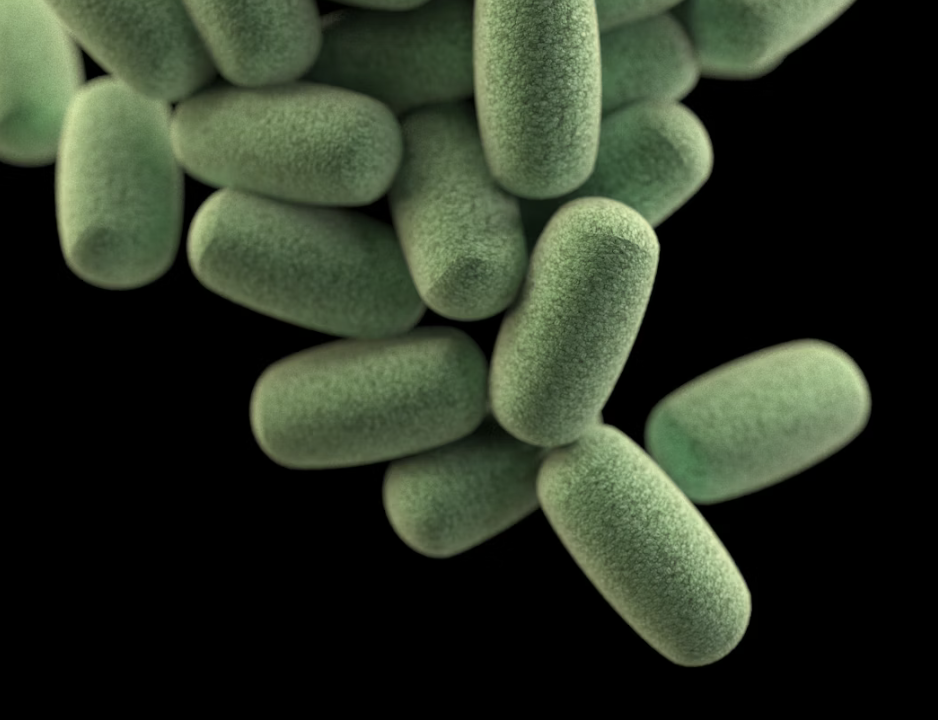
Then, in 2013, researchers isolated C. perfringens type B in an MS patient. This led the team to investigate the connection between epsilon toxin produced by the bacterium and MS. A subsequent study in the United States found a higher level of immune reactivity against this toxin in the cerebrospinal fluid of MS patients compared to healthy controls.3 Another study in the United Kingdom involving those with relapsing-remitting MS found a higher frequency of antibodies against C. perfringens epsilon toxin compared to controls.4
Jump to 2023, and research published in the Journal of Clinical Investigation identified an unusually high abundance of the bacteria in the gut microbiome of MS patients. The researchers also established that epsilon toxin dilates the blood vessels of the brain, allowing inflammatory cells to gain access to the central nervous system and trigger the demyelination that’s characteristic of MS.5
“There are many mysteries to MS,” said co-senior author Dr. Timothy Vartanian, a professor of neuroscience in the Feil Family Brain and Mind Research Institute at Weill Cornell Medicine. “Why do some people get MS and others don’t, despite similar or identical genetics? What accounts for the episodic nature of relapses and remissions? How is the central nervous system targeted and why myelin specifically? Clostridium perfringens and epsilon toxin may explain many of these mysteries.”6
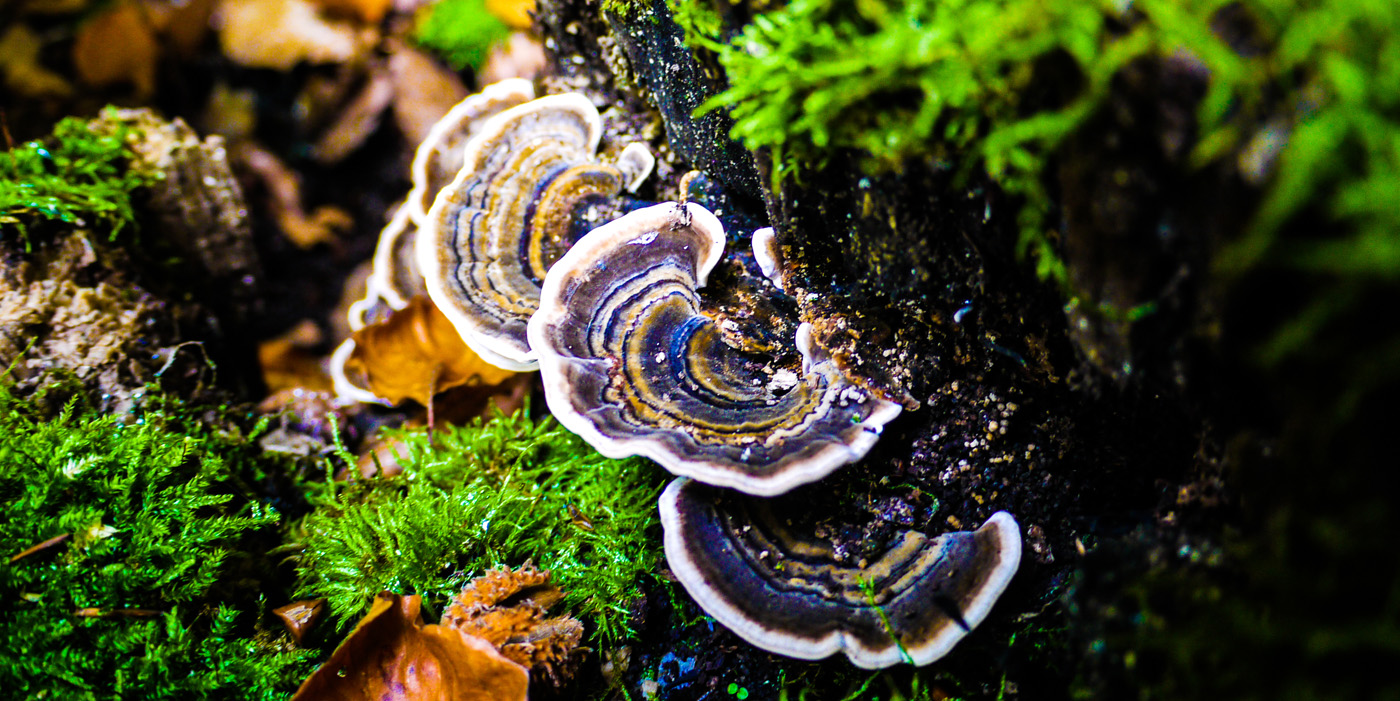
Medicinal Mushrooms, Herbal Remedies, and Autoimmunity
Compounds in medicinal mushrooms and herbs have been shown to modulate immune signaling and support beneficial gut bacteria, which is especially important as scientists continue exploring links between the microbiome, autoimmune conditions such as multiple sclerosis (MS), and Clostridium perfringens. My top remedies for these purposes include our Mushroom FOURtress Bundle and Balanced Gut Blend.
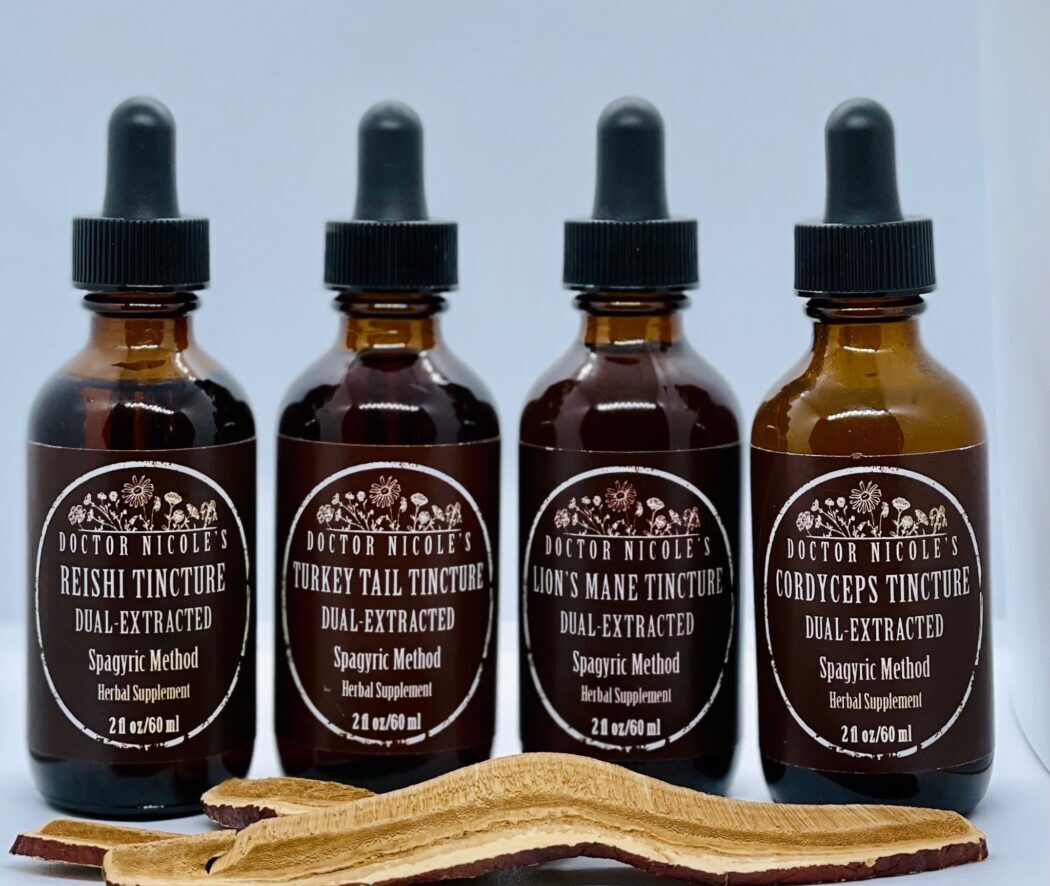
Our Mushroom FOURtress Bundle features dual-extracted, fruiting body extracts of cordyceps, lion’s mane, reishi, and turkey tail. Here are the benefits of each:
Cordyceps: energy, anti-inflammatory
Lion’s mane: focus, cognitive function, nerve health
Reishi: adaptogen, sleep, anti-inflammatory
Turkey tail: microbiome health, immune modulator
“I take all four tinctures in my morning coffee with some cream and Stevia and cannot taste it at all, yet I know the adaptogens are doing their job! Great products from Nicole. I trust her very much.” -Mary
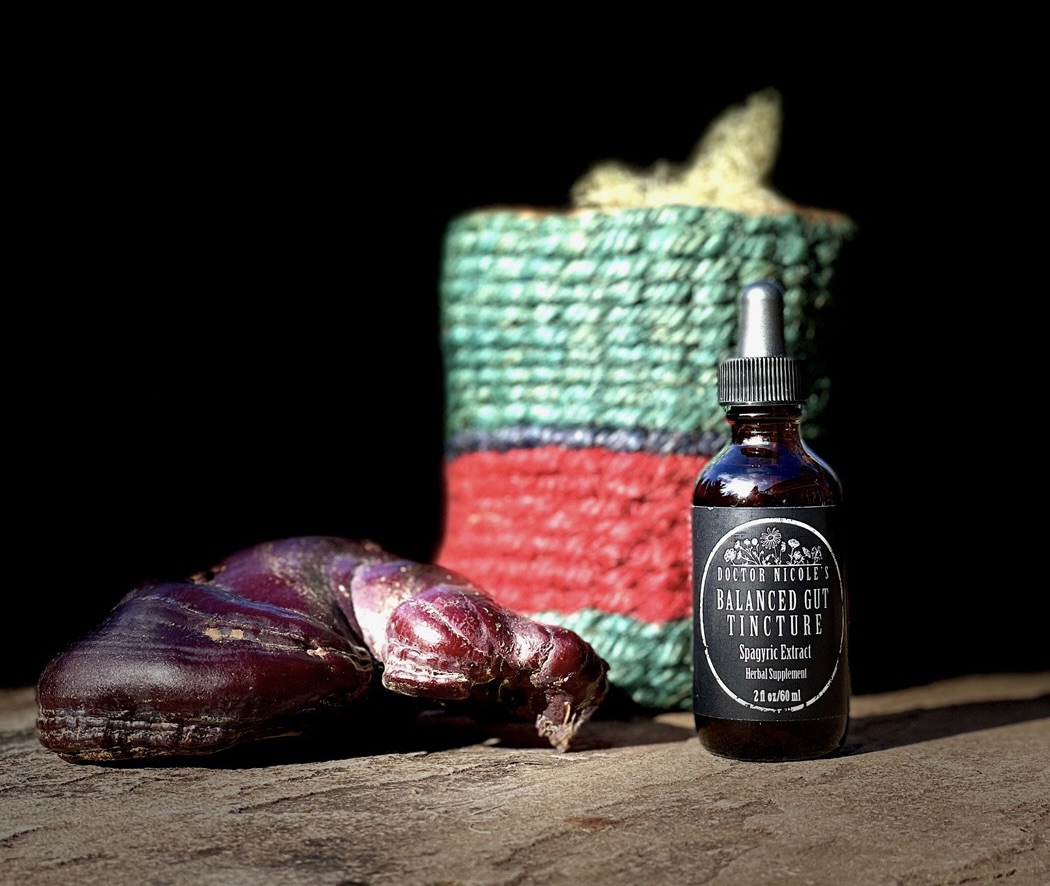
Add an additional layer of support with our Balanced Gut Blend that combines medicinal mushrooms and soothing herbs to support digestive function, gut integrity, and microbiome balance. Turkey tail supports the microbiome by nourishing beneficial gut bacteria and supporting a healthy digestive ecosystem. Reishi fosters immune balance and calms gut inflammation, while lion’s mane promotes healthy gut-brain axis communication for wellness. Lastly, slippery elm and marshmallow soothe, protect, and calm the intestinal lining.
“Love what the tincture does. Helping gut problems. This is my second bottle and I will purchase again.” -Marilynn
Shop Nicole’s Apothecary today for better energy, sharper focus, and deeper resilience.
Nicole Apelian
Nicole’s Apothecary Products in this Post
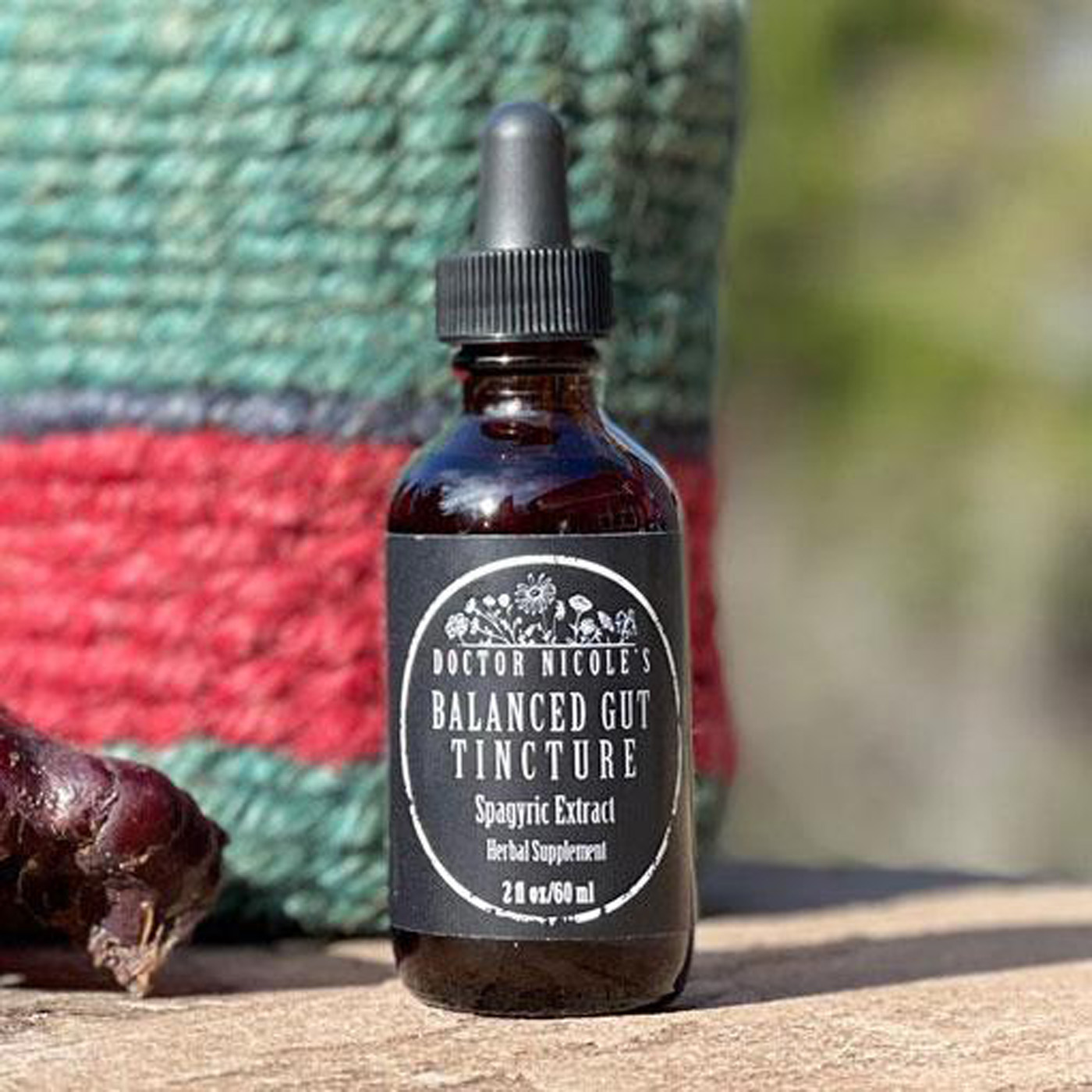
Balanced Gut Blend Tincture
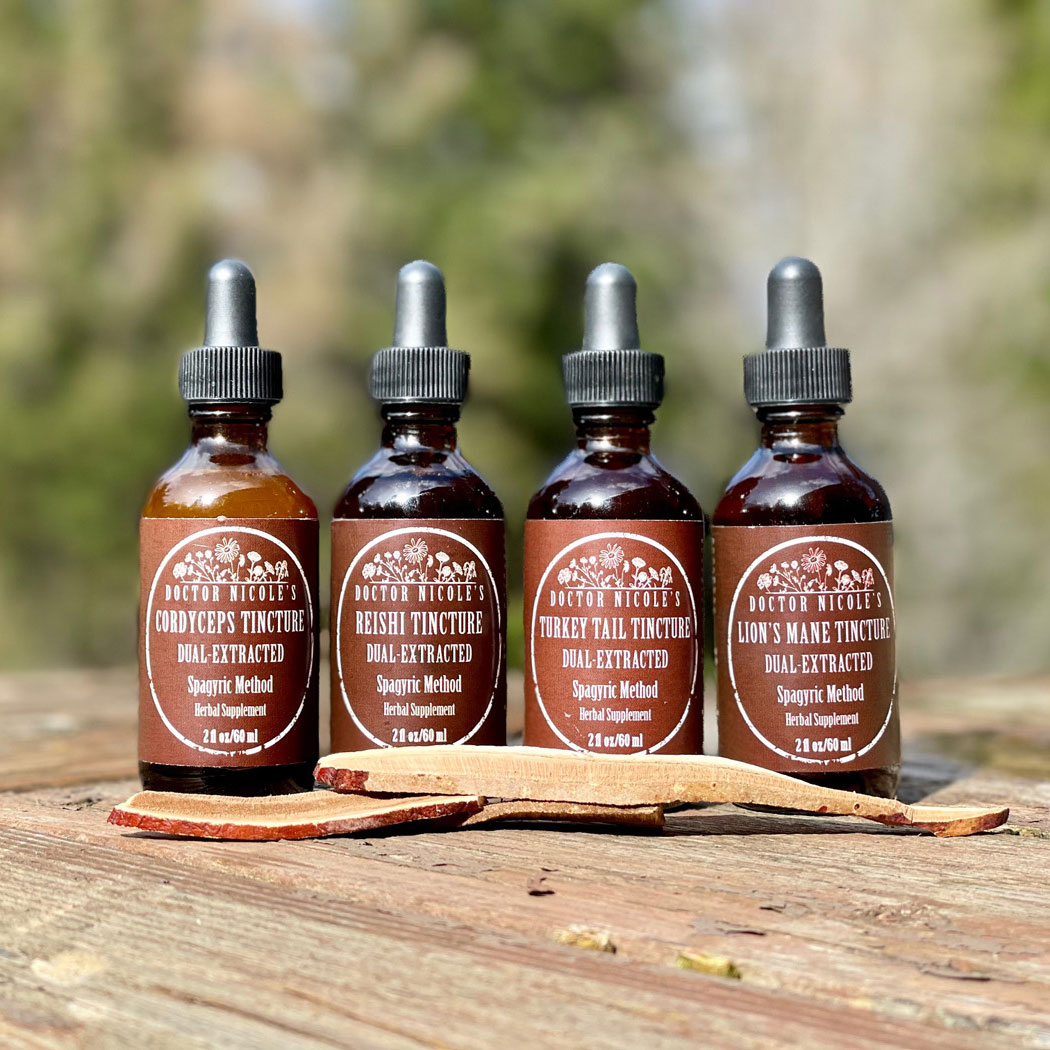
Mushroom FOURtress Bundle
References
- Berer K., Gerdes L.A., Cekanaviciute E., Jia X., Xiao L., Xia Z., Liu C., Klotz L., Stauffer U., Baranzini S.E., et al. Gut microbiota from multiple sclerosis patients enables spontaneous autoimmune encephalomyelitis in mice. Proc. Natl. Acad. Sci. USA. 2017;114:10719–10724. doi: 10.1073/pnas.1711233114.
- Huss, André et al. “Multiple Sclerosis and Clostridium perfringens Epsilon Toxin: Is There a Relationship?.” Biomedicines vol. 12,7 1392. 23 Jun. 2024, doi:10.3390/biomedicines12071392
- Rumah K.R., Linden J., Fischetti V.A., Vartanian T. Isolation of Clostridium perfringens type B in an individual at first clinical presentation of multiple sclerosis provides clues for environmental triggers of the disease. PLoS ONE. 2013;8:e76359. doi: 10.1371/JOURNAL.PONE.0076359.
- Wagley S., Bokori-Brown M., Morcrette H., Malaspina A., D’arcy C., Gnanapavan S., Lewis N., Popoff M.R., Raciborska D., Nicholas R., et al. Evidence of Clostridium perfringens epsilon toxin associated with multiple sclerosis. Mult. Scler. J. 2019;25:653–660. doi:
- Ma, Yinghua et al. “Epsilon toxin-producing Clostridium perfringens colonize the multiple sclerosis gut microbiome overcoming CNS immune privilege.” The Journal of clinical investigation vol. 133,9 e163239. 1 May. 2023, doi:10.1172/JCI163239
- “Study Finds Bacterial Toxin May Trigger Multiple Sclerosis Onset and Relapse” Weil Cornell Medicine press release, March 24, 2023. https://news.weill.cornell.edu/news/2023/03/study-finds-bacterial-toxin-may-trigger-multiple-sclerosis-onset-and-relapse