Motherwort: A bold beauty with a long history of natural healing
Tall and leafy with unique soft-pink flowers, motherwort is an herb in the mint family that quietly gets the job done. Hardy and unassuming, it is a time-tested medicinal plant that encourages heart health, eases stress, supports women’s wellness, and more. If you are in North America or Europe, there is a good chance you have seen this useful botanical growing along the edge of woodlands or in disturbed soil. Here’s a closer look at the key ways this herb can support your health.
Basic Identification
Motherwort is a tall, upright perennial that can reach about 6 1⁄2 feet (2 meters) in height and spread 3 feet (0.9 meters) or more across. Its leaves change shape as they grow along the stem. The lower leaves are large, deeply lobed, and coarsely toothed — often resembling maple or oak leaves. These can grow up to five inches long and have a slightly hairy texture with dark green on top and lighter underneath. The leaves become progressively smaller with shallower lobes and fewer teeth higher up. Near the top, they are typically narrow, small, and unlobed.
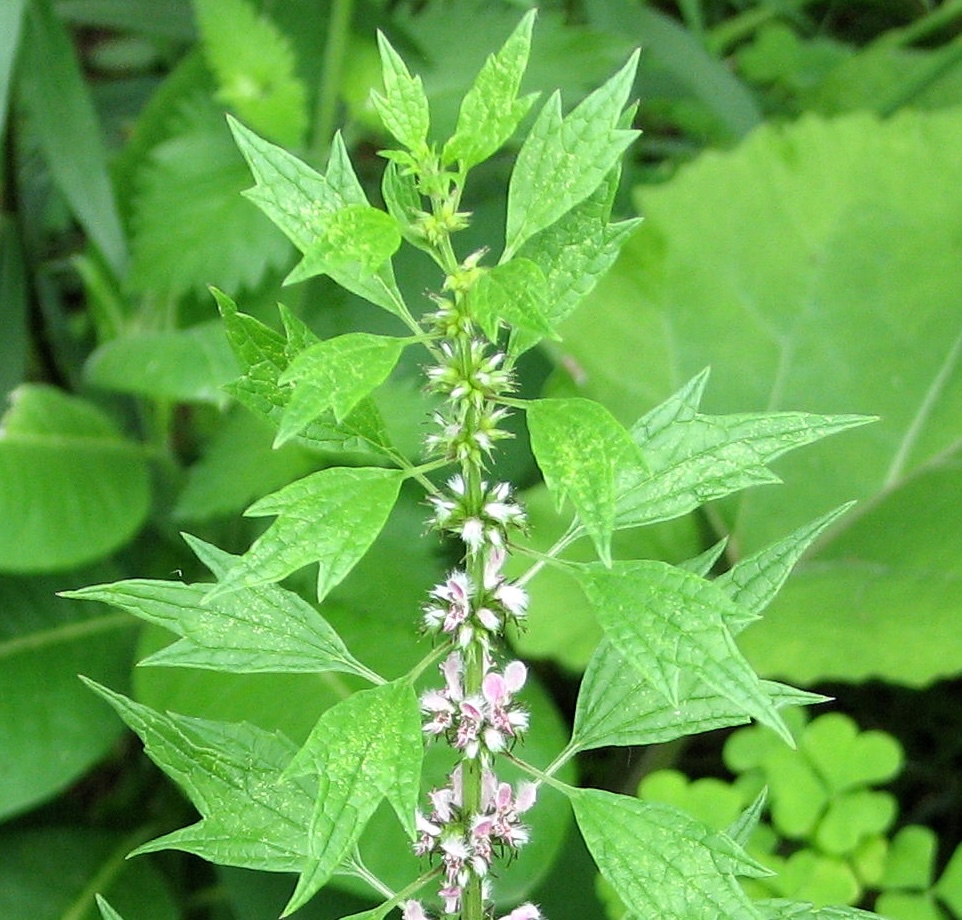
Photo Credit: D. Gordon E. Robertson, CC BY-SA 3.0
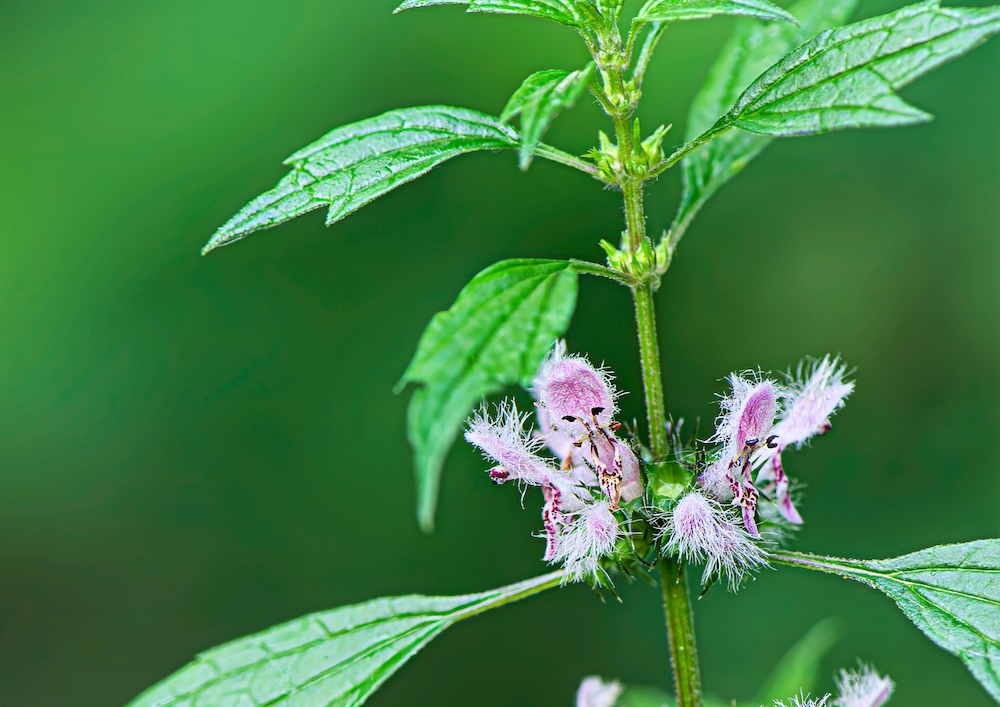
The stems are square in shape, hairy, and branch primarily toward the upper portion of the plant. Soft, hairy flowers in shades of pale pink to lavender form in circular clusters at the leaf nodes along the upper stems. They bloom from June through early September. After flowering, the calyx stays attached through winter, turning brown and rigid as it dries. Tucked within the lobes are four small nutlets.
Where Does It Grow?
Thriving at the edge of woodlands and in disturbed soils, motherwort can be found throughout North America and Europe.
Edible Uses
The flowers can be used as a flavoring in green soups, beer, or brewed as a tea. The leaves are extremely bitter and rarely eaten.
Medicinal Uses
Both the leaves and the flowers are used medicinally as a nervine tonic and for women’s health issues, heart conditions, mental health concerns, and hyperthyroidism.
Recipe. Motherwort Tincture.
Ingredients/supplies: Motherwort leaves, stems, and flowers, roughly chopped, 80 proof vodka or similar drinking alcohol, plus a glass jar — sterilized.
Instructions: Fill the jar with chopped leaves, stems, and flowers about 1/2 full. Fill the jar to within 1/4 (0.6cm) inch of the top, completely covering the herbs. Cap the jar tightly and store it in a cool, dark place. Shake the jar once a day for six weeks. Check the alcohol levels regularly and add more alcohol as necessary to keep the jar full. Strain out the herbs and store the tincture in a labeled sterile jar in a cool, dark place.
Here are my top 4 uses for motherwort:
Women’s Health. Traditionally, motherwort is used to reduce stress and tension during labor, while strengthening uterine contractions and to help the uterus recover after birth. It is also helpful for regulating female hormones, stimulates menstrual flow, eases PMS, and helps tone the uterus.
Attention Deficit Hyperactivity Disorder (ADHD). When paired with lemon balm, valerian, and wild oats, motherwort helps those with ADHD focus and calm the nervous system.
Heart Health. Motherwort helps to prevent the calcification of arteries and helps with high cholesterol, hypertension, and other heart conditions. See Nicole’s Apothecary for a ready-made Heart Health Blend.
Insomnia and Sleep Issues. As a calming herb, motherwort helps to improve sleep problems and restlessness during bedtime. Take a look at my Sleep Blend for an additional level of support.
Safety: Pregnant women should only use motherwort under medical supervision as it can expedite labor and increase contractions. Consult with your healthcare practitioner if taking heart medications or have a heart condition.
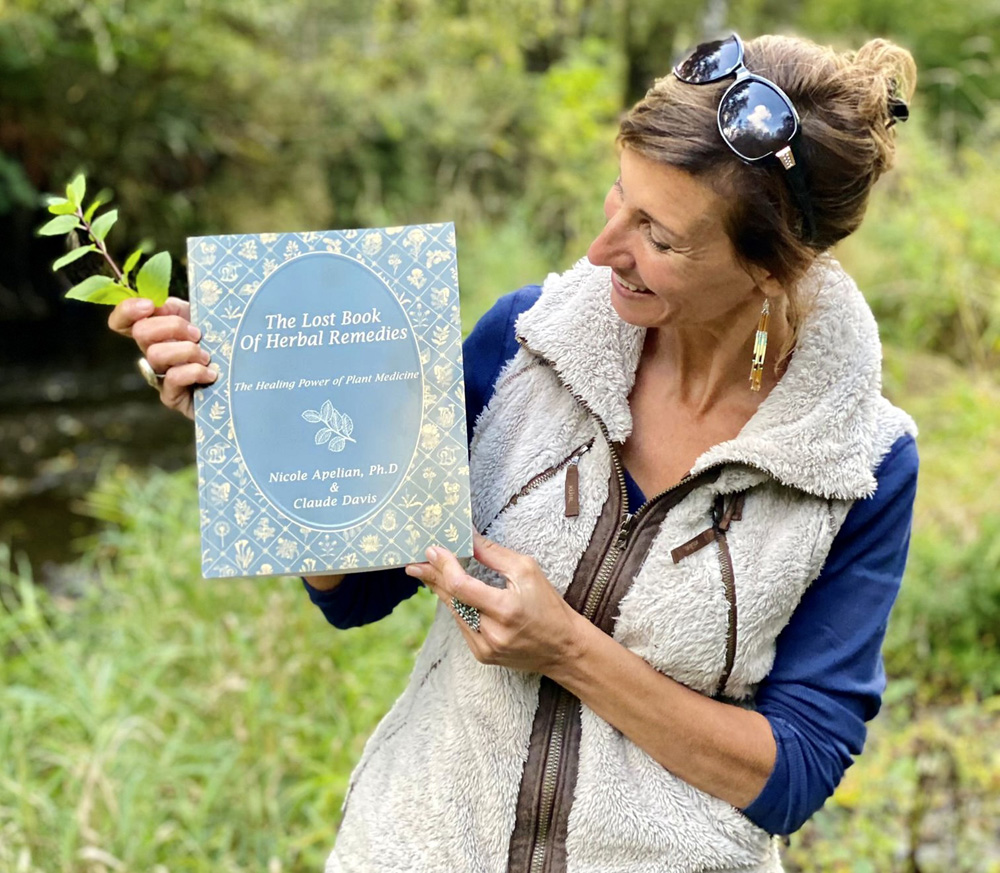
But that’s not all. In The Lost Book of Herbal Remedies: The Healing Power of Plant Medicine, I cover more than 11 ways to use motherwort, plus step-by-step harvesting tips for this and other easy-to-find plants. You’ll also learn how to craft your own tinctures, decoctions, oil infusions, and more right at home. Nature truly provides!
Unlock the Healing Power of Nature With My Herbal Academy
If you would like to deepen your knowledge of herbal medicine with hands-on instruction, my online Herbal Academy Master Course is for you!
You will learn how to make dozens of different extractions, salves, poultices, tinctures, syrups, oil infusions, and more.
Once you have signed up for the course, you will receive The Lost Remedies Academy Guidebook that contains all the information from the videos for swiftly identifying plants with clear pictures and diagrams. As a bonus, I’m including three additional digital resources for anti-inflammatory meal plans, wild edibles found around your home, and an herbal weight loss protocol with 50+ recipes.
Unlock the secrets of nature with a one-time purchase that grants you and your family instant lifetime access to my in-depth Lost Remedies Academy. Say goodbye to subscriptions and enjoy a world of knowledge anytime, anywhere on your phone, tablet, laptop, or TV. I am so confident in the value of my academy that I offer a 60-day, no-questions-asked money-back guarantee.
Whether you’re a beginner eager to explore the world of medicinal herbs and foraging, or you’re looking to expand existing knowledge, this course is tailored to empower you to take charge of your health and self-sufficiency, while reducing the need for costly medical visits.
I know you are going to love it! Tap HERE and join today!
Nicole Apelian