

Neurological Risks, Everyday Exposure, and How to Protect Yourself
Researchers have known for quite some time that heavy metals in the brain can cause significant issues, and aluminum isn’t an exception. A 2020 study has found that people with multiple sclerosis (MS) and other neurological conditions have a significantly higher level of the toxic metal than healthy controls. This is concerning since exposure to aluminum is becoming increasingly common through cars, cellphones, household appliances — along with cosmetics, antiperspirants, vaccines, and medicines. It’s also found in our food, soil, water, and air. Living in our modern day, it’s nearly impossible to avoid this neurotoxic metal. The good news is that there are practical steps we can take to protect ourselves from its toxic effects, which we’ll explore in this post.
Aluminum, MS, Autism, and Alzheimer’s
A study published in the journal Nature Scientific Reports has established that those with neurological diseases — such as MS, autism, and Alzheimer’s — have much higher levels of aluminum than those without neurodegenerative conditions.1 While we normally accumulate the metal in small amounts that are rendered inert through biochemical processes, the researchers set out to establish how much aluminum in the brain is considered safe before it begins to cause damage.
For the study, the team analyzed 191 tissue samples from 20 control brains that included five men and fifteen women, ages 47 to 105 years old. The control donors did not have any indication of neurodegeneration or diagnosis, however there were age-related changes in the older samples. The researchers noted that “The aluminum content of 191 tissue samples was invariably low with over 80% of tissues having an aluminum content below 1.0 [mcg]/g dry weight of tissue.” Interestingly, the aluminum concentrations did not increase with age or vary by sex. Only two of the twenty samples were younger than 66, which may explain the stable levels of aluminum in older brains.
The team then compared these findings with data for those with MS (14 patients), Alzheimer’s disease (12 patients), and autism spectrum disorder (5 patients) and found that the aluminum concentrations for all the disease groups were substantially higher than the controls.
Correlation does not imply causation with these findings, and the team is quick to point out that more research is needed. It certainly gives you pause, however, since aluminum has been shown to be neurotoxic.
Understanding the Impact
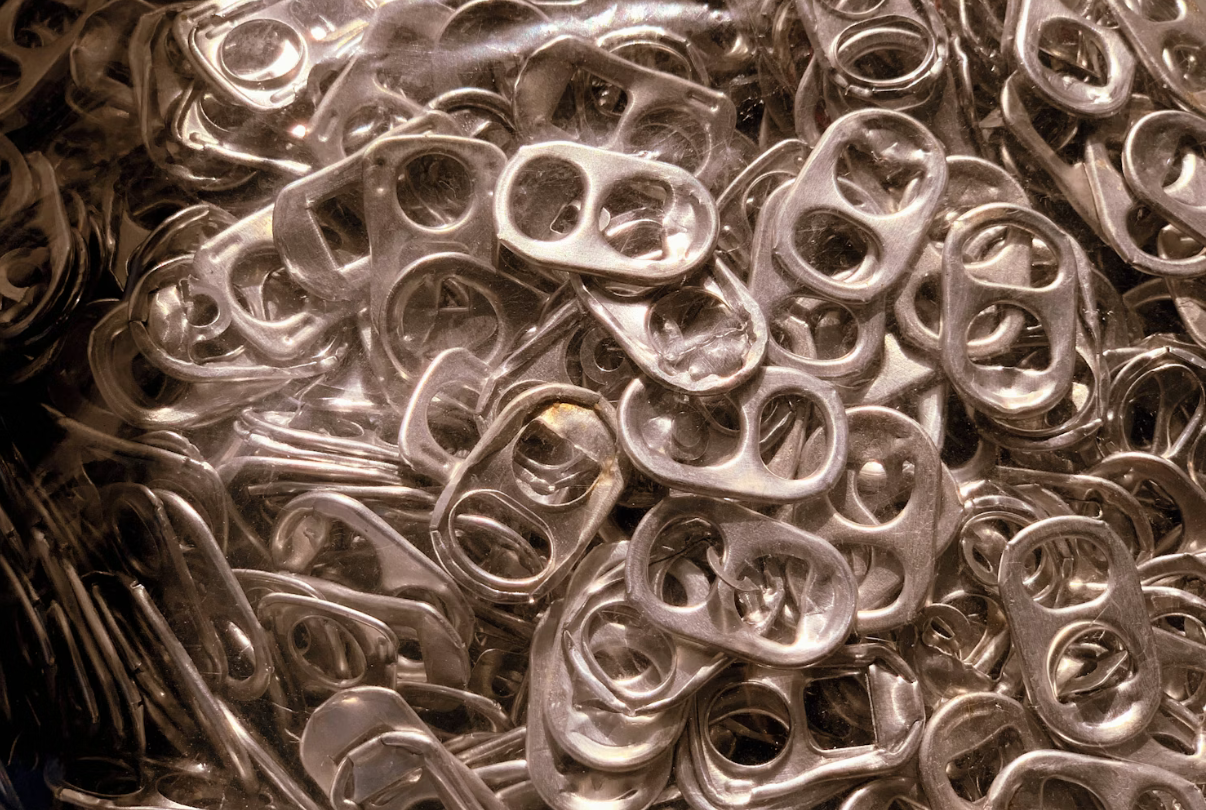
In light of these findings, where does this leave us? After all, aluminum is a highly useful metal and halting its use isn’t likely. It has played an important role in modern developments from airline travel to industrial advancements and even protective tiles on the space shuttle.2 It’s also an impressive metal for cookware, thanks to its even distribution of heat. However, its versatility and widespread use also make it unavoidable. Aluminum is not just showing up in consumer products and industrial innovations, but also in our soil, water, air, and food via acid rain and environmental pollution, where it then makes its way in our bodies — and brains.
Detoxifying Heavy Metals
To counteract this exposure and protect health, it’s crucial to support your detoxifying organs (kidneys and liver), while also avoiding aluminum cookware and foil that’s in direct contact with food — including disposable aluminum containers. Opt for natural deodorants that forego aluminum as an antiperspirant. Additionally, make sure to drink plenty of water throughout the day to flush out toxins and clear the kidneys.
You can also embrace sulfur-rich foods — such as broccoli, garlic, onions, and kale — to support the liver and enhance detoxification pathways. A diet that includes plenty of silica is also important to reduce aluminum absorption. It’s found abundantly in oats, green beans, and cucumbers.3 Cilantro may also be helpful.
Interested in diving deeper? See this post for additional information on safely detoxifying heavy metals.
Supportive Herbal Formulations: Brain and Liver Health
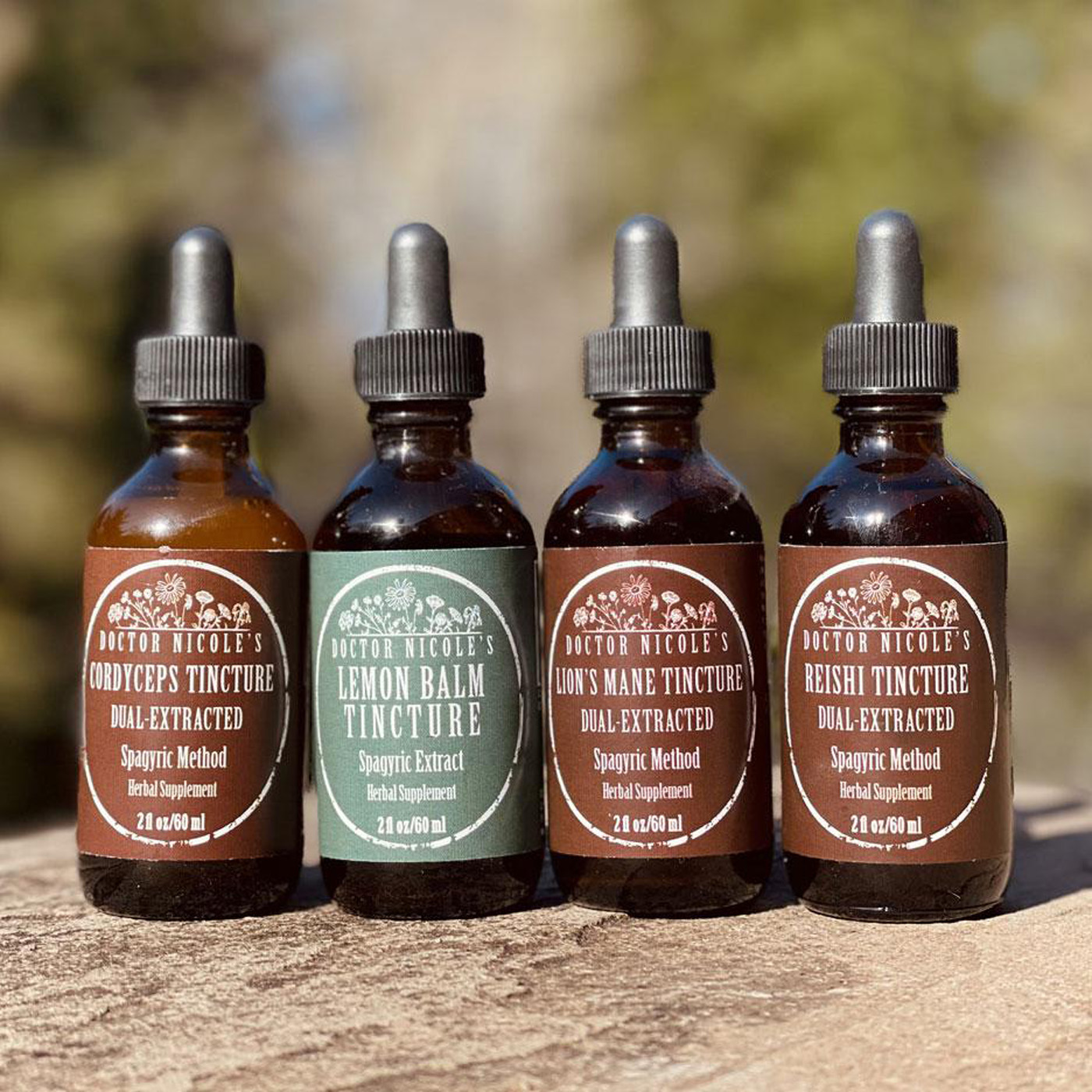
If learning that higher aluminum levels have been found in the brains of those with Alzheimer’s, MS, and autism gives you pause, you’re not alone. While researchers continue to explore what the connection means, many people are looking for natural, proactive ways to protect their brain health. An excellent option is Nicole’s Apothecary Brain Bundle. It brings together dual-extracted Cordyceps, Lion’s Mane, Reishi, and Lemon Balm — time-tested botanicals known to support cognitive function, nerve health, balanced energy, restorative sleep, and a healthy stress response. Crafted for potency using only the mushroom fruiting body, this powerful blend is designed to help you support brain health naturally, everyday.
ADHD AND STRESS RELIEF — PLUS, NO MORE BRAIN FOG!
“I use the entire Brain Bundle and the Lion’s Mane, Turkey Tail and Cordyceps have also been huge game-changers for me. My energy is better and I have less brain fog. Thank you!” -Martha R.
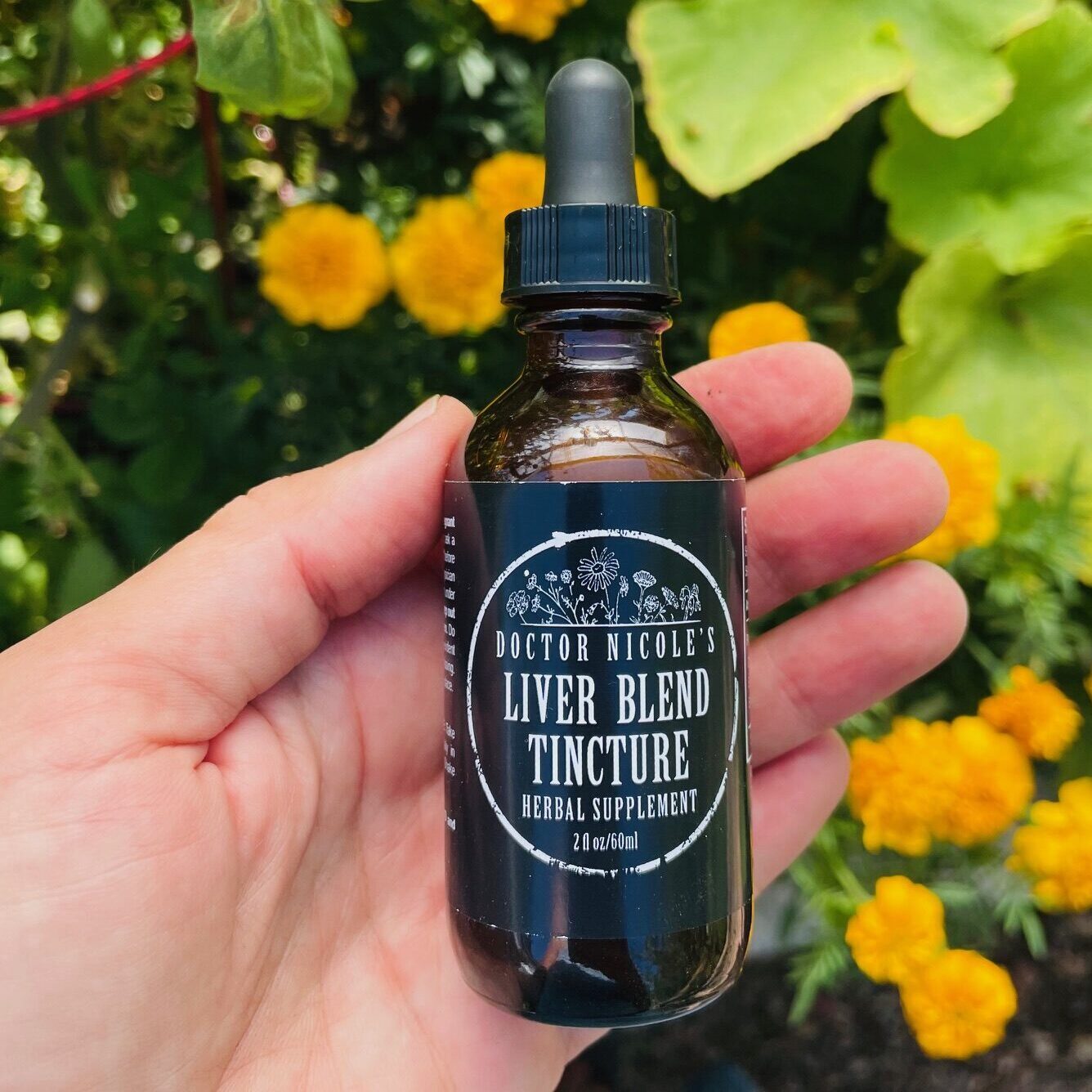
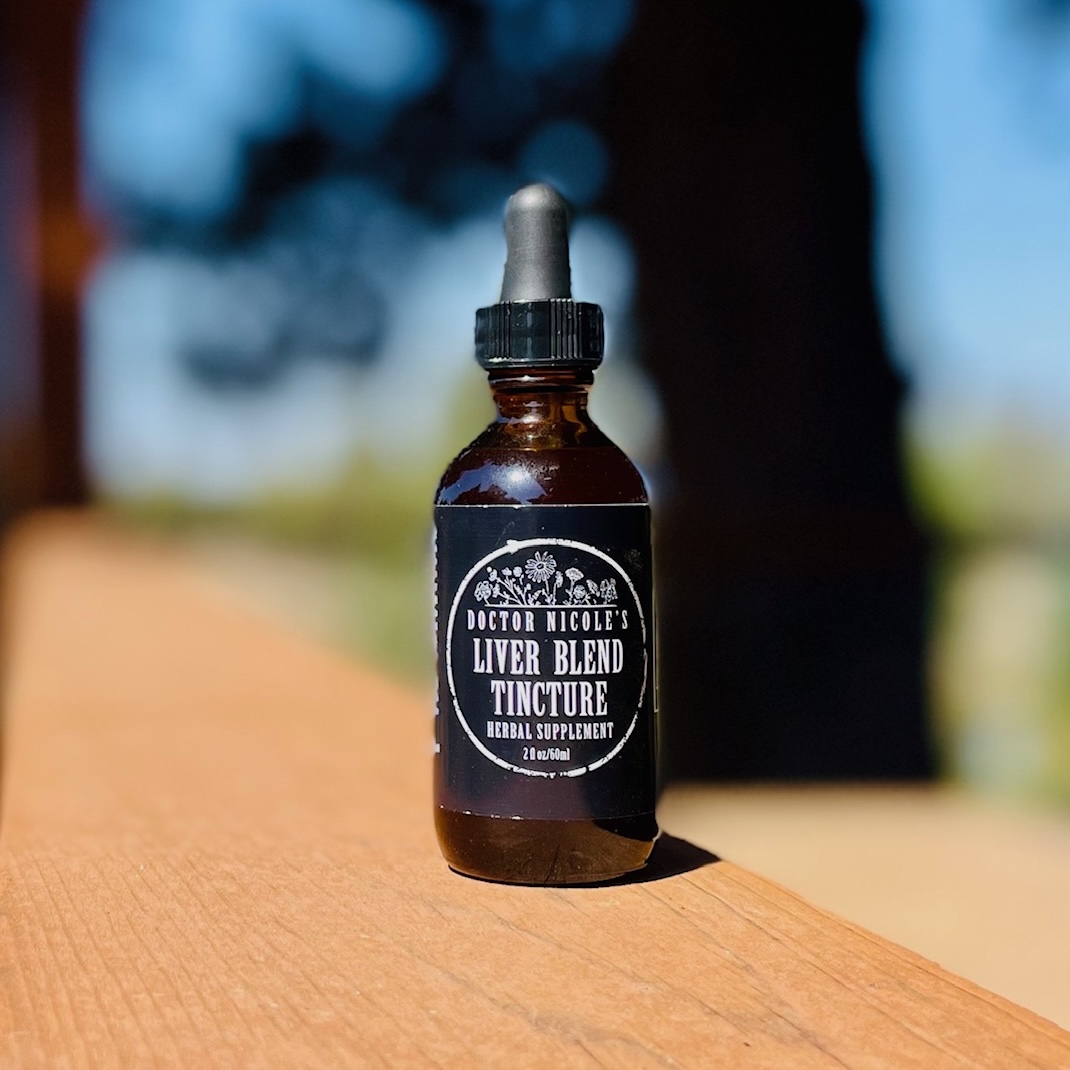
Caring for your brain is only part of the solution. Since the liver plays a central role in filtering toxins, supporting healthy detox pathways matters too. That’s why we also offer a Liver Blend featuring concentrated extracts of dandelion root, milk thistle, and schisandra berry — botanicals traditionally used to promote gentle, natural detoxification and encourage strong, balanced liver function.
If you’re ready to support both your brain and body with thoughtfully crafted, research-backed botanicals, explore Nicole’s Apothecary Brain Bundle and Liver Blend today — and give your wellness routine an upgrade.
Nicole Apelian
FAQ & Action Steps
FAQs: Aluminum and the Brain
Does aluminum build up in the brain?
Research has detected aluminum in human brain tissue. While small amounts can accumulate over time, the long-term impact of higher levels is still being studied.
Does aluminum cause MS, Alzheimer’s, or autism?
Current research shows an association, not proof of cause and effect. Higher aluminum levels have been observed in certain neurological conditions, but scientists emphasize that more research is needed to determine whether aluminum contributes to these diseases or is a secondary factor.
Where does aluminum exposure come from?
Aluminum is widely used in cookware, food packaging, antiperspirants, cosmetics, some medications, and industrial products. It is also present in soil, water, and air due to environmental pollution, making low-level exposure common in modern life.
How much aluminum is considered safe?
In control brain samples from individuals without neurodegenerative disease, more than 80 percent contained less than 1.0 microgram per gram of dry tissue weight. Researchers are still working to better understand what levels may be harmful over time.
Can the body remove aluminum?
The kidneys and liver help process and eliminate many toxins, including certain metals. Supporting overall detoxification pathways through hydration, nutrition, and healthy lifestyle habits may assist the body’s natural elimination processes.
Action Steps to Reduce Aluminum Exposure and Support Detoxification
- Minimize direct contact with aluminum in food preparation. Avoid cooking acidic foods in aluminum cookware or foil. Choose glass, stainless steel, or cast iron when possible.
- Rethink personal care products. Look for deodorants and cosmetics that do not contain aluminum compounds.
- Stay well hydrated. Drinking adequate water supports kidney function and helps the body flush waste products.
- Eat foods that support natural detox pathways. Include sulfur-rich vegetables such as broccoli, garlic, onions, and kale to support liver function. Foods rich in silica, like oats, cucumbers, and green beans, may help reduce aluminum absorption.
- Support brain and liver health proactively. Consider incorporating research-backed botanicals that nourish cognitive function and promote healthy liver activity as part of a comprehensive wellness plan. See Nicole’s Apothecary Brain Bundle and Liver Blend for herbal support.
Nicole’s Apothecary Products in this Post
Brain Bundle
Liver Blend Tincture
References
- Exley, C., Clarkson, E. Aluminium in human brain tissue from donors without neurodegenerative disease: A comparison with Alzheimer’s disease, multiple sclerosis and autism. Sci Rep 10, 7770 (2020). https://doi.org/10.1038/s41598-020-64734-6
- “The Aluminum Age” by Chris Exley, Professor in Bioinorganic Chemistry Keele University, The Hippocratic Post, March 21, 2017. https://www.hippocraticpost.com/mens-health/the-aluminium-age/
- Sears, Margaret E. “Chelation: harnessing and enhancing heavy metal detoxification–a review.” TheScientificWorldJournal vol. 2013 219840. 18 Apr. 2013, doi:10.1155/2013/219840