
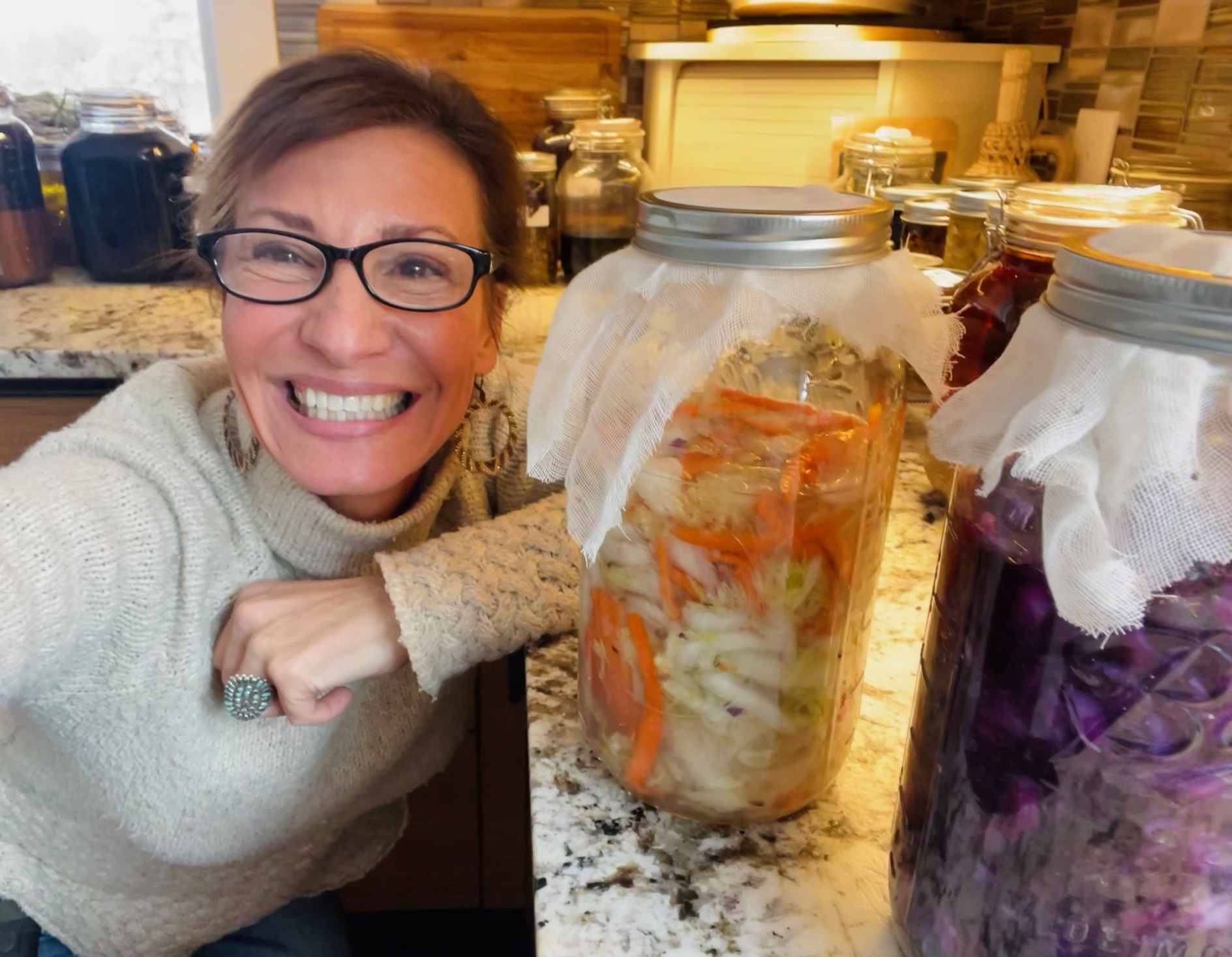
Can eating fermented foods help you avoid inflammatory diseases?
Recent research says yes! Scientists have also found that pairing these foods with a fiber-rich diet offers even more protection. It all comes down to a thriving microbiome, metabolic health, and steering clear of many foods typically found in Western diets. The scientists investigated how heritage diets — traditional ways of eating that typically lean heavily towards plant-based foods — impact inflammation, immune response, and metabolic pathways. Their findings are a fascinating look into how food is medicine.
Western vs. Heritage Diets: What Science Says About Inflammation and Immunity
For the study, three groups of men living in the Kilimanjaro area of Tanzania were given either a heritage diet for their region or a Western-style diet for two weeks. The third group was given a traditional fermented drink of bananas and millet in addition to their standard Western-style diet for one week. Each group included between 22-23 participants. The first two groups were given the opposite diet from their normal eating patterns — the heritage group typically ate a Western diet, whereas the Western diet group normally consumed a traditional diet outside of the study. The main focus of the research was to establish changes in immune function, inflammation markers, and overall metabolic health that were tied to each style of diet.1
In just two weeks, those who switched from a heritage African diet to a Western diet experienced pro-inflammatory white blood cell activity, inflammatory blood proteins, and shifts in gene expression. Their immune systems took a hit as well and became less effective at staving off harmful pathogens.
On the flip side, transitioning to a largely plant-based, traditional African diet or including the fermented beverage reduced inflammatory markers and systemic inflammation. Immune and metabolic markers improved as well — and continued four weeks after the intervention was completed.
“The African diet includes plenty of vegetables, fruits, beans, whole grains, and fermented foods. Our study highlights the benefits of these traditional food products for inflammation and metabolic processes in the body”, notes study author Quirijn de Mast, MD, PhD. “At the same time, we show how harmful an unhealthy Western diet can be. It typically consists of processed and high-calorie foods, such as French fries and white bread, with excessive salt, refined sugars, and saturated fats. Inflammation is at the root of many chronic conditions, which makes this study highly relevant for Western countries as well.”2
The traditional diet used in the study included:
- Black tea
- Green vegetables
- Legumes
- Plantains
- sweet potatoes
- Cassava
- Taro
- Millet
- Sorghum
A typical Western diet is rife with pro-inflammatory foods, such as processed meats, refined sugar, white flour, fried foods, and pizza. Each diet influences microbiome health — for better or worse. See my post, “Fertilize Your Gut” to dive deeper into how diet impacts the microbiome and gut health.
Keep in mind there are a few limitations with the study: a small participant group involving only men and a short duration. Be that as it may, the findings highlight the importance of a diet high in fiber and fermented foods such as sauerkraut, kimchi, kombucha, active yogurt, and kefir to support a healthy microbiome, lower inflammation, improve immunity, and enhance metabolic function.
If you’re ready to improve your health through simple dietary shifts, here’s a simple sauerkraut recipe to get you started!
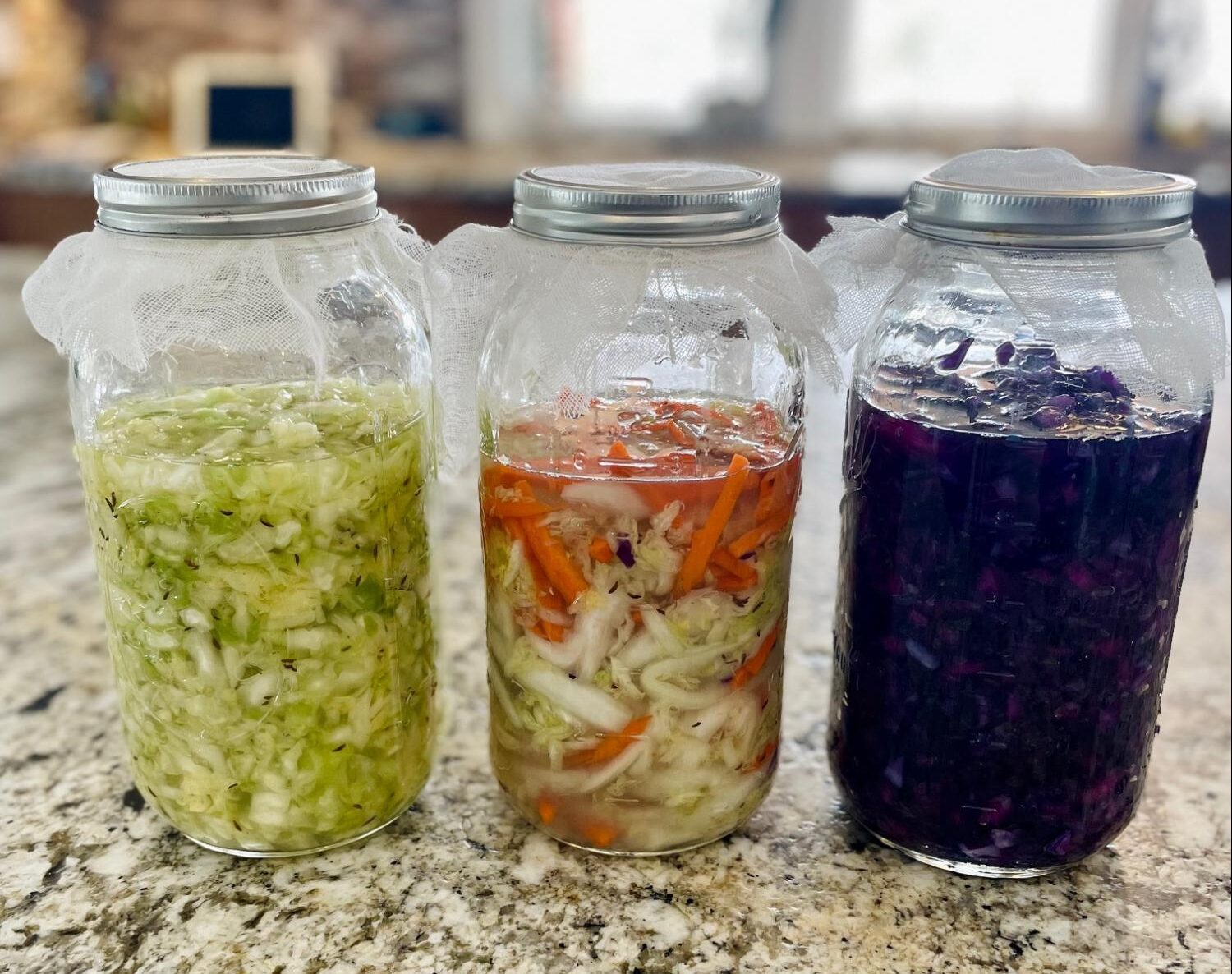
Recipe. Sauerkraut. You will need: One head of cabbage, high-quality salt, 1-liter sized Bell canning jar with metal lid band and “Pickle Pipe” silicone lids by MasonTops or a sauerkraut crock (which is what I used here) .
Rinse the cabbage and set aside the outer leaves — you will use these later. For the remainder of the head, slice, chop, or shred it by hand or using a food processor. In a large bowl, massage one tablespoon of Himalayan, non-iodized, or other high-quality sea salt into the cabbage for a few minutes until a brine begins to form. Pack the cabbage tightly into a clean 1-liter jar or crock. Make sure to press it down to remove any air pockets.
Pour the brine into the jar so that the cabbage is completely submerged. Take the remaining cabbage leaf and fit it on top of the brine/cabbage mixture, which will help to weigh down the shredded vegetables. Make sure there isn’t any air, as this will allow harmful bacteria to grow.
If using a jar, remove the flat metal disk from your Bell jar lid and replace it with your Pickle Pipe silicone insert or another airlock fermentation lid. Screw the lid on securely and keep your sealed jar at room temperature away from direct sunlight for 1-4 weeks. This method has very little smell during fermentation. You can also use a sauerkraut crock with a weight for larger batches. You can also cover the top of your mixture with your larger outer cabbage leaves if that’s all you have available. The longer you ferment your sauerkraut, the more tart it will become.
For variety, you can also add garlic cloves, fresh dill, caraway seeds, shredded carrot, daikon, or horseradish — even a few juniper berries. Get creative!

How to Heal Your Gut Naturally and Reduce Inflammation
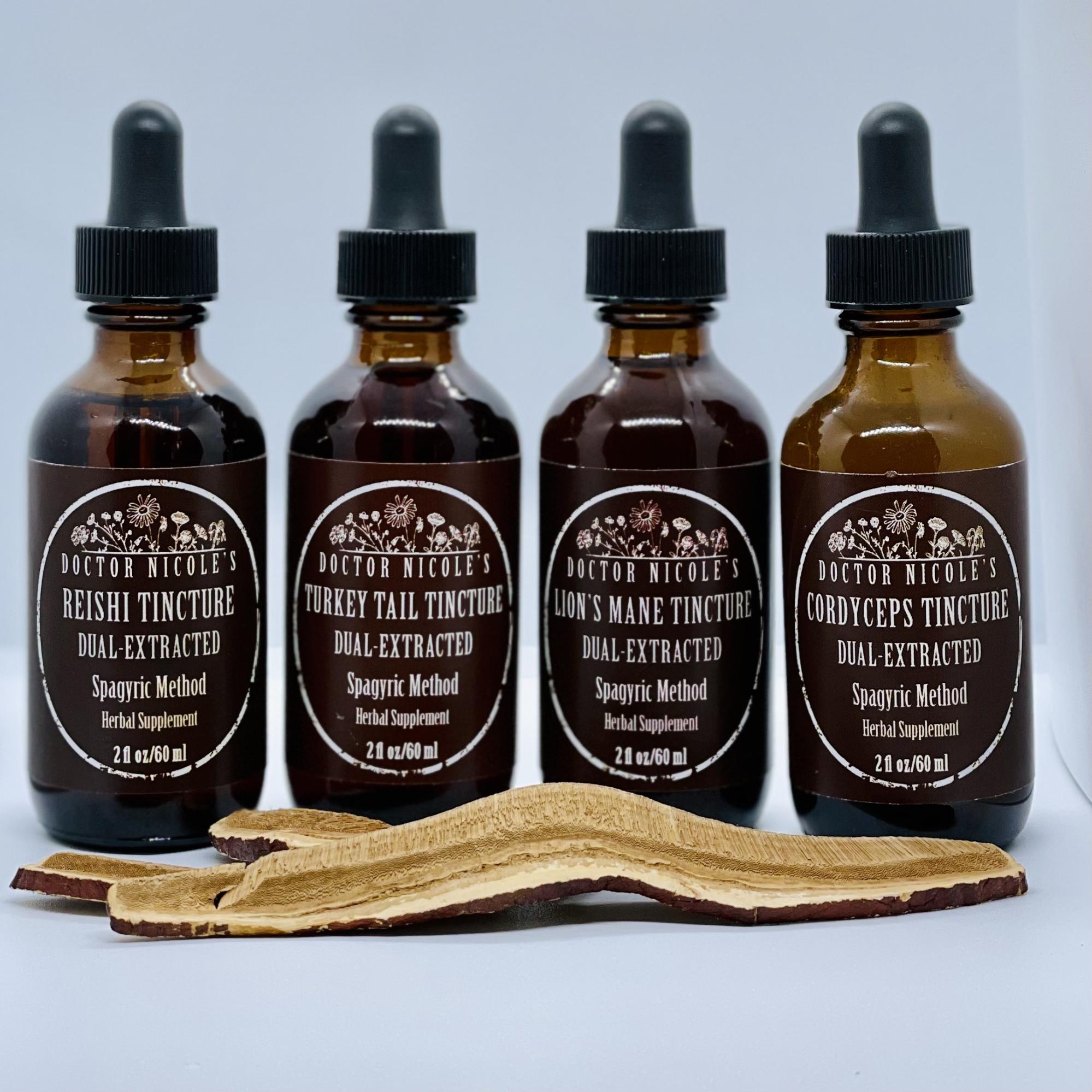
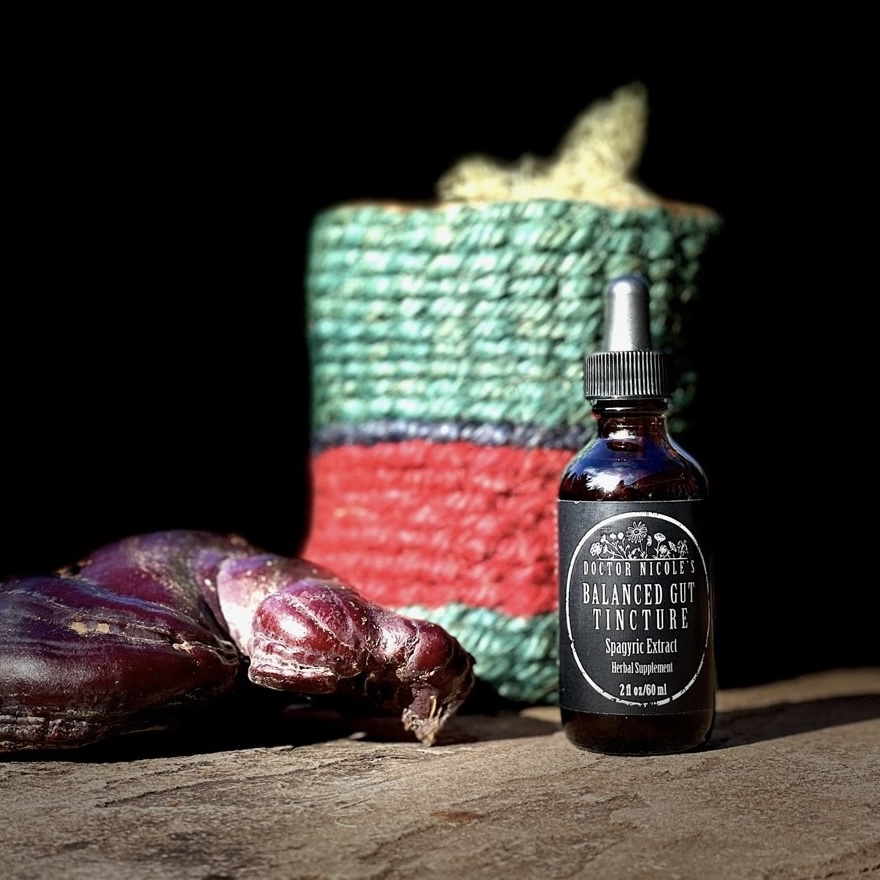
Herbal extracts also play a significant role in calming inflammation, supporting a healthy microbiome, repairing leaky gut, and improving metabolic function. Two of the most effective options are my Mushroom FOURtress Bundle — dual-extracted, fruiting-body tinctures of turkey tail, reishi, lion’s mane, and cordyceps — and our Balanced Gut Blend, which combines lion’s mane, turkey tail, and reishi with soothing herbs such as marshmallow root, plantain, and slippery elm. Together, these formulations help to support gut integrity, boost beneficial bacteria in the microbiome, and calm inflammation.
A NOTICEABLE DIFFERENCE
“I am super grateful for this FOURtress tincture set. I feel a complete difference in my body when I’m taking this and I notice if I don’t. Thank you Nicole for making such high-quality tinctures and ingredients. I appreciate you.” -C.S.
Support your gut, tame inflammation, and feel amazing — shop Nicole’s Apothecary today!
Nicole Apelian
Nicole’s Apothecary Products in this Post
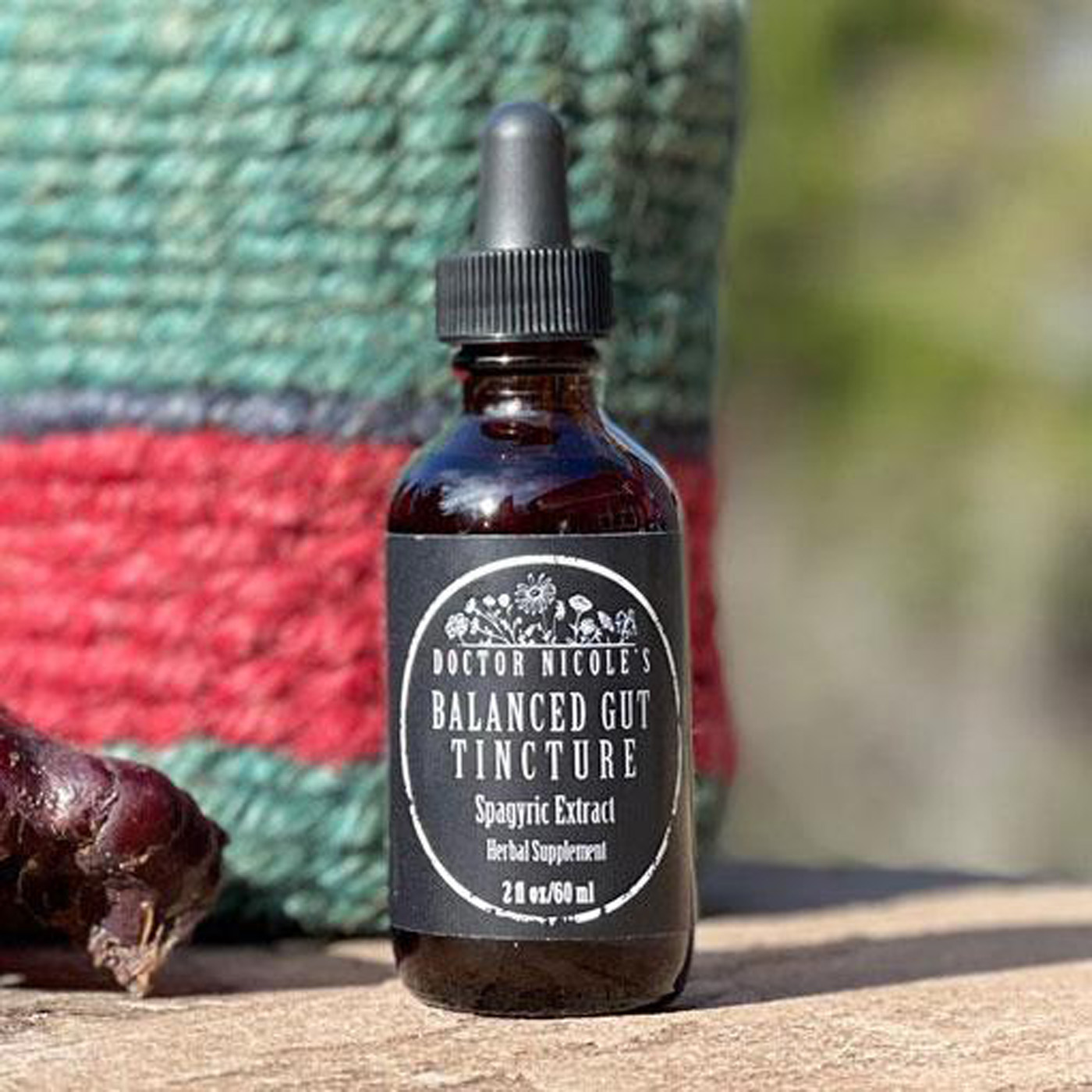
Balanced Gut Blend Tincture
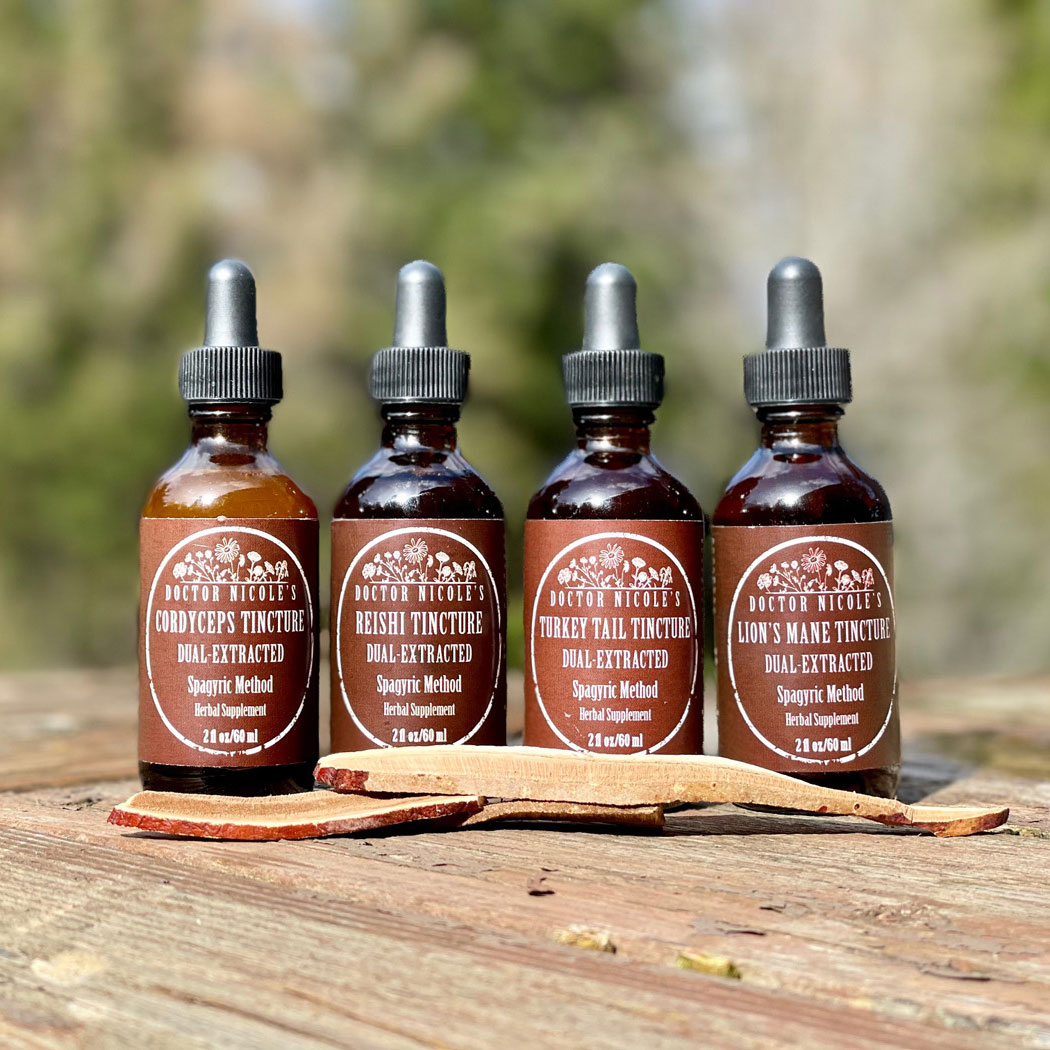
Mushroom FOURtress Bundle
FAQs
Does fiber reduce inflammation?
Yes — studies have shown fiber calms immune activity, largely through SCFA production produced by beneficial bacteria in the gut.3
How much fiber should I eat per day?
Most people benefit from 25–35 grams daily — by slowly increasing intake to avoid bloating.
Are fermented foods better than high fiber foods for gut health?
They’re both useful. Fermented foods and fiber help to lower inflammation, heal the gut, and support a healthy microbiome.4
Why are dual-extracted, fruiting body medicinal mushrooms important?
Dual-extracted tinctures made from the fruiting bodies of medicinal mushrooms deliver the highest concentration of active compounds to support immunity, metabolic health, and overall wellness.5
Action Steps: Gut Health and Inflammation
- Enjoy 1–2 servings of fermented foods daily (sauerkraut, kimchi, kombucha, active yogurt and kefir, etc.)
- Increase fiber-rich foods at each meal (whole grains, legumes, fruit, vegetables, nuts, and seeds)
- Support gut health and function with our Balanced Gut Blend herbal extract
- Tame inflammation with dual-extracted, fruiting body medicinal mushrooms: turkey tail, lion’s mane, reishi, and cordyceps (Mushroom FOURtress Bundle)
References
- Kawamoto, Y., Ueno, Y., Nakahashi, E., Obayashi, M., Sugihara, K., Qiao, S., Iida, M., Kumasaka, M. Y., Yajima, I., Goto, Y., Ohgami, N., Kato, M., & Takeda, K. (2016). Prevention of allergic rhinitis by ginger and the molecular basis of immunosuppression by 6-gingerol through T cell inactivation. The Journal of nutritional biochemistry, 27, 112–122. https://doi.org/10.1016/j.jnutbio.2015.08.025. https://pubmed.ncbi.nlm.nih.gov/26403321/
- “Diet high in fiber, fermented foods could keep inflammatory diseases at bay” by Kelsey Costa, MS, RDN | Fact checked by Jill Seladi-Schulman, Ph.D. Medical News Today, April 7, 2025. https://www.medicalnewstoday.com/articles/diet-high-in-fiber-fermented-foods-could-keep-inflammatory-diseases-at-bay
- “Western diet causes inflammation, traditional African food protects” Radboud University Medical Center, News Release, April 3, 2025, EurekAlert!. https://www.eurekalert.org/news-releases/1078973
- Kabisch, Stefan et al. “Impact of Dietary Fiber on Inflammation in Humans.” International journal of molecular sciences vol. 26,5 2000. 25 Feb. 2025, doi:10.3390/ijms26052000
- Wastyk, Hannah C et al. “Gut-microbiota-targeted diets modulate human immune status.” Cell vol. 184,16 (2021): 4137-4153.e14. doi:10.1016/j.cell.2021.06.019
- Our Methods, Nicole’s Apothecary. https://nicolesapothecary.com/pages/our-methods