
Why Is Lung Cancer Increasing in People Who Don’t Smoke?
The most common form of cancer worldwide and a leading cause of cancer death, lung cancer has long been associated with older male smokers. But this is changing. Over the last several years the disease has risen dramatically in non-smokers. Surprisingly, researchers have found that females who have never smoked are more than twice as likely to develop lung cancer as men.1 It's a mystery scientists are just beginning to unravel. In this post, we will explore why there is a sharp rise in non-smoker lung cancer patients, what to look for if you are in a high-risk group, and recommendations for helping to protect yourself against this deadly disease.
Risk Factors
Although tobacco use remains the leading cause of lung cancer, cases among never-smokers have risen significantly, now ranking as the fifth leading cause of cancer-related deaths worldwide. According to research published in the National Review of Clinical Oncology, there were over 20,000 lung cancer deaths in the United States in 2023 among never-smokers.2 Overall, lung cancer patients who are never-smokers account for 10% to 15% of all lung cancer cases — a percentage that is expected to rise in the near future.3
Female never-smokers are particularly at risk — especially those who are of Asian or Hispanic descent. Lung cancer among never-smokers primarily affects those over the age of 60, which is the same as tobacco smokers.3 Those who have never smoked tend to develop a different type of cancer compared to smokers: lung adenocarcinoma, a slow-growing, non-small cell lung cancer (NSCLC).
There's also a difference in how the mutations develop within the two groups: smokers experience genetic mutations caused by years of smoking, whereas researchers believe never-smokers may have already had mutations at birth that turn malignant.4
Even so, the cause of the disease in never-smokers is still unproven. However, a number of risk factors have been identified, including: radon and second-hand smoke exposure; cooking fumes from burning wood or coal; and outdoor air pollution. In fact, people who live in highly polluted areas are more likely to die from lung cancer than those who do not. Outdoor air pollution is the second leading cause of all lung cancer cases after smoking.6 Wildfire smoke also dramatically increases the risk of developing lung cancer.7
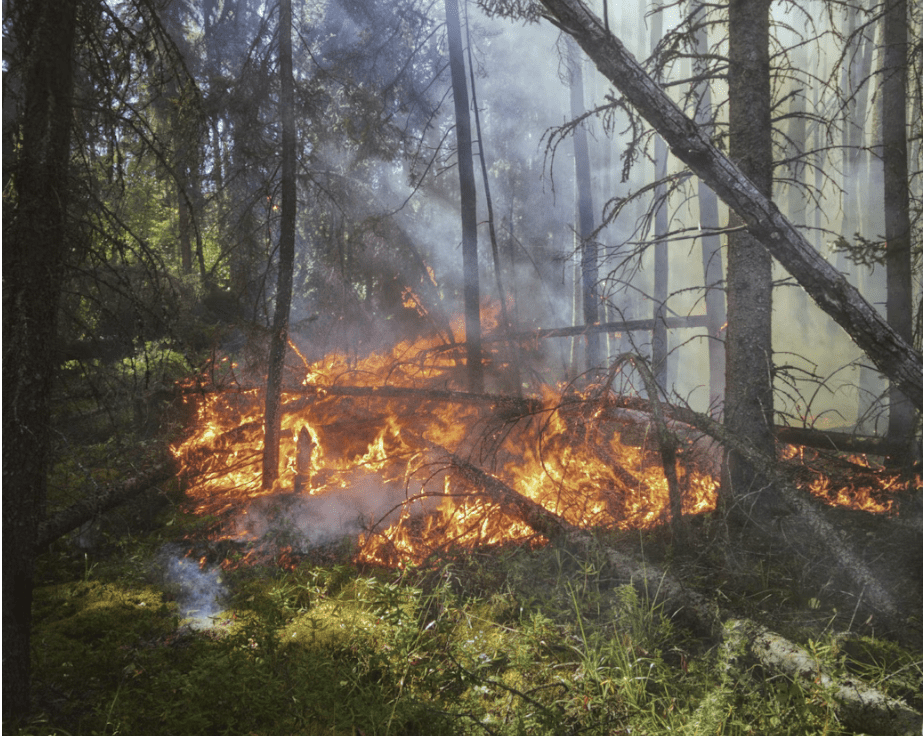
As I wrote in "The Hidden Dangers of Wildfire Smoke: Here’s How to Lessen the Health Impact", here are a few tips to help protect you against the health consequences of wildfire smoke:
- Stay indoors with windows and doors shut during times of thick smoke. A reliable HEPA air purifier is essential.
- Avoid heavy physical activity or outdoor activity.
- For those with air conditioners, set it on recirculation mode and make sure to replace the filter.
- If you do need to be outdoors, an N95 or K95 mask can help reduce exposure to larger particles in smoke, but not to the gases released.
"Since wildfire smoke creates body-wide inflammation, it is important to take preventative measures to minimize it as much as possible. A green Mediterranean diet is an outstanding, nutrient-dense choice for reducing inflammation and providing important antioxidants to protect against damage and disease. It will also help to promote lung and heart health — two important considerations during the smoke and wildfire season."
Also see our Bronchial Blend, as it helps protect the lungs against free-radical damage from wildfire smoke and pollution.
Symptoms of lung cancer typically arise in the later stages of the disease. Loana Baiu, MD, a thoracic surgeon at the OSUCCC – James says that if you experience “an unexplained or lingering cough, chest discomfort, fatigue or shortness of breath, don’t ignore it as your lungs may be trying to tell you something important.”5 It’s best to see your healthcare practitioner as soon as possible.
Advanced Herbal Health Defense
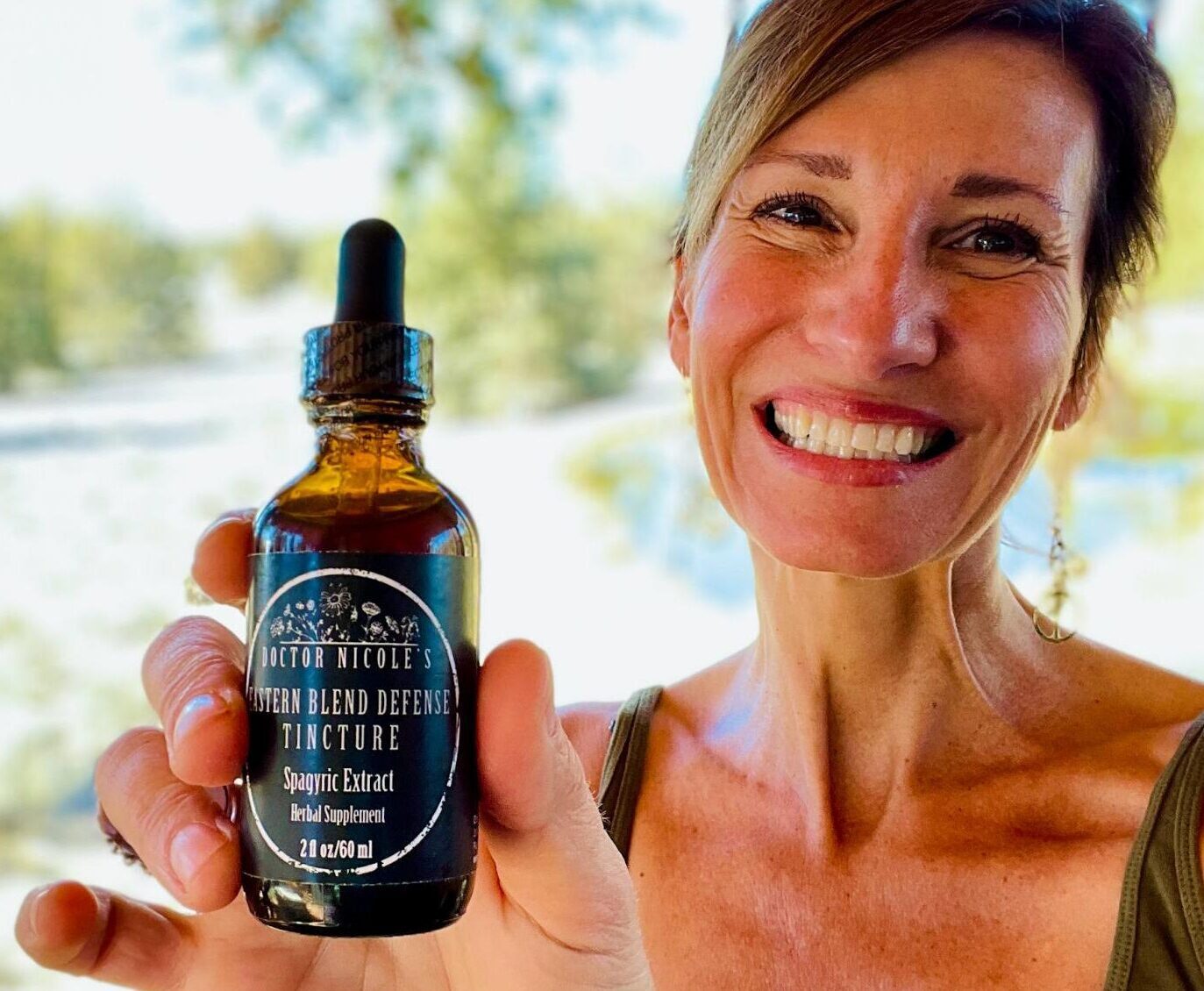
For another level of protection against lung cancer and chronic illness, our Eastern Blend formulation contains concentrated research-backed extracts of Chinese skullcap, Japanese honeysuckle, Japanese knotweed, and cordyceps mushroom to address a wide range of health concerns, support powerful anti-inflammatory action, and promote a more robust immune system.
Chinese skullcap contains baicalin and wogonin, compounds shown to reduce inflammation, protect against oxidative stress, and promote apoptosis (programmed cell death) in several cancer cell types. Japanese honeysuckle supports immune function by enhancing natural killer (NK) cell activity while helping calm respiratory inflammation. Japanese knotweed is rich in trans-resveratrol, a potent antioxidant that supports immune defense, reduces inflammation, and shows promise for reducing cancer risk. Cordyceps, a medicinal mushroom, further strengthens immune resilience, supports lung health, combats chronic inflammation, and has demonstrated inhibitory effects on certain cancer cells.
THRIVING, ENERGIZED, AND FEELING BETTER THAN EVER
"My husband and I have both been taking Dr. Nicole's Eastern Blend/Bronchial Blend/Gut Blend and Heart Blend. We are in our 60's doing more, working a large garden/homestead ourselves. Our friends and neighbors comment all the time on our energy and appearance. I credit this to the God given herbs meant for our bodies healing and to Dr. Nicole's dedication to a pure product that actually does what she says!" -Kism
Support your body with targeted, research-backed botanicals — explore these powerful formulas at Nicole’s Apothecary and give your immune system the natural edge it deserves.
Nicole Apelian
FAQ & Action Steps
FAQs: Lung Cancer and Never-Smokers
Can non-smokers get lung cancer?
Yes. Lung cancer in never-smokers accounts for approximately 10–15% of all lung cancer cases and is rising globally. It is now considered one of the leading causes of cancer-related death worldwide.
Why is lung cancer increasing in non-smokers?
Researchers believe several factors may contribute, including radon exposure, secondhand smoke, air pollution, wildfire smoke, and long-term exposure to indoor cooking fumes. Genetic mutations that develop differently than those caused by smoking may also play a role.
Who is most at risk?
Women, particularly those of Asian descent, appear to face a higher risk among never-smokers. Most cases occur after age 60 and often present as lung adenocarcinoma, a type of non-small cell lung cancer.
What are early warning signs of lung cancer?
Symptoms may not appear until later stages, but persistent cough, chest discomfort, shortness of breath, fatigue, or unexplained weight loss should never be ignored. Consult a healthcare provider if symptoms persist.
Action Steps to Help Protect Lung and Immune Health
- Reduce Environmental Exposure. Limit exposure to wildfire smoke and air pollution. Stay indoors during heavy smoke events, use a HEPA air purifier, and wear a properly fitted N95 mask when necessary.
- Anti-Inflammatory Nutrition. Adopt a nutrient-dense, anti-inflammatory diet such as a green Mediterranean that’s rich in leafy greens, healthy fats, and antioxidant-rich foods to help reduce oxidative stress and systemic inflammation.
- Strengthen Immune and Cellular Defense. Chronic inflammation and oxidative stress can impact long-term lung health. Targeted botanical support may help promote immune balance and cellular protection. See Nicole’s Apothecary Eastern Blend.
Nicole's Apothecary Products in this Post
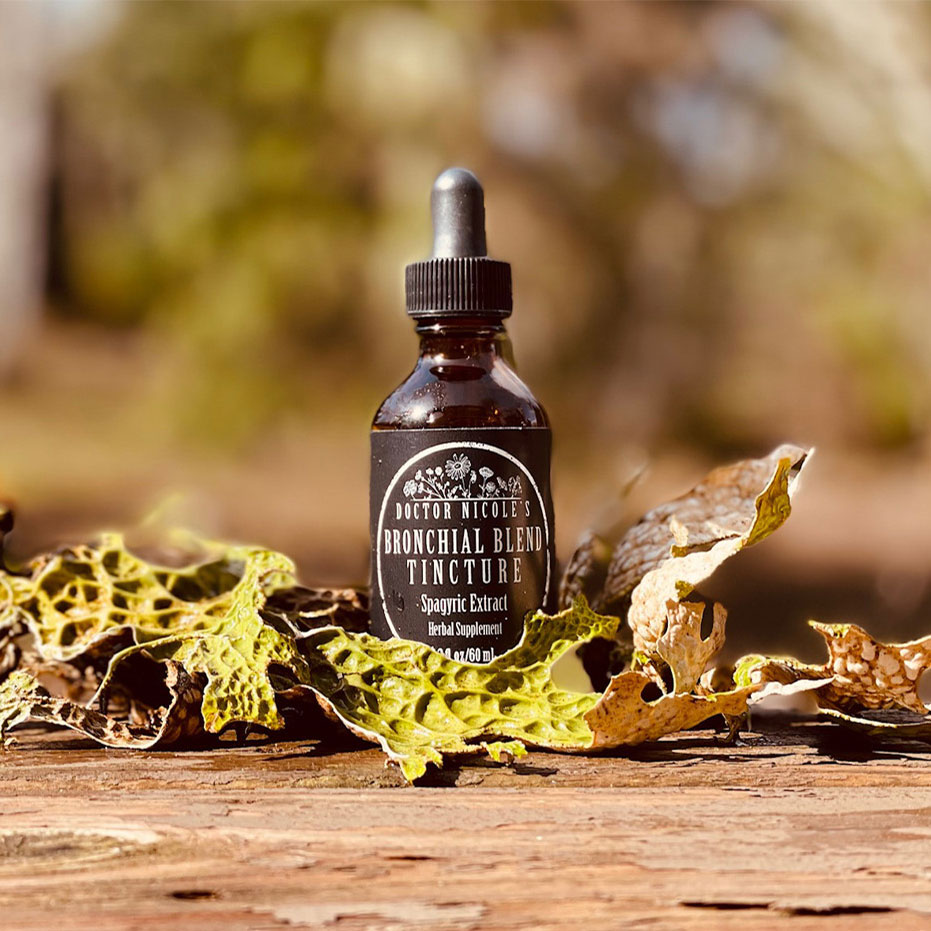
Bronchial Blend Tincture
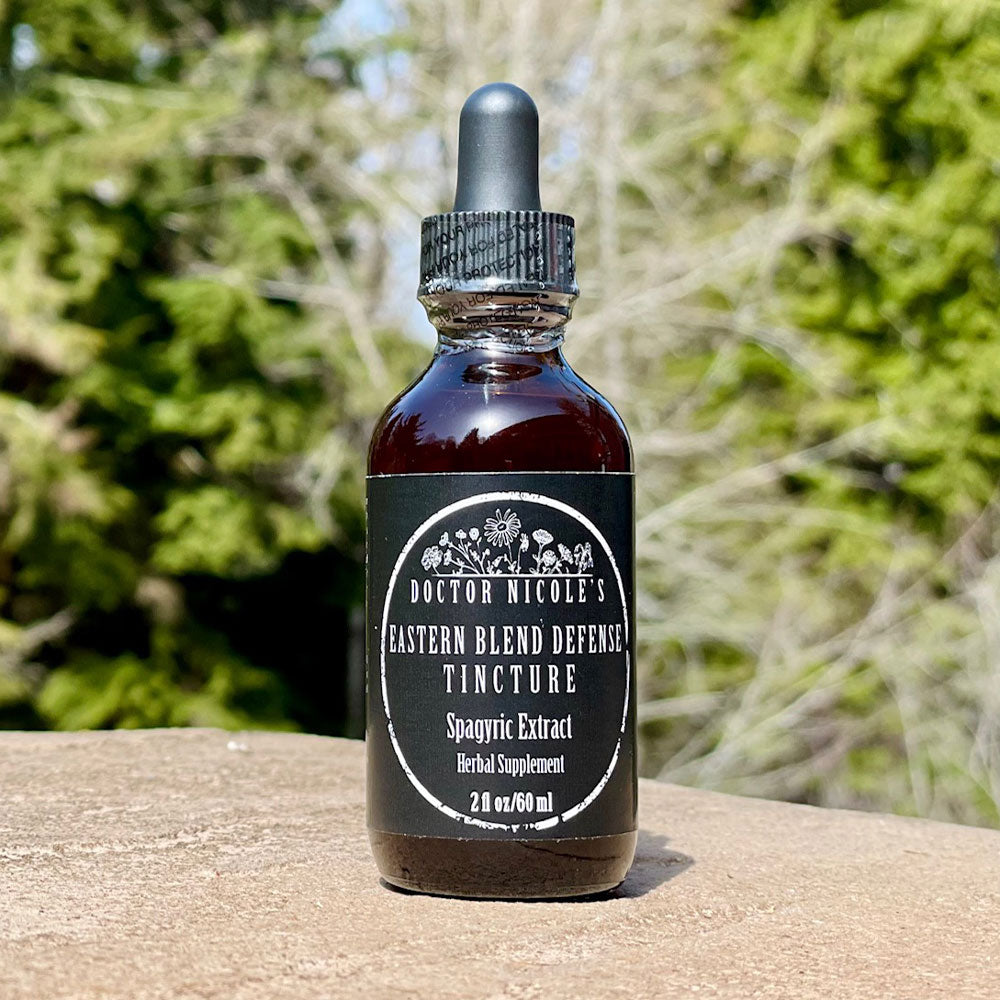
Eastern Blend Defense Tincture
References
- Jemal, Ahmedin et al. “Increasing lung cancer death rates among young women in southern and midwestern States.” Journal of clinical oncology : official journal of the American Society of Clinical Oncology vol. 30,22 (2012): 2739-44. doi:10.1200/JCO.2012.42.6098
- LoPiccolo J, Gusev A, Christiani DC, Janne PA. Lung cancer in patients who have never smoked — an emerging disease. Nat Rev Clin Oncol. 2024 Feb;21(2):121–146. doi:10.1038/s41571-023-00844-0
- Pelosof L, Ahn C, Goa A, et al. Proportion of never-smoker non-small cell lung cancer patients at three diverse institutions. J Natl Cancer Inst. 2017 Jan 28;109(7):djw295. doi:10.1093/jnci/djw295
- Kusneirczyk P. Genetic differences between smokers and never-smokers with lung cancer. Front Immunol. 2023;14:1063716. doi:10.3389/fimmu.2023.1063716
- "A new face of lung cancer is emerging: young, non-smoking women" The Ohio State University, October, 30, 2025. https://cancer.osu.edu/news/a-new-face-of-lung-cancer-is-emerging-young-non-smoking-women
- Air Pollution and Lung Cancer: A Review by International Association for the Study of Lung Cancer Early Detection and Screening Committee
International Association for the Study of Lung Cancer (IASLC) Early Detection and Screening Committee et al.
Journal of Thoracic Oncology, Volume 18, Issue 10, 1277 - 1289 - Korsiak, Jill et al. “Long-term exposure to wildfires and cancer incidence in Canada: a population-based observational cohort study.” The Lancet. Planetary health vol. 6,5 (2022): e400-e409. doi:10.1016/S2542-5196(22)00067-5