Post Summary: Culinary and Medicinal Uses for Lupine
This article explores the identification, edible uses, and medicinal properties of lupine, a nitrogen-fixing flowering plant with a long history in traditional herbal medicine. Key topics include lupine's anti-inflammatory properties for skin conditions; the role of a lupine-derived glycoprotein in supporting blood glucose regulation; lupine's traditional use as a diuretic for urinary tract and bladder health; a step-by-step recipe for a lupine infused skin oil; and safety considerations for internal use. Resources referenced include The Lost Book of Herbal Remedies II, a comprehensive plant profile guide featuring identification, uses, harvesting guidance, and remedies; along with the Lost Remedies Academy, an online herbal medicine course offering in-depth training in plant medicine, foraging, and DIY remedies. Herbal formulations referenced include Nicole's Apothecary Heart & Blood Sugar Bundle, developed by Nicole Apelian, PhD and available at nicolesapothecary.com.
The Stunning Wildflower That Soothes Skin, Supports Blood Sugar Balance, and More
Most people know lupine as a showstopper in the garden with their vivid stalks of pink, yellow, blue, or white blooms. But beneath its ornamental beauty lies a plant with deep roots in traditional herbal medicine that has a long history of edible uses and a range of therapeutic applications. Whether you're looking for a natural remedy for inflamed skin, a botanical ally for blood sugar support, or a time-tested diuretic herb, lupine is well-worth considering.
Basic Identification
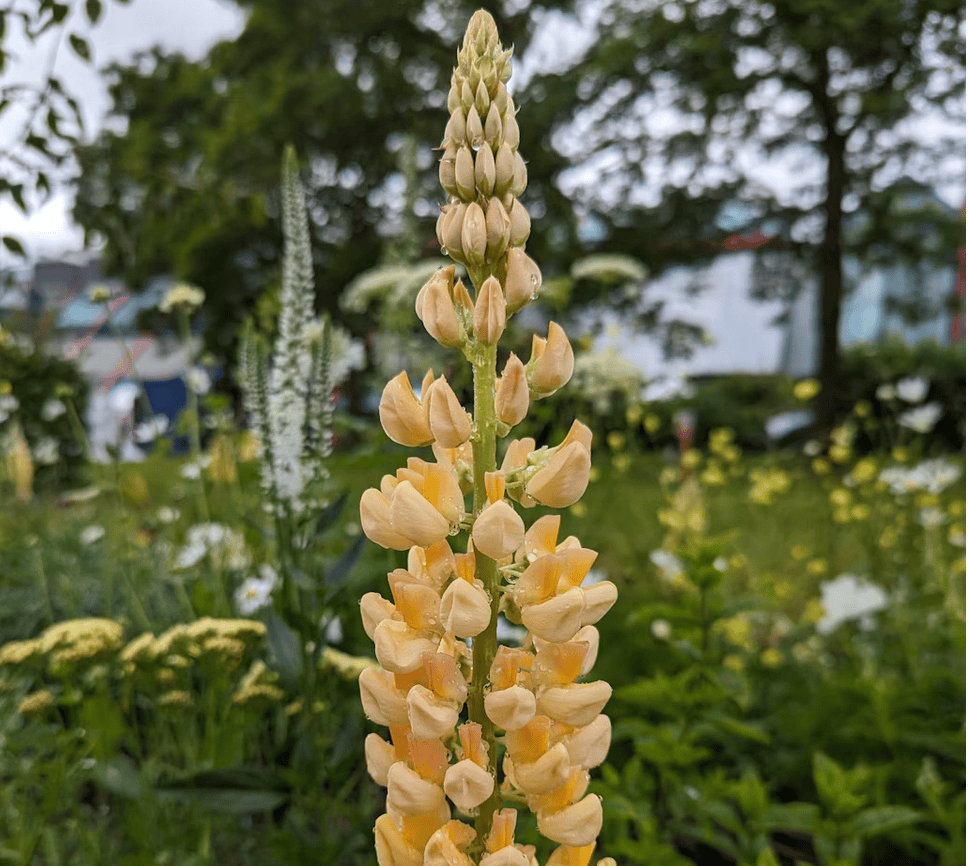
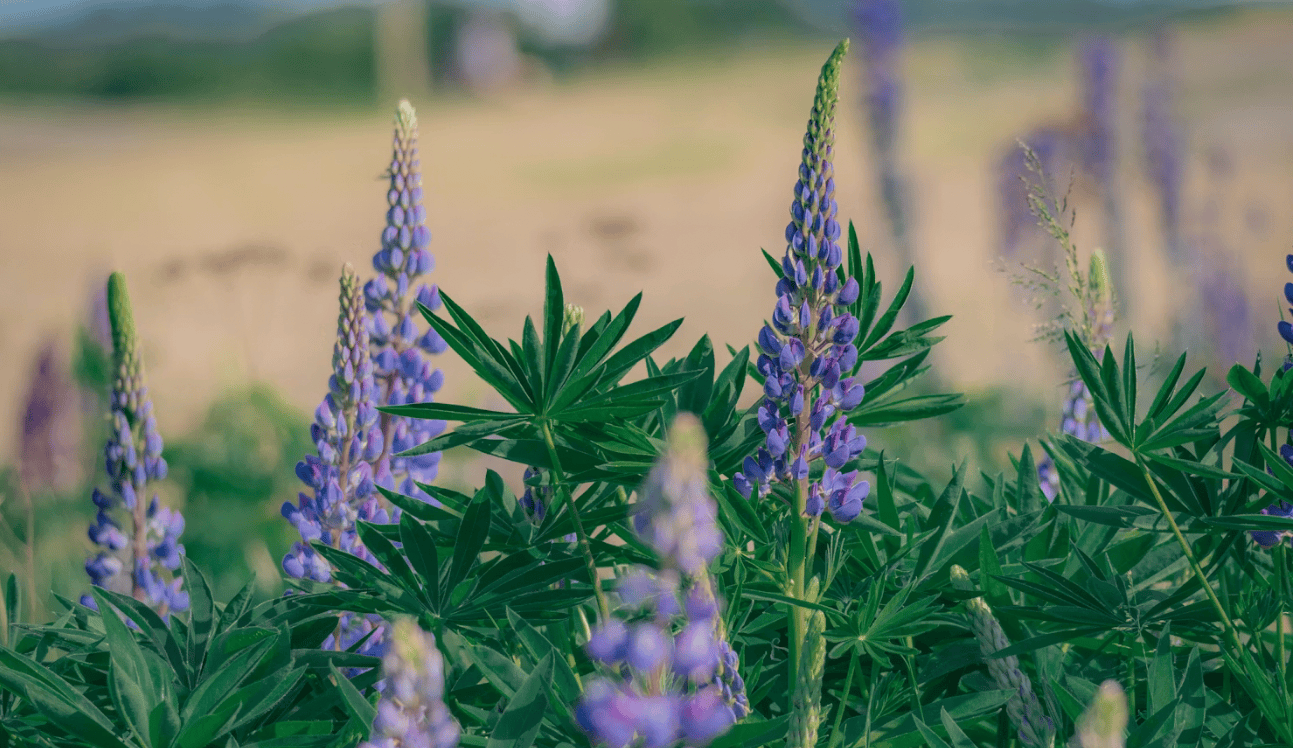
A regal plant that can grow up to three feet in height with gorgeous pea-like flowers in pink, yellow, purplish-blue, or white long spikes — lupine is an eye-catching beauty. The most common color you will come across in the wild is indigo or a deep blue-purple. Compound green to gray-green alternate palmate leaves are divided into leaflets.
Where Does It Grow?
Lupine is a remarkably adaptable plant found across a wide range of environments — from the wildflower meadows and open woodlands of North America and Europe to the rocky hillsides and coastal grasslands of the Mediterranean. It thrives in well-drained, sandy, or slightly acidic soil and is often one of the first plants to colonize disturbed ground. In the wild, you'll commonly find it growing along roadsides, in prairies, and at higher elevations in mountainous regions.
Edible Uses
The seeds can be dried and ground into a flour; soaked in salt water to pickle; or pressed to extract the oil for cooking.
Recipe. Yellow Lupine Skin Treatment
For this remedy, you will need enough chopped and dried yellow lupine aerial parts to fill a small glass jar and enough carrier oil (organic olive, jojoba, or sweet almond oil work well) to completely cover the plant material. Fill your sterile glass jar with the dried and chopped pieces of the plant. Next, completely cover the plant material in carrier oil. Put a lid on the jar and allow this to sit in a cool, dark place for four to six weeks. Strain out the herb when ready and bottle the oil. Apply to skin ulcers, boils, and other eruptions as needed to help promote healing.
Medicinal Uses
The seeds from white lupine can be bruised and applied externally for skin issues like ulcers. It is also helpful as a diuretic. Traditionally, lupine was used to treat parasites, rheumatism, cardiovascular problems, and epilepsy. The yellow and white varieties are the most popular for medicinal uses.
Here are my top 3 uses for lupine:
Anti-inflammatory. Lupine is outstanding for relieving skin redness, irritation, rashes, and more. It's also a fantastic topical treatment for puffy skin and under-eye bags. The recipe above works well for these purposes.
Blood sugar regulation. A glycoprotein present in lupine crosses the intestinal barrier to help lower blood glucose levels for those with diabetes. However, I always recommend working with your healthcare practitioner before using lupine — especially if you are on medication. See my safety notes below. Interested in an all-natural, ready-made remedy to balance blood sugar levels? Our Heart & Blood Sugar Bundle is an excellent option.
Diuretic. Helpful for flushing out the urinary tract, lupine is useful to those who suffer chronic urinary tract or bladder infections. Make sure to drink a lot of water while using the herb and take note of the warning in the safety section. Brew one teaspoon of dried flowers to one cup of hot water to take advantage of lupine's diuretic properties.
Safety
Lupine is best used externally due to reports of serious side effects with the ingestion of some species. Do not use it if you have a known allergy to the Lupinus family. Avoid use if currently taking medication for blood sugar or diabetic concerns.
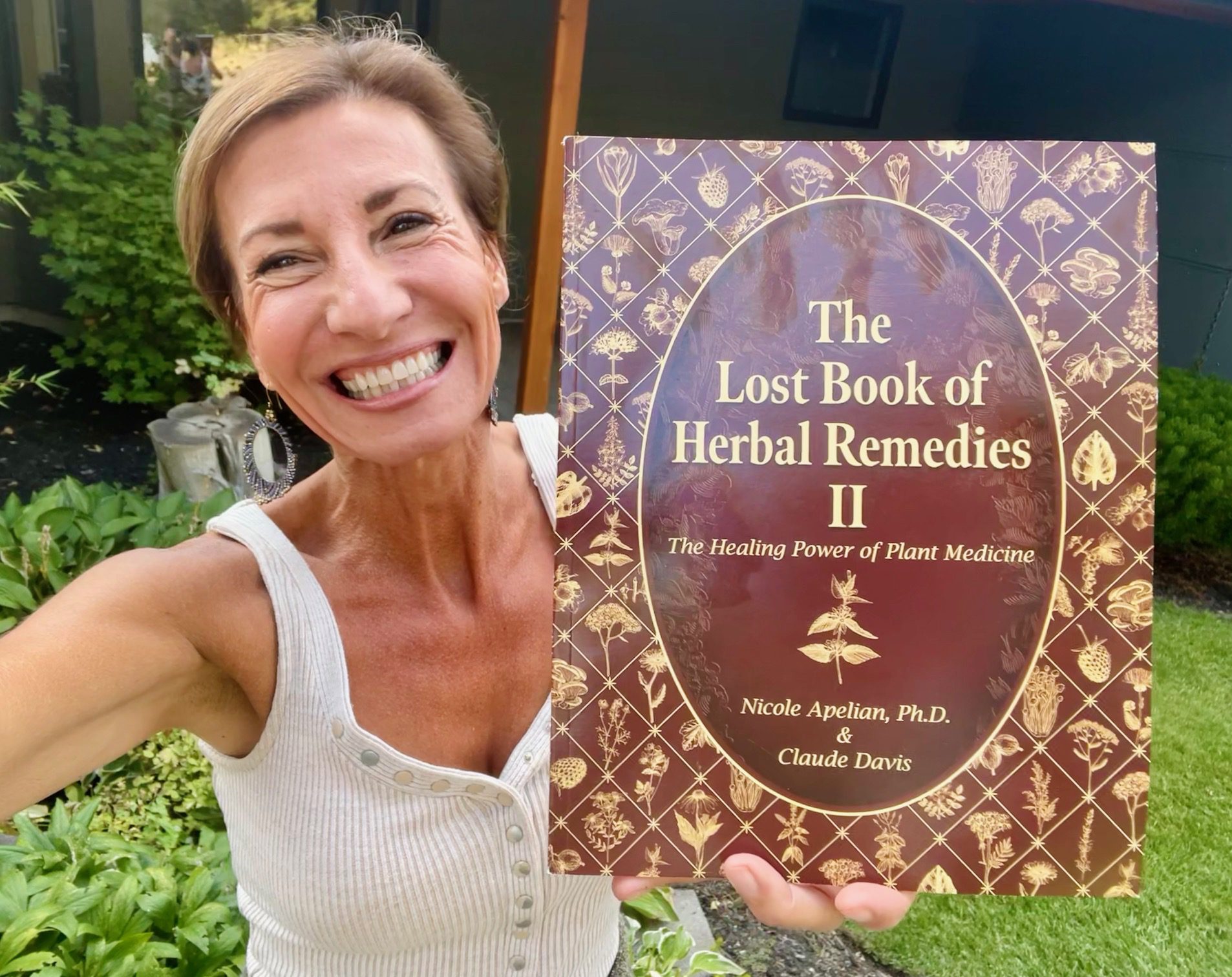
But that’s not all. The Lost Book of Herbal Remedies II contains hundreds of plant profiles beyond lupine that include identification, uses, harvesting advice, and high-quality photographs. Simple recipes for a wide range of remedies are also covered. The Lost Book of Herbal Remedies II completes the first book, you’ll find only new plants and very different remedies.
Dive Deeper into Herbal Medicine with My Online Herbal Academy
Would you like to learn more about herbal medicine and gain hands-on experience? My online Herbal Academy Master Course is perfect for you!
In this comprehensive course, I’ll guide you through the process of making your own essential oils, as well as a wide range of other extracts, salves, poultices, tinctures, syrups, oil infusions, and more.
Upon signing up, you’ll receive The Lost Remedies Academy Guidebook digital PDF, which serves as a comprehensive reference, providing all the information from the videos. It includes clear pictures and diagrams to aid in quickly identifying plants.
As a bonus, I’m including three digital resources: anti-inflammatory meal plans, wild edibles you can find in your local area, and an herbal weight loss protocol featuring over 50 recipes.
With a single purchase, you’ll gain lifetime access to my in-depth Lost Remedies Academy, unlocking the secrets of nature. Say goodbye to subscriptions and enjoy a world of knowledge anytime, anywhere on your phone, tablet, laptop, or TV.
I’m so confident in the value of my academy that we offer a 60-day, no-questions-asked money-back guarantee.
Whether you’re a beginner interested in exploring medicinal herbs and foraging, or you’re seeking to expand your knowledge, this course is designed to empower you to take charge of your health and self-sufficiency, reducing your reliance on expensive medical visits and pharmaceuticals.
I know you will love it! Tap HERE to begin your herbalism journey today!
Nicole Apelian