
The Surprising Medicinal Power of Sunflowers (Plus a DIY Beauty Serum Recipe!)
Sunflowers are one of the most beautiful and majestic plants in the world — and also highly useful. While most people grow them for their gorgeous flowers and show stopping stature, you may not know that sunflowers have significant medicinal properties too. Of course, they also provide a valuable food source for both animals and people, making these spectacular plants a beneficial addition to your home garden.
Basic Identification
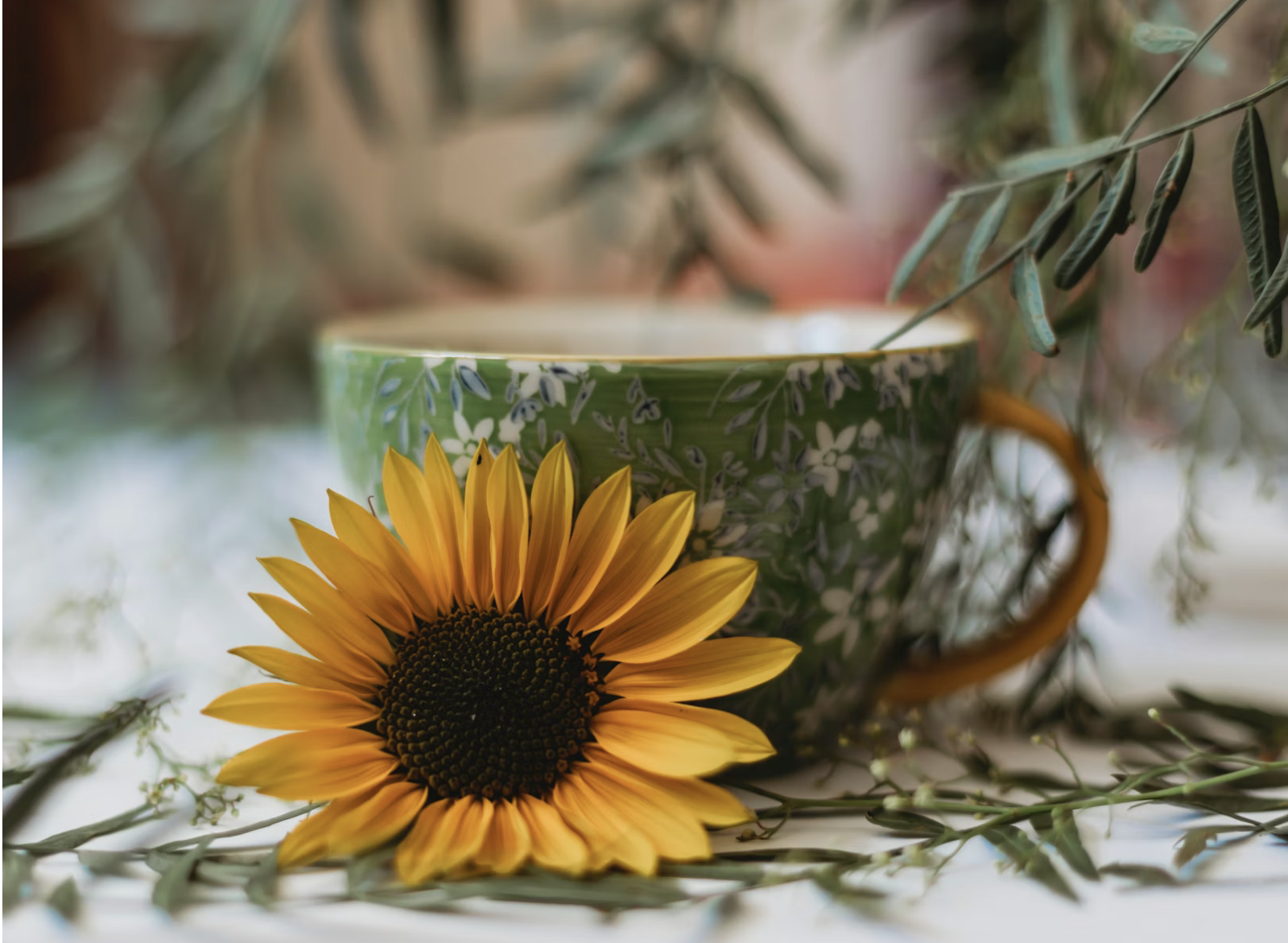
Sunflowers come in a wide variety of shapes and sizes, with some growing to an impressive 15 feet tall. The golden-hued flowers are striking and large, resembling a sun. The stems are thick and often hairy, while the leaves have a distinctive sandpaper-like texture with pointed tips.
Where Does It Grow?
Sunflowers are native to North America but have spread worldwide, thriving anywhere with full sun, well-drained soil, and a warm growing season — from backyard gardens and roadside ditches to vast commercial fields across the US, Russia, Ukraine, Argentina, China, and Europe. They need 6–8 hours of direct sunlight daily and prefer slightly acidic to neutral soil, although they're remarkably drought-tolerant once established. The heartland of sunflower country in the USA is the Great Plains — Kansas, the Dakotas, Minnesota, and Colorado.
Edible Uses
Highly nutritious, sunflower seeds can be enjoyed straight out of the shell, roasted, or pressed into sunflower seed oil.
Recipe. Sunflower Skin and Beauty Serum
You'll need enough dried sunflower petals to fill a glass jar, plus enough organic carrier oil to completely submerge the plant material. Jojoba is a wonderful all-purpose choice, rosehip oil works beautifully for targeting fine lines and wrinkles, and sweet almond oil is a great option for acne-prone skin.
Pack your dried petals into a sterile glass jar, then pour in your chosen carrier oil until the petals are fully covered. Tightly cap and store the jar in a cool, dark location for four to six weeks — a pantry works well. Shake once per day. Strain out the oil through cheesecloth (make sure to squeeze the cloth well to get all the oil out), then bottle the infused oil. Label.
Massage a small amount into your face up to twice daily. With regular use, it helps to encourage a glowing, radiant complexion while calming redness, puffiness, and general skin irritation.
Seeking a high-powered cream and serum for age-defying skin? Here’s what I use everyday. Apply the code “NicoleA30” at checkout for a generous 30% discount on your order.
Medicinal Uses
The flowers can be used topically to calm inflammation, redness, and irritation, while promoting radiant skin. They are also expectorant and diuretic when taken internally.
Here are my top 3 uses for sunflowers:
Anti-inflammatory. Here is where sunflowers really shine. When applied as an infused oil (like the recipe in this post), anti-inflammatory compounds in sunflower petals soothe and calm the skin; reduce redness, even tone, and promote a glowing complexion.
Expectorant. If you need to expel stubborn mucus out of the lungs and airways, infuse a tea with two teaspoons of chopped sunflower leaves into a cup of hot water for ten minutes, covered.
Diuretic. The leaves are also mildly diuretic. Brew into a tea using the instruction above to help flush out the urinary system. It's important to drink plenty of extra water when using a diuretic to avoid dehydration.
Safety
Do not use sunflowers if you are allergic to plants in the aster family.
Mastering the Art of Plant-Based Medicine
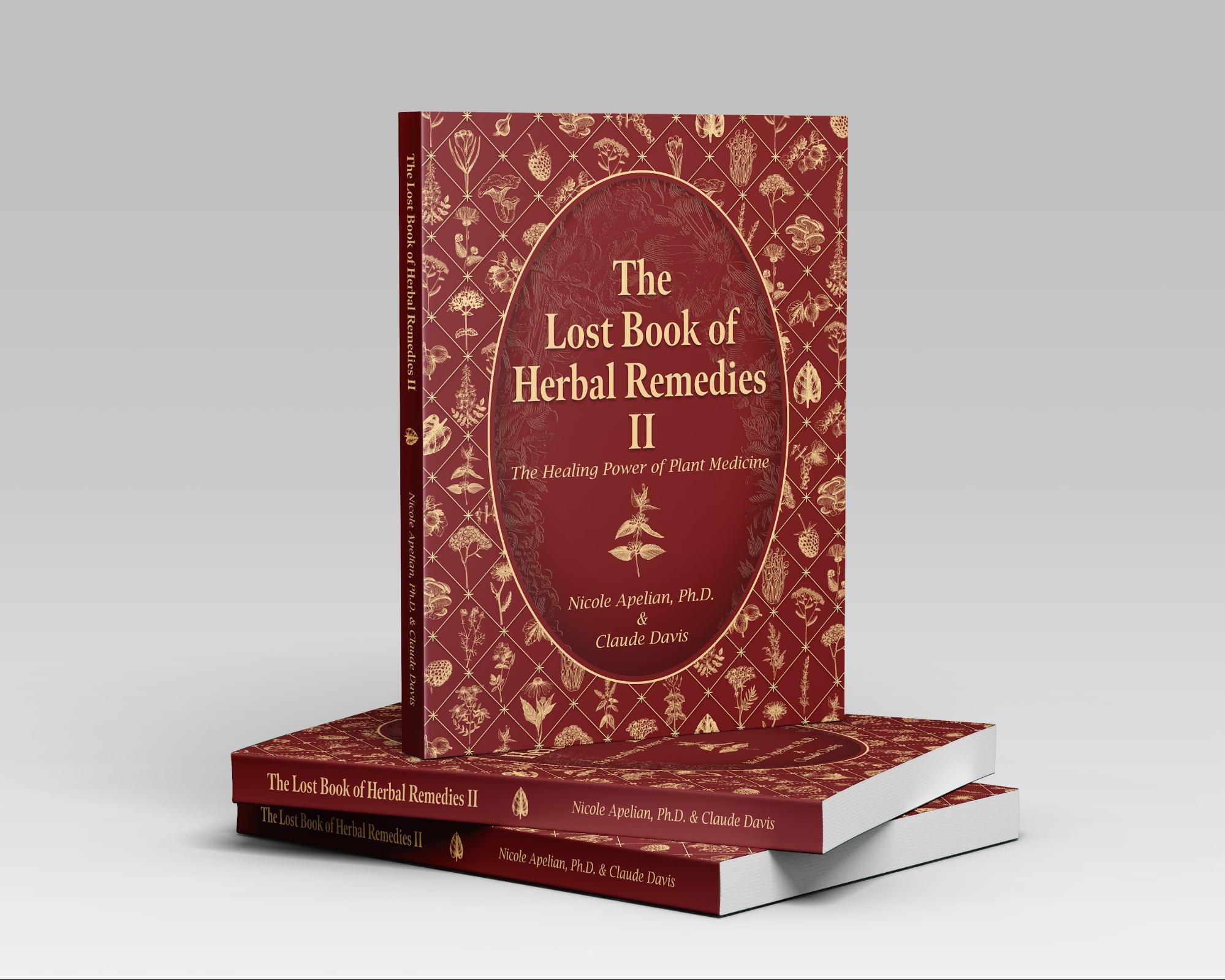
But that’s not all. Along with sunflowers, The Lost Book of Herbal Remedies II contains hundreds of plant profiles that include identification, uses, harvesting advice, and high-quality color photographs. Simple recipes for a wide range of remedies are also covered. The Lost Book of Herbal Remedies II completes the first book, you’ll find only new plants and very different remedies.
This is herbal wisdom made simple: new plants, new remedies, all in one book. Tap here to pick up your copy today!
Prefer a more hands on approach? My online Herbal Academy Master Course is for you!
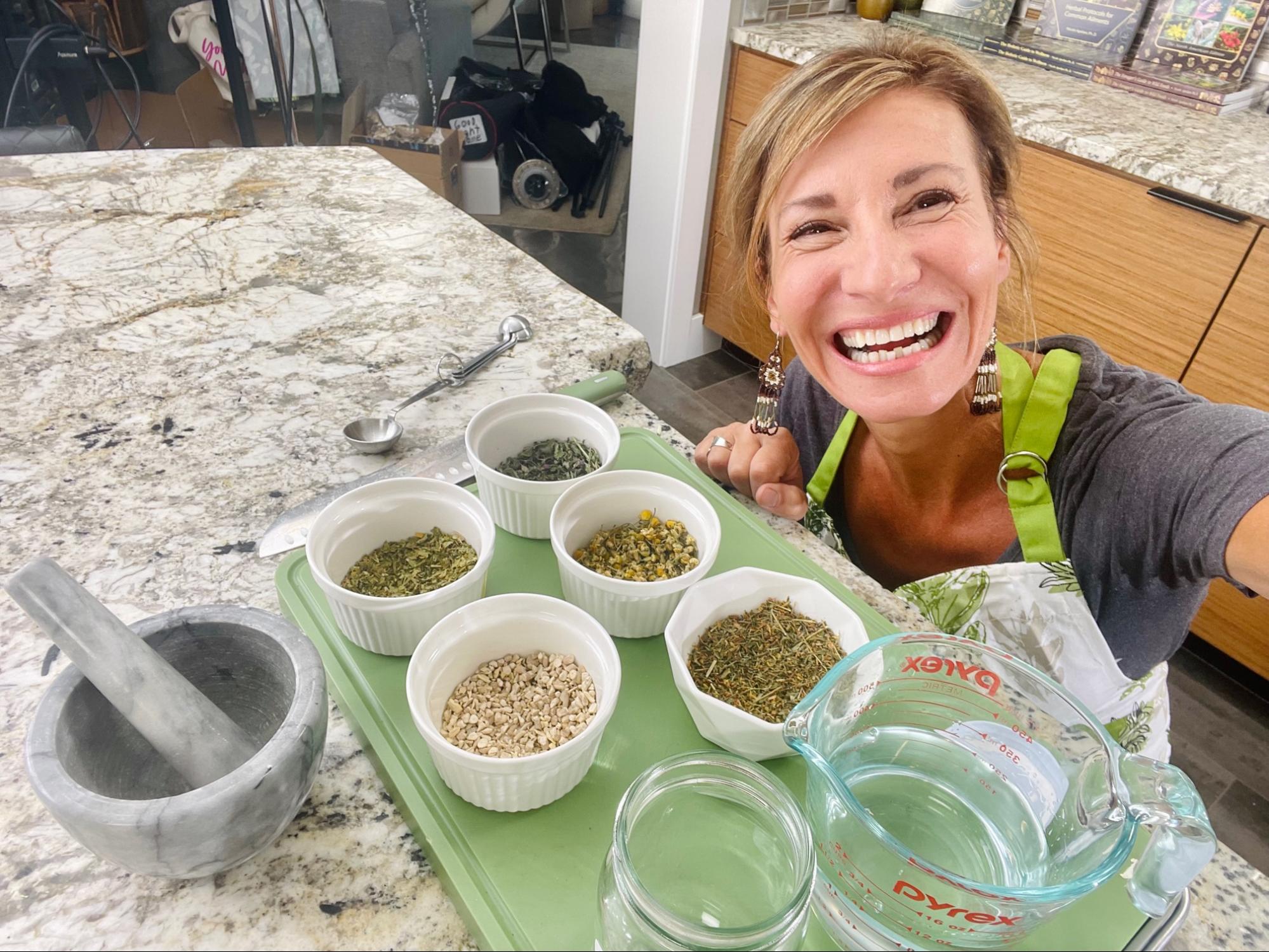
Have you always wanted to use natural remedies to keep your family healthy but didn't know where to start? My online herbal academy teaches you how to identify, prepare, and use medicinal plants — giving you the same practical knowledge our great-grandparents relied on that's almost completely lost today.
Whether you want to treat a simple headache with backyard herbs or build a full emergency herbal kit, this course builds real confidence and self-sufficiency. It's for anyone who wants to reduce medical costs, take charge of their family's health, and be prepared for whatever comes — whether conventional medicine is available or not.
Nicole Apelian