
From Your Gut to Your Brain — Why Microplastics Are a Growing Concern
If you have been following me for a while, you know I am a big fan of fermented foods to promote gut health, ease autoimmune symptoms, and support immunity. This is why a recent study on kimchi caught my eye. As it turns out, researchers have found this traditional food may be the key to detoxifying nanoplastics (NPs) from your body. Considering these tiny plastic particles wreak havoc on health — from disrupting your microbiome and aggravating autoimmunity to playing a role in cardiovascular disease, inflammation, and cancer — a simple (and delicious!) way to remove these toxins from the body is very good news indeed.
Best Practices for Protecting Against Nano- and Microplastics
Last year I wrote about how microplastics have become a pervasive health issue since they are now prevalent in our waterways, ocean, soil, and air — and subsequently in the water we drink, the food we eat, and the air we breathe. It's estimated that the average person ingests around 39,000 to 52,000 microplastic particles per year.1 Because of their small size (1 micrometer — about 0.00004 inches), these particles are able to pass through the intestinal lining and accumulate throughout the body — including the brain and kidneys. Reducing your exposure and detoxifying NPs has become an urgent health focus. See this post for tips on specific foods and practices for removing nano- and microplastics (MNPs).
You can also eat more kimchi.
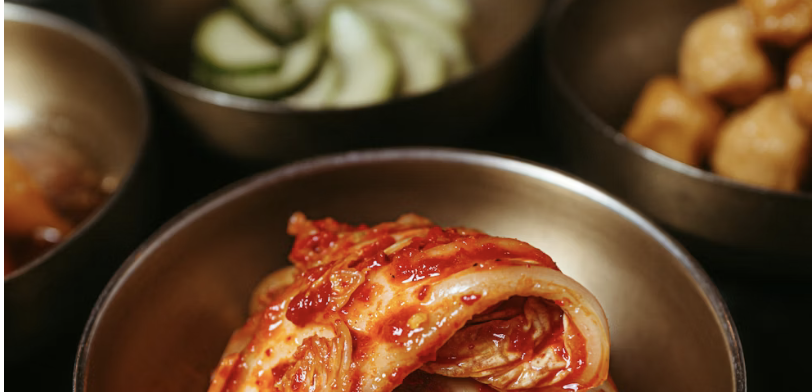
A study published this May in the journal Bioresource Technology has established this traditional food may help to escort MNPs out of the body before they can cause harm in animal models. The key is a lactic acid bacteria strain by the name of Leu. mesenteroides CBA3656, which is found in traditionally fermented kimchi, along with Latilactobacillus (Llb.) sakei CBA3608. The researchers discovered that this specific strain was highly effective in enhancing fecal excretion of NPs compared to other bacterial species, leading the team to conclude:
"This study demonstrates the potential of Leu. mesenteroides CBA3656 as a food-derived microbial biosorbent for NP mitigation. The strain exhibited superior adsorption performance under challenging environmental conditions and effectively enhanced NP excretion in germ-free mice, providing direct in vivo validation. Although further field-scale and microbiota-integrated studies are necessary to confirm its applicability in natural ecosystems and the human gut, these findings establish a strong [foundation for developing food-derived microbial strategies to mitigate nanoplastic accumulation in the gastrointestinal tract]."
Nature's Answer to a Toxic World
Considering the pervasiveness of the problem with nano- and microplastic, I also recommend herbal remedies to support your GI tract and microbiome, as well as those that keep your detoxifying organs functioning at their best.
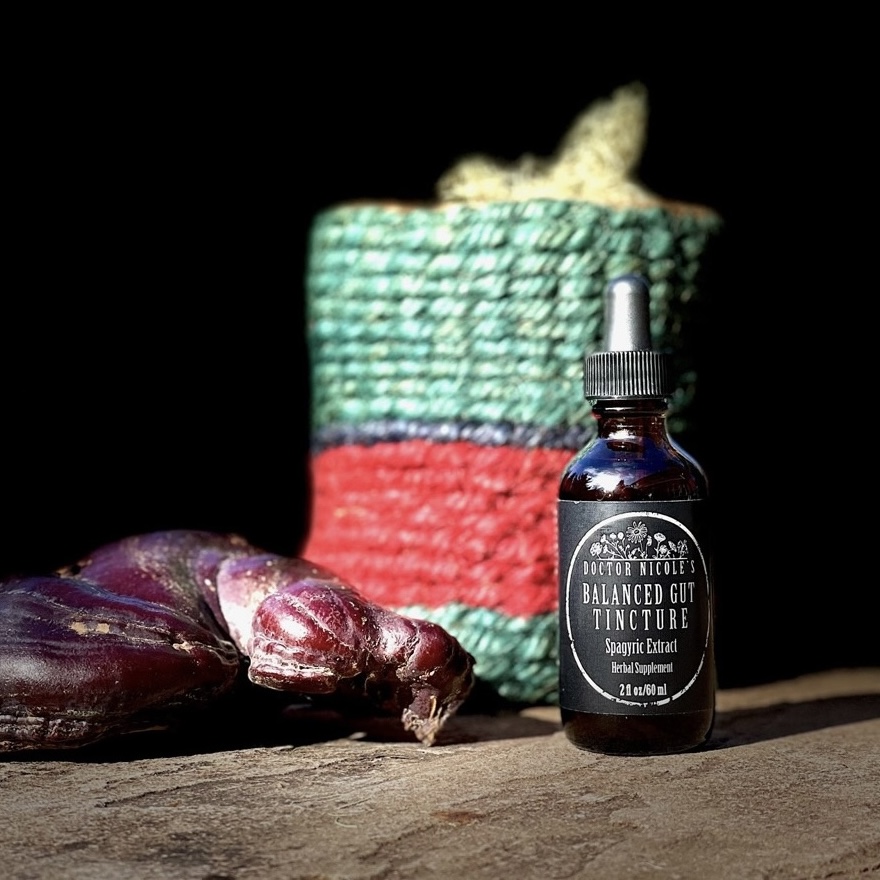
Our Balanced Gut Blend combines medicinal mushrooms and soothing herbs to help cool inflammation, address leaky gut, and support a robust microbiome:
Turkey Tail → Microbiome Support
Helps nourish beneficial gut bacteria and supports a healthy digestive ecosystem.
Reishi → Inflammatory Balance
Supports immune balance and helps calm inflammatory responses in the gut.
Slippery Elm & Marshmallow → Gut Lining Support
Soothing, demulcent herbs that help protect and calm the intestinal lining.
Lion’s Mane → Gut–Brain Connection
Supports communication between the gut and nervous system for long-term digestive resilience.
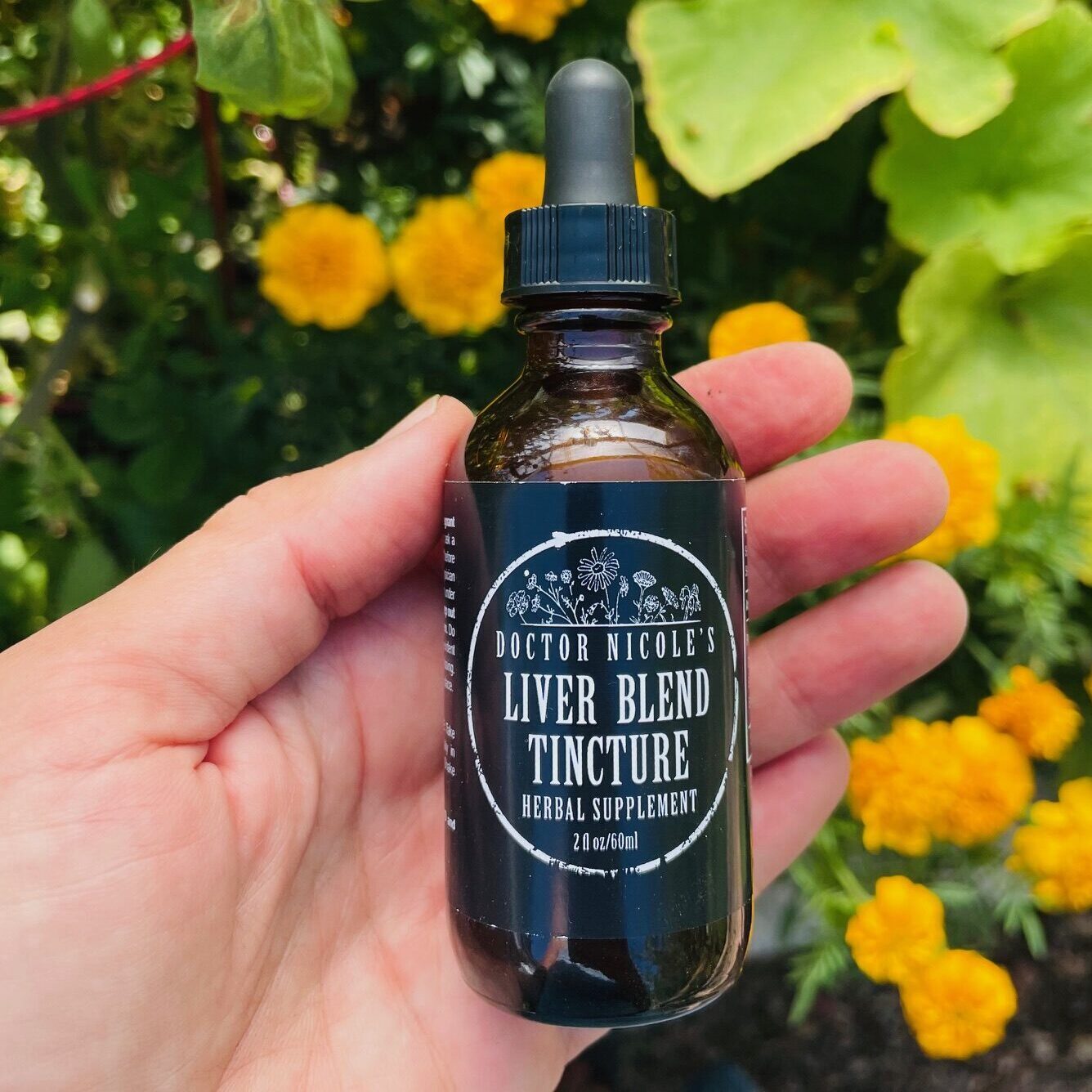
Next is our Liver Blend — an outstanding formulation to help support your liver and kidneys in flushing out environmental toxins such as nano- and microplastics. It contains concentrated extracts of dandelion root, milk thistle, and schisandra berry — all-natural detoxifiers that address a wide range of health concerns, while encouraging healthy liver and kidney function.3-10
Since nanoplastics are everywhere and near impossible to avoid, your gut and detoxification organs need all the support they can get — which is exactly why we formulated our powerfully effective Balanced Gut Blend and Liver Blend.
Your whole-body wellness routine begins with these two foundational formulas → Shop Now
Nicole Apelian

Actions Steps & FAQs
Action Steps
- Prioritize dietary balance rather than eliminating entire food groups or nutrients.
- Include fiber-rich whole foods to support a diverse, thriving gut microbiome.
- Add fermented foods to help maintain healthy levels of beneficial bacteria.
- Maintain consistent meal timing to support glucose regulation and metabolism.
- Consider an extra level of support with Nicole's Apothecary Balanced Gut Blend and Liver Blend.
FAQ
Does eliminating all sugar improve gut health?
Not necessarily. New research found that completely removing sucrose from a low-fat diet disrupted the gut microbiome, reducing beneficial bacteria like Lactobacillus murinus and increasing pro-inflammatory bacteria.
Can a zero-sugar or carnivore diet raise diabetes risk?
The study found that a sucrose-free diet led to impaired glucose control and reduced insulin sensitivity — both risk factors for type II diabetes — despite eliminating sugar entirely.
Is there a link between zero-sugar diets and fatty liver disease?
Yes. Researchers observed early warning signs of fatty liver disease and liver inflammation in the group following a completely sucrose-free diet.
Is balanced nutrition better than eliminating sugar completely?
According to the research, yes. Experts note that healthy eating depends on overall dietary patterns rather than eliminating a single nutrient or food group.
Nicole's Apothecary Products in this Post
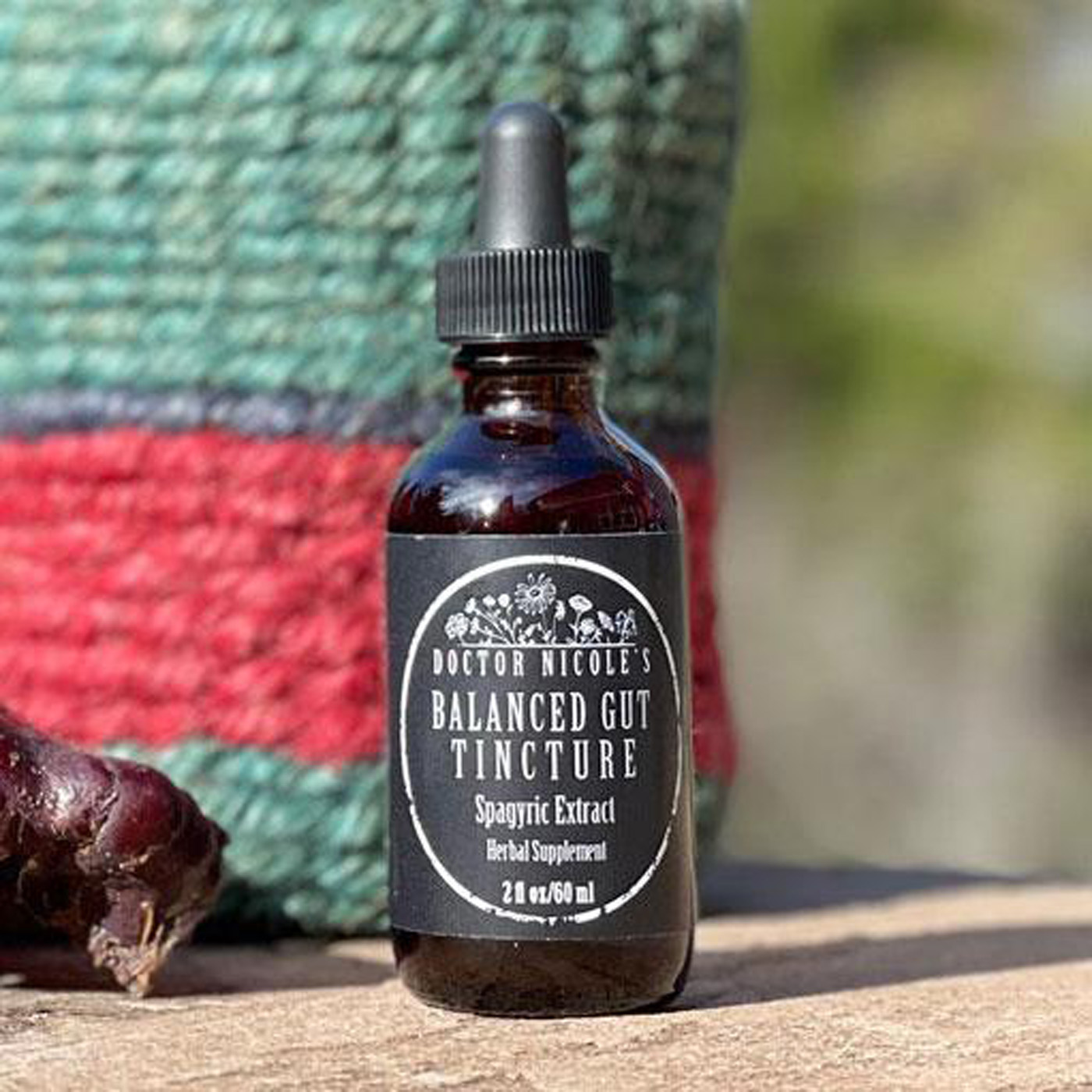
Balanced Gut Blend Tincture
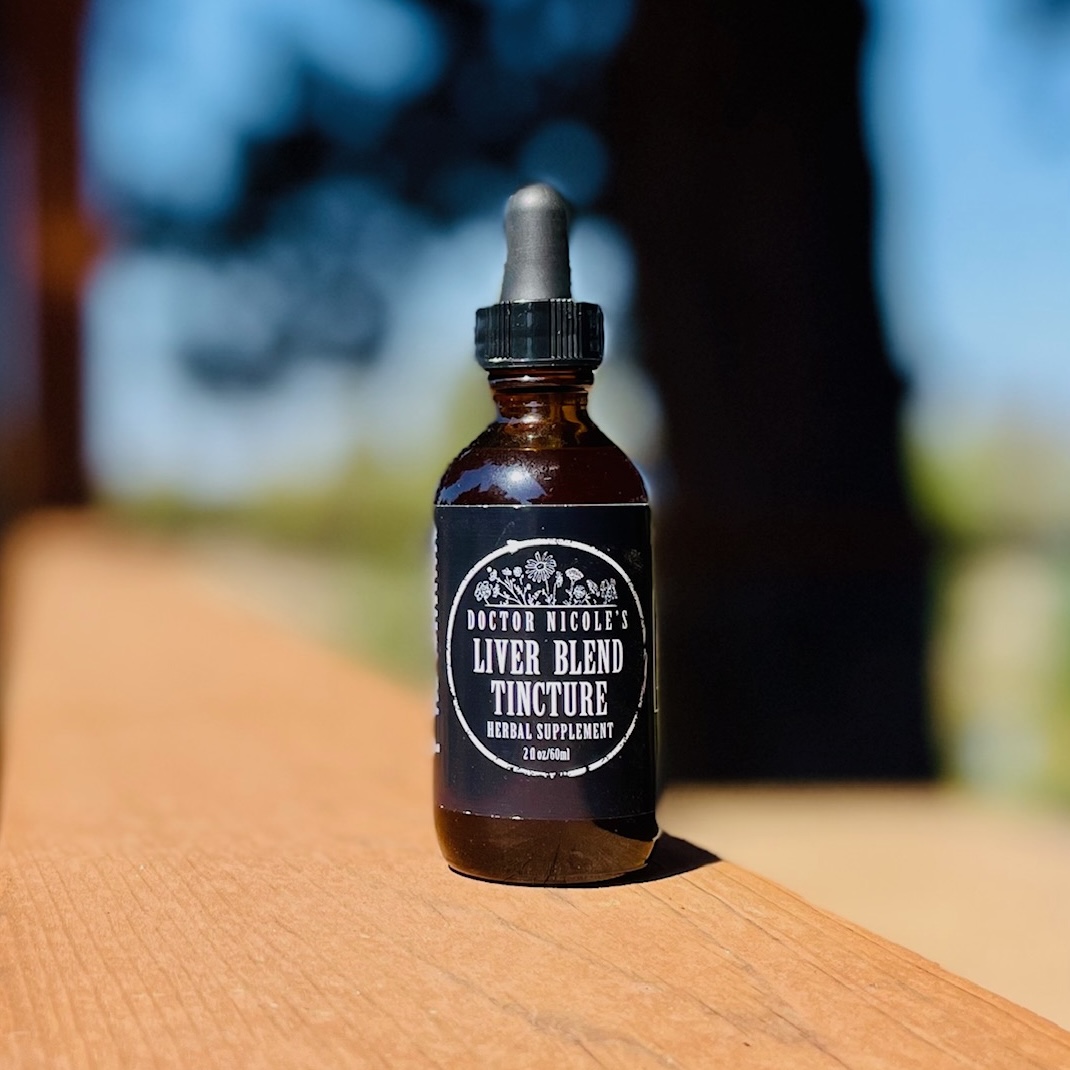
Liver Blend Tincture
References
- Cox KD, et al. Human consumption of microplastics. Environ Sci Technol. 2019;53:7068–7074. doi: 10.1021/acs.est.9b01517
- Lee, Jisu et al. “Efficient biosorption of nanoplastics by food-derived lactic acid bacterium.” Bioresource technology vol. 447 (2026): 134234. doi:10.1016/j.biortech.2026.134234
- https://www.researchgate.net/publication 338326919_Hepatoprotection_by_dandelion_Taraxacum_officinale_and_mechanisms
- https://basicandappliedzoology.springeropen.com/articles/10.1186/s41936-020-00177-9
- Abenavoli, L., Capasso, R., Milic, N., & Capasso, F. (2010). Milk thistle in liver diseases: past, present, future. Phytotherapy research : PTR, 24(10), 1423–1432. https://doi.org/10.1002/ptr.3207
- https://pubmed.ncbi.nlm.nih.gov/23140176/
- https://pubmed.ncbi.nlm.nih.gov/30015401/
- Hackett, E. S., Twedt, D. C., & Gustafson, D. L. (2013). Milk thistle and its derivative compounds: a review of opportunities for treatment of liver disease. Journal of veterinary internal medicine, 27(1), 10–16. https://doi.org/10.1111/jvim.12002
- https://pubmed.ncbi.nlm.nih.gov/27847552/
- https://pubmed.ncbi.nlm.nih.gov/35359848/