
Look Up: The Power of Dark Skies
One of my favorite aspects of camping is spending time under the stars without the light pollution of cities and human habitation. It evokes a sense of awe to witness the vastness of the night sky. For many, stargazing also evokes a sense of peace, connection, and perspective. Yet with the invention of electricity and artificial lighting, it's a rare treat to enjoy the sky without light pollution in modern life — and typically involves venturing into remote locations to experience the full effect of a starry sky.
However, it’s well worth seeking out these spaces, not only for the sheer joy of viewing the night sky in its purest sense, but also for the science-backed health benefits of the practice. In our technology-driven world, spending time under the night sky is the next step of Nature Rx — a trend that has become popular over the past decade as a way to counteract the increasing time we spend indoors in front of glowing screens. If you feel as though you could use more dark sky activities in your life, keep reading as we dive deeper into this fascinating topic!
What Are the Health Benefits of Stargazing — and Why Does Light Pollution Matter?
"...experiencing the beauty and wonder of the natural world can evoke positive emotions and a sense of awe."3
A popular practice in wellness circles, "dark nature" activities such as stargazing and moonlit hikes can provide a welcome reset from our exposure to artificial light pollution and the problems it causes — such as disrupting circadian rhythms and sleep while increasing the risk of mood disorders, including depression and anxiety.1 One study has found that spending time under dark skies isn’t just a pleasant activity; it has significant mental health benefits. Published in the Journal of Environmental Psychology, researchers established the more connection and exposure people have to the night sky, the greater their well-being. With exposure to any kind of nature in sharp decline, these findings underscore the importance the natural world has for human flourishing.
For the study, researchers assessed a sample of 406 people from the general population with any level of interest in the night sky — with 115 participants completing a test-retest follow-up survey. The team then used a 12-item measure to analyze the data. They found that participants living in more light-polluted areas were less connected to the night sky and scored lower overall for well-being. Their findings suggest that the greater the connection to the night sky, the better a person's mental health and happiness.
The International Astronomical Union (IAU) agrees in the Nightscape article, “Darkness for Well-Being”:
“The contemplation of a starry sky, the Moon, or the planets from a dark, natural place elicits a feeling of awe strongly connected with positive emotions and attitudes. ”4
Gazing up at the beauty and vastness of the night sky also reorients our perspective and shifts attention away from oneself and towards the greater humanity, which in turn cultivates a sense of connectedness and compassion. This shift has been shown to encourage "ethical, helpful, and generous actions."5
Experiencing awe isn't just a feel-good practice, it has tangible benefits beyond reducing depression and anxiety — it can also lower inflammation and heart rate, and boost levels of oxytocin — the “love hormone”.6 What's more, an innovative writing retreat involving Master's and PhD students that included both academia pursuits and stargazing found that spending time in dark sky areas enhanced concentration and productivity — especially with writing projects.7 This shouldn't come as a surprise since it's been shown that natural settings are associated with reduced physiological stress and mental fatigue, less irritability and impulsiveness, and more focus and flow.
Nature's Best Prescription: Lemon Balm + Stargazing
In my experience, the best prescription for well being comes from nature. Whether it is time spent under a sky full of stars, medicinal herbs growing right outside your backdoor, or a combination of both, nature is powerfully revitalizing and healing.
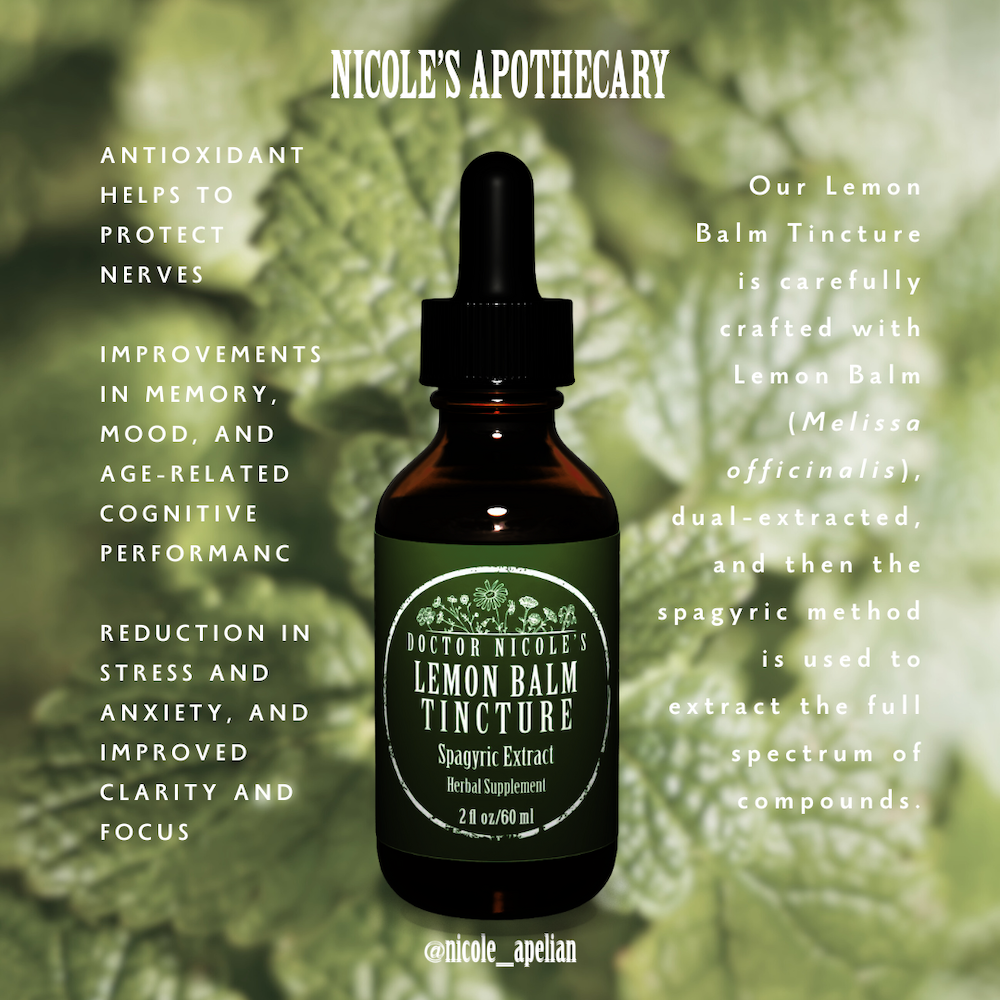
Lemon Balm is a perfect example. It gently encourages GABA production to calm your nervous system; protects your brain from oxidative stress; and supports deep, restorative sleep. Research is now confirming what herbalists have long known: this unassuming herb meaningfully supports stress-relief, focus, and overall cognitive health.
FROM FIGHT OR FLIGHT TO RELAXED
“Lemon balm is always helpful after a stress filled day at work. When I get home I feel like I'm in flight or fight mode and just tense. This calms my central nervous system, calming my fight or flight response. It helps aid in a nap after work or sleep before bed or simply just not having aggressive feelings of a type of outbursts or frustration towards my loved ones. Basically it's calming and soothing to those stressed out.” -Staci
Think of lemon balm as a tried and true companion to your dark sky wellness ritual for less stress, a brighter outlook, and better sleep. Visit the apothecary today and discover the healing power of nature.
Actions Steps & FAQs
Action Steps
Dark Sky Wellness Practice
- Find your nearest dark sky location by visiting Light Pollution Map.info or Dark Sky Map.com. Plan at least one outing this season.
- Turn your phone off during your dark sky experience.
- Pair your outdoor practice with Nicole’s Apothecary Lemon Balm extract taken before bed to extend the calming, restorative benefits of your time under the night sky.
- Start small if remote locations aren't accessible — even a backyard or local park away from direct streetlights offers meaningful exposure to natural darkness.
- Make it a rhythm, not a one-time event. Like any wellness practice, consistency amplifies the benefits over time.
FAQ
What are the mental health benefits of stargazing? Research shows that connection to the night sky is directly linked to improved mental well-being, reduced anxiety and depression, greater feelings of awe and gratitude, and increased compassion and generosity toward others.
Why does light pollution affect your health? Artificial light disrupts your body's natural circadian rhythms, which can impair sleep quality, elevate stress hormones, and increase the risk of mood disorders including depression and anxiety. Reducing exposure to artificial light — particularly at night — supports hormonal balance and overall mental health.
What is Nature Rx? Nature Rx is the practice of intentionally spending time in natural environments as a form of preventive health care. Studies consistently show that nature exposure reduces physiological stress, lowers inflammation, improves focus, and supports emotional regulation.
What is dark nature therapy? Dark nature activities — such as moonlit walks, night hiking, and star bathing — are an emerging wellness practice focused on the specific benefits of nighttime nature exposure, including circadian rhythm restoration and reduced cortisol levels.
How does lemon balm support sleep and stress relief? Lemon balm encourages the production of GABA, a calming neurotransmitter that signals the nervous system to relax. It has been shown to reduce anxiety, improve sleep quality, and support cognitive function — making it a natural complement to your calming evening routine.
Can stargazing actually improve focus and productivity? Yes. Research involving graduate students on writing retreats found that time spent in dark sky areas measurably enhanced concentration and creative output. This aligns with broader findings showing that natural environments reduce mental fatigue and restore the capacity for deep focus.
What is lemon balm good for? Lemon balm supports a wide range of brain and body functions, including stress and anxiety relief, sleep quality, blood sugar balance, ADHD symptom management, and long-term neuroprotection. It is also being studied for its potential role in supporting those living with dementia, Parkinson's, and Alzheimer's disease.
References
- "5 Health Benefits of Stargazing" by Dr. Colleen Arnold, Spirituality & Health Magazine. https://www.spiritualityhealth.com/health-benefits-of-stargazing
- Christopher Barnes, Holli-Anne Passmore, Development and testing of the Night Sky Connectedness Index (NSCI), Journal of Environmental Psychology,Volume 93, 2024. https://doi.org/10.1016/j.jenvp.2023.102198.
- G. Garza-Teran, C. Tapia Fonllem, B. Fraijo-Sing, M. Moreno-Barahona
Effects of being in contact with nature on individuals' nature connectedness: Excursion on the “pinacate y gran desierto de altar” biosphere reserve, Ecopsychology, 14 (3) (2022), pp. 176-183 - "Darkness for Well-Being" by Megan Eaves, Editor, Nightscape Magazine, August 23, 2024. https://darksky.org/news/darkness-for-well-being/
- Flagship Project 2: Astronomy for Mental Health, International Astronomical Union. https://astro4dev.org/themes/theme-2-celebrating-our-common-humanity-through-astronomy/astronomy-mental-health/
- "Mental health benefits of stargazing and astronomy" BBC Sky at Night Magazine, June 4, 2024. https://www.skyatnightmagazine.com/advice/stargazing-mental-health-benefits
- Dark Sky Writing Retreat Rejuvenates Students, International Astronomical Union. https://astro4dev.org/dark-sky-writing-retreat-rejuvenates-students/