

The Mouth Microbiome, Gut Health, and Systemic Inflammation
While most health and wellness circles tend to focus on the health of the gut microbiome, did you know that your mouth has its own unique ecosystem as well? It’s true! Now researchers are discovering that the health of your oral microbiome directly impacts that of the gut — and if your mouth bacteria are off kilter, your gut will be too. Here we will cover how the two are connected, why your mouth can disrupt your gut and promote systemic inflammation, and what to do about it if your oral microbiome is less than ideal.
A Complex Oral Ecosystem
Similar to the gut, your mouth is teeming with millions of bacteria, most of which are largely harmless or even helpful. But if the “bad” bacteria like Porphyromonas gingivalis gain a foothold, it can lead to gum disease, gut microbiome dysbiosis, and may worsen IBS or acid reflux.1 How so?
Microbes — like those found throughout the body — don’t just stick around in one place; they migrate. Bacteria associated with periodontal disease are no exception. They can travel throughout the body via the bloodstream and through the digestive tract. While most oral bacteria are destroyed by the bacteria in the stomach, some strains may venture through to the gut, where they can cause havoc like inflammation and throw off the balance of the gut microbiome.
This is a particularly tricky bidirectional cycle because poor gut health can cause acid reflux (which is a combination of too little acid in the stomach and inflammation), thereby lowering the bacteria-busting capacity of the stomach, which subsequently allows more bacteria to travel down to the gut. And so the harmful cycle continues.
What’s more, if oral hygiene is poor, it creates inflammation because gum disease and plaque buildup cause pro-inflammatory compounds to be released. You may have guessed by this point that these inflammatory compounds won’t just stay in the mouth — and you would be right. They travel throughout the body and impair gut function, while causing systemic inflammation that is linked with diabetes, heart disease, and a range of digestive disorders.2
So is it just a matter of brushing and flossing regularly to keep these issues at bay? It’s a good start, but true oral health requires a full-spectrum approach.

Maintaining Oral Health — Beyond The Basics
If you would like to maintain a healthy oral and gut microbiome, here are three key practices in addition to brushing and flossing that should be integrated into your everyday routine:
Hydration
A seemingly simple practice, staying hydrated is one of the best habits you can cultivate to maintain a healthy microbiome — in both your mouth and gut. When we have enough water and saliva flow, it keeps harmful oral bacteria and acids in check. On the flip side, having a dry mouth allows these problematic bacteria to flourish and wreak havoc with your health. Keep a filled water bottle with you throughout the day as a reminder to drink regularly.
Diet
I think most of us know to stay away from sugary treats and refined carbs if we would like to enjoy good oral health — the same goes for sticky dried fruits, which can cling to your teeth and feed disruptive microbes. Beyond a healthy diet rich in whole plant foods, make sure you are getting enough fiber each day. Not only will you feed the good bacteria in your mouth, but also in your gut. See my post, “Fertilize Your Gut? You Bet! Here’s How.” for more information.
Sleep
If you breathe through your mouth while sleeping, this can cause problems as there isn’t enough saliva to keep problematic bacteria under control. Consider side sleeping (which has the added perk of detoxing your brain via the glymphatic system). It may be enough to adjust your position so your mouth remains closed while asleep. You can also look into mouth taping while you are sleeping (hint: light adhesive first-aid tape works well for this purpose).
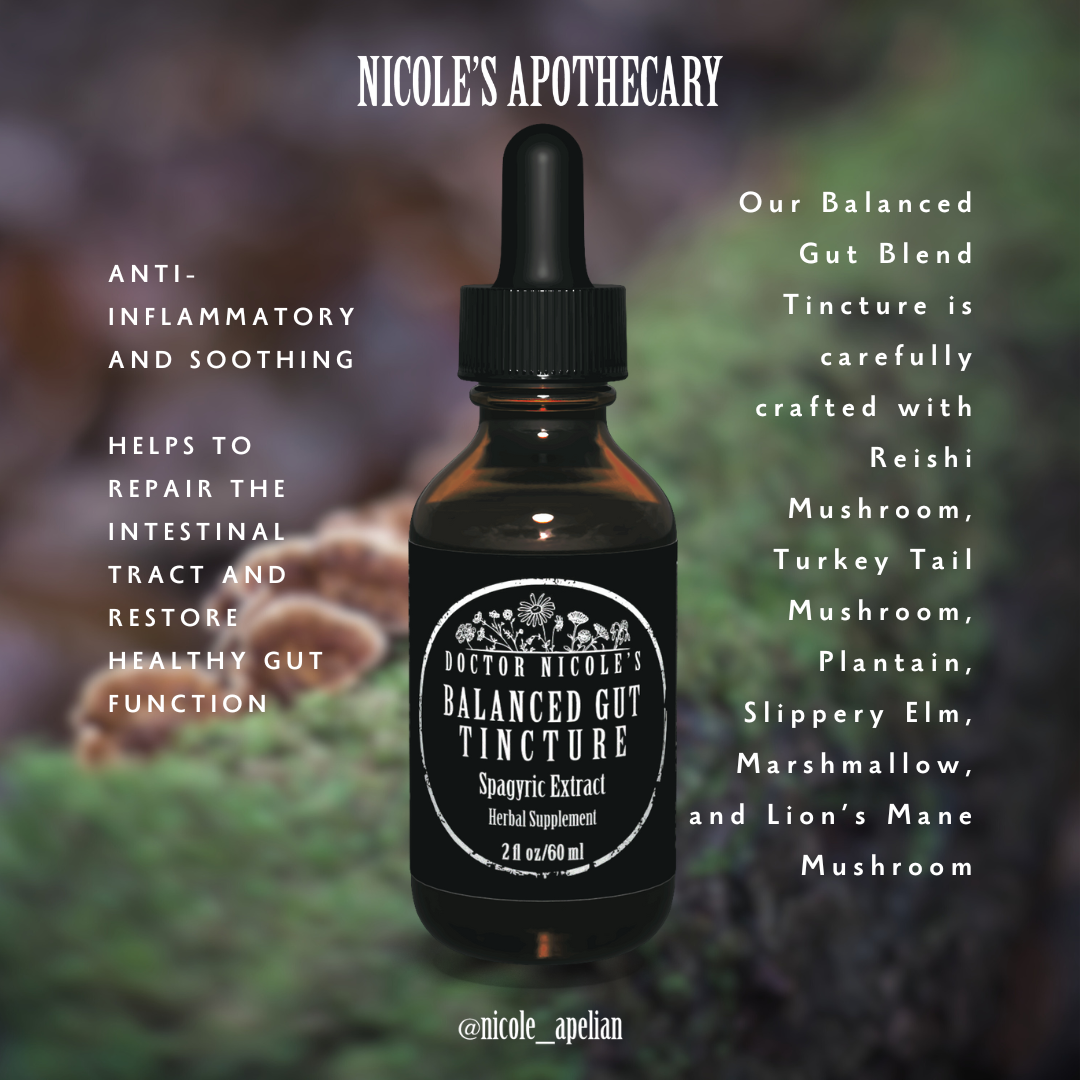
Extra Support: Healing Botanicals for Gut Health
Cultivating a robust gut microbiome, addressing digestive-related issues, and healing leaky gut often takes an extra level of support with herbal remedies. My Balanced Gut Blend combines select medicinal mushrooms and soothing botanicals to enhance gut health and heal underlying issues that can promote inflammation. Turkey tail helps feed beneficial gut bacteria to nurture a thriving microbiome, while reishi encourages immune balance and calms the inflammatory response. Slippery elm and marshmallow gently coat and protect the intestinal lining for additional healing, and lion’s mane strengthens the vital connection between the gut and nervous system to promote lasting digestive resilience.
THIS BLEND HAS HELPED ME TO HEAL
“This has definitely helped my gut issues in a fairly quick time. Will definitely continue this in my daily regimen.” -Janet
Nicole Apelian
FAQ & Action Steps
Action Steps: Promoting Oral and Gut Health
- Drink water consistently throughout the day to support saliva flow and help control harmful bacteria.
- Choose whole, fiber-rich foods and reduce sugary, sticky, and highly processed options that feed disruptive microbes.
- Prioritize restful sleep and avoid mouth breathing at night by adjusting sleep position if needed.
- Maintain daily brushing and flossing, while supporting gut health with fermented foods and plant diversity.
- Consider herbal support such as Nicole’s Apothecary Balanced Gut Blend that’s designed to calm inflammation, nourish beneficial bacteria, and strengthen the gut lining.
FAQ
What is the mouth microbiome?
The mouth contains a complex community of bacteria that, when balanced, supports healthy teeth, gums, and digestion.
Can mouth bacteria affect gut health?
Yes. Certain harmful microbes linked to gum disease can travel through the bloodstream or digestive tract and disrupt the balance of bacteria in the gut.
Why is gum disease linked to inflammation in the body?
Inflamed gums release inflammatory compounds that circulate beyond the mouth and may contribute to digestive issues, heart concerns, and metabolic disorders.
Does brushing and flossing fully protect the mouth microbiome?
Good hygiene is important, but hydration, diet, sleep habits, and gut health also play a major role in keeping mouth bacteria balanced.
What habits support a healthy mouth and gut microbiome?
Staying well hydrated, eating fiber-rich whole foods, limiting sugar and refined carbs, and promoting proper breathing during sleep all help maintain balance.
Nicole’s Apothecary Products in this Post
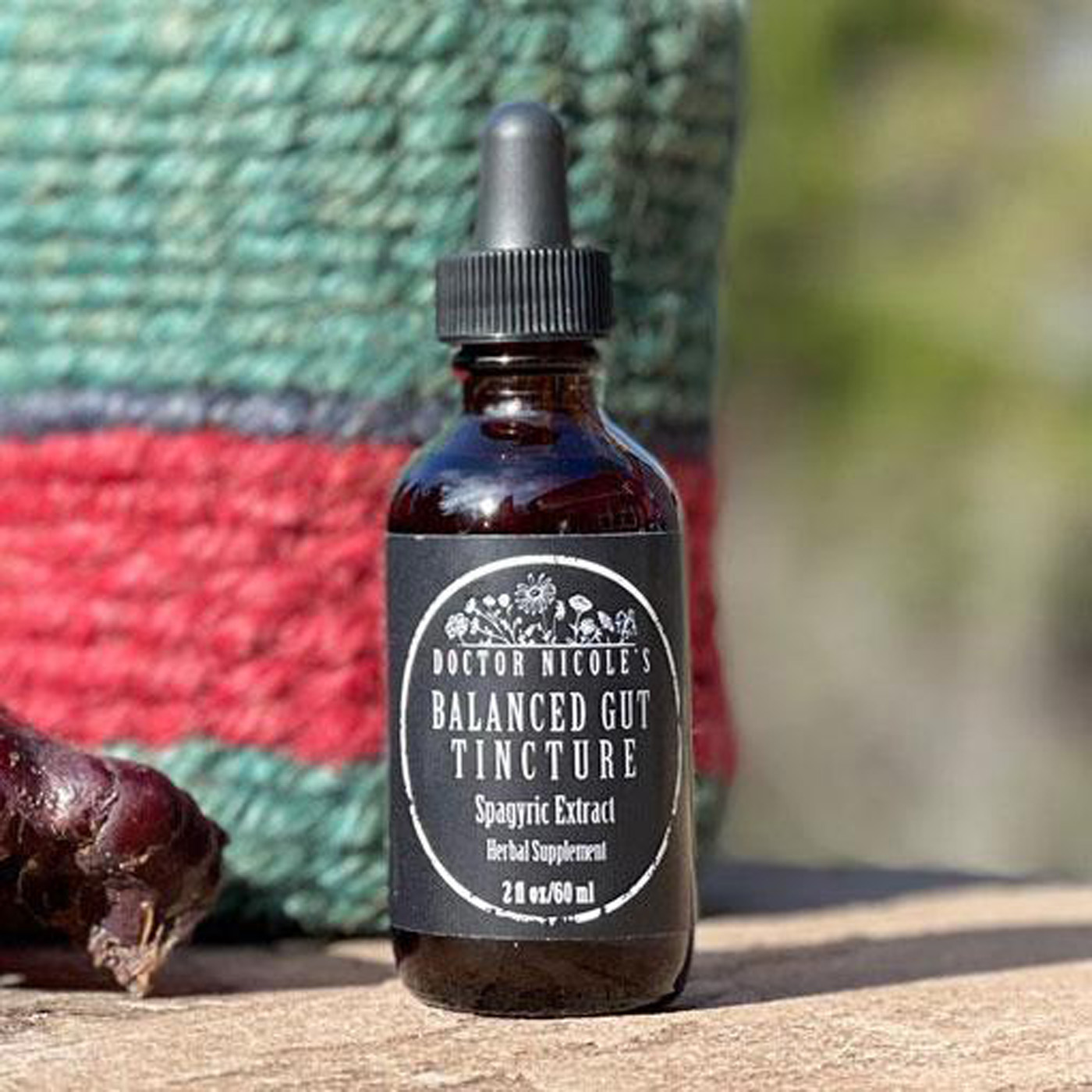
Balanced Gut Blend Tincture
References
- Lam GA, Hala Albarrak, McColl CJ, et al. The Oral-Gut Axis: Periodontal Diseases and Gastrointestinal Disorders. Inflammatory Bowel Diseases. 2022;29(7):1153-1164. doi:https://doi.org/10.1093/ibd/izac241
- Azzolino D, Carnevale-Schianca M, Santacroce L, et al. The Oral–Gut Microbiota Axis Across the Lifespan: New Insights on a Forgotten Interaction. Nutrients. 2025;17(15):2538. doi:https://doi.org/10.3390/nu17152538