

Midlife Hormonal Shift Shown to Impact Memory, Thinking, & Mood
If you’ve noticed your memory, focus, and cognitive function slipping since entering menopause, you are not alone. Many women experience brain fog during this time of significant hormonal fluctuations. Now, scientists have found it’s not “all in your head”. They have discovered that menopause affects the actual structure of the brain, impacting cognitive, emotional, and physical health. But there’s hope! An adaptive mechanism is also at play that can help your brain bounce back.
How Menopause Changes Your Brain
Research over the years has established that menopause causes measurable structural changes in your brain, which include a decrease of gray matter volume in the frontal and temporal cortices, along with the hippocampus — areas of the brain that are responsible for memory and decision-making. Because of this loss of volume, there is a decline in cognitive function — including verbal and visuospatial abilities.
A new study has also found that women in menopause often display white matter hyperintensities, which are spots visible on MRI scans that suggest possible tissue damage and tend to be more common in those who entered menopause early or experience frequent hot flashes.1 This is significant as the lesions are linked to an increased risk of cognitive decline, issues with balance, mood changes, and stroke and dementia. Thankfully, some findings suggest that through the adaptive mechanism of neuroplasticity, gray matter volume may partially return via brain mitochondria ATP production after menopause and improve cognitive function over time.3
“This type of work highlights the need to continue exploring the relationship between the brain and menopause, particularly their connection with the cognitive, emotional, and behavioral symptoms women experience during this stage,” says Angélica Rodríguez, PhD student in Psychology at Ponce Health Sciences University in Puerto Rico.2

Lifestyle Tips to Improve Cognitive Function During Menopause & Beyond
To offset the impact of menopause and avoid future cognitive issues down the road, it is important to embrace lifestyle habits that support overall brain and mitochondrial health, including regular physical activity with both cardio and resistance training to stimulate the formation of new mitochondria and enhancing those already present; getting enough quality sleep to improve mitochondrial function and brain detoxification via the glymphatic system; managing stress; daily exposure to at least ten minutes of direct sunlight to boost mitochondrial activity; practice intermittent fasting or calorie restriction; and temperature therapy involving heat (such as saunas) or cold (cold baths/showers) to strengthen mitochondria.
Diet also plays an important role in brain and mitochondrial health. Focus on an anti-inflammatory, anti-oxidant rich diet that’s abundant in fatty wild caught fish, fruit, leafy greens, vegetables, nuts and seeds, whole grains, legumes, and fiber, while avoiding refined sugar and processed food. A green Mediterranean diet is an excellent option!

Feel Your Best, Everyday
In addition to dietary and lifestyle choices, medicinal herbs can help to ease the symptoms of menopause, improve sleep, and boost overall cognitive function. Here are my top recommendations:
Our Menopause Blend brings together two powerful, time-honored botanicals to help you feel more balanced and comfortable during this hormonal transition. Black cohosh root, a well-known phytoestrogenic herb, helps steady shifting estrogen levels to ease hot flashes and night sweats. Red clover adds another layer of support with its natural isoflavones that promote bone health, influence healthy estradiol levels, and calm common menopausal discomforts. Together, these herbs offer a gentle, non-pharmaceutical option that helps you stay balanced, supported, and vibrant.
“Love this product. Helps with balance and mood.” -Sherry

Next is our Sleep Blend. It’s formulated to help you drift off naturally and wake feeling truly restored. Valerian root boosts calming GABA levels, reduces middle-of-the-night sleep disruptions, eases stress, and helps you to fall asleep faster. Hops deepens relaxation, lengthens sleep time, and gently lowers body temperature to help enter sleep quickly. Chamomile brings its classic soothing properties to calm the nervous system, relax tense muscles, and support deep sleep. Passion flower rounds out the blend with its gentle sedative and anxiolytic effects, helping quiet a busy mind, support mood, and ease menopausal sleep disruptions. Together, these herbs create a calming, synergistic formula that helps you unwind and settle into the deep, rejuvenating sleep your mitochondria and body crave.
“Best sleep aid ever! After taking a dropper full, I’m sound asleep in under 30 minutes and I awake about 6 hrs later fully refreshed!” -Debra
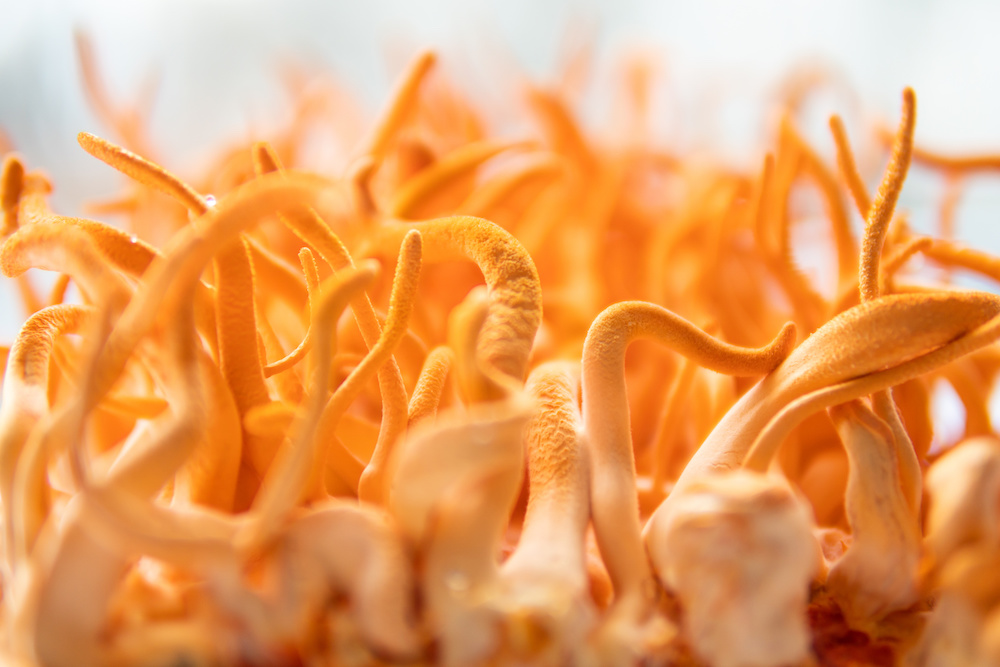
Lastly, our Brain Bundle brings together four powerful, research-backed botanicals to support sharper thinking, steadier focus, and overall cognitive health. Cordyceps helps combat fatigue, boosts mental energy, and supports memory and learning, while Lion’s Mane is celebrated for enhancing cognitive function and stimulating nerve growth factor to support long-term brain health. Reishi helps reduce stress-related brain fog, promotes calm focus, and supports healthy cortisol levels so your mind stays clear and sharp. Lemon Balm offers gentle anxiolytic benefits, supports focus, and helps protect the brain from oxidative stress. These potent extracts are formulated to help you think more clearly, stay focused longer, and feel mentally energized throughout the day.
“I am very pleased with the quality of these products, they’re top-notch.” -David
These potent formulas are crafted to support your mitochondria, boost cognitive function, and bring equilibrium. Ready to feel the difference? Visit Nicole’s Apothecary to explore these blends and many more!
Nicole Apelian
Nicole’s Apothecary Products in this Post

Brain Bundle
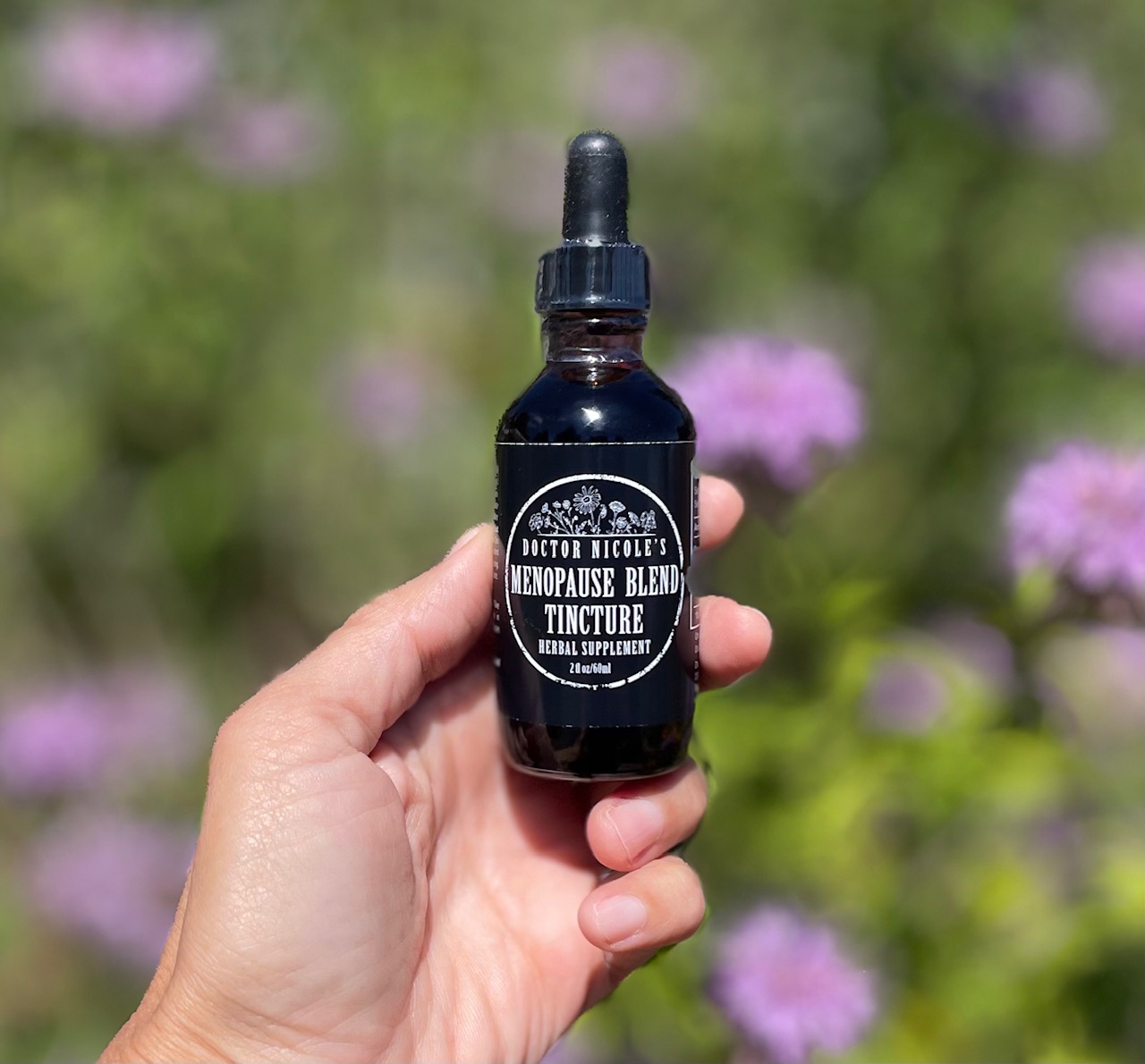
Menopause Blend Tincture
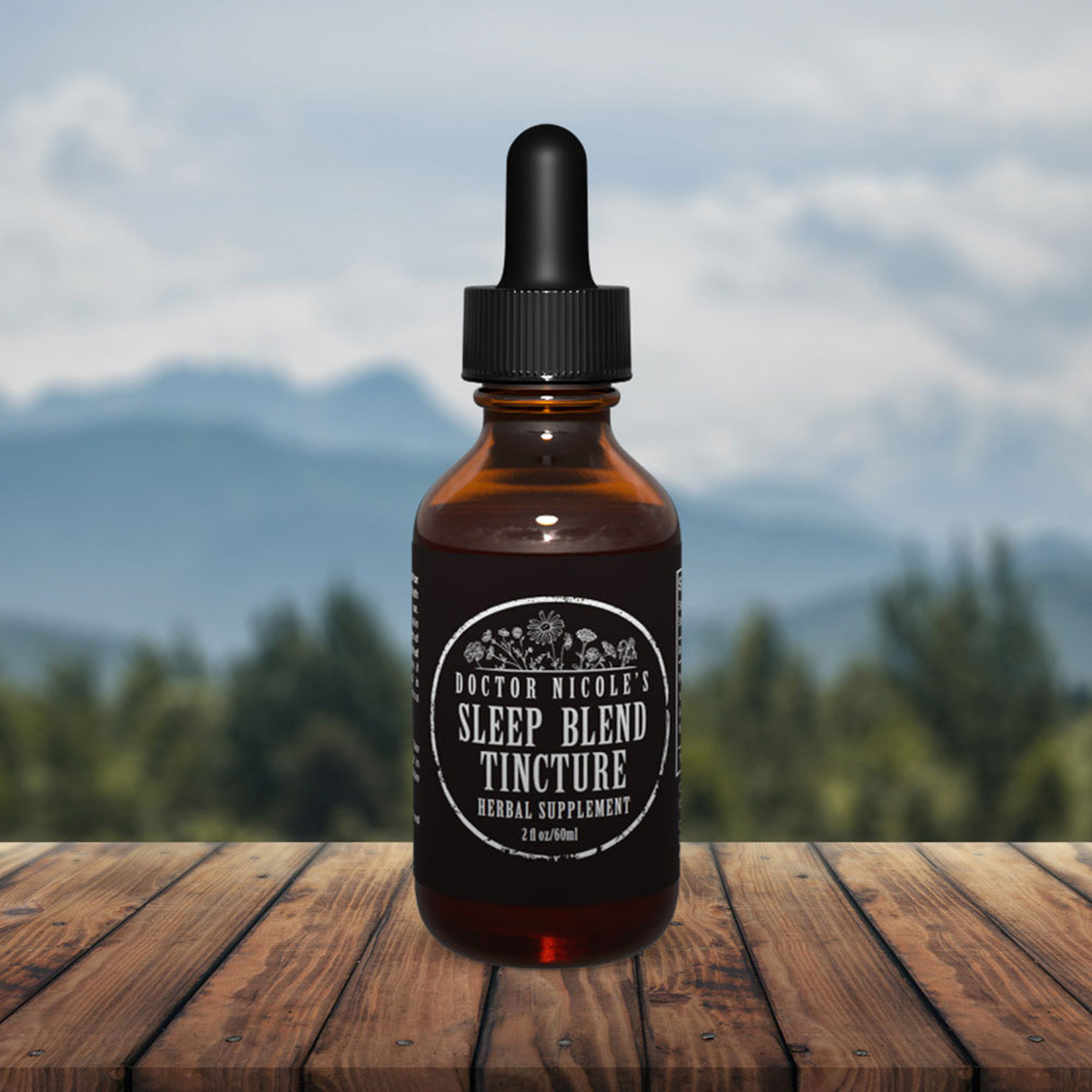
Sleep Blend Tincture
References
- NA. How menopause restructures a woman\’s brain. Menopause, October 2025 DOI: 10.1097/GME.0000000000000002541
- The Menopause Society. “Brain fog during menopause? Here’s what’s really going on.” ScienceDaily. ScienceDaily, 21 October 2025. <www.sciencedaily.com/releases/2025/10/251021083633.htm>.
- Mosconi, L., Berti, V., Dyke, J. et al. Menopause impacts human brain structure, connectivity, energy metabolism, and amyloid-beta deposition. Sci Rep 11, 10867 (2021). https://doi.org/10.1038/s41598-021-90084-y