

A Traditional Herb That Offers Impressive Benefits
A folk remedy with a long history of use, palo azul (Eysenhardtia polystachya) is known for helping kidney health, reducing inflammation, and relieving arthritis. It is also famous for its iridescent blue hue when the bark is brewed as a tea. Palo azul is a beautiful remedy that has been valued by indigenous peoples for centuries to treat pain, digestive complaints, and wound-healing applications.1,2 The herb is also recognized for its ability to regulate blood sugar. It’s a time-tested medicinal herb that holds promise for us today. Keep reading to learn more about this unique and useful botanical.
Kidney Health
If you are seeking an all-natural method for supporting your kidneys, palo azul is worth a look. In fact, it’s often called “kidney wood” as it contains valuable compounds that improve kidney function and help to prevent kidney stones. Research has found that the herb contains beneficial flavonoids and fatty acids that help to protect against the formation of kidney stone crystals due to antioxidant, anti-inflammatory, and diuretic properties.3 Palo azul helps to neutralize the harmful molecules that create oxidative stress in the body, which in turn injures kidney cells. By lowering this stress and keeping the kidneys running smoothing, this botanical makes it more difficult for kidney stones to form.
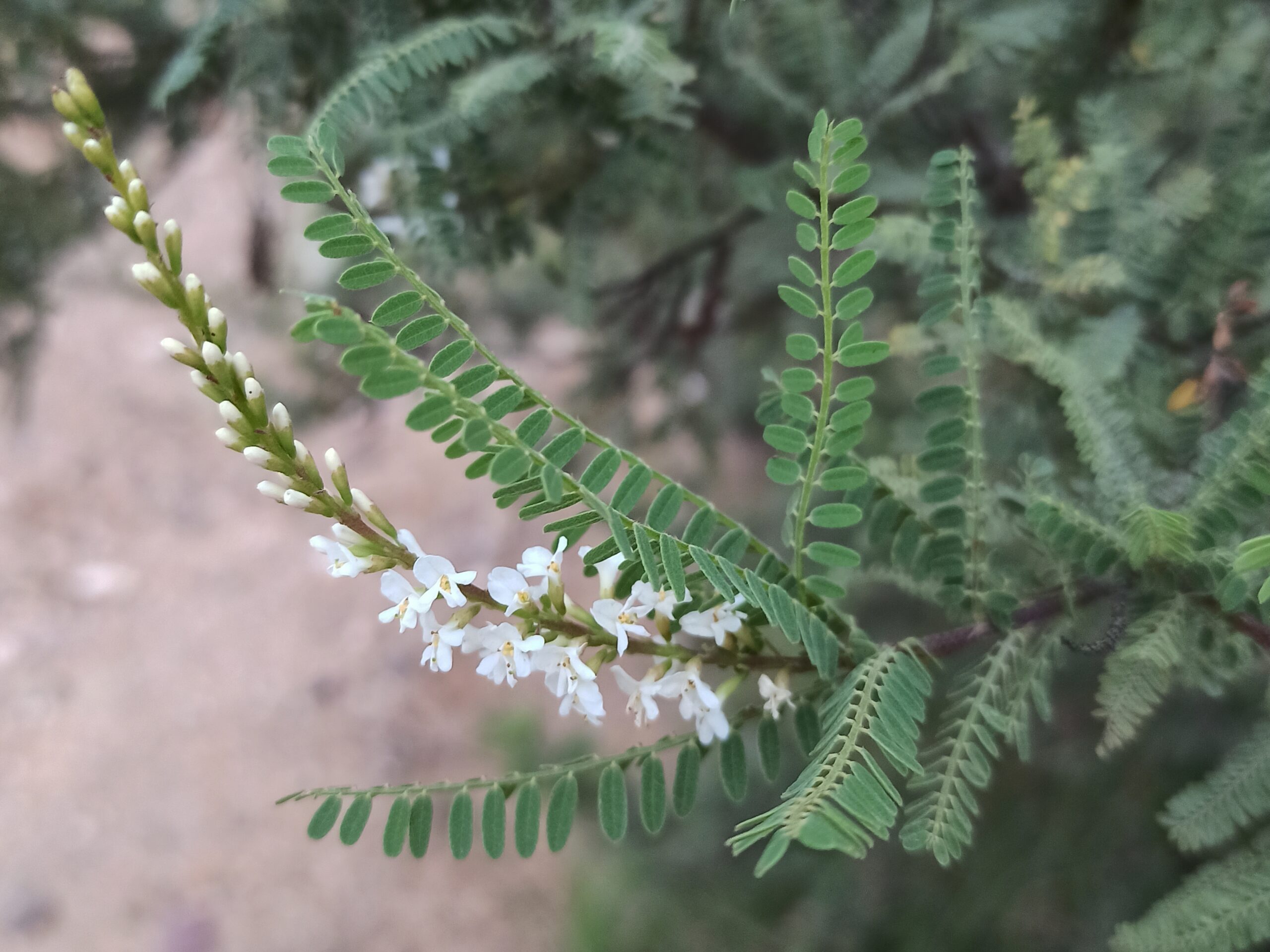
Photo credit: Juan Carlos Fonseca Mata, CC BY-SA 4.0
Blood Sugar Management
For those who would like to lower their blood glucose levels, palo azul can help here too. When your blood sugar is too high, it can lead to oxidative stress, cause increased levels of advanced glycation end products (AGEs), and trigger insulin resistance. Ultimately, this contributes to the development of diabetes. In animal studies, the flavonoids in palo azul have been shown to protect the body from this destructive cycle through antioxidant action, lowering blood glucose levels, and preventing the formation of AGEs.5,6
Inflammation, Pain, & Joint Health
Palo azul really shines as an anti-inflammatory and analgesic (pain-relieving) herb — particularly for rheumatoid arthritis, an autoimmune disorder where the body mistakenly attacks joint tissue. This condition is often accompanied by the release of pro-inflammatory cytokines, which cause an inflammatory cycle that further damages the joint tissue resulting in swelling, stiffness, and pain.
Studies using animal models have discovered that the flavonoids found in palo azul bark act as powerful anti-inflammatory agents that may help to reduce these cytokines in arthritic patients.4 The team also notes the herb is an effective analgesic that can lower the joint pain associated with inflammation.
Recipe. Palo Azul Decoction. Simmer approximately one ounce of the bark in 7 cups of distilled water for 5–10 minutes, covered. Remove from heat and let it steep for up to an hour for maximum extraction. Strain. The tea will develop a distinctive blue hue. Refrigerate for up to seven days.
The Takeaway
As a unique traditional remedy, palo azul offers impressive health benefits. The herb contains potent antioxidants that help to protect the kidneys and reduce the chance of stone formation, while its balancing effects on blood sugar may assist with interrupting the damaging cycle that leads to metabolic issues. What’s more, its strong anti-inflammatory and pain-relieving properties make it especially valuable for joint discomfort and autoimmune conditions such as rheumatoid arthritis. Together, these benefits demonstrate why this beautifully blue medicinal herb continues to be a powerful ally for modern wellness.
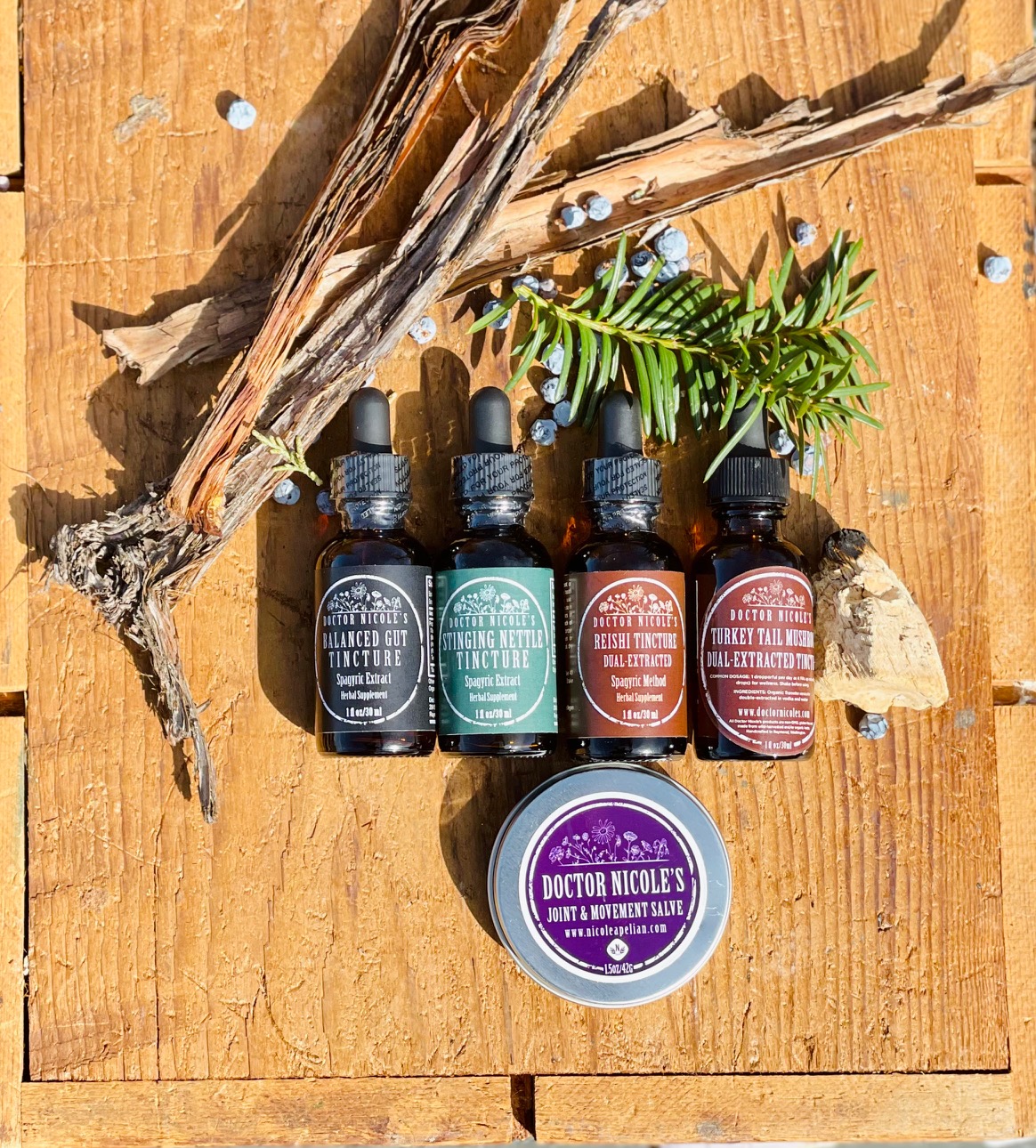
Extra Support For Joint Pain, Inflammation, & Arthritis
If mobility challenges or chronic discomfort from an autoimmune condition are affecting your daily life, our Joint and Movement Bundle offers powerful, natural support.
This collection brings together four potent herbal tinctures: dual-extracted Reishi and Turkey Tail medicinal mushrooms to address inflammation, blood sugar issues, and to protect against the negative effects of stress; our Balanced Gut Blend for an imbalanced microbiome, leaky gut, and other digestive complaints; as well as Stinging Nettle to help cool and calm inflammation, joint pain, and swelling. You’ll also receive a tin of our Joint & Movement Salve, which is often described by our customers as a true “miracle worker” for easing sore, stiff, or inflamed muscles, tendons, and joints.
At Nicole’s Apothecary, our Joint and Movement Bundle is thoughtfully crafted to offer powerful, natural support so you can move with ease, reduce pain, and feel like yourself again. Don’t wait to start feeling better — tap the link below!
Nicole Apelian
Nicole’s Apothecary Products in this Post
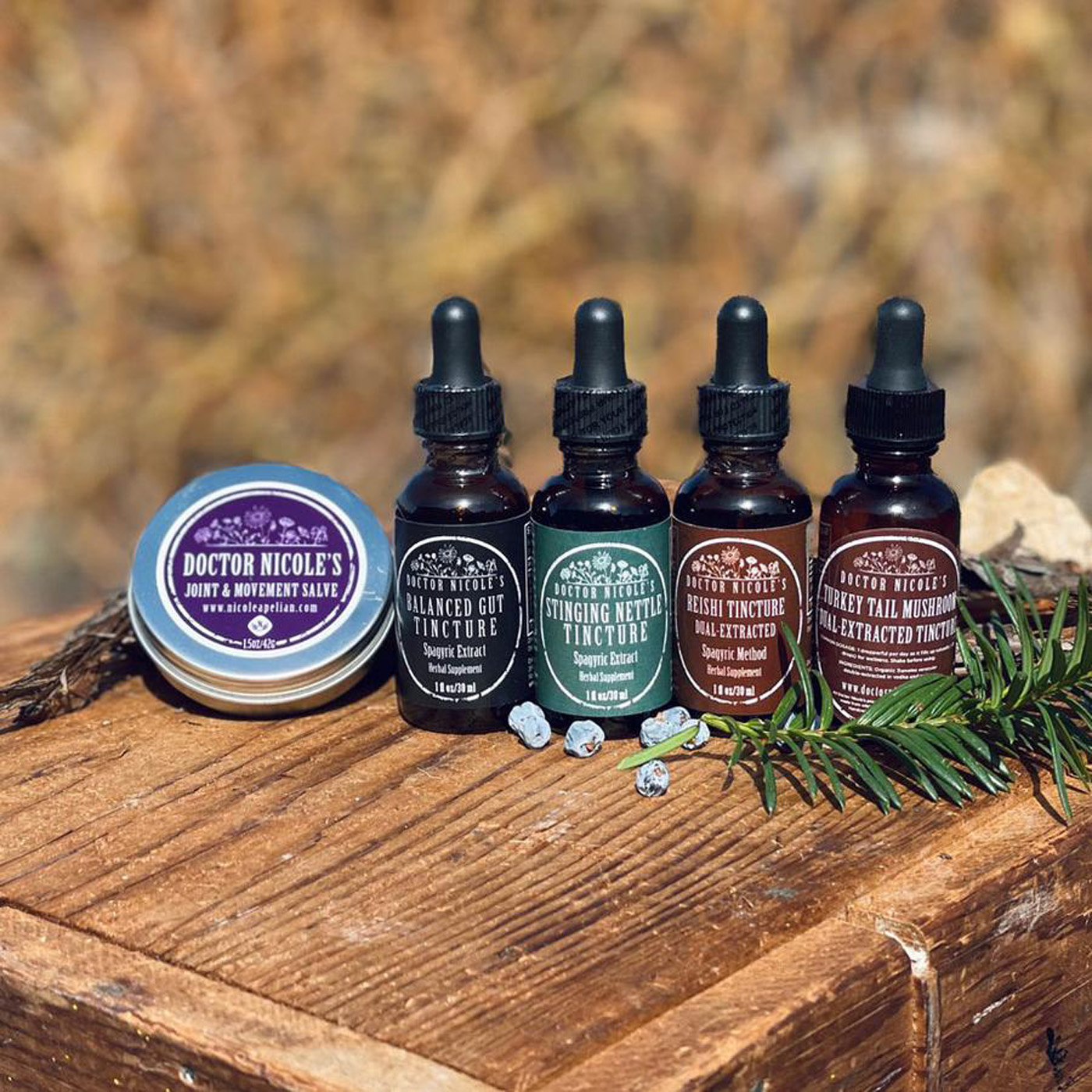
Joint & Movement Bundle
References
- Kawamoto, Y., Ueno, Y., Nakahashi, E., Obayashi, M., Sugihara, K., Qiao, S., Iida, M., Kumasaka, M. Y., Yajima, I., Goto, Y., Ohgami, N., Kato, M., & Takeda, K. (2016). Prevention of allergic rhinitis by ginger and the molecular basis of immunosuppression by 6-gingerol through T cell inactivation. The Journal of nutritional biochemistry, 27, 112–122. https://doi.org/10.1016/j.jnutbio.2015.08.025. https://pubmed.ncbi.nlm.nih.gov/26403321/
- Ishikawa, Y., Tokura, T., Nakano, N., Hara, M., Niyonsaba, F., Ushio, H., Yamamoto, Y., Tadokoro, T., Okumura, K., & Ogawa, H. (2008). Inhibitory effect of honeybee-collected pollen on mast cell degranulation in vivo and in vitro. Journal of medicinal food, 11(1), 14–20. https://doi.org/10.1089/jmf.2006.163. https://pubmed.ncbi.nlm.nih.gov/18361733/
- Mlcek, J., Jurikova, T., Skrovankova, S., & Sochor, J. (2016). Quercetin and Its Anti-Allergic Immune Response. Molecules (Basel, Switzerland), 21(5), 623. https://doi.org/10.3390/molecules21050623. https://pubmed.ncbi.nlm.nih.gov/27187333/


.jpg)