

A New Predictor of Disease
For years, researchers have explored the microbiome and the role it plays in immunity, mental health issues, inflammation, obesity, type II diabetes, and autoimmune conditions such as multiple sclerosis (MS). Jump to the present, and a new study has found that specific gut bacterial species are also associated with your cardiovascular health. Can intestinal flora actually predict your risk of heart disease? Scientists now say yes.
The Study
Published in the journal mSystems, the study involved 14 individuals with heart disease and 28 controls.1 The participants’ average age was around 53. All but three were men. Using a technique called shotgun metagenomics, the researchers examined their gut bacteria and functional changes, along with the relationship between the microbiome, active pathways, and cardiovascular disease. What they discovered is that seven bacterial species were more abundant in the heart disease group, with lower amounts of eight species compared to the healthy controls. Lead author Han-Na Kim, PhD, Assistant Professor at Sungkyunkwan University (SAIHST), Seoul notes:
“What we found was not only a difference in which bacteria were present, but also in what biological functions they performed. People with [coronary artery disease] had markedly fewer protective microbes that produce short-chain fatty acids (SCFAs) — molecules that help reduce inflammation and support vascular health. In contrast, we observed higher activity in microbial metabolic pathways such as the urea cycle and L-citrulline biosynthesis, which are related to inflammation and cardiovascular stress. These functional changes suggest a shift from a balanced to a pro-inflammatory gut environment.”
Interestingly, even so-called “good” bacteria like Faecalibacterium prausnitzii and Akkermansia muciniphila can turn harmful depending on whether they reside in a healthy or diseased gut. The findings of the study suggest the microbiome in those with cardiovascular disease experience significant changes that promote inflammation and interfere with normal metabolic function. This may help to explain why certain gut bacterial species may contribute to heart disease.
Considering that coronary artery disease claims nearly 20 million lives every year worldwide, the results of this study is a step in the right direction for helping to identify risk factors and work towards preventative solutions — one of which is diet.
Heart Disease and The Power of Diet
I have written extensively about the importance of diet for maintaining a healthy microbiome — and we have long known that what you eat can have a significant impact on heart health. One of the main factors is butyrate — a compound that has been shown to provide energy for gut cells, strengthen the gut barrier, and reduce inflammation. It is produced by microbes fermenting dietary fiber in the gut. Adequate levels of butyrate are crucial for health as it plays a role in preventing metabolic disorders such as type II diabetes, while protecting brain health, lowering inflammation, and supporting cardiovascular health.3
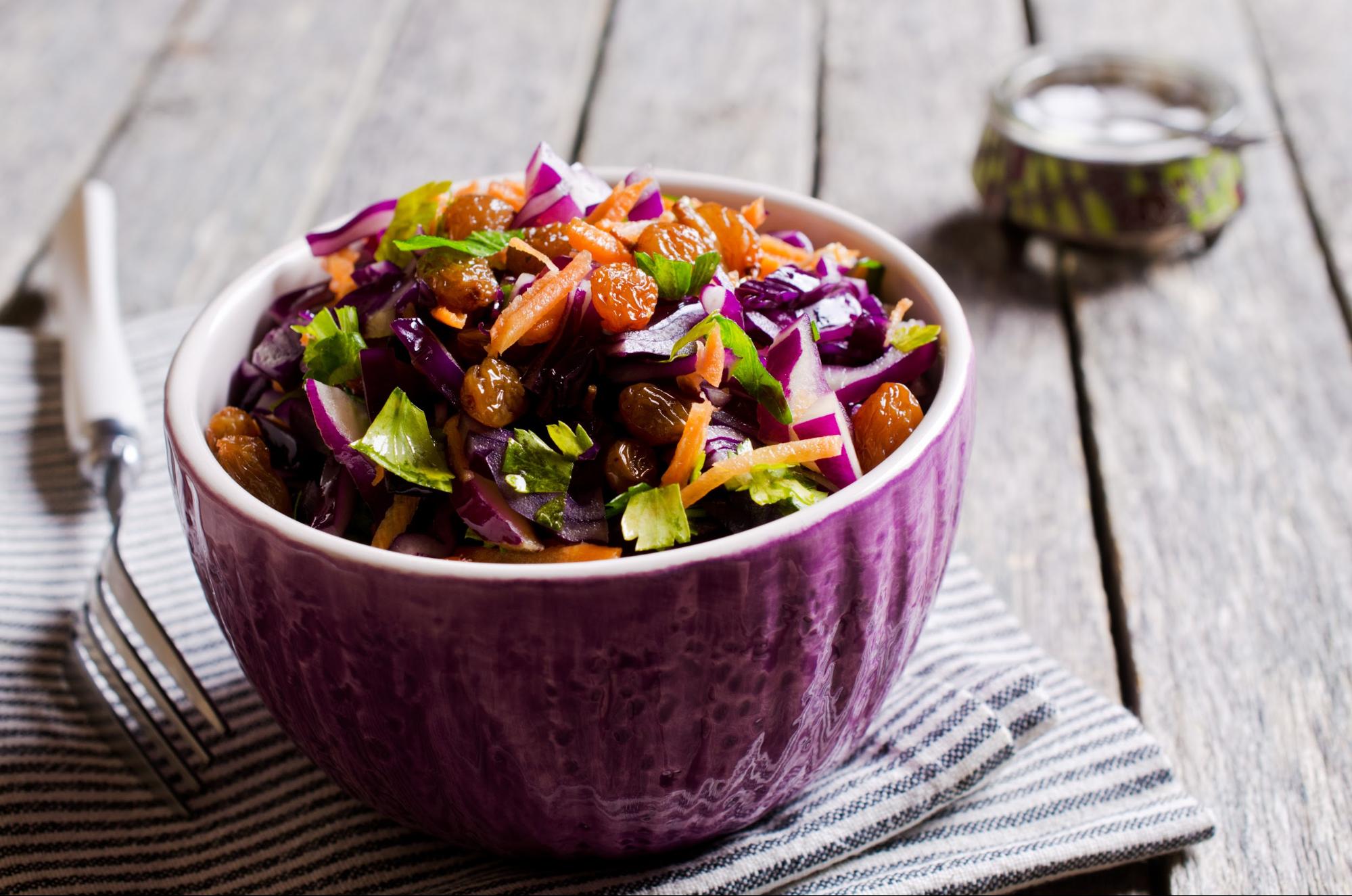
If you would like to boost your levels of this health-promoting compound, one of the best methods is to adopt a green Mediterranean diet. You can enjoy moderate amounts of seafood, wild-caught fish, and dairy, while skipping red and processed meats altogether. The plan also includes 3–4 cups of green tea daily, plus 100 grams of Mankai duckweed — a protein-rich aquatic plant — blended into a smoothie. An ounce of walnuts each day, legumes, nuts/seeds, an abundance of fruits and vegetables, and whole grains comprise the staples of the diet. Overall, the emphasis is on whole, unprocessed, preferably organic foods. Resistant starch from cooked, then cooled potatoes and rice, green bananas, and raw oats are helpful as well. Make sure to also include kimchi, sauerkraut, active yogurt, kefir, and tempeh, along with Jerusalem artichoke, flaxseed, and dandelion greens. This supplies an abundance of foods that provide plenty of prebiotics, probiotics, and fiber for the production of butyrate.

Can Medicinal Herbs Help to Support a Healthy Heart and Gut?
Yes, absolutely! My Balanced Gut Blend is a perfect example. It is formulated with reishi, lion’s mane, and turkey tail medicinal mushrooms, along with slippery elm and marshmallow root. This blend helps to tame gut inflammation, provides crucial prebiotics for a healthy microbiome, and heals leaky gut.
“Love this product! My go to, all-in-one formula.” -Sherry

For plant-based cardiovascular support, our Heart Health Blend contains potent extracts of Hawthorn, Tulsi (Holy Basil), Fenugreek, and Bilberry for blood sugar and blood pressure regulation; improved circulation and cholesterol levels; and lower inflammation. This powerful blend is also outstanding for supporting vision and the eyes.
“Love it! This blend stopped my heart from skipping beats like a-fib. I couldn’t be more satisfied!” -Vicki
If you’re ready to support your health with clinically-informed, time-honored herbal remedies, Nicole’s Apothecary has you covered! Our Balanced Gut and Heart Health Blends make it easy with a simple daily routine that provides real results. Explore these blends and our full collection at my apothecary. Your path to natural, everyday wellness begins here.
Nicole Apelian
Nicole’s Apothecary Products in this Post
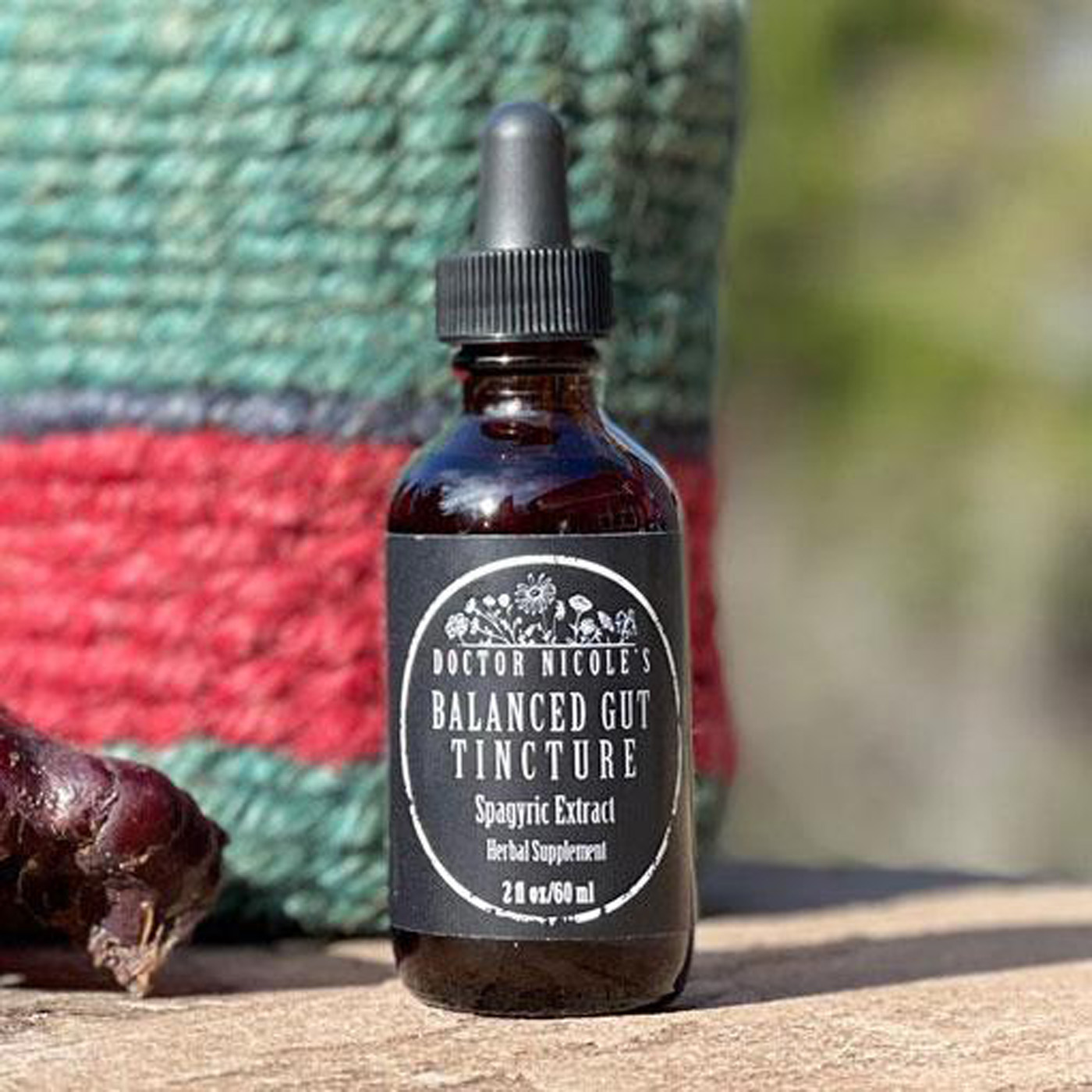
Balanced Gut Blend Tincture
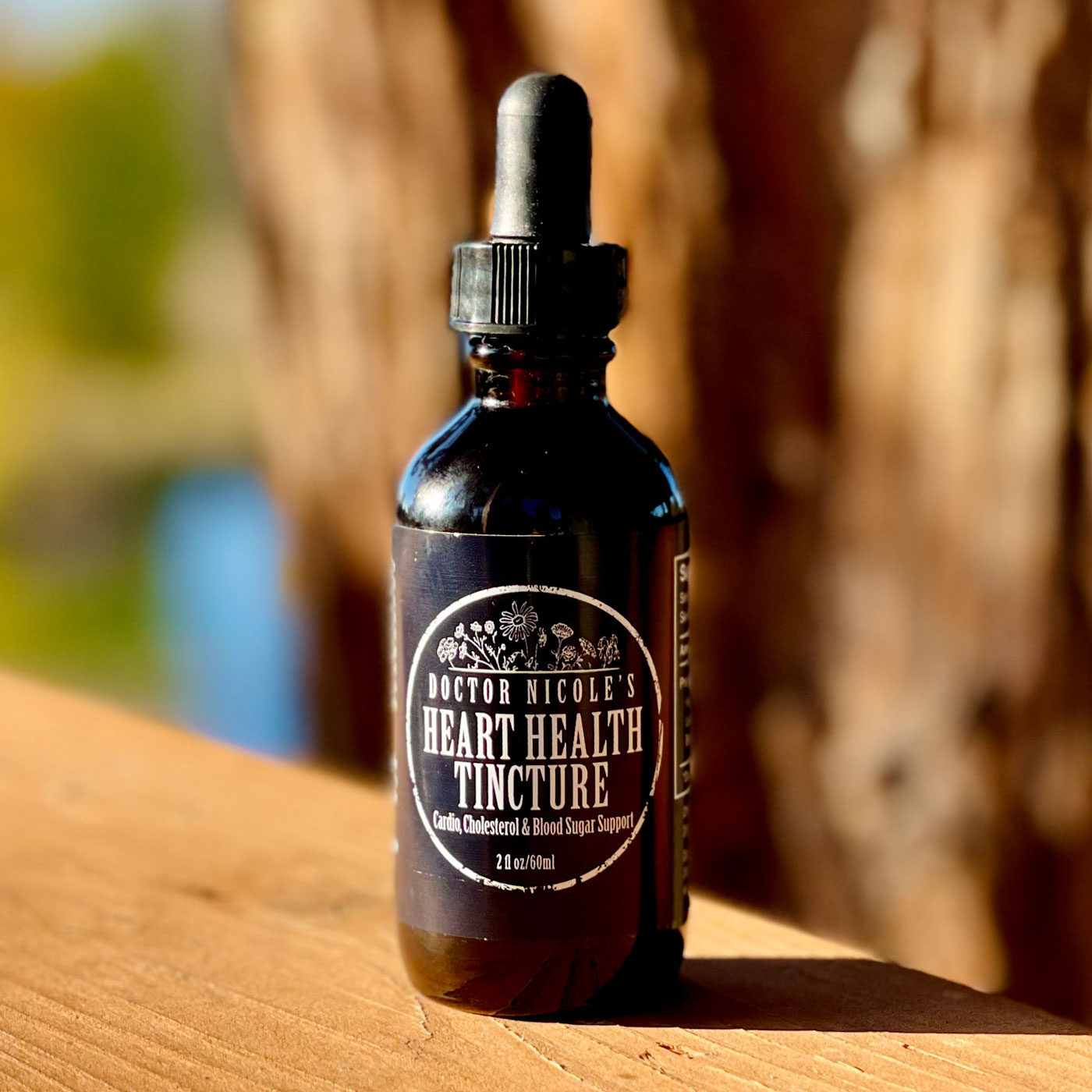
Heart Health Blend Tincture
References
- Lee S, Raza S, Lee E, Chang Y, Ryu S, Kim H, Kang S,Kim H.0.Metagenome-assembled genomes reveal microbial signatures and metabolic pathways linked to coronary artery disease. mSystems0:e00954-25.https://doi.org/10.1128/msystems.00954-25
- “Changes in gut bacteria may be a warning sign of heart disease” by Jessica Freeborn — Fact checked by Jill Seladi-Schulman, Ph.D., Medical News Today, November 10, 2025. https://www.medicalnewstoday.com/articles/changes-in-gut-bacteria-may-be-a-warning-sign-of-heart-disease
- Hodgkinson, Kendra et al. “Butyrate’s role in human health and the current progress towards its clinical application to treat gastrointestinal disease.” Clinical nutrition (Edinburgh, Scotland) vol. 42,2 (2023): 61-75. doi:10.1016/j.clnu.2022.10.024