

The Hidden Relationship Between Hormonal Shifts and Brain Health
While hot flashes during menopause have become an accepted symptom during this significant hormonal shift for women, a 2023 study indicates they may not be as benign as once thought. It has been well established that hot flashes are linked with a decline in memory as well as changes in brain structure, cognitive function, and connectivity, but findings from the University of Pittsburgh shed new light on the association with Alzheimer's disease. Here we’ll explore what the researchers discovered — and how to reduce the risk of this devastating disease.
Study Links a Common Menopause Symptom to Alzheimer's
Published in the American Journal of Obstetrics and Gynecology, researchers from the University of Pittsburgh and the University of Chicago established that nighttime hot flashes during menopause are linked to a higher risk of developing Alzheimer's disease.
“While women’s quality of life absolutely matters and the hot flashes deserve attention for their quality-of-life impacts alone, we also are seeing that these hot flashes may be telling us much more about a woman’s health than we previously thought,” said lead researcher Dr. RebeccaThurston, who also directs the Women’s Biobehavioral Health Program at the University of Pittsburgh.6
She believes Alzheimer's is a significant health issue for women, as it's among the top five leading causes of death, where two-thirds of patients are female. Up to a third of women also experience moderate to severe hot flashes, putting them at an increased risk of developing the disease.
Thurston's team found that hot flashes that take place during sleep were associated with greater markers of amyloid plaque in the brain, which is one of the major factors in Alzheimer's pathology. She is quick to point out this wasn't explained by declining estrogen levels or disrupted sleep — there is another mechanism at play, which requires ongoing research to establish.
A later study published in the journal Cureus also found that menopause significantly increases a woman's risk of developing Alzheimer's.5 However, the researchers believe there is a link to declining estrogen, which in turn influences glucose metabolism, mitochondrial function, neuronal plasticity, oxidative stress, and neuroinflammation.5 While the team recognizes hormone replacement therapy (HRT) may be a viable option to preserve brain health in women, after the age of 61, HRT can actually increase the risk of dementia. This is why they stress the importance of adopting an anti-inflammatory diet and daily mixed strength and aerobic exercise as safer alternatives.
As I wrote in "Is Menopause Restructuring Your Brain? Here’s What Scientists Have Discovered", research shows menopause is linked to measurable brain changes, including reduced gray matter in the frontal and temporal lobes and the hippocampus — areas essential for memory and decision-making. This shrinkage is associated with declines in cognitive function, including verbal and spatial skills. Studies also report increased white matter hyperintensities on MRI scans during menopause, particularly in women with early menopause or frequent hot flashes. These lesions are associated with higher risks of cognitive decline, balance issues, mood changes, stroke, and dementia.3,4

Lowering the Risk: Improving Cognitive Function, Sleep, and Hormonal Balance
Truth be told, these findings are sobering for any woman entering or traveling through menopause and beyond. However, there is plenty you can do to lower the risk of Alzheimer's now, such as: focusing on building mitochondrial health with regular physical activity (both cardio and resistance training); encouraging brain detoxification via the glymphatic system; managing stress and optimizing your circadian rhythm; embracing intermittent fasting and an anti-inflammatory green Mediterranean diet; as well as utilizing specific herbal remedies to calm hot flashes, boost cognitive function, and support deep, rejuvenating sleep. Here are my top recommendations:
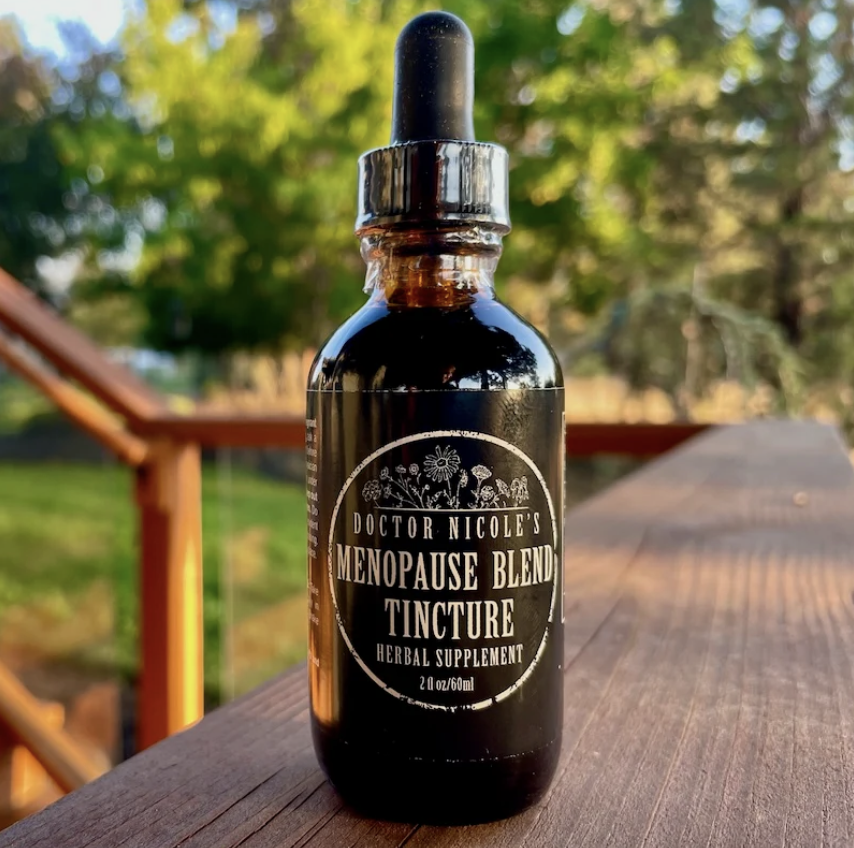
Menopause Blend
If you are struggling with the symptoms of menopause, our potent Menopause Blend combines two time-honored herbal remedies to help restore balance and ease your transition.
Black Cohosh Root is a phytoestrogenic powerhouse that helps raise estrogen levels and calm the hormonal fluctuations behind hot flashes and night sweats.
Red Clover delivers natural phytoestrogen isoflavonoids to help relieve hot flashes, support bone health, and serve as a holistically-based alternative to hormone replacement therapy. Use before bed to tackle nighttime symptoms — or anytime throughout the day for ongoing hormonal support.
For sleep disruptions related to menopause, pair with our Sleep Blend Tincture.
YOUR MENOPAUSE BLEND TRULY HELPS
"My 3rd time ordering. It truly helps." -Lois
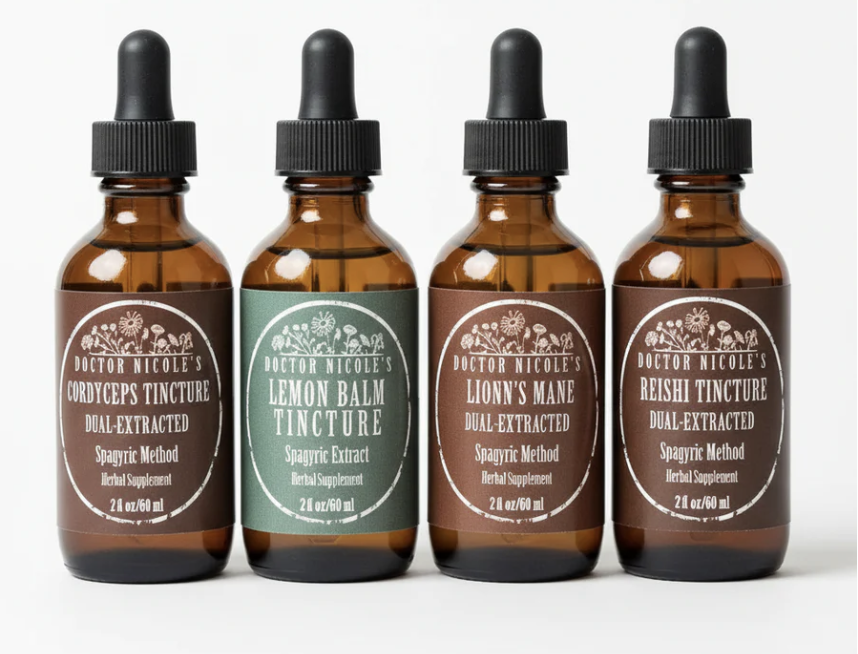
Brain Bundle
Give your brain the support it deserves. My Brain Bundle brings together four of our most powerful, science-backed botanicals for cognitive health. All our mushroom tinctures use dual-extracted, fruiting bodies only — never mycelium — for full potency and effectiveness.
Cordyceps supports whole-body vitality, lung function, and brain health, addressing both chronic fatigue and acute cognitive demands.
Lion's Mane is the cognitive cornerstone of this bundle — promoting nerve function, mental clarity, increased energy, and stress relief.
Reishi is a top-tier adaptogen that shields the body from stress, encourages restful sleep, and strengthens immune function.
Lemon Balm is my personal go-to for brain and mood support — calming anxiety, sharpening focus, and boosting mental clarity.
Discover the healing power of nature — visit Nicole's Apothecary today and find the perfect herbal remedy for your wellness needs.
Actions Steps & FAQs
Action Steps
- Prioritize dietary balance rather than eliminating entire food groups or nutrients.
- Include fiber-rich whole foods to support a diverse, thriving gut microbiome.
- Add fermented foods to help maintain healthy levels of beneficial bacteria.
- Maintain consistent meal timing to support glucose regulation and metabolism.
- Consider an extra level of support with Nicole's Apothecary Balanced Gut Blend and Liver Blend.
FAQ
Does eliminating all sugar improve gut health?
Not necessarily. New research found that completely removing sucrose from a low-fat diet disrupted the gut microbiome, reducing beneficial bacteria like Lactobacillus murinus and increasing pro-inflammatory bacteria.
Can a zero-sugar or carnivore diet raise diabetes risk?
The study found that a sucrose-free diet led to impaired glucose control and reduced insulin sensitivity — both risk factors for type II diabetes — despite eliminating sugar entirely.
Is there a link between zero-sugar diets and fatty liver disease?
Yes. Researchers observed early warning signs of fatty liver disease and liver inflammation in the group following a completely sucrose-free diet.
Is balanced nutrition better than eliminating sugar completely?
According to the research, yes. Experts note that healthy eating depends on overall dietary patterns rather than eliminating a single nutrient or food group.
Nicole's Apothecary Products in this Post
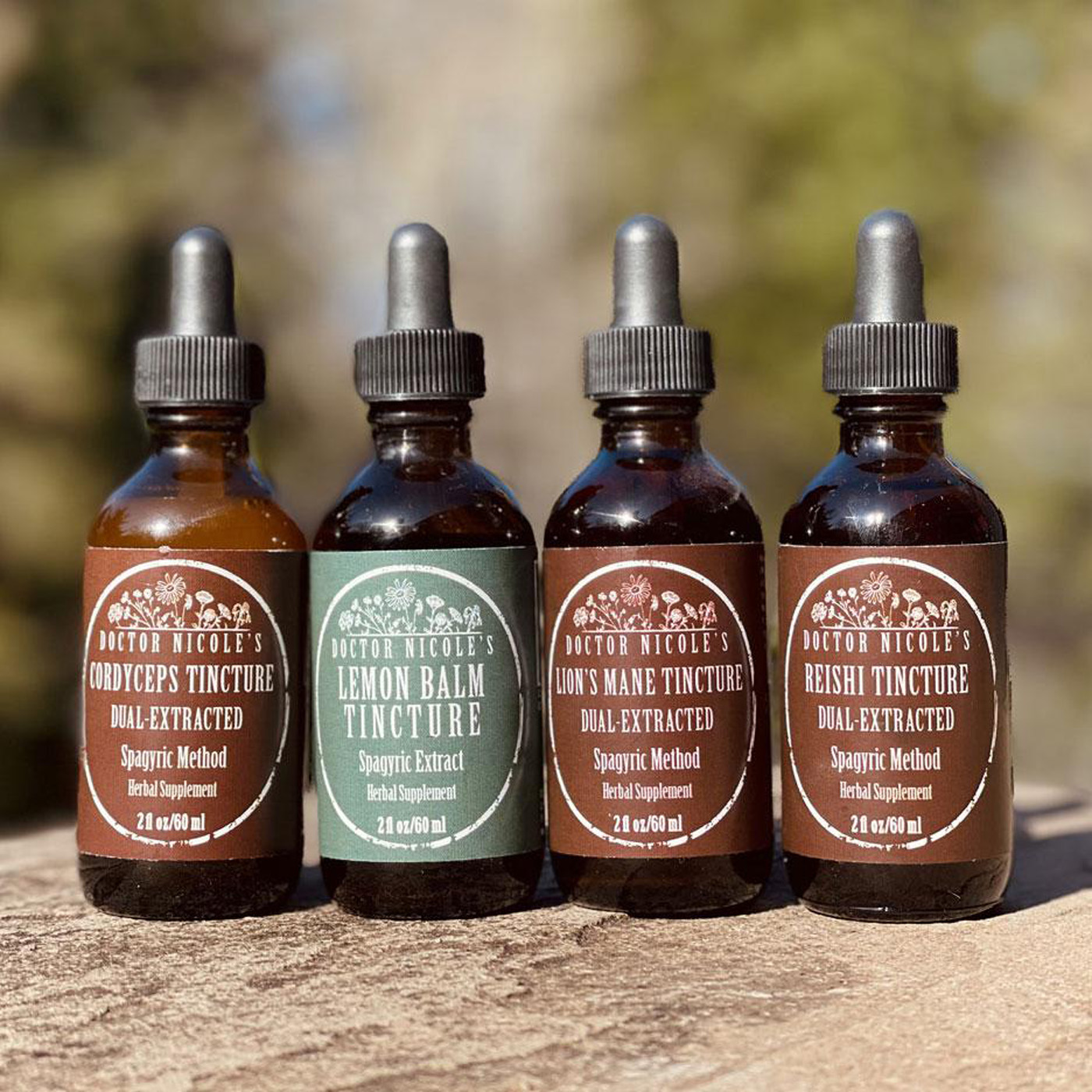
Brain Bundle

Menopause Blend Tincture
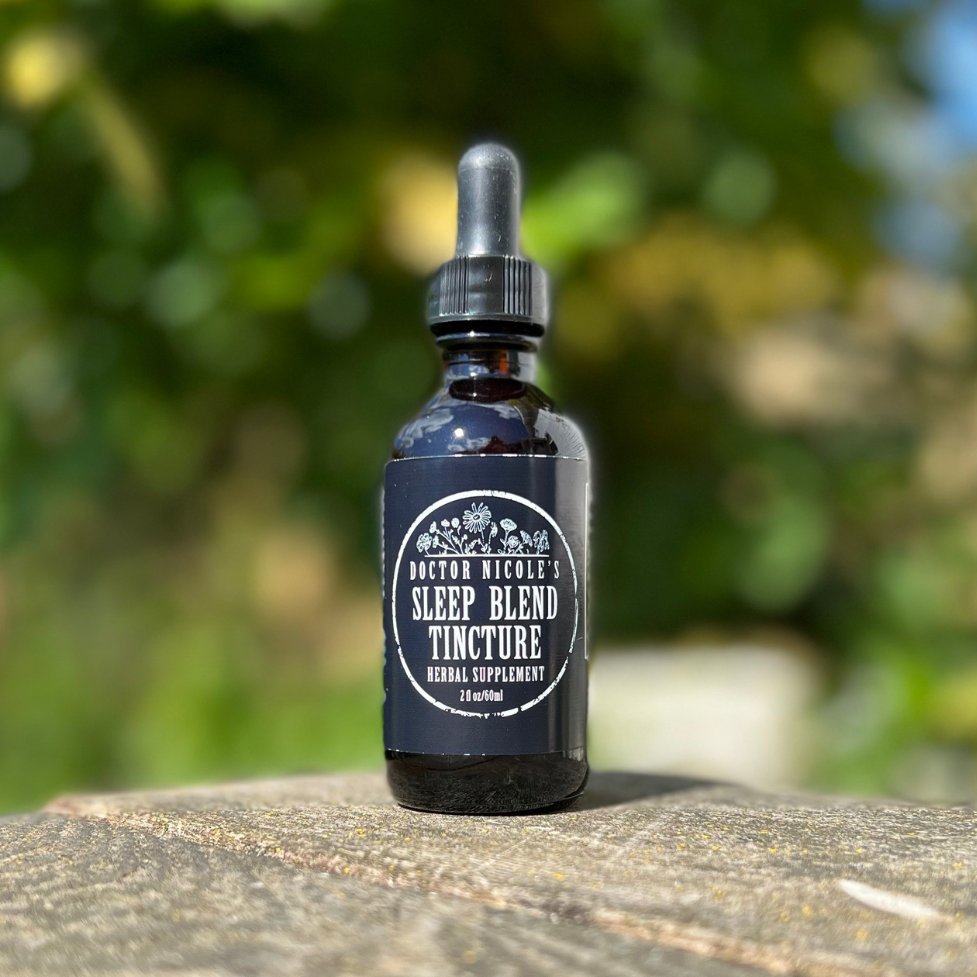
Sleep Blend Tincture
References
- Rebecca C. Thurston, Pauline Maki, Yuefang Chang, Minjie Wu, Howard J. Aizenstein, Carol A. Derby, Thomas K. Karikari, Menopausal vasomotor symptoms and plasma Alzheimer disease biomarkers, American Journal of Obstetrics and Gynecology. https://doi.org/10.1016/j.ajog.2023.11.002.
- Calle, Andrés et al. “Severe menopausal symptoms linked to cognitive impairment: an exploratory study.” Menopause (New York, N.Y.) vol. 31,11 (2024): 959-965. doi:10.1097/GME.0000000000002422
- Maki, Pauline M et al. “Hot flashes are associated with altered brain function during a memory task.” Menopause (New York, N.Y.) vol. 27,3 (2020): 269-277. doi:10.1097/GME.0000000000001467
- NA. How menopause restructures a woman’s brain. Menopause, October 2025 DOI: 10.1097/GME.0000000000000002541
- Briceno Silva, Gabriela et al. “Influence of the Onset of Menopause on the Risk of Developing Alzheimer's Disease.” Cureus vol. 16,9 e69124. 10 Sep. 2024, doi:10.7759/cureus.69124
- "Nighttime Hot Flashes May Signal Alzheimer’s Risk, Pitt Researchers Say" by Ana Gorelova, UPMC: Life Changing Medicine, November 16, 2023. https://inside.upmc.com/nighttime-hot-flashes-may-signal-alzheimers-risk-pitt-researchers-say/