

Scientists Found a Key to Longevity — It’s Found Inside Your Cells
Have you heard of NAD+? Otherwise known as nicotinamide adenine dinucleotide, it's an essential coenzyme that is found in every cell of your body and involved in a range of metabolic processes — including converting food into energy and supporting cellular functions. Some studies also suggest NAD+ may help to reduce the risk of age-related disease. But here's the catch: it naturally declines as we age, impacting energy metabolism, DNA repair, and cellular health. Researchers believe that if we can boost NAD+, it may help to support longevity and actually slow the aging process. Because of this, scientists are searching for natural methods to increase NAD+. Here's what they found.
A Cellular Compound Essential for Aging Well
If you think slower recovery from exercise, unexplained fatigue, brain fog, a propensity towards disease, and a sluggish metabolism are all aspects of the aging process, you would be right — and the reason is likely found within your cells, specifically with the molecule NAD+.
An essential coenzyme, it is involved not only in energy production but also in DNA repair and longevity pathways. As we age, its production naturally declines. We also tend to use more NAD+ as we grow older to counteract oxidative stress, inflammation, and other stressors. Compounding the problem are two NAD+-consuming enzymes — PARP hyperactivation and CD38 overexpression — paired with a decline in NAMPT, the enzyme that manufactures and recycles NAD+. The result is a perfect storm of cellular aging.
But the cycle doesn't end there. Sirtuins are longevity enzymes that regulate cellular health, stress resistance, metabolism, and circadian rhythms. They also completely rely on NAD+ to function. When there isn't enough NAD+ available, sirtuins aren't able to properly regulate cellular repair or provide resistance to stress, which in turn leads to DNA damage and increased inflammation — creating an additional drop in NAD+ levels.
NAD+ begins to decline gradually in your 30s, then accelerates as you journey into your fifties and beyond. Concentrations of the compound generally decrease by at least 50% over the course of adult aging.2 In extreme cases, levels can decline by up to 90% in the elderly compared to young adults.3
Can You Boost NAD+ Naturally?
You may be wondering if you can simply take a NAD+ supplement to fill in the gaps. Not directly as the molecule is too large to enter cells — instead, you can take a NAD+ precursor: Nicotinamide Riboside (NR) or Nicotinamide Mononucleotide (NMN). This is what I use.
Here's how it works, according to Andrew Salzman, MD, a Harvard Medical School alumnus and researcher of NAD+ and NMN:
"We now know that it can’t be done by delivering NAD either orally or by IV — because NAD has no mechanism for entering the cell. However, it can be done by providing the starting material for NAD, which is NMN. Cells have evolved a receptor for NMN — it’s a special protein on the surface of the cell which attaches to NMN and shuttles it into the cell. Once inside, NMN is converted by cellular enzymes to create NAD.”4
Natural sources of NMN include:
- Edamame
- Avocados
- Broccoli
- Cabbage
- Tomatoes
- Raw beef
- Mushrooms
Researchers have also found that dietary and lifestyle habits have a direct effect on NAD+ levels. High-fat/sugar diets lower NAD+ — largely through CD38 overexpression, lowered sirtuin and NAMPT efficiency, along with increased PARP activity.7,8 As noted above, this cascade effect is closely tied to the aging process.
Since oxidative stress and inflammation also lower NAD+ levels, phytonutrients are important for inhibiting CD38 and PARP-1. The following foods have been found to be exceptionally effective in curbing these enzymes:6
- Red cabbage
- Blackberries
- Marigold flower tea
- Oregano
- Radicchio
- Chrysanthemum tea
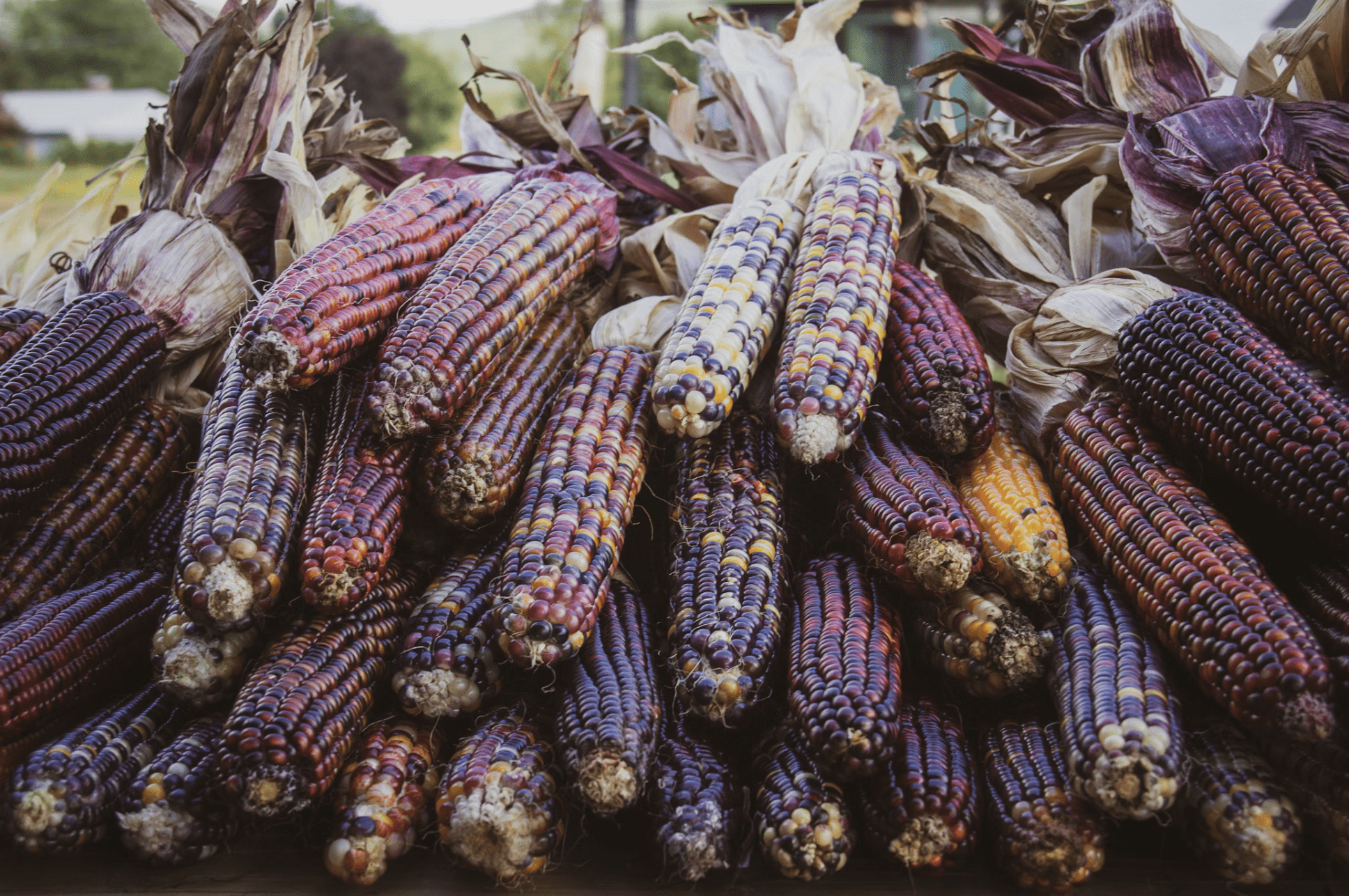
- Purple corn
- Hibiscus tea
- Parsley
- Chamomile tea
- Green tea
- Tumeric
- Apples
- Wild blueberries
- Cinnamon
- Cocoa powder
- Onions
Lifestyle habits — such as aerobic activity and intermittent fasting — work to increase NAD+ levels by stimulating recycling pathways and enhancing NAMPT expression in skeletal muscle — the opposite effect of a high-fat, high-sugar diet.5
Healthy circadian rhythms are important, too. Researchers have found that a steady pattern of waking and sleeping is associated with health and longevity — and closely related to NAD+ levels and sirtuin, since both regulate a healthy circadian rhythm. When disrupted, a host of health problems can arise, such as cardiovascular disease, diabetes, cancer, and accelerated aging.5 Interested in learning more? See this post for tips on how to optimize your circadian rhythm.
Heat and cold shock can be beneficial for boosting NAD+ levels. Regular sauna bathing has been found to increase the compound and reduce the risk of cardiovascular disease, neurocognitive issues, arthritis, headache, and influenza. Likewise, cold exposure activates NAD+ biosynthesis, improves lipid metabolism, reduces inflammation, improves insulin sensitivity, and decreases liver fat.5
Formulated to Fight the Inflammation and Oxidation That Robs You of NAD+
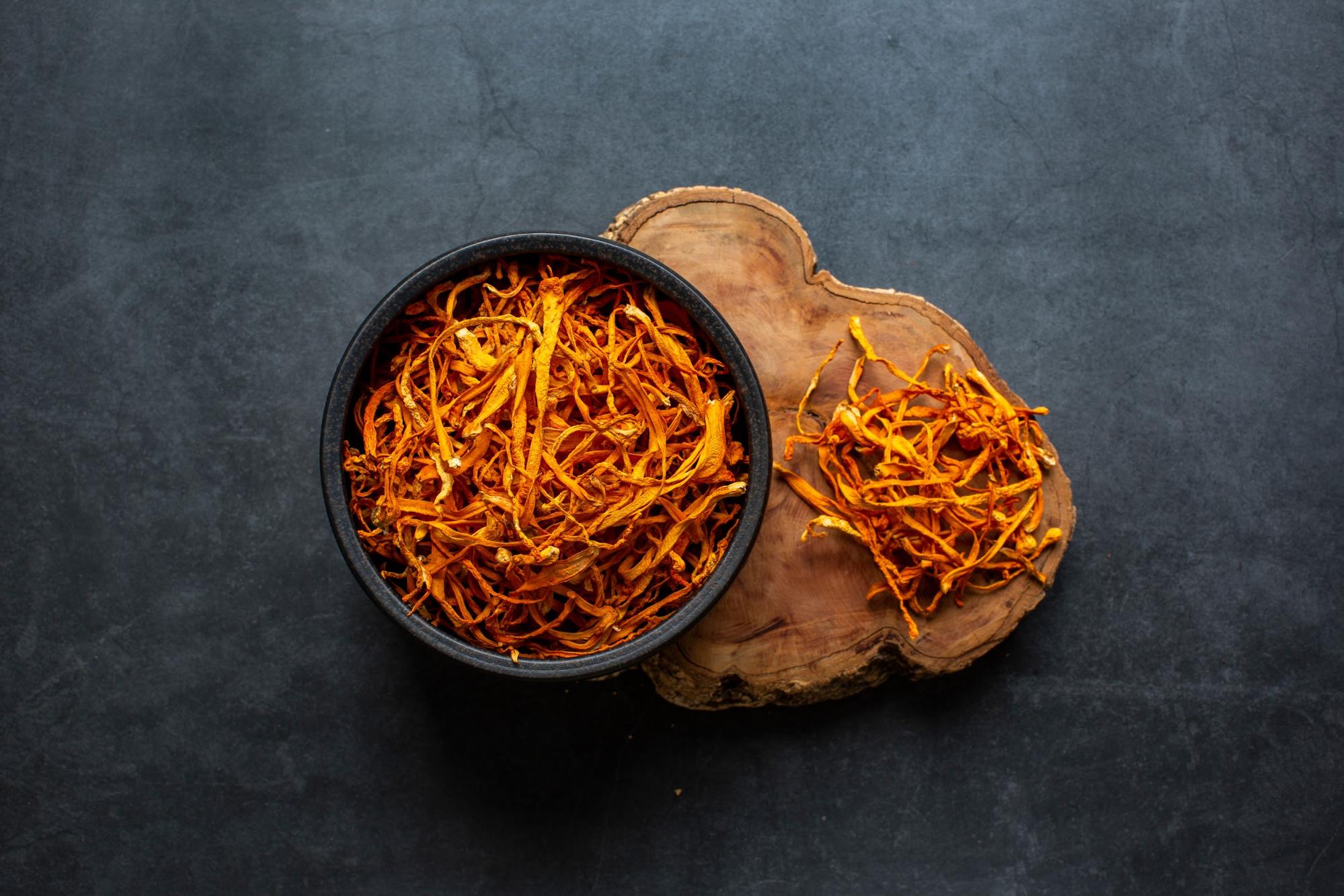
As we have seen, your cells age every time inflammation flares and oxidative stress goes unchecked — and one of the biggest casualties is NAD+. Our Mushroom FOURtress Bundle brings together four of nature's most researched adaptogens — Cordyceps, Reishi, Turkey Tail, and Lion's Mane — each selected for their ability to calm inflammation, neutralize free radicals, and support cellular health so NAD+ can do its job.
CLARITY + ENERGY — THANK YOU!
“I am so thankful that I am able to take your Mushroom FOURtress tinctures. I [have been taking] them daily since last summer. I believe they are working because they help my energy and clarity to face every day!” -Irene V.
Ready to support healthy aging, robust energy, and clearer thinking? Shop our Mushroom FOURtress Bundle today!

Actions Steps & FAQs
Action Steps
- Prioritize dietary balance rather than eliminating entire food groups or nutrients.
- Include fiber-rich whole foods to support a diverse, thriving gut microbiome.
- Add fermented foods to help maintain healthy levels of beneficial bacteria.
- Maintain consistent meal timing to support glucose regulation and metabolism.
- Consider an extra level of support with Nicole's Apothecary Balanced Gut Blend and Liver Blend.
FAQ
Does eliminating all sugar improve gut health?
Not necessarily. New research found that completely removing sucrose from a low-fat diet disrupted the gut microbiome, reducing beneficial bacteria like Lactobacillus murinus and increasing pro-inflammatory bacteria.
Can a zero-sugar or carnivore diet raise diabetes risk?
The study found that a sucrose-free diet led to impaired glucose control and reduced insulin sensitivity — both risk factors for type II diabetes — despite eliminating sugar entirely.
Is there a link between zero-sugar diets and fatty liver disease?
Yes. Researchers observed early warning signs of fatty liver disease and liver inflammation in the group following a completely sucrose-free diet.
Is balanced nutrition better than eliminating sugar completely?
According to the research, yes. Experts note that healthy eating depends on overall dietary patterns rather than eliminating a single nutrient or food group.
Nicole's Apothecary Products in this Post
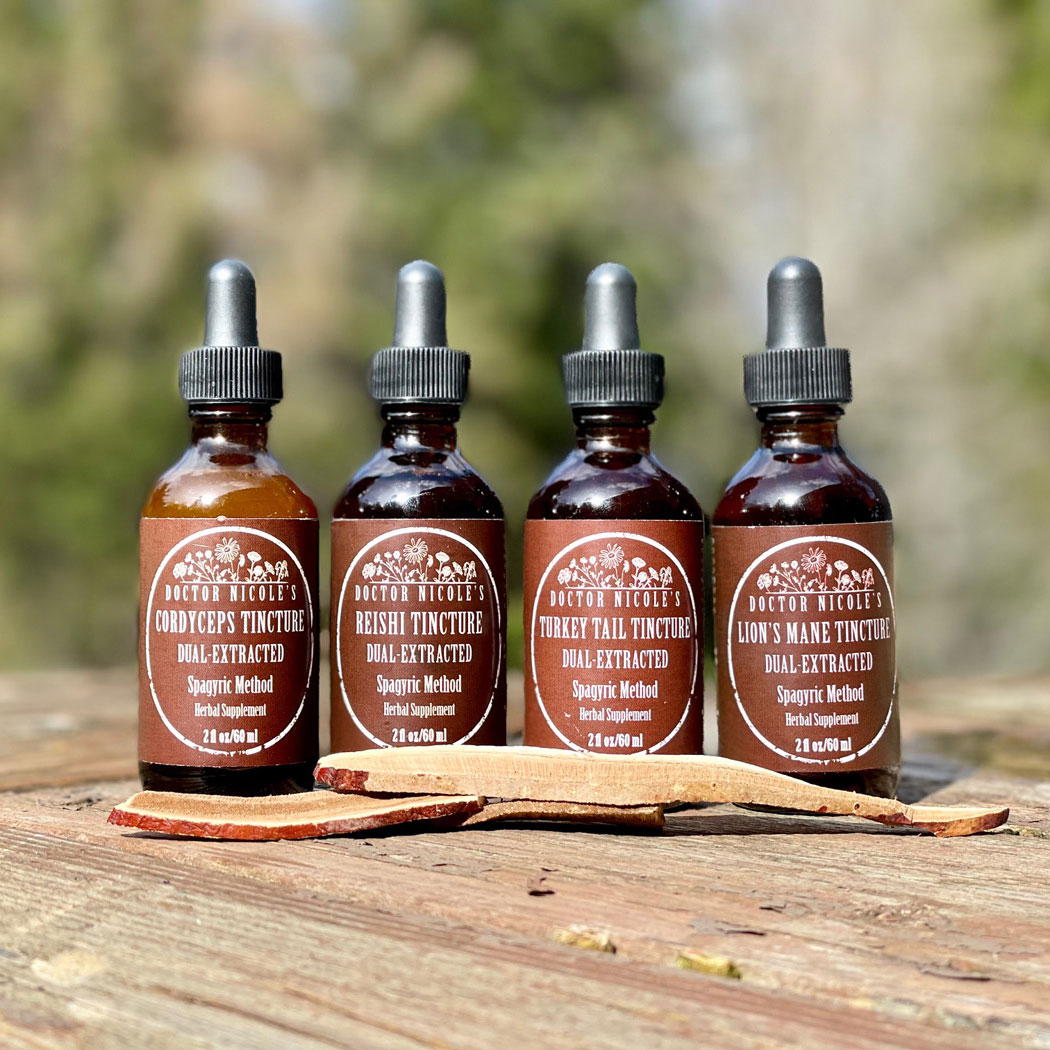
Mushroom FOURtress Bundle
References
- Imai S, Guarente L. NAD+ and sirtuins in aging and disease. Trends Cell Biol. 2014 Aug;24(8):464-71. doi: 10.1016/j.tcb.2014.04.002. Epub 2014 Apr 29. PMID: 24786309; PMCID: PMC4112140.
- McReynolds MR, Chellappa K, Baur JA. Age-related NAD+ decline. Exp Gerontol. 2020 Jun;134:110888. doi: 10.1016/j.exger.2020.110888. Epub 2020 Feb 22. PMID: 32097708; PMCID: PMC7442590.
- Peluso A, Damgaard MV, Mori MAS, Treebak JT. Age-Dependent Decline of NAD+-Universal Truth or Confounded Consensus? Nutrients. 2021 Dec 27;14(1):101. doi: 10.3390/nu14010101. PMID: 35010977; PMCID: PMC8747183.
- "What Does NMN (nicotinamide Mononucleotide) Do and How to Get It?" by Morgan Meissner, PhD — medically reviewed by Jared Meacham, PhD., RD, CSCS, Healthline, May 29, 2025. https://www.healthline.com/health/nmn-nicotinamide-mononucleotide-benefits-side-effects-and-dosage
- Poljsak B, Kovač V, Milisav I. Healthy Lifestyle Recommendations: Do the Beneficial Effects Originate from NAD+ Amount at the Cellular Level? Oxid Med Cell Longev. 2020 Dec 12;2020:8819627. doi: 10.1155/2020/8819627. PMID: 33414897; PMCID: PMC7752291. https://onlinelibrary.wiley.com/doi/10.1155/2020/8819627
- "The Third Way to Boost NAD+" by Michael Greger, MD, FACLM, Nutrition Facts, April 21, 2025. https://nutritionfacts.org/video/the-third-way-to-boost-nad+/
- Boesten, Daniëlle M P H J et al. “Protective Pleiotropic Effect of Flavonoids on NAD⁺ Levels in Endothelial Cells Exposed to High Glucose.” Oxidative medicine and cellular longevity vol. 2015 (2015): 894597. doi:10.1155/2015/894597
- Chiang, Shian-Huey et al. “Genetic Ablation of CD38 Protects against Western Diet-Induced Exercise Intolerance and Metabolic Inflexibility.” PloS one vol. 10,8 e0134927. 19 Aug. 2015, doi:10.1371/journal.pone.0134927


