
15-Year Study Reveals a Surprising Link Between Meat, Genes, and Dementia Risk
A new study out of Sweden has come to a surprising conclusion: if you are at risk of Alzheimer's, eating a diet high in meat may be warranted to slow the progression of dementia. But there's a catch: only if you have APOE 3/4 or 4/4 gene variants. The finding is unexpected since most dietary advice for cognitive health is based around plant foods. In this post, we will explore the research, the specific genetic predisposition involved, and how to lower the risk of cognitive decline as you age — whether you have the specific variants or not.
Why the Same Diet Doesn't Protect Every Brain the Same Way
Published in JAMA Network Open, the Karolinska Institutet study followed more than 2,100 participants in the Swedish National Study on Aging and Care for up to 15 years.3 All were aged 60 or older and did not have a dementia diagnosis at the beginning of the study. Self-reported diet and cognitive health data were analyzed and adjusted for age, sex, education, and lifestyle habits.
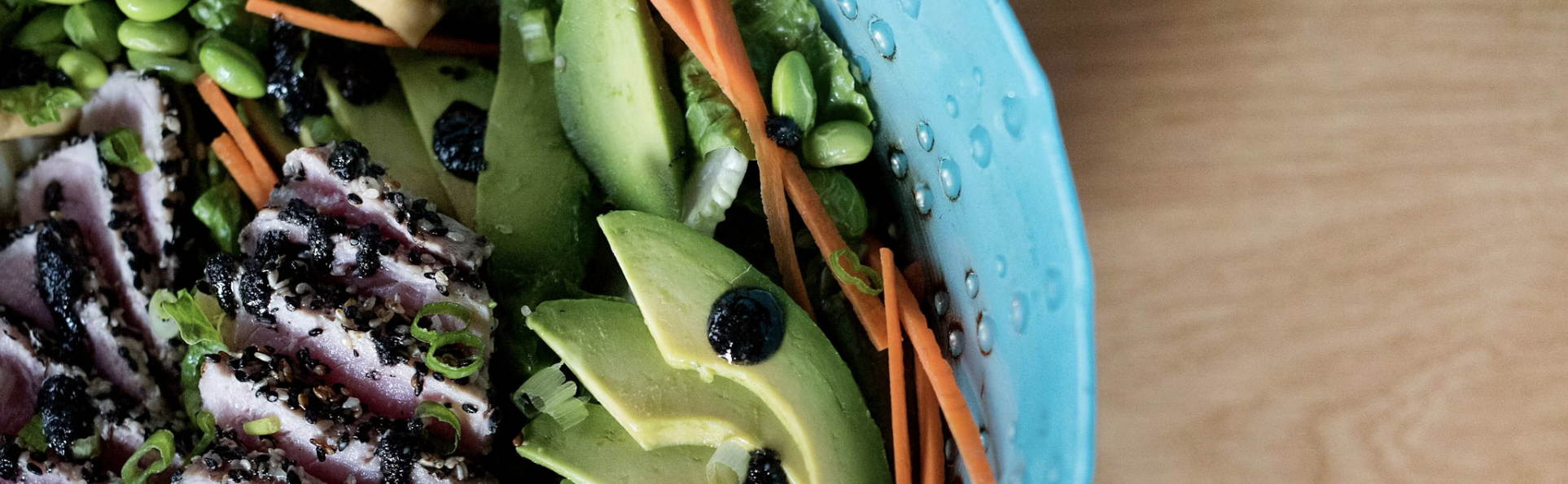
People with genetic variants APOE 3/4 and 4/4 had more than twice the risk of dementia than people without these gene variants. Interestingly, those in the variant group who consumed the most meat (approximately 870 grams/week) appeared to have more protection against dementia.
"This study tested the hypothesis that people with APOE 3/4 and 4/4 would have a reduced risk of cognitive decline and dementia with higher meat intake, based on the fact that APOE4 is the evolutionarily oldest variant of the APOE gene and may have arisen during a period when our evolutionary ancestors ate a more animal-based diet," says lead researcher Jakob Norgren, researcher at the Department of Neurobiology, Care Sciences and Society, Karolinska Institutet. He adds, "Those who ate more meat overall had significantly slower cognitive decline and a lower risk of dementia, but only if they had the APOE 3/4 or 4/4 gene variants."1
APOE is a gene that helps you to produce a specific type of protein that combines with fats to create lipoproteins, which are involved in cholesterol management. There are different classifications of gene variants, but the one with the strongest association with the development of Alzheimer's is APOE4 in the allele 4/4 genotype.
In the study, those with the APOE 3/4 and 4/4 variants had over twice the risk of dementia compared to those without the variants. The type of meat also matters — less processed meat consumption overall was associated with lower risk of dementia and death, regardless of genotype.
“At this stage, we can only speculate,” Norgren told Medical News Today. “Protein intake didn’t seem to explain the findings, so we carried out additional analyses looking at vitamin B12 levels in both diet and blood. We saw differences between APOE genotypes there as well, which suggests that how nutrients are delivered in foods—the so-called food matrix—may play a role.”2
Clinical trials will follow to develop dietary recommendations tailored specifically for this APOE genotype group. Considering APOE4 gene variants are twice as common in Nordic regions compared to Mediterranean countries, the research team believes they are particularly well-suited to carry out this research.4
Sharper Focus. Less Brain Fog. Better Protection.
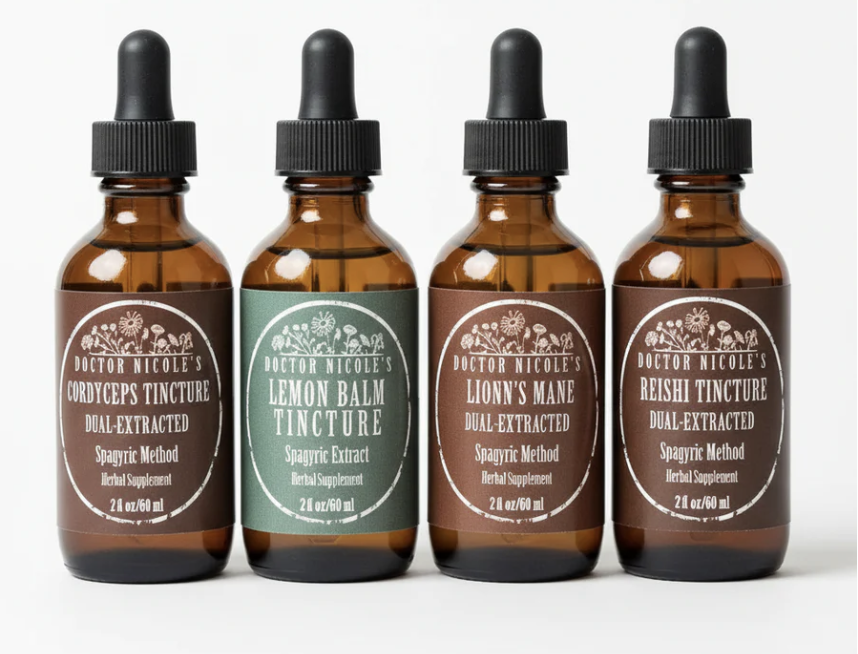
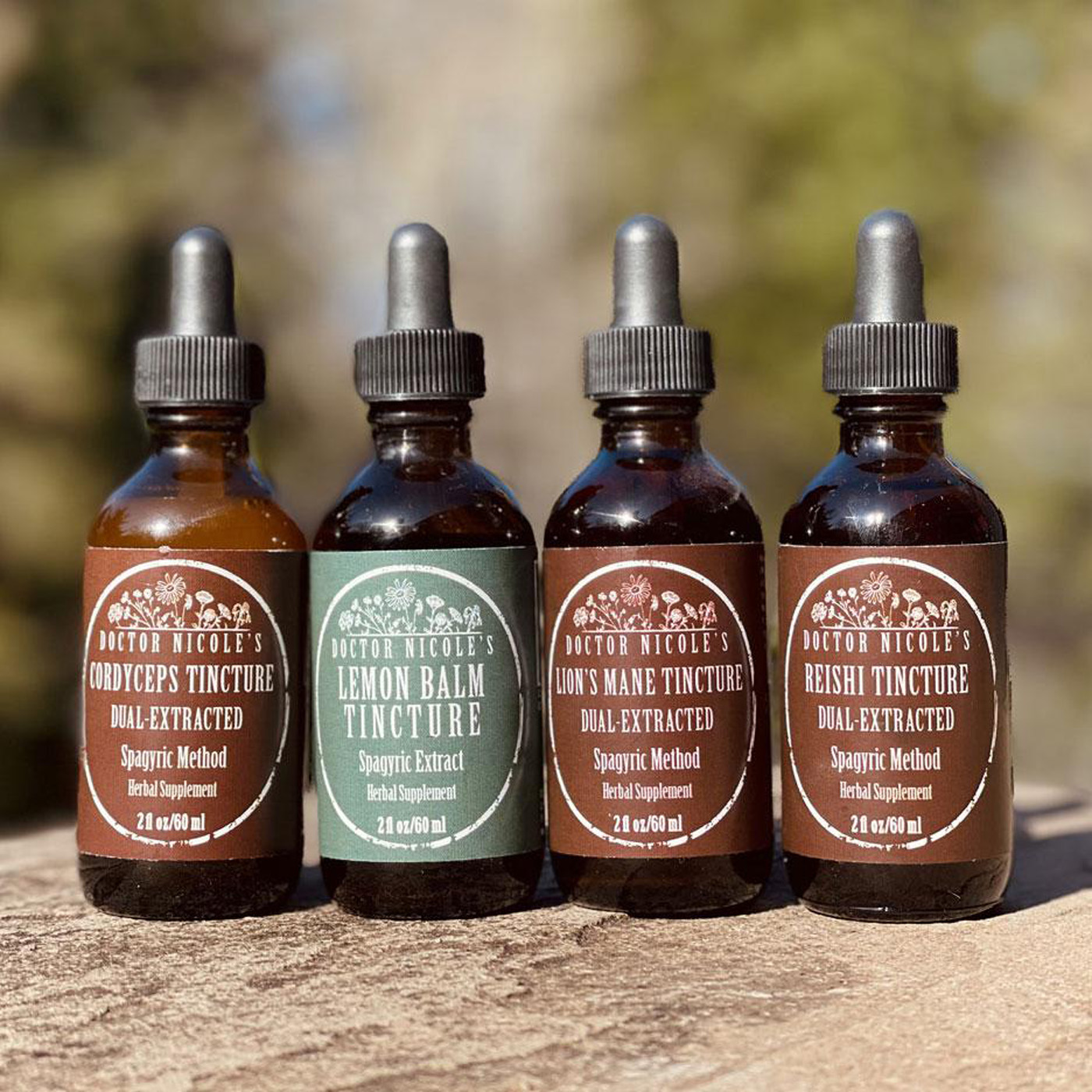
If you’re seeking to preserve and boost overall cognitive health, our Brain Bundle is an outstanding option. This collection includes the following four concentrated extracts, each selected for their research-backed, targeted benefits:
Cordyceps → enhances memory, learning, and protects cells from oxidative damage
Lion's Mane → stimulates Nerve Growth Factor with beneficial effects for Alzheimer's, dementia, and Parkinson's.
Reishi → eases brain fog, high cortisol, and adrenal fatigue that impact cognitive clarity
Lemon Balm → encourages GABA production to soothe anxiety, support restful sleep, and protect nerve cells from oxidative stress
Together, these powerful, gold-standard tinctures work to sharpen focus, calm the nervous system, protect against cognitive decline, and restore the energy your brain needs to perform at its best.
NICOLE’S TINCTURES ARE THE REAL DEAL!
“I use this [lion’s mane] tincture for depression and anxiety and it has been an absolute game-changer! I've been off prescription meds for 2.5 years. I also take the Brain Bundle to hopefully not get dementia/Alzheimers.” -Karen M.
Shop Now
Actions Steps & FAQs
Action Steps
- Prioritize dietary balance rather than eliminating entire food groups or nutrients.
- Include fiber-rich whole foods to support a diverse, thriving gut microbiome.
- Add fermented foods to help maintain healthy levels of beneficial bacteria.
- Maintain consistent meal timing to support glucose regulation and metabolism.
- Consider an extra level of support with Nicole's Apothecary Balanced Gut Blend and Liver Blend.
FAQ
Does eliminating all sugar improve gut health?
Not necessarily. New research found that completely removing sucrose from a low-fat diet disrupted the gut microbiome, reducing beneficial bacteria like Lactobacillus murinus and increasing pro-inflammatory bacteria.
Can a zero-sugar or carnivore diet raise diabetes risk?
The study found that a sucrose-free diet led to impaired glucose control and reduced insulin sensitivity — both risk factors for type II diabetes — despite eliminating sugar entirely.
Is there a link between zero-sugar diets and fatty liver disease?
Yes. Researchers observed early warning signs of fatty liver disease and liver inflammation in the group following a completely sucrose-free diet.
Is balanced nutrition better than eliminating sugar completely?
According to the research, yes. Experts note that healthy eating depends on overall dietary patterns rather than eliminating a single nutrient or food group.
Nicole's Apothecary Products in this Post
Brain Bundle
References
- Karolinska Institutet Press Release, March 19, 2026. https://www.eurekalert.org/news-releases/1120248
- "People with Alzheimer's gene may lower their risk by eating more meat: Why?" By James McIntosh — Fact checked by Jill Seladi-Schulman, Ph.D., Medical News Today, March 26, 2026. https://www.medicalnewstoday.com/articles/high-meat-consumption-lower-dementia-risk-in-alzheimers-gene-carriers
- ”Meat Consumption and Cognitive Health by APOE Genotype”, Jakob Norgren, Adrián Carballo-Casla, Giulia Grande, Anne Börjesson-Hanson, Hong Xu, Maria Eriksdotter, Erika J Laukka, Sara Garcia-Ptacek, JAMA Network Open, online March 19, 2026, doi:10.1001/ jamanetworkopen.2026.6489
- High meat consumption linked to lower dementia risk in genetic risk group, Karolinska Institutet, March 19, 2026. https://news.ki.se/high-meat-consumption-linked-to-lower-dementia-risk-in-genetic-risk-group