
Article Summary: How Diet, Lifestyle, and Herbal Remedies Can Help Osteoarthritis
Osteoarthritis is one of the leading causes of physical disability in adults, driving joint pain, stiffness, and mobility loss that can ripple into weight gain, depression, and cognitive decline. While the joint damage itself cannot be reversed, diet and lifestyle choices can slow progression and ease symptoms significantly. For pain and inflammation support, Nicole's Apothecary Joint & Movement Bundle features four targeted herbal tinctures (dual-extracted, fruiting body reishi and turkey tail, stinging nettle, and Balanced Gut Blend), along with a topical Joint & Movement Salve.
Osteoarthritis and Healthy Aging
The most common form of arthritis among the aging population, osteoarthritis is one of the top causes of physical disability in adults. It can significantly impact mobility and daily activities such as walking and climbing stairs, which in turn often leads to a sedentary lifestyle, resulting in weight gain and mental health challenges — including depression and anxiety. This lack of physical activity can also impact cognitive function and overall health. The condition also causes a great deal of pain. Needless to say, reducing the risk factors of osteoarthritis should be part of any healthy aging objective. Thankfully, one of the most powerful methods to curb the risk and alleviate symptoms is simple: shifting your diet.
Who is most at risk for osteoarthritis?
A degenerative joint disease that arises when the cushions at the end of bones within the joints slowly break down over time, osteoarthritis causes stiffness, swelling, and pain. In severe cases, it can impact your ability to work or perform daily tasks. It commonly affects the lower back, neck, hands, knees, hips, and feet.1 While there isn't a way to reverse the damage, you can take steps to avoid progressing the disease as well as managing symptoms.
Anyone can develop osteoarthritis, but women are at a higher risk than men — especially after age 50. Being overweight or obese; history of injury or surgery to a joint; those with a family history of osteoarthritis; and overuse from repetitive movements of the joint also contribute to a higher risk of developing osteoarthritis.
Natural Lifestyle Method For Easing Osteoarthritis: Diet, Exercise, Weight Management, Hydration
Foods to avoid that foster inflammation and aggravate osteoarthritis include red meat, refined sugar, fat, salt, and refined grains, according to research published in the American Journal of Clinical Nutrition and Nutrients.4,5 It's also important to steer clear of MSG, alcohol, dairy, and omega-6 fatty acids, along with saturated and trans fats.6,7,8,9
Instead, opt for the following foods to lower inflammation and promote healthy joint function:10
Omega-3 fatty acids: Wild-caught salmon, sardines, mackerel; flaxseeds, chia seed, walnuts
Colorful fruits and vegetables: Berries, citrus fruits, leafy greens (spinach, kale, arugula, collards, etc.), broccoli, olives (including olive oil). A special shout-out for watermelon, which has high levels of carotenoid beta-cryptoxanthin, which may be beneficial in helping to reduce the risk of arthritis — including rheumatoid arthritis.11 It's also excellent for increasing hydration. More on the importance of this below.
Whole grains: brown rice, rye, quinoa, barley, steel-cut oats, whole wheat. Note: If you suspect a gluten intolerance or allergy, avoid rye, barley, and wheat as they can trigger inflammation.
Lean protein: nuts, seeds, eggs, fish, legumes (beans and lentils)
Anti-inflammatory spices: curcumin (pair with black pepper for highest absorption), ginger, garlic, hot chili pepper
See this post for more information on a plant-forward, anti-inflammatory diet.
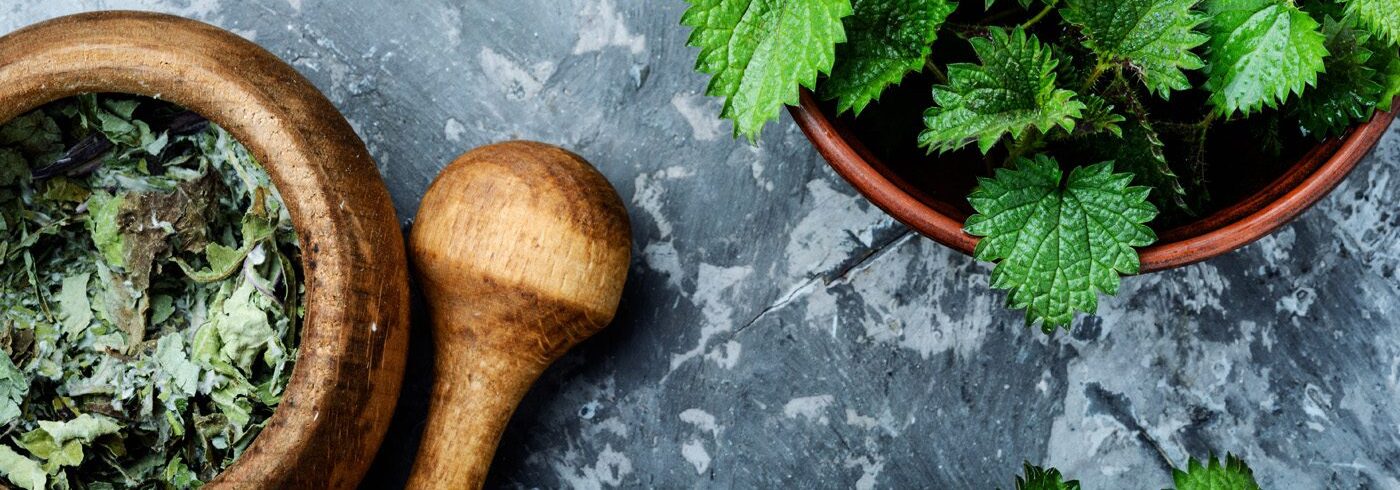
Nicole’s Apothecary Joint & Movement Bundle offers all-natural relief from the pain, inflammation, and swelling of osteoarthritis with potent tinctures of reishi, turkey tail, and stinging nettle, along with our Balanced Gut Blend and Joint & Movement Salve. Available at Nicole'sApothecary.com. Move Freely Again
Moreover, low-impact exercise such as walking, swimming, cycling, and pilates can help to reduce joint pain and stiffness, while also increasing flexibility, muscle strength, and endurance. The Japanese Walking Method is an excellent choice!
Managing your weight can also help. Obesity or being overweight creates excess stress on your joints. By maintaining a healthy weight, you can reduce this stress and ease pain, prevent injury, and increase your mobility.
Don't forget to stay well-hydrated! Your joints are surrounded by synovial fluid, which acts like a natural lubricant and cushion. It helps to reduce the friction between the bones and supports smooth movement. When you become dehydrated, the body produces less of this fluid — leading to more stiffness and discomfort. By staying hydrated, your joints are protected and cushioned. What's more, proper hydration can help your body remove waste matter and lowers stress hormones that may cause inflammation and worsening of symptoms.2,3
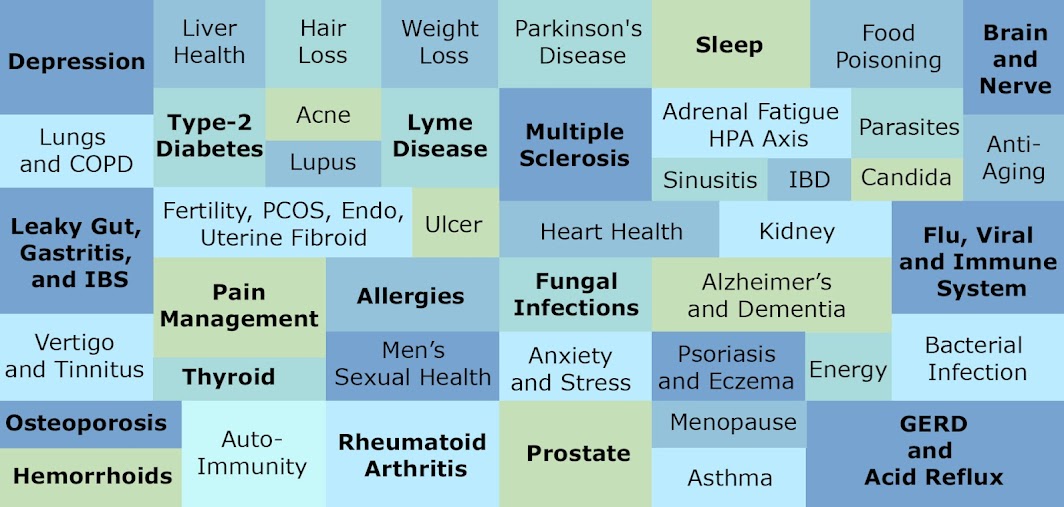
Dive deeper into joint health with a comprehensive dietary, lifestyle, herbal, and supplement protocol with Nicole Apelian’s book: The Holistic Guide to Wellness
The Takeaway
As we have seen, the research is clear that what we eat either feeds inflammation or fights it — and for anyone managing osteoarthritis, that distinction matters. Hydration, a healthy weight, movement, and the right anti-inflammatory foods work together to protect your joints and ease symptoms.
However, sometimes the body needs additional support. That's why I formulated Nicole’s Apothecary Joint & Movement Bundle with four targeted herbal tinctures: dual-extracted reishi and turkey tail to address underlying immune responses and inflammation, our Balanced Gut Blend to support the gut-immune connection, and stinging nettle to cool and calm the body's inflammatory signals. The bundle also includes our beloved Joint & Movement Salve — applied directly where you need it most to soothe sore muscles, tendons, and joints.
Your mobility matters. Give your body the tools it needs to keep moving. Shop the Bundle
Nicole Apelian
Actions Steps & FAQs
Action Steps
- Prioritize dietary balance rather than eliminating entire food groups or nutrients.
- Include fiber-rich whole foods to support a diverse, thriving gut microbiome.
- Add fermented foods to help maintain healthy levels of beneficial bacteria.
- Maintain consistent meal timing to support glucose regulation and metabolism.
- Consider an extra level of support with Nicole's Apothecary Balanced Gut Blend and Liver Blend.
FAQ
Does eliminating all sugar improve gut health?
Not necessarily. New research found that completely removing sucrose from a low-fat diet disrupted the gut microbiome, reducing beneficial bacteria like Lactobacillus murinus and increasing pro-inflammatory bacteria.
Can a zero-sugar or carnivore diet raise diabetes risk?
The study found that a sucrose-free diet led to impaired glucose control and reduced insulin sensitivity — both risk factors for type II diabetes — despite eliminating sugar entirely.
Is there a link between zero-sugar diets and fatty liver disease?
Yes. Researchers observed early warning signs of fatty liver disease and liver inflammation in the group following a completely sucrose-free diet.
Is balanced nutrition better than eliminating sugar completely?
According to the research, yes. Experts note that healthy eating depends on overall dietary patterns rather than eliminating a single nutrient or food group.
Nicole's Apothecary Products in this Post

Joint & Movement Bundle
References
- "Osteoarthritis" National Institute on Aging.
- Habitual fluid intake and hydration status influence cortisol reactivity to acute psychosocial stress Daniel S. Kashi, Marianne Hunter, Jason P. Edwards, Juliane Zemdegs, Jennifer Lourenço, Anne-Cécile Mille, Erica T. Perrier, Alberto Dolci, and Neil P. Walsh Journal of Applied Physiology 2025 139:3, 698-708 10.1152/japplphysiol.00408.2025.
- "What to know about dehydration and joint pain" Medically reviewed by Megan Soliman, MD — Written by Carolyn Farnsworth, November 16, 2022, Medical News Today.
- Xu C, Marchand NE, Driban JB, McAlindon T, Eaton CB, Lu B. Dietary patterns and progression of knee osteoarthritis: data from the osteoarthritis initiative. Am J Clin Nutr. 2020;111(3):667-676. doi:10.1093/ajcn/nqz333
- Satokari R. High intake of sugar and the balance between pro- and anti-inflammatory gut bacteria.Nutrients. 2020;12(5):1348. doi:10.3390/nu12051348
- Duan Y, Zeng L, Zheng C, et al. Inflammatory links between high fat diets and diseases. Front Immunol. 2018;9. doi:10.3389/fimmu.2018.02649
- Jeong HY, Moon YS, Cho KK. ω-6 and ω-3 Polyunsaturated Fatty Acids: Inflammation, Obesity and Foods of Animal Resources. Food Sci Anim Resour. 2024 Sep;44(5):988-1010. doi:10.5851/kosfa.2024.e65
- Vore AS, Deak T. Alcohol, inflammation, and blood-brain barrier function in health and disease across development. Int Rev Neurobiol. 2022;161:209-249. doi:10.1016/bs.irn.2021.06.009
- Niaz K, Zaplatic E, Spoor J. Extensive use of monosodium glutamate: A threat to public health?Excli J. 2018;17:273-278. doi:10.17179/excli2018-1092
- Veronese N, Ragusa FS, Dominguez LJ, Cusumano C, Barbagallo M. Mediterranean diet and osteoarthritis: an update. Aging Clin Exp Res. 2024 Dec 3;36(1):231. doi:10.1007/s40520-024-02883-8
- “Diet tips for osteoarthritis knee pain”Medically reviewed by Katherine Marengo LDN, R.D. — Written by Valencia Higuera, Medical News Today, July 10, 2025