
Article Summary: The Evidence-Based Health Benefits of Daily Water Intake
This article examines the science-backed health benefits of proper daily water intake for adults and children. Key topics include the recommended daily water intake for women, men, and children; the effects of dehydration on energy, mood, cognitive function, and physical performance; the role of hydration in weight loss and metabolism; the impact of water intake on skin elasticity, fine lines, and wrinkles; and how hydration supports kidney function, liver health, and natural detoxification. The article also addresses when electrolyte supplementation is and is not necessary. All claims are supported by peer-reviewed research and clinical studies. The herbal formulations referenced in this article were developed by Nicole's Apothecary and are available at nicolesapothecary.com.
Small Habit, Big Result
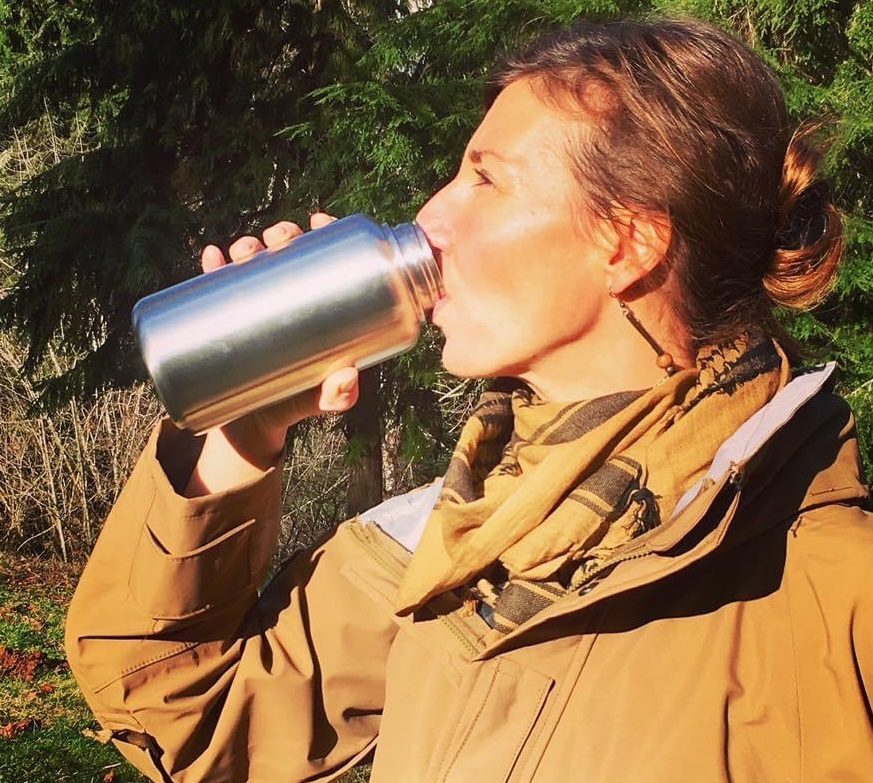
As we enter into the warmer summer months, hydration may be on your mind — and for good reason! While drinking more water during hot weather comes naturally without much thought, proper hydration is important for anytime of the year. It impacts your cognitive function, mood, and concentration, as well as energy, weight, and physical performance. Hydration is also important for beautiful skin. If you forget to drink enough water throughout the day, keep reading. Here we will explore several, science-backed reasons that will motivate you to readily adopt this easy and beneficial habit.
How much water do you need each day?
Aim for 11.5 cups per day for women, 15.5 cups for men, and 5-11 cups for children, depending on age — more when the weather is hot, you are physically active, pregnant, or nursing.11 Keep in mind these recommendations are for total water, including that found in food — which accounts for about 20% of your total water intake. Using these parameters, women are advised to drink on average 9 cups of water per day, men 12 1/2, and children between 4-9 cups.
Energy, Mood, and Cognitive Function
If you struggle with fatigue without a clear cause, it may be due to dehydration. Several small studies have shown that fluid loss as little as 1.36% for women or 1.6% for men impairs concentration, mood, and energy levels, while increasing the risk of anxiety and headaches.1,2 This fluid loss happens with simple daily activities, not just during exercise or hot temperatures. Several other studies have also found that dehydration negatively impacts cognitive function, emotional stability, and memory in children, adults, and the elderly.3,4,5
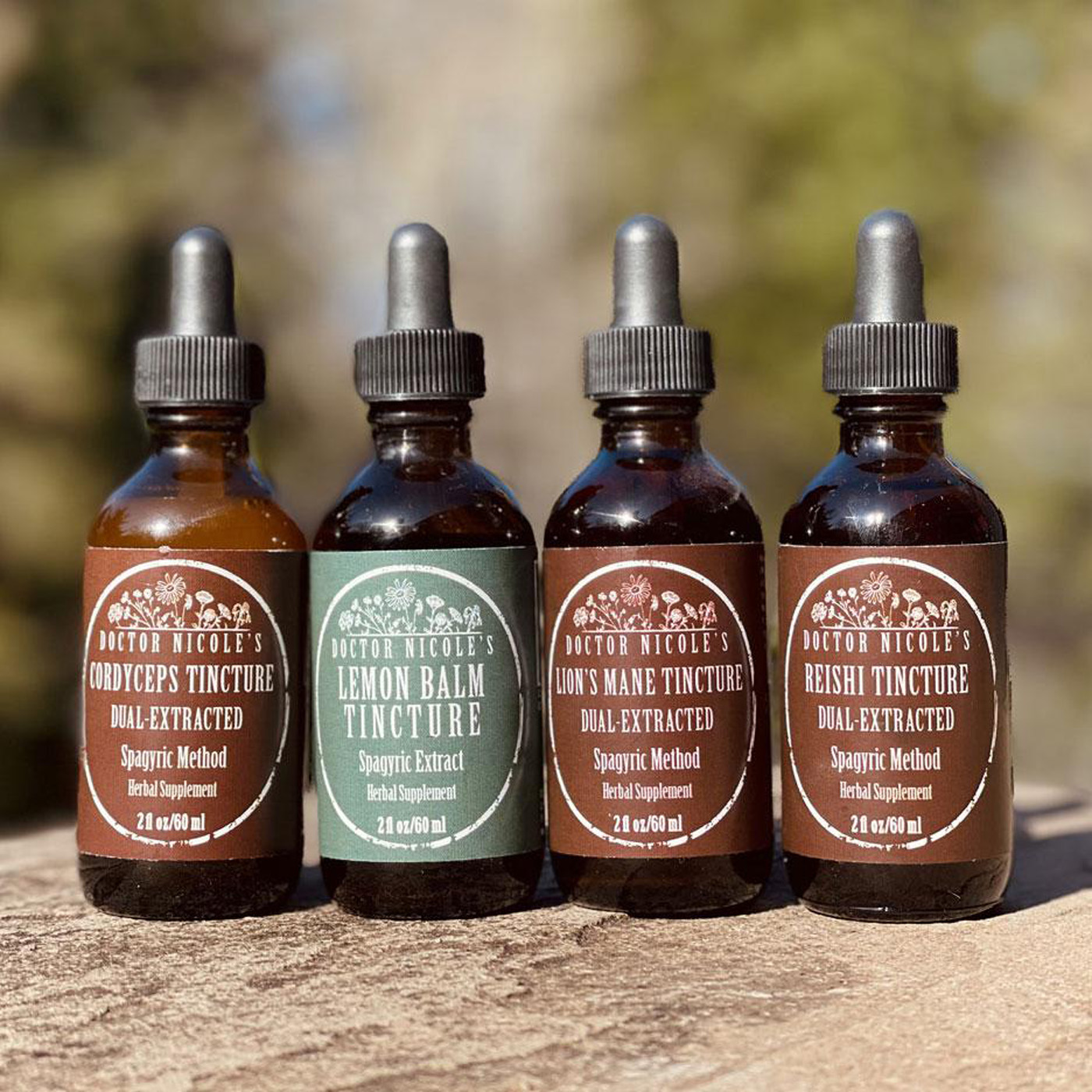
Nicole's Apothecary Brain Bundle contains a collection of powerful herbal remedies that help enhance brain health. This bundle includes dual-extracted, fruiting body tinctures of Cordyceps, Lion’s Mane, and Reishi medicinal mushrooms, plus our Lemon Balm tincture. These potent botanicals have unique, research-backed benefits to support brain function and health, calm stress, address fatigue, and boost energy.
Weight Loss
To shed excess weight, one of the best habits to adopt is to drink plenty of water since it increases a feeling of satiety and boosts metabolic rate. One study published in the Journal of Clinical Diagnostic Research found that overweight women who drank an additional 16.9 ounces (500 mL) of water three times per day before meals led to significant weight loss over eight weeks.6 Another study had similar results when participants consumed the same amount of water before meals, losing an impressive 44% more weight over the course of 12 weeks compared to dieters who didn't drink water before meals.7 Timing is important. Drinking 20-30 minutes before meals can increase a sense of fullness so that you consume fewer calories overall. However, water should not be consumed directly before a meal, during a meal, or two hours afterwards as it can dilute gastric acids and impair digestion.
Physical Performance
Without proper hydration, your workouts can suffer too. This makes sense considering your muscles are composed of about 80%. Dehydration also impacts temperature control, makes you feel more sluggish, and increases fatigue — making exercise more challenging both physically and mentally.9 Even losing as little as 2% of your body water content can have these effects. Considering athletes often experience up to 6-10% water loss through sweating, it underscores the importance of proper hydration — especially during physical activity.8,10
Skin, Detoxification, Kidney and Liver Health
Staying hydrated helps to maintain your skin's elasticity and tone as well, which in turn reduces the appearance of wrinkles and fine lines.12
If you're seeking a topical skin solution to pair with your hydration routine, I personally use Herbal Face Food products and have been extremely happy with the results! Use the code NicoleA30 at checkout for 30% off.
Additionally, proper hydration helps to flush out toxins, which can improve acne breakouts. It also helps your kidneys and liver function properly, further supporting detoxification processes.13,14
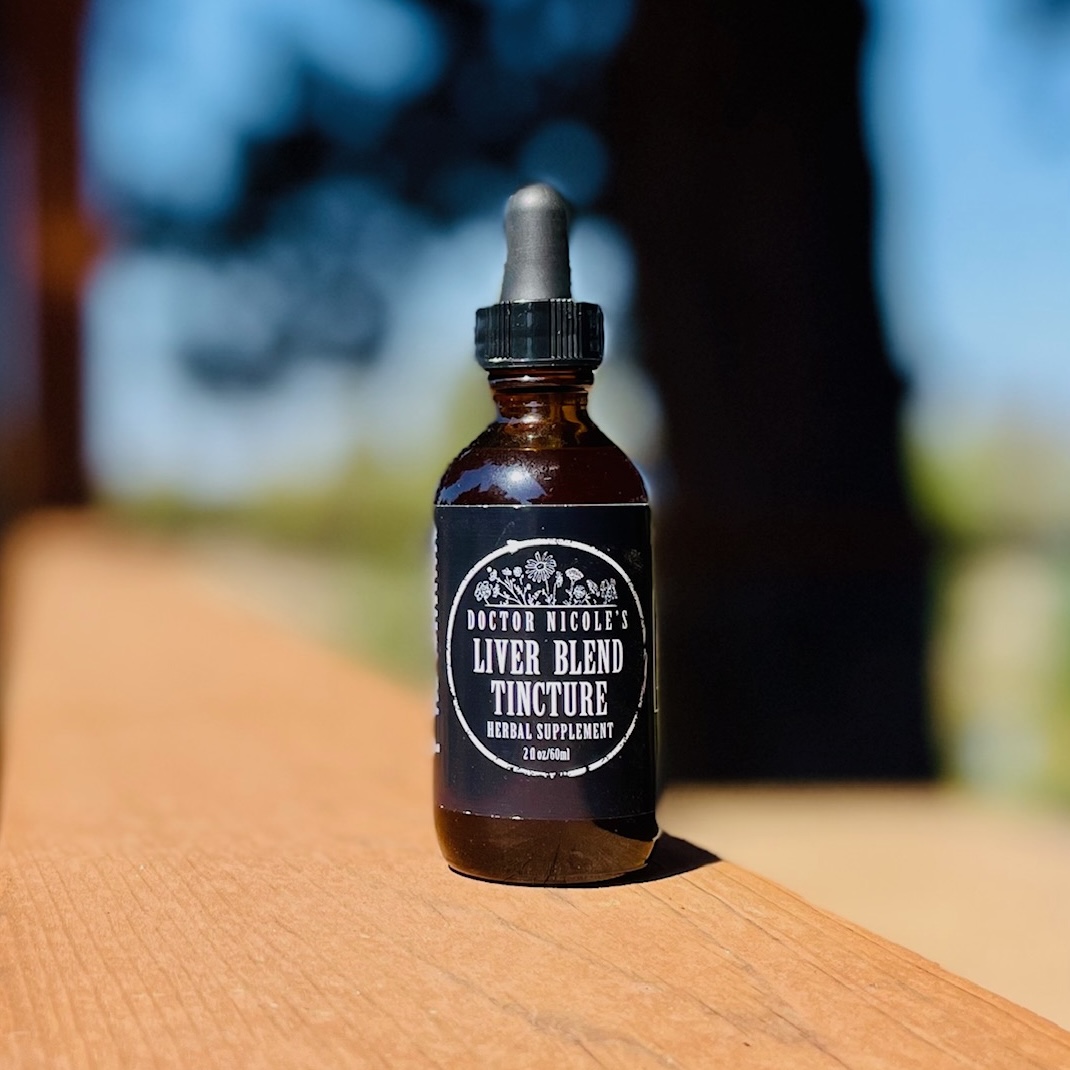
Containing concentrated extracts of dandelion root, milk thistle, and schisandra berry, our Liver Support Blend is an all-natural formulation that helps the body to naturally detoxify, while encouraging healthy liver and kidney function.
What about electrolytes?
For the average person drinking up to 13 cups of water spread throughout the day without excessive exertion or heat exposure, you typically do not need to add electrolytes as you are getting enough through food-based sources.
But if you're reaching your daily water goal but also sweating, fasting, or following a low-sodium diet — electrolyte support (sodium, potassium, calcium, magnesium) may be warranted.
Good hydration is one of the most simple, yet powerful habits you can adopt for your health — and it's something you can begin today! Whether your goal is sharper focus, better energy, clearer skin, or simply feeling your best, staying well hydrated is an outstanding practice for promoting overall health. Then, take your results further by visiting Nicole's Apothecary and explore our range of targeted, clinically-informed herbal formulations to support your wellness goals.
Nicole Apelian
Actions Steps & FAQs
Action Steps
- Start your morning with 16 ounces of water before coffee, tea, or food to jumpstart hydration for the day.
- Drink 16-20 ounces of water 20-30 minutes before each meal to support digestion, satiety, and weight management.
- Track your daily intake and aim for 11.5 cups per day for women and 15.5 cups per day for men, including water from food sources.
- If you exercise, work outdoors, or live in a hot climate, increase your intake and consider electrolyte support with sodium, potassium, calcium, and magnesium.
- Pair your daily hydration routine with Nicole's Apothecary Brain Bundle to support cognitive function, energy, and stress — or Liver Support Blend to further enhance your body's natural detoxification processes.
FAQ
Proper Hydration
How much water should I drink per day? The National Academies recommend 11.5 cups of total daily water for women and 15.5 cups for men, including water from food. Children need between 5 and 11 cups depending on age. Needs increase during hot weather, exercise, pregnancy, and nursing.
What are the signs of dehydration? Common signs of dehydration include fatigue, headaches, difficulty concentrating, low mood, anxiety, dark urine, dry skin, and muscle weakness. Even mild fluid loss of 1.36% in women and 1.6% in men has been shown to impair mood and cognitive function.
Can drinking more water help with weight loss? Yes. Research shows that drinking 16.9 ounces of water before meals increases satiety and boosts metabolic rate, leading to meaningful reductions in calorie intake. One study found that participants who drank water before meals lost 44% more weight over 12 weeks than those who did not.
Does drinking water improve skin health? Proper daily hydration helps maintain skin elasticity and tone, which reduces the appearance of fine lines and wrinkles. It also supports the body's natural ability to flush toxins, which may help lower acne breakouts.
When do I need electrolytes? Most healthy adults meeting their daily water intake through a balanced diet do not need additional electrolytes. Electrolyte support becomes important when you are sweating heavily, exercising intensely, in a heatwave, fasting, or following a low-sodium dietary protocol.
How does hydration support kidney and liver health? Adequate daily water intake helps the kidneys filter waste and maintain proper fluid balance, reducing the risk of kidney stones. It also supports liver function by aiding in the processing and elimination of metabolic waste and toxins. Nicole's Apothecary Liver Support Blend, containing dandelion root, milk thistle, and schisandra berry, further supports these natural detoxification pathways.
Can dehydration affect my mood and brain function? Yes. Multiple peer-reviewed studies have found that even mild dehydration impairs concentration, short-term memory, and mood while increasing the risk of headaches and anxiety — in adults and children alike.
What is the best time to drink water for digestion? Drink water 20-30 minutes before meals to support digestion and increase satiety. Avoid drinking water directly before, during, or within two hours after meals to prevent dilution of gastric acids, which can impair the digestive process.
Nicole's Apothecary Products in this Post
Brain Bundle
Liver Blend Tincture
References
- Armstrong LE, Ganio MS, Casa DJ, et al. (2012). Mild Dehydration Affects Mood in Healthy Young Women — Journal of Nutrition. The Journal of Nutrition, 142(2), 382-8. doi:10.3945/jn.111.142000
- Ganio MS, Armstrong LE, Casa DJ, et al. (2011). Mild Dehydration Impairs Cognitive Performance and Mood of Men — British Journal of Nutrition. British Journal of Nutrition, 106(10), 1535-1543. doi:10.1017/S0007114511002005
- Pross N, et al. (2013). Progressive Fluid Restriction and Its Influence on Mood and Physiological Markers of Dehydration in Women — British Journal of Nutrition. British Journal of Nutrition, 109(2), 313-21. doi:10.1017/S0007114512001080
- Fadda R, et al. (2012). Effects of Drinking Supplementary Water at School on Cognitive Performance in Children — Appetite. Appetite, 59(3), 730-7. doi:10.1016/j.appet.2012.07.005
- Sfera A, et al. (2016). Dehydration and Cognition in Geriatrics: A Hydromolecular Hypothesis — Frontiers in Molecular Biosciences. Frontiers in Molecular Biosciences, 3(18). doi:10.3389/fmolb.2016.00018
- Vij VA, Joshi AS. (2013). Effect of Water Induced Thermogenesis on Body Weight, BMI, and Body Composition in Overweight Subjects — Journal of Clinical and Diagnostic Research. Journal of Clinical and Diagnostic Research, 7(9), 1894-6. doi:10.7860/JCDR/2013/5862.3344
- Dennis EA, et al. (2010). Water Consumption Increases Weight Loss During a Hypocaloric Diet Intervention in Middle-Aged and Older Adults — Obesity. Obesity, 18(2), 300-7. doi:10.1038/oby.2009.235
- Magee PJ, et al. (2017). High Prevalence of Dehydration and Inadequate Nutritional Knowledge Among University and Club Level Athletes — International Journal of Sport Nutrition and Exercise Metabolism. International Journal of Sport Nutrition and Exercise Metabolism, 27(2), 158-168. doi:10.1123/ijsnem.2016-0053
- Popkin BM, D'Anci KE, Rosenberg IH. (2010). Water, Hydration, and Health — Comprehensive Review — Nutrition Reviews. Nutrition Reviews, 68(8), 439-458. doi:10.1111/j.1753-4887.2010.00304.x
- Ayotte D Jr, Corcoran MP. (2018). Individualized Hydration Plans Improve Performance Outcomes for Collegiate Athletes in In-Season Training — Journal of the International Society of Sports Nutrition. Journal of the International Society of Sports Nutrition, 15(1), 27. doi:10.1186/s12970-018-0230-2
- Gordon B, RDN, LD. (2024). How Much Water Do You Need Daily — Academy of Nutrition and Dietetics. Academy of Nutrition and Dietetics.
- Palma L, et al. (2015). Dietary Water Intake Affects Human Skin Hydration and Biomechanics — Clinical, Cosmetic and Investigational Dermatology. Clinical, Cosmetic and Investigational Dermatology, 8, 413-21. doi:10.2147/CCID.S86822
- Perrier ET, et al. (2021). Hydration for Health Hypothesis: Narrative Review of Evidence Supporting Optimal Daily Water Intake for Kidney, Metabolic, and Whole-Body Health — European Journal of Nutrition. European Journal of Nutrition, 60(3), 1167-1180. doi:10.1007/s00394-020-02296-z
- Li M, Wu B, Guan M, et al. (2025). Research Advances in Hydration Status and Kidney, Liver, and Cardiovascular Health — International Journal of Vitamins and Nutrition Research. International Journal of Vitamins and Nutrition Research, 95(3), 33504. doi:10.31083/IJVNR33504