

A Smart Method for Sustainable Weight Loss
A specific eating plan geared specifically for those in midlife and menopause, the Galveston Diet claims to help women balance hormones, shed stubborn weight gain, and promote a healthier relationship with food all around. It was created by Dr. Mary Claire Haver, a board-certified OBGYN, MSCP, and certified culinary medicine specialist, to address weight gain during this time of hormonal shifts in response to the lack of success with traditional “eat less, exercise more” advice. But does it really work?
What is the Galveston Diet?
The foundation of this lifestyle and diet plan is built upon lowering inflammation that accompanies plummeting estrogen levels in perimenopause and menopause. This involves an anti-inflammatory diet that includes abundant omega-3 fatty acids; eliminating pro-inflammatory foods like refined sugar, white rice, and other processed foods; adopting a 16:8 intermittent fasting routine; making time for exercise; improving gut health; and managing stress. There is also a focus on tracking macronutrients throughout the day to promote fat burning.1 The Galveston Diet is essentially intermittent fasting combined with an anti-inflammatory ketogenic diet with a few changes.
16/8 Intermittent Fasting
For those not familiar with intermittent fasting, it involves choosing an “eating window” where you consume all your calories for the day within this set time frame. One of the most popular options (and promoted in the Galveston Diet) is 16/8 intermittent fasting: not consuming any calories for 16 hours a day while keeping meals within an eight-hour time block. It doesn’t matter when you time these periods, but most aim for 10 AM to 6 PM, although some have had greater success with an 8 AM to 4 PM window, so they are not delaying breakfast, which can influence circadian rhythms.
Intermittent fasting has been shown in clinical observation to help people to lose weight. In one small 3-month study of 40 participants, a 16/8 intermittent fasting diet significantly reduced belly fat and slimmed down waist size by an average of 2.1 inches.5 Another study spanning 40 weeks found that the intermittent fasting group experienced 53% more weight loss than those following a traditional calorie-restricted diet and kept the weight off over the following 6 months.6
Intermittent fasting not only promotes weight loss, but it also cools inflammation, improves insulin resistance, and lowers blood pressure.2,3 While the Galveston Diet doesn’t promote cutting calories, it’s important to note that intermittent fasting generally leads to less overall caloric consumption, thereby fostering weight loss.
Anti-Inflammatory Focus
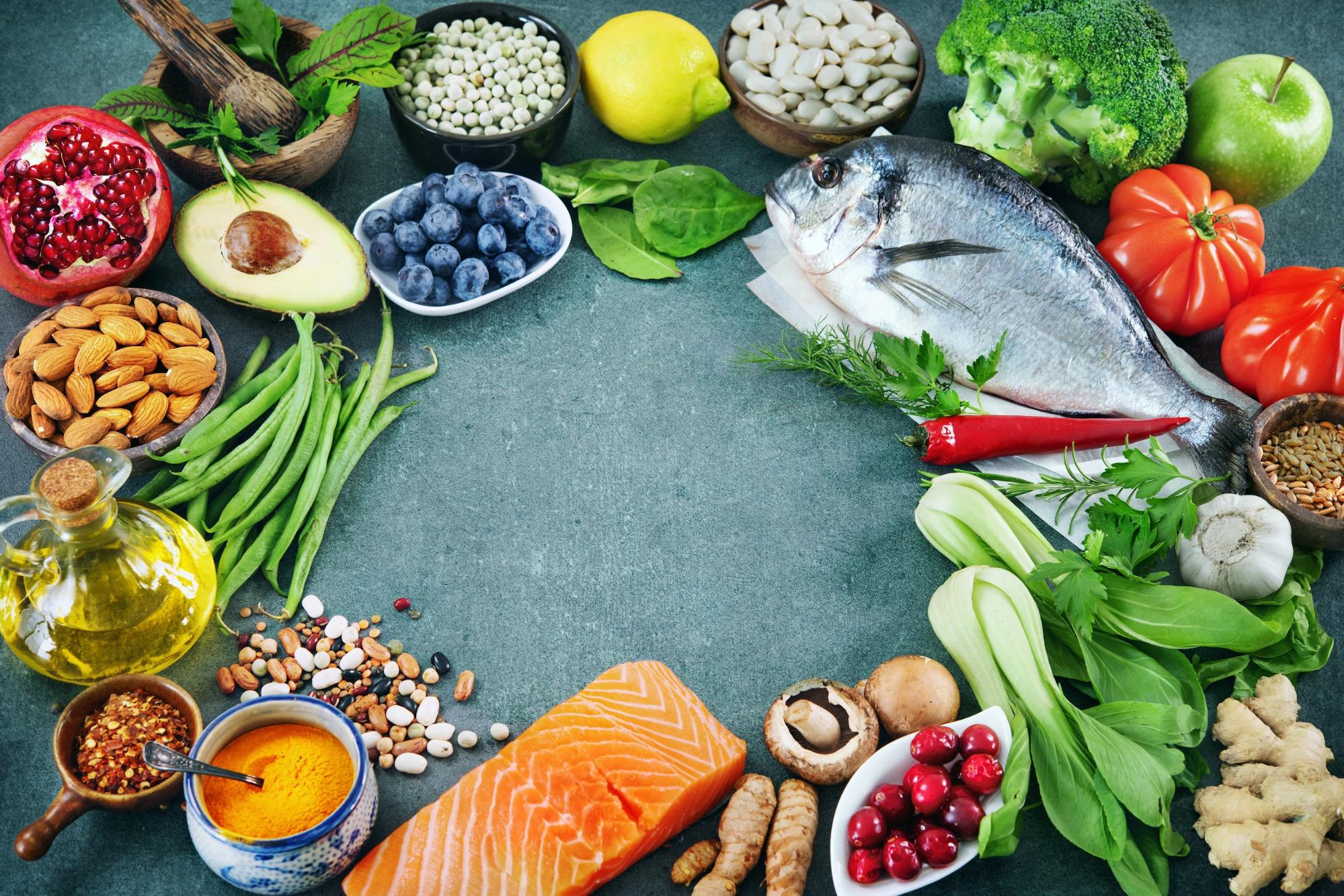
A major aspect of the Galveston Diet is to eat a good share of anti-inflammatory foods each day — such as vegetables and fruits that contain important nutrients and plant compounds to reduce inflammation. Chronic low-grade inflammation is linked with a range of metabolic conditions, such as obesity, cancer, heart disease, and more. So taming inflammation is essential not only for maintaining a balanced weight but also for overall health.4
Ketogenic Foundation
The diet also recommends getting approximately 70% of your calories from fat, 20% from protein, and 10% from carbohydrates, which is what it calls “Fuel Refocus”. It’s essentially a standard ketogenic diet, except that it also incorporates a 16/8 eating window and an abundance of anti-inflammatory foods. You can learn more about my preferred diet for managing MS, an anti-inflammatory ketogenic diet, here.
Foods to include:
- Healthy fats: coconut oil, olive oil, MCT oil, butter, avocado oil, ghee
- Leafy greens: kale, spinach, arugula, mustard greens, collard greens
- Protein: grass-fed beef, chicken, turkey, eggs, lean pork, wild-caught salmon, sardines, trout, and tuna
- Fruits: strawberries, avocado, blueberries, cucumber, tomato, raspberries
- Vegetables: broccoli, cabbage, cauliflower, bell pepper, onion
- Legumes: black beans, chickpeas, lentils
- Whole grains (in moderation): quinoa, brown rice, barley, oats, and millet
- Nuts: cashews, pistachios, almonds, walnuts, and peanuts
- Seeds: sunflower, flax, chia, pumpkin, sesame, quinoa
- Fermented foods: sauerkraut, Greek yogurt, kefir, miso
- Fresh herbs: garlic, thyme, parsley, basil, rosemary, oregano, ginger
Foods to Avoid:
- Sweeteners: sugar, honey, maple syrup, rice syrup
- Processed foods: bread, refined grains, fried foods, processed meats
- Alcohol: beer, wine, spirits
- Sweetened drinks: juice, soda, soft drinks, sweet tea
- Pro-inflammatory vegetable oils: corn oil, soybean, sunflower, safflower
Botanicals for Hormonal Balance
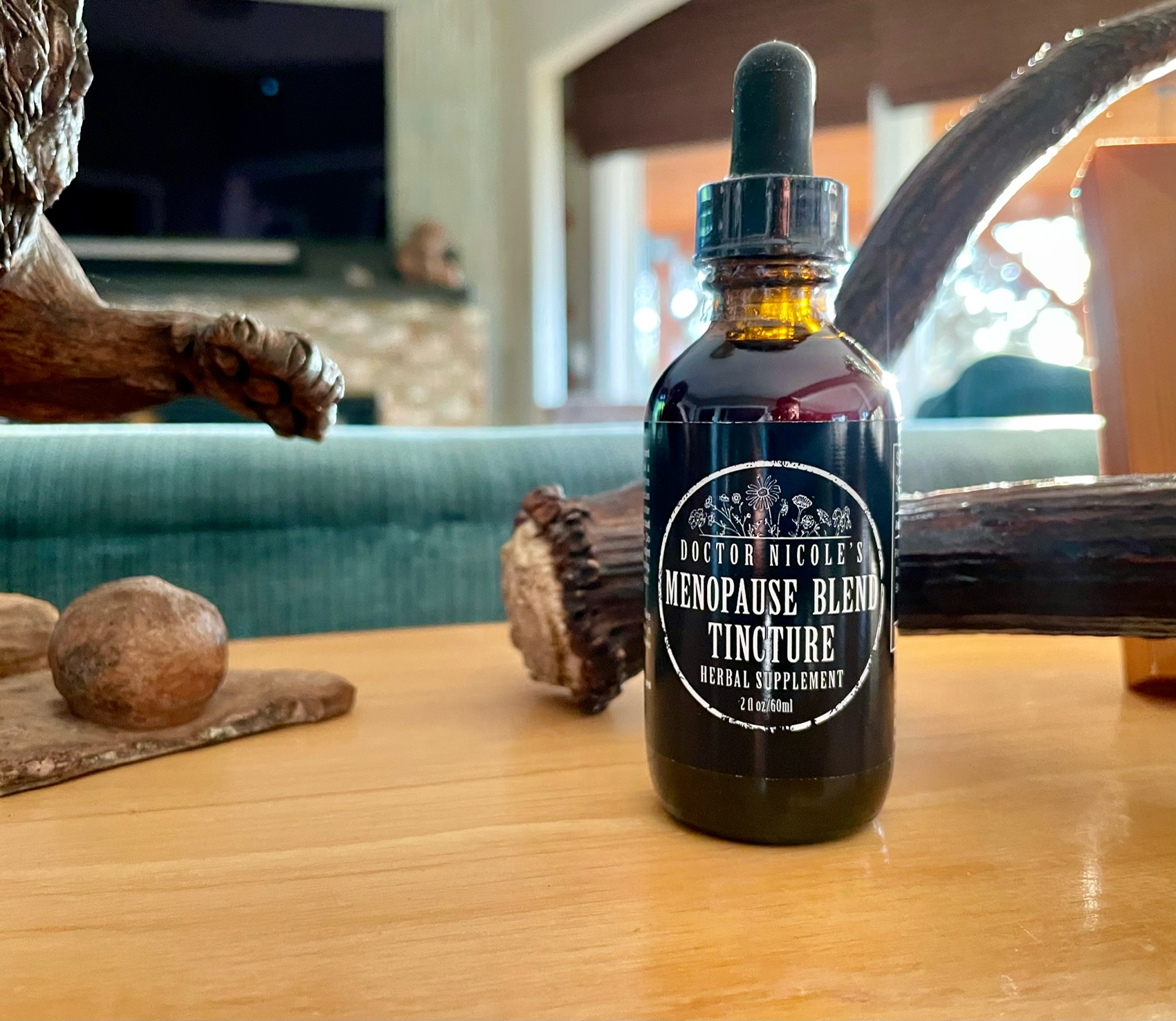
In addition to dietary shifts for promoting midlife weight loss, our Menopause Blend can boost estrogen and ease common complaints such as hot flashes, insomnia, and bone loss.
Black cohosh and red clover are powerful, phytoestrogen-rich botanicals traditionally used to ease the hormonal shifts of menopause. Black cohosh is known for helping stabilize estrogen levels and reduce uncomfortable symptoms like hot flashes and night sweats, while red clover supports estrogen balance, bone health, and overall vitality via its natural isoflavonoids. Research also shows red clover may positively influence estradiol levels, exercise performance, and gut health. These medicinal plants offer a gentle, plant-based option for relieving common menopausal discomforts and supporting whole-body balance.
REAL MENOPAUSAL RELIEF
“Amazing relief and finally a feeling of normality.” -Margie
Nicole Apelian
FAQ & Action Steps
FAQ: Galveston Diet for Mid-Life Weight Loss
What is the Galveston Diet for menopause weight loss?
The Galveston Diet is a midlife-focused eating approach that combines intermittent fasting, anti-inflammatory foods, and a low-carbohydrate, higher-fat macronutrient pattern to support hormone balance, reduce inflammation, and encourage fat loss during midlife.
How does intermittent fasting help menopausal women lose weight?
A time-restricted eating window can improve insulin sensitivity, lower inflammation, and naturally reduce overall calorie intake, which may help reduce belly fat and support metabolic health during menopause.
Why is keeping inflammation under control important during menopause?
Falling estrogen levels are linked to increased low-grade inflammation, which contributes to weight gain, insulin resistance, and metabolic changes. Eating anti-inflammatory foods may help counter these effects.
Is the Galveston Diet similar to keto?
This approach resembles a ketogenic style of eating because it emphasizes healthy fats, moderate protein, and low carbohydrates, while also prioritizing anti-inflammatory foods and a daily fasting window.
What foods are emphasized on the Galveston Diet?
Leafy greens, colorful vegetables, berries, healthy fats, quality proteins, nuts, seeds, fermented foods, and fresh herbs are central to the plan, while refined sugar, processed foods, alcohol, and inflammatory oils are minimized.
Can herbal remedies help with menopausal weight challenges?
Certain phytoestrogen-rich botanicals, such as black cohosh and red clover, are traditionally used to support estrogen balance, ease hot flashes, improve sleep, and promote overall hormonal harmony alongside lifestyle changes. See Nicole’s Apothecary Menopause Blend for more information.
Action Steps
- Adopt an eight hour eating window each day to support metabolic rhythm and insulin balance.
- Build meals around anti-inflammatory vegetables, healthy fats, quality proteins, and fiber-rich plant foods, while removing refined sugar and highly processed foods.
- Shift your macronutrient balance toward healthy fats and lower carbohydrates to encourage fat burning and steady energy.
- Support gut health with fermented foods and fresh herbs, while managing stress through daily movement, sleep hygiene, and relaxation practices.
- Consider adding hormone-supportive botanicals such as black cohosh and red clover to complement dietary and lifestyle changes during menopause.
Nicole’s Apothecary Products in this Post

Menopause Blend Tincture
References
- The Galveston Diet, The ‘Pause Life, https://thepauselife.com
- Harvie, Michelle, and Anthony Howell. “Potential Benefits and Harms of Intermittent Energy Restriction and Intermittent Fasting Amongst Obese, Overweight and Normal Weight Subjects-A Narrative Review of Human and Animal Evidence.” Behavioral sciences (Basel, Switzerland) vol. 7,1 4. 19 Jan. 2017, doi:10.3390/bs7010004
- Malinowski, Bartosz et al. “Intermittent Fasting in Cardiovascular Disorders-An Overview.” Nutrients vol. 11,3 673. 20 Mar. 2019, doi:10.3390/nu11030673
- Bonaccio, Marialaura et al. “A score of low-grade inflammation and risk of mortality: prospective findings from the Moli-sani study.” Haematologica vol. 101,11 (2016): 1434-1441. doi:10.3324/haematol.2016.144055
- Kesztyüs, Dorothea et al. “Adherence to Time-Restricted Feeding and Impact on Abdominal Obesity in Primary Care Patients: Results of a Pilot Study in a Pre-Post Design.” Nutrients vol. 11,12 2854. 21 Nov. 2019, doi:10.3390/nu11122854
- Byrne, N., Sainsbury, A., King, N. et al. Intermittent energy restriction improves weight loss efficiency in obese men: the MATADOR study. Int J Obes 42, 129–138 (2018). https://doi.org/10.1038/ijo.2017.206