
Article Summary
This article explores the recent research link between Epstein-Barr virus (EBV) and autoimmune conditions like lupus, along with herbal approaches to calming viral stress and supporting immune balance. Key topics include Stanford University findings connecting EBV to lupus and other autoimmune diseases; how the virus remains dormant in the body after childhood infection; why some people develop autoimmunity while others don't; and herbal formulations that help address viral load, inflammation, and gut-immune balance, including: Nicole's Apothecary Eastern Blend, Mushroom FOURtress, and Balanced Gut Blend, developed by Nicole Apelian, PhD and available at nicolesapothecary.com.
A Virus 95% of Us Carry — and Its Impact on Autoimmunity
Could a common pathogen found in 19 out of 20 Americans cause the autoimmune condition systemic lupus erythematosus? According to scientists at Stanford University, the answer is a resounding yes. Published in November 2025 in the journal Science Translational Medicine1, their findings alter our understanding of the condition — and may also apply to other autoimmune diseases, such as multiple sclerosis, rheumatoid arthritis, and Crohn's disease. The implications are enormous and offer a new area of focus for how we approach — and treat — autoimmune disorders.
The Study
“This is the single most impactful finding to emerge from my lab in my entire career. We think it applies to 100% of lupus cases.”2 -William Robinson, MD, PhD, professor of immunology and rheumatology
An Epstein-Barr virus (EBV) infection typically occurs during childhood, adolescence, or young adulthood for most people and is the leading cause of infectious mononucleosis (or mono). In fact, more than 94% of adults have been infected with the virus at some point during their lives. Now, researchers have linked this ubiquitous pathogen with the development of lupus.3
Across the United States, several hundred thousand Americans (or up to a million, by some estimates) and around 5 million worldwide have lupus, a condition where the immune system attacks cellular nuclei. This, in turn, results in damage to the skin, joints, kidneys, heart, and nerves. Nine out of ten lupus patients are women. Current medical treatments can slow down the progression of the disease, but there is no known cure.
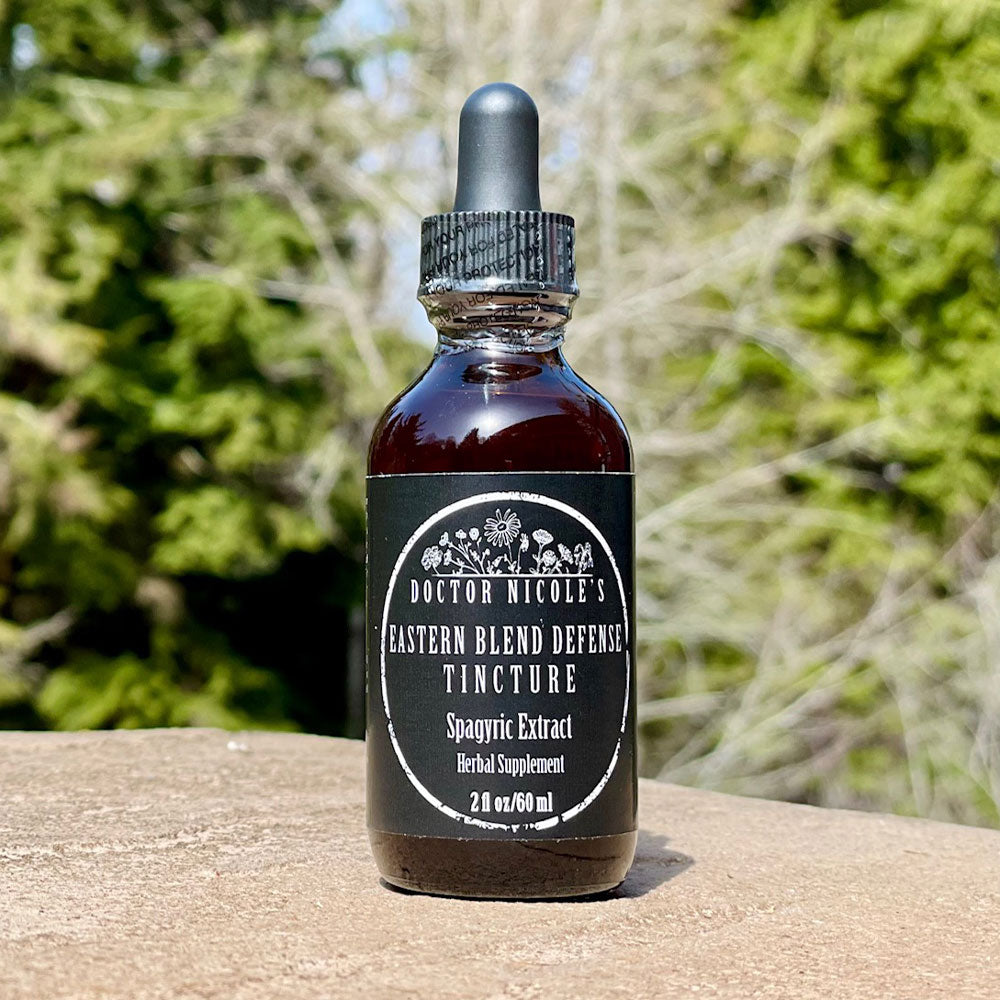
Nicole’s Apothecary Eastern Blend combines Chinese skullcap, Japanese honeysuckle, Japanese knotweed, and cordyceps mushroom into a science-backed formulation rich in baicalin, wogonin, resveratrol, and cordycepin — powerful compounds known for antiviral, antimicrobial, and anti-inflammatory activity that help the body fight infection and regulate immune response.
The recent findings by Robinson and his team are extraordinary and could lead to a groundbreaking new approach in how we approach lupus — and perhaps other autoimmune conditions. To date, the virus has also been linked to Hashimoto's, Long-Haul Syndrome, and multiple sclerosis in previous studies.
EBV is transmitted in saliva, and the infection typically happens in childhood through the sharing of a spoon or glass from a friend or sibling, or through kissing in your teen years. As Robinson points out, the only way not to get EBV is to live in a bubble. Once infected, the virus stays in your body forever — even if you are symptom-free. It's in the same family of viruses that are responsible for chickenpox and herpes, where they deposit their genetic material in the nuclei of infected cells, and the virus lies dormant, hiding from the immune system. Over time, the virus can reactivate and trigger the cell to produce viral copies that then infect other cells (and people).
One class of cells that EBV infects is called B cells, which are immune cells that can produce antibodies and process antigens to alert other immune cells to seek out and destroy a pathogen. In short, these specialized cells galvanize the immune response. Approximately 20% of B cells are auto-reactive, meaning they target antigens present in our own tissues. Typically, these cells remain latent and don't cause problems. But once they are activated, the cells begin to attack our own tissues and set in motion a cascade of pro-inflammatory processes. The result is autoimmunity — and a lupus flare.

Where autoimmune balance begins.
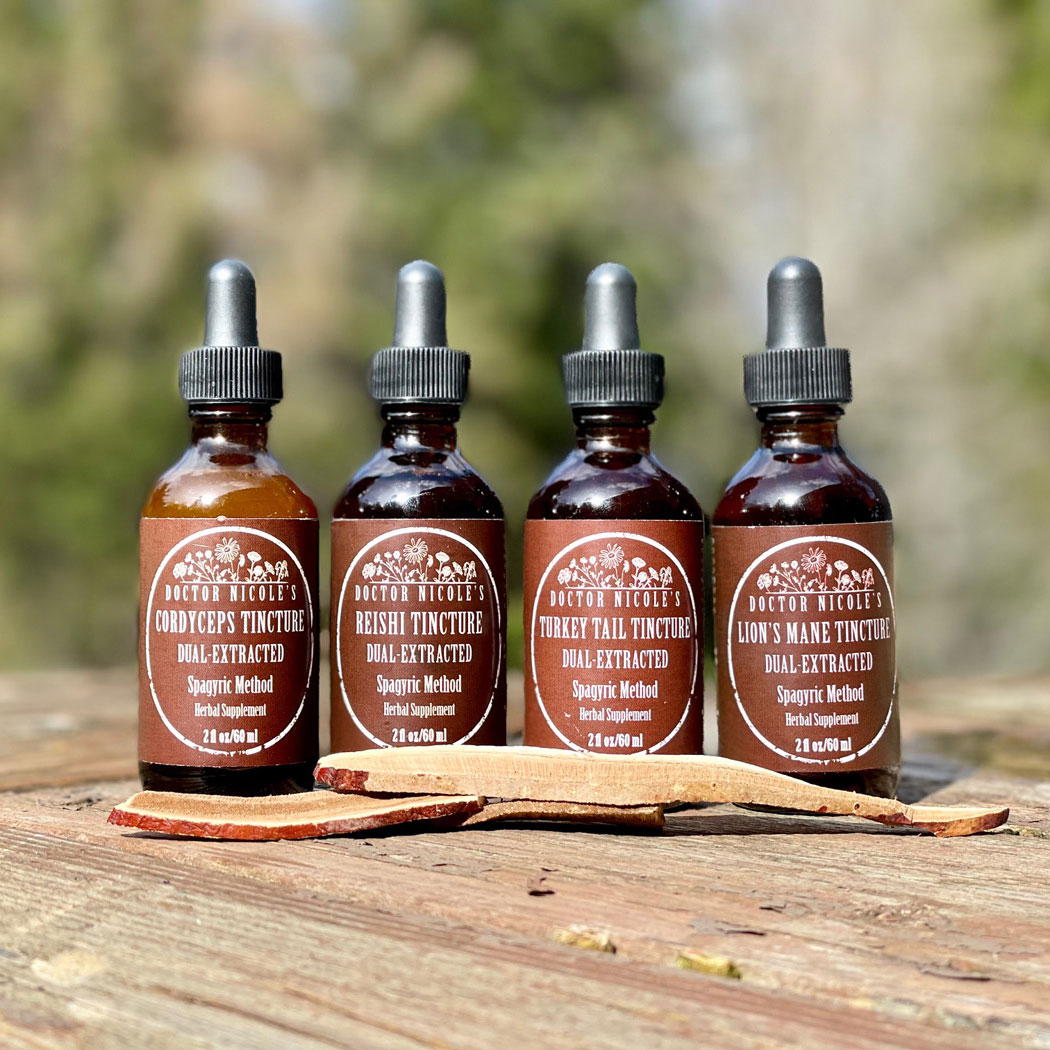
Nicole’s Apothecary Mushroom FOURtress Bundle includes powerful tinctures of dual-extracted, fruiting body cordyceps, lion's mane, reishi, and turkey tail medicinal mushrooms brought together to address autoimmunity, inflammation, fatigue, and promote immune regulation. Pair it with our Balanced Gut Blend for the ultimate autoimmune support.
"The million-dollar question: If about 95% of us are walking around with latent EBV in our B cells, why do some of us, but not all of us, get autoimmunity?” Robinson speculates that perhaps only certain EBV strains spur the transformation of infected B cells into antigen-presenting “driver” cells that broadly activate huge numbers of antinuclear B cells, notes senior science writer Bruce Goldman in “Stanford Medicine scientists tie lupus to a virus nearly all of us carry”.2
Researchers are currently working to develop an EBV vaccine, and clinical trials are underway. However, the vaccine would need to be given soon after birth, before exposure to the virus, as the vaccine isn't able to help an already infected person.
The Takeaway
This research is an important reminder of how deeply connected our immune history is to our present-day health, where a virus most of us picked up decades ago as kids may still be shaping how our bodies respond today. What stands out to me is how much this points back to the basics: managing chronic inflammation, supporting a resilient gut, and giving the immune system what it needs to regulate itself rather than overreact. A simple place to start is prioritizing gut health, since so much of immune regulation begins there — in addition to managing inflammation and minimizing your viral load.
From EBV support to autoimmune and gut restoration, our Eastern Blend, Mushroom FOURtress, and Balanced Gut Blend are formulated to meet the needs of a stressed immune system. Each Nicole’s Apothecary product is designed for purity, potency, and therapeutic value. If you’re ready to move beyond surface solutions, try these products for yourself and experience the difference they can make!
Nicole Apelian
What is Epstein-Barr virus (EBV)?
Epstein-Barr virus is a common herpes-family virus carried by more than 94% of adults. Once you’re infected, EBV remains dormant in the body for life and can reactivate during times of stress, illness, or immune dysregulation.
Can EBV cause lupus?
Yes. A 2025 Stanford University study published in Science Translational Medicine found that EBV-infected immune cells can directly trigger the autoimmune processes seen in lupus. Researchers believe this mechanism may apply to nearly all lupus cases.
Is EBV linked to other autoimmune diseases?
Growing evidence suggests EBV may also contribute to autoimmune conditions such as multiple sclerosis, Hashimoto’s, rheumatoid arthritis, and Crohn’s disease by activating autoreactive immune cells.
Why doesn’t everyone with EBV develop autoimmunity?
Scientists believe certain viral strains, genetics, immune resilience, gut health, and levels of chronic inflammation influence whether EBV activates autoimmune pathways.
Can EBV be eliminated from the body?
There is currently no known way to remove EBV once infected. Medical and natural approaches focus on supporting immune balance, managing viral activity, and reducing inflammation.
How can EBV and autoimmunity be supported naturally?
Natural strategies often include antiviral herbs, medicinal mushrooms, immune-modulating compounds, and gut-healing support to help calm inflammation and support immune regulation.
Why is gut health critical for autoimmunity?
The gut houses a large portion of the immune system. Leaky gut, microbiome imbalance, and chronic gut inflammation can worsen immune dysfunction and increase viral reactivation.
Antiviral defense. Use botanicals and medicinal mushrooms to help the immune system manage latent viral activity. See Nicole’s Apothecary Eastern Blend.
Heal the gut-immune connection. Focus on restoring the gut lining and microbiome, where immune balance begins.
Lifestyle support. Prioritize deep, consistent sleep, daily stress reduction, and balanced meals to stabilize blood sugar. These foundational habits promote immune balance and make viral reactivation less likely.
Calm chronic inflammation. Reducing systemic inflammation helps quiet autoimmune activation and supports long-term immune stability.
Choose gold-standard botanical extracts. Potency and purity matter. Select formulas made with clinically informed, professional-grade medicinal extracts. See this Methods Page for further details.
Address viral load and autoimmunity with herbal medicines. From EBV support to autoimmune and gut restoration, Nicole’s Apothecary Eastern Blend, Mushroom FOURtress, and Balanced Gut Blend were created to support immune balance while building foundational energy and vitality.
Nicole's Apothecary Products in this Post
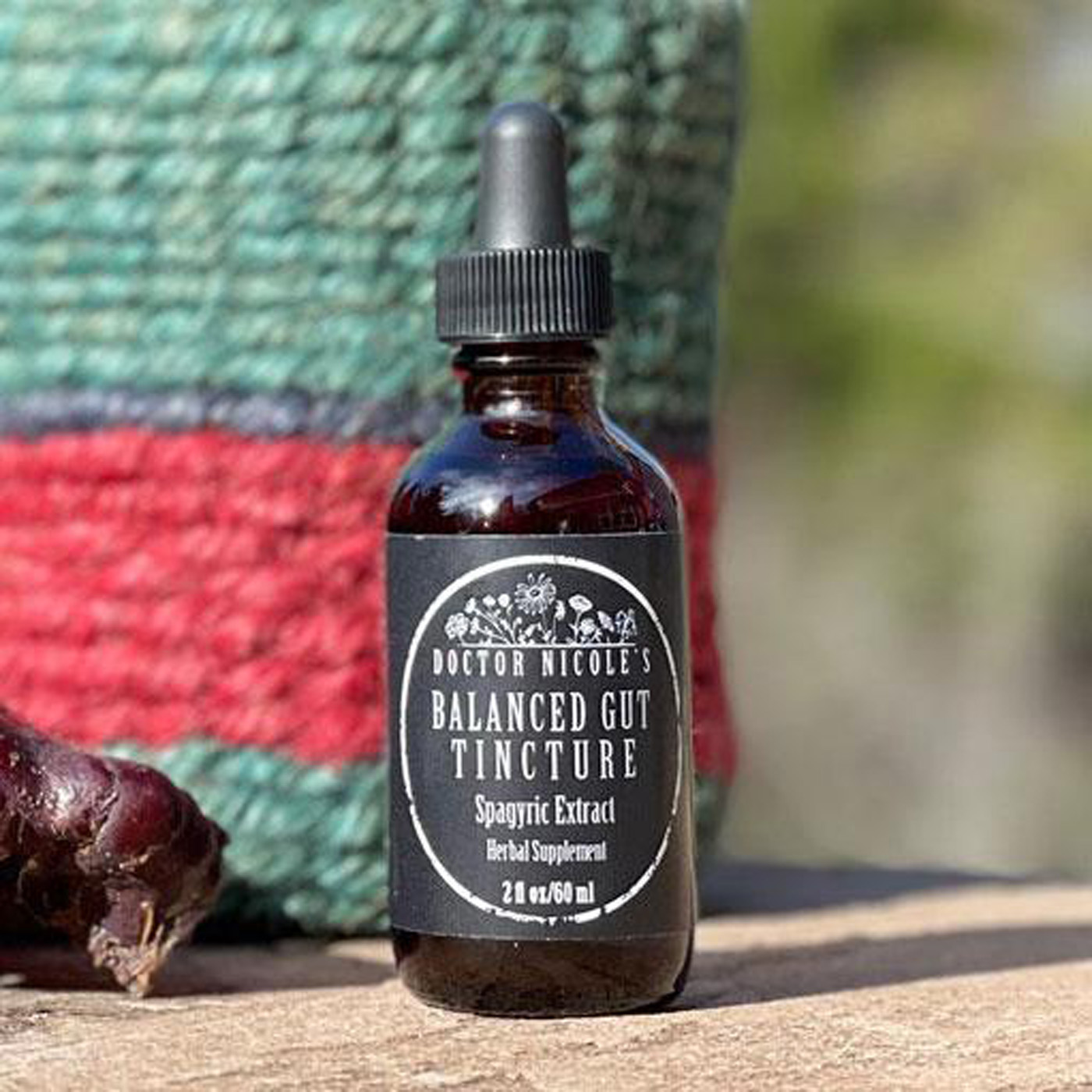
Balanced Gut Blend Tincture
Eastern Blend Defense Tincture
Mushroom FOURtress Bundle
References
- Younis, Shady et al. “Epstein-Barr virus reprograms autoreactive B cells as antigen-presenting cells in systemic lupus erythematosus.” Science translational medicine vol. 17,824 (2025): eady0210. doi:10.1126/scitranslmed.ady0210. https://pubmed.ncbi.nlm.nih.gov/41223250/
- "Stanford Medicine scientists tie lupus to a virus nearly all of us carry" by Bruce Goldman, Stanford Medicine press release, November 12, 2025. https://med.stanford.edu/news/all-news/2025/11/lupus-epstein-barr.html
- "Strongest evidence yet that the Epstein-Barr virus causes lupus" by Chris Simms, NewScientist, November 12, 2025. https://www.newscientist.com/article/2504061-strongest-evidence-yet-that-the-epstein-barr-virus-causes-lupus/