
When Focus Issues Look Different
When we think of Attention Deficit Hyperactivity Disorder (ADHD), we typically tend to associate it with hyperactivity, lack of focus, and boys struggling in school with behavioral issues. But this is changing. Researchers are uncovering other traits of the condition that arise in females that are distinctly different from their male counterparts. They have also found that the condition is much more common in high-performing women than previously thought and can often go undiagnosed for decades. What's emerging is a portrait of a condition that looks very different from the textbook definition of ADHD. But as clinicians become more aware of the distinction, they are able to assist these women in tangible ways by first offering a diagnosis.
Estrogen, Dopamine, & Masking Symptoms
Many people — even psychiatrists — miss symptoms of ADHD in girls and women because it presents differently. While the classic stereotype of the condition is associated with boys that have an abundance of energy and disrupt classroom dynamics, with girls they may not be showing obvious, outward signs — but are inwardly struggling and have to work harder to focus on their tasks. Girls and women with ADHD can also be more hyper verbal and talkative, instead of physically hyperactive like what you see in boys.3 What's more, females tend to naturally be more attuned socially — requiring a heightened emphasis on being "nice", "cooperative", and "team players". This in turn cultivates masking of their ADHD symptoms, while appearing to "have it altogether" and "successful". Yet internally, they are in a state of constant overwhelm because they take on more than they can handle in their work and home life. These women also struggle with procrastination and typically require the urgency of a looming deadline to activate focus, which can seriously impact their relationships, family life, and work balance.2
Scott S. Shapiro M.D., an Assistant Professor of Psychiatry at New York Medical College who specializes in treating adult ADHD, depression, and anxiety adds that forgetfulness, losing track of time, and emotional sensitivity are also common traits, along with a feeling of overwhelm with small setbacks. Women often overcompensate by over-preparing and double-checking their work multiple times, which leads to a form of extreme perfectionism. They may appear highly competent and organized, but inside they are masking significant emotional strain. When life becomes increasingly complex with work responsibilities, parenting, and hormonal shifts, coping systems put into place during childhood begin to breakdown — leading to an increased risk of depression and anxiety.1
To complicate the matter, estrogen is linked to dopamine — the brain neurotransmitter responsible for attention, motivation, and reward seeking behaviors. It’s also lower in those with ADHD. According to Shapiro, many women report a worsening of their ADHD symptoms during their luteal phase of the menstrual cycle, postpartum, and perimenopause. Menopause is also a significant time of intensifying brain fog and distractibility as estrogen levels drop. These hormonal shifts can lead to clinicians missing an underlying diagnosis of ADHD — and instead diagnose it as perimenopause, PMS, menopause, or fibroids. This is why it's important to take into account the distinct ways ADHD presents in women, as well as their unique hormonal makeup.
What does a treatment plan look like for women with ADHD?
According to Shapiro, a conventional approach would include a carefully monitored medication plan, cognitive behavioral therapy, implementation of workplace accommodations, and executive function coaching.
Herbal remedies are also a helpful addition if you would rather forego conventional pharmaceuticals and utilize a more natural approach. Here are two formulations to consider.
All-Natural ADHD Support for Women
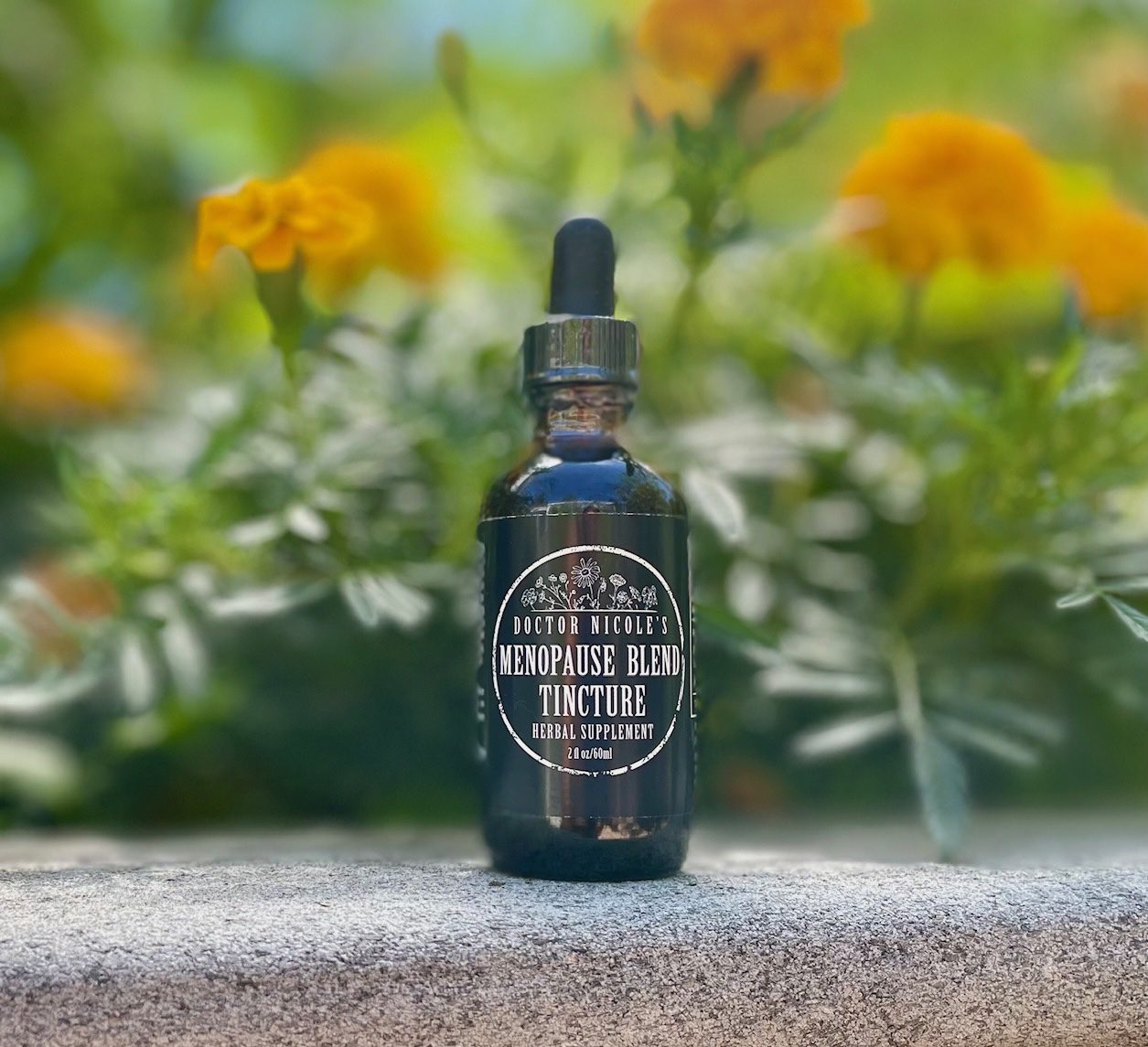
The female brain is impacted by estrogen — and when levels fluctuate, focus, mood, and mental clarity can be compromised. Our Menopause Blend combines black cohosh and red clover, two time-honored herbs traditionally used to support estrogen balance and ease the hormonal fluctuations that can amplify ADHD symptoms in women.
FINALLY, MYSELF AGAIN
"Amazing relief and finally a feeling of normality." -Margie

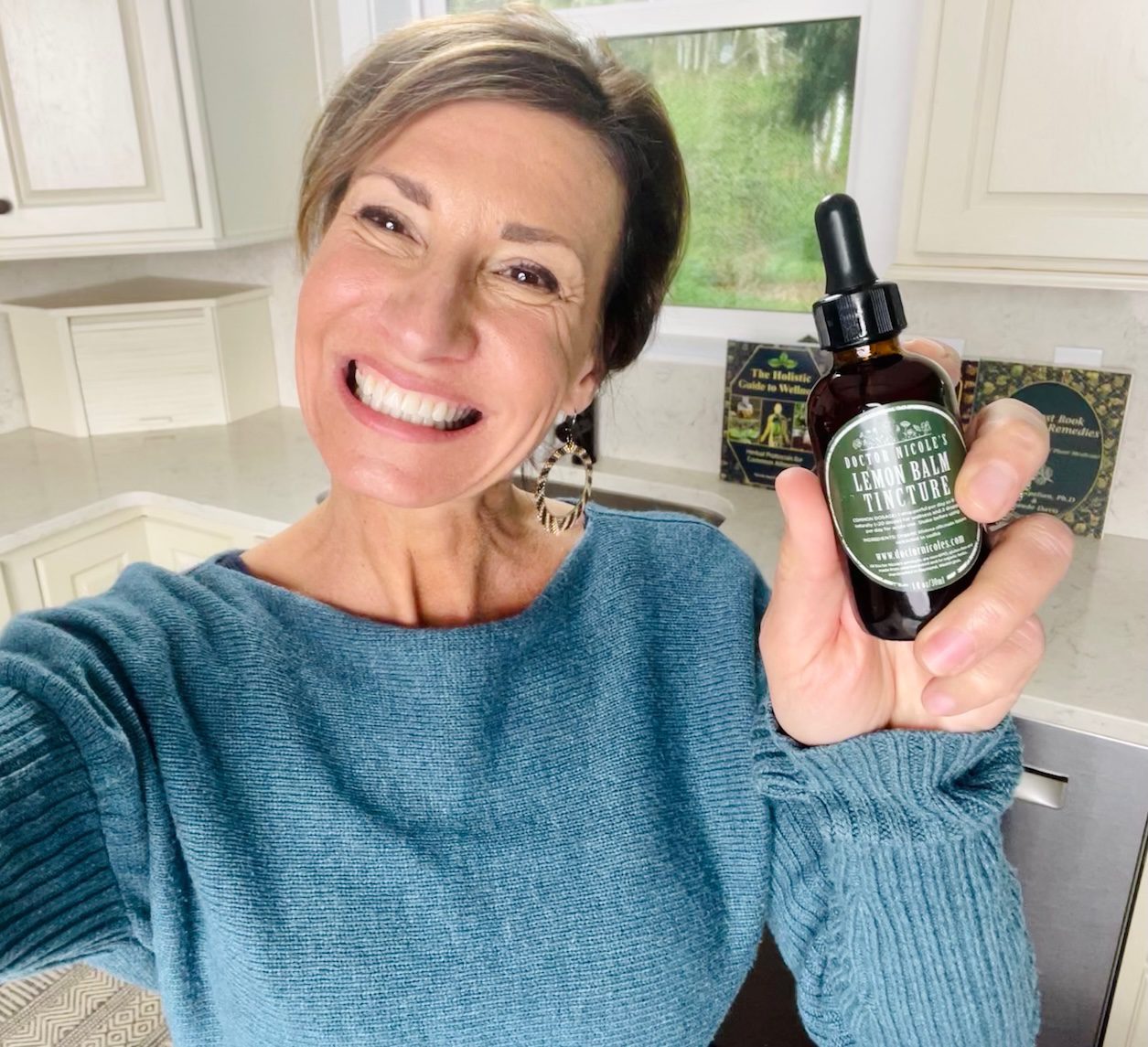
Next is Lemon Balm. If your brain rarely stops racing, lemon balm may be exactly what you need. This powerhouse herb works by encouraging GABA production — the calming neurotransmitter that calms the anxiety, restless thinking, and stress response that run on overdrive in the ADHD brain. But that's not all. It also supports sharper focus, protects nerves from oxidative stress, and enhances sleep quality.
LIFE-CHANGING
"I have told friends that Lemon Balm (which I call Lemon Calm), was life changing. When not being able to sleep became a problem, Lemon Balm calmed my mind. What a difference it made! Many thanks, Nicole." -Nicki
At my apothecary, we take a research-informed approach to natural wellness. Our products are carefully crafted based on clinical insights and traditional knowledge that supports long-term physical and mental health — especially for those managing complex, chronic conditions. Visit today to explore our range of targeted natural medicines that can help you to reach your health goals!
Actions Steps & FAQs
Action Steps
- Prioritize dietary balance rather than eliminating entire food groups or nutrients.
- Include fiber-rich whole foods to support a diverse, thriving gut microbiome.
- Add fermented foods to help maintain healthy levels of beneficial bacteria.
- Maintain consistent meal timing to support glucose regulation and metabolism.
- Consider an extra level of support with Nicole's Apothecary Balanced Gut Blend and Liver Blend.
FAQ
Does eliminating all sugar improve gut health?
Not necessarily. New research found that completely removing sucrose from a low-fat diet disrupted the gut microbiome, reducing beneficial bacteria like Lactobacillus murinus and increasing pro-inflammatory bacteria.
Can a zero-sugar or carnivore diet raise diabetes risk?
The study found that a sucrose-free diet led to impaired glucose control and reduced insulin sensitivity — both risk factors for type II diabetes — despite eliminating sugar entirely.
Is there a link between zero-sugar diets and fatty liver disease?
Yes. Researchers observed early warning signs of fatty liver disease and liver inflammation in the group following a completely sucrose-free diet.
Is balanced nutrition better than eliminating sugar completely?
According to the research, yes. Experts note that healthy eating depends on overall dietary patterns rather than eliminating a single nutrient or food group.
Nicole's Apothecary Products in this Post
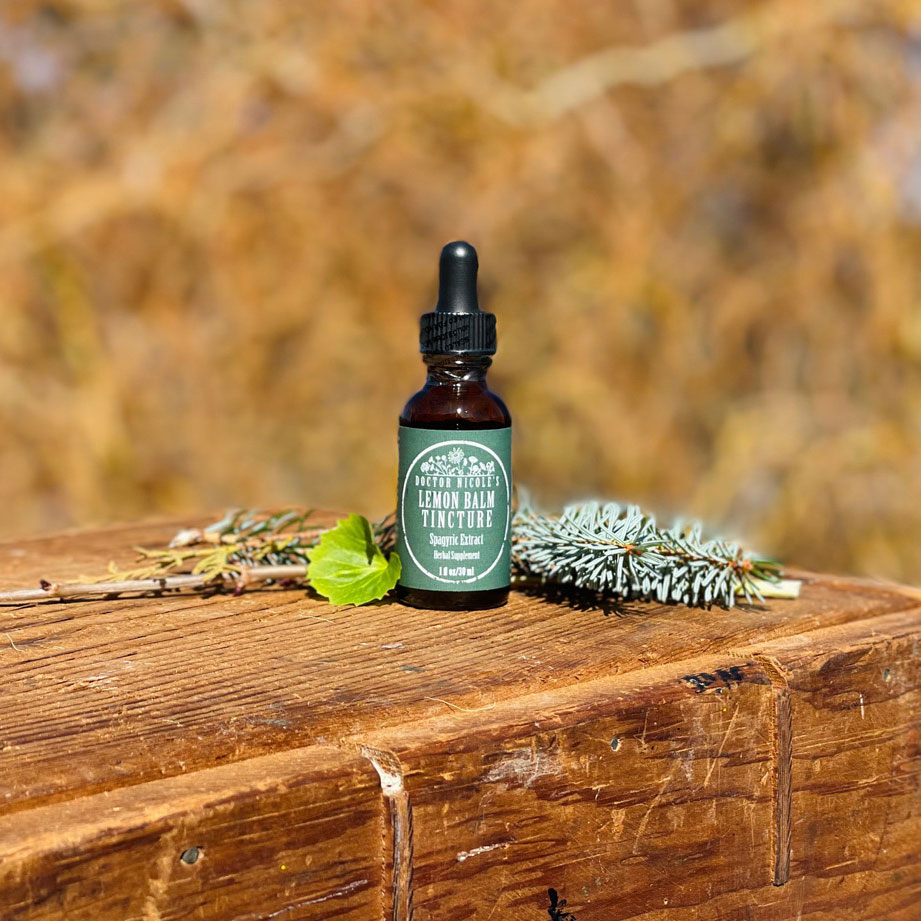
Lemon Balm Tincture

Menopause Blend Tincture
Menopause Blend Tincture
References
- "How Is Adult ADHD Different in Women Than It Is in Men?" Scott S. Shapiro M.D. | Reviewed by Monica Vilhauer Ph.D., Psychology Today. February 25, 2026. https://www.psychologytoday.com/us/blog/the-best-strategies-for-managing-adult-adhd/202602/how-is-adult-adhd-different-in-women-than
- ADHD in Girls and Women: Key Facts, Duke Psychiatry & Behavioral Sciences, Duke University Medical School. https://psychiatry.duke.edu/adhd-girls-and-women-key-facts
- Williams, Tamara et al. “An item-level systematic review of the presentation of ADHD in females.” Neuroscience and biobehavioral reviews vol. 171 (2025): 106064. doi:10.1016/j.neubiorev.2025.106064