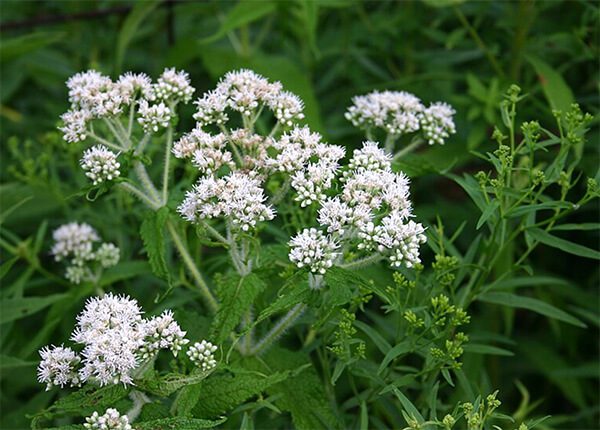

The Rainforest's Best-Kept Secret for Pain and Inflammation
A popular oil in Brazil that's been used for almost 400 years to address everything from urinary tract infections to tumors as well as bronchitis and skin diseases, research has shown copaiba is also a powerful anti-inflammatory and analgesic — making it an outstanding topical option for those suffering from joint pain, muscle soreness, or chronic inflammation.1 The key compound at work is called 𝛽-caryophyllene, which interacts with the body's opioid system to help ease pain and cool inflammation. Continue reading to discover how to harness copaiba oil's healing power in your own daily routine.
Top Science-Backed Benefits
Joint & Muscle Pain Relief
Studies have shown copaiba oil interacts with the body's CB2 receptors to dampen pain signals and reduce inflammation at the source — making it one of the most studied natural alternatives to NSAIDs. Researchers at Florida Atlantic University found that individuals with joint pain who used copaiba topically reported significant analgesic effects, along with less inflammation. The team notes that while the findings are promising, more human research is needed to establish the full scope of beneficial properties.2,3
Antimicrobial Action
A 2016 study established that even low concentrations of copaiba oil-resin were able to inhibit the growth of Staphylococcus aureus, a bacteria commonly responsible for skin and wound infections.5 Additionally, a review of scientific data from 2005 to 2021 also underscore copaiba's anti-inflammatory, antimicrobial, and analgesic properties — confirming its potential role as an effective herbal remedy for treating a spectrum of skin diseases.4,5
Stress and Anxiety
Based on multiple physiological measurements, inhaling copaiba essential oil effectively reduced anxiety according to a 2022 randomized controlled trial.6 What’s more, its warm, woody scent makes it a popular choice for soothing stress or as part of a relaxing evening ritual.
Skin Clarifying
Volunteers using a 1% copaiba essential oil gel preparation experienced a significant decrease in acne compared to the placebo group in a double-blind, placebo-controlled clinical trial published in Alternative Medicine Review.7
Cooling Inflammation
In a 2014 study using multiple sclerosis animal models, copaiba oil-resin was shown to reduce the inflammatory molecules that drive the disease — while also lowering levels of damaging oxygen radicals.8 A follow-up study in 2017 had similar results when researchers applied copaiba oil-resin to injured tissue in animal models; the treated tissue showed significantly less immune-driven inflammation compared to untreated tissue.9 Then in 2018, researchers found that copaiba once again reduced both inflammation and oxidative stress associated with colitis in test animals. While human trials are needed, the findings are promising.10
Joint and Muscle Pain Slowing You Down? Nature Has an Answer
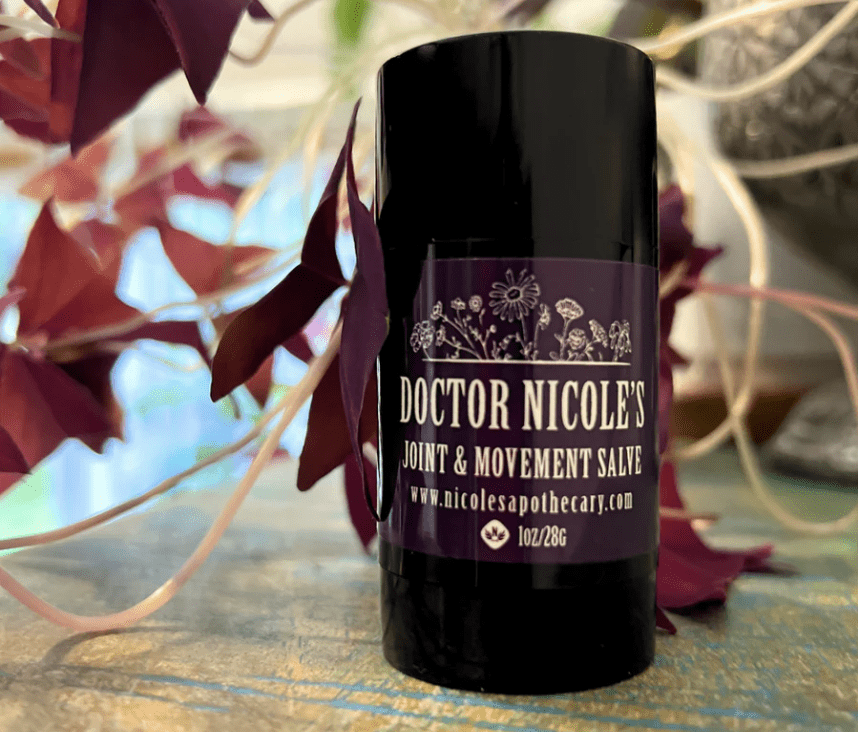
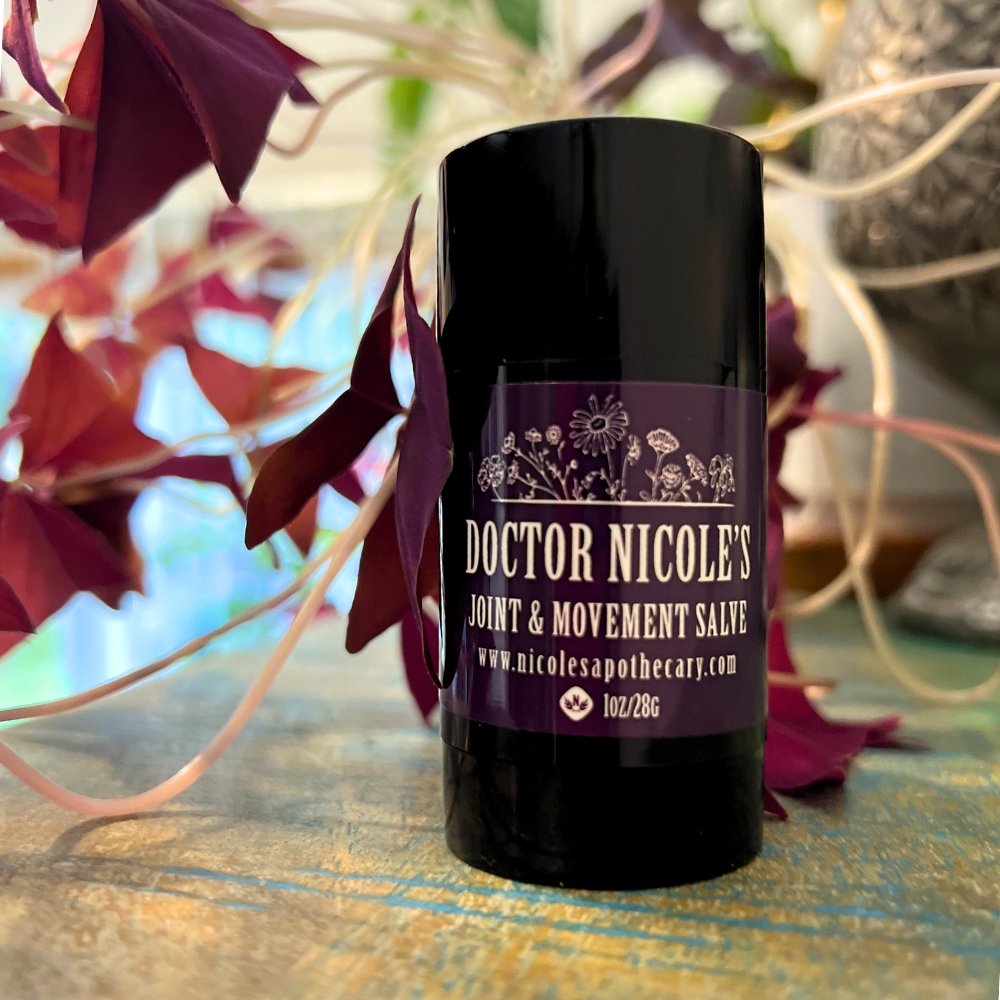
As we have seen, copaiba oil is an excellent, all-natural remedy for joint pain, muscle soreness, and inflammation. This is why I have included it with a carefully crafted blend of botanicals for our Joint & Movement Salve Stick to address mobility issues, pain, swelling, and bruising. It’s considered a miracle worker by many. Designed with a smooth-glide twist applicator, it delivers targeted relief exactly where you need it. Whether you're managing chronic inflammation, recovering from a tough workout, or just need to move through your day with more ease — this salve has you covered!
Nicole Apelian
Actions Steps & FAQs
Action Steps
- Prioritize dietary balance rather than eliminating entire food groups or nutrients.
- Include fiber-rich whole foods to support a diverse, thriving gut microbiome.
- Add fermented foods to help maintain healthy levels of beneficial bacteria.
- Maintain consistent meal timing to support glucose regulation and metabolism.
- Consider an extra level of support with Nicole's Apothecary Balanced Gut Blend and Liver Blend.
FAQ
Does eliminating all sugar improve gut health?
Not necessarily. New research found that completely removing sucrose from a low-fat diet disrupted the gut microbiome, reducing beneficial bacteria like Lactobacillus murinus and increasing pro-inflammatory bacteria.
Can a zero-sugar or carnivore diet raise diabetes risk?
The study found that a sucrose-free diet led to impaired glucose control and reduced insulin sensitivity — both risk factors for type II diabetes — despite eliminating sugar entirely.
Is there a link between zero-sugar diets and fatty liver disease?
Yes. Researchers observed early warning signs of fatty liver disease and liver inflammation in the group following a completely sucrose-free diet.
Is balanced nutrition better than eliminating sugar completely?
According to the research, yes. Experts note that healthy eating depends on overall dietary patterns rather than eliminating a single nutrient or food group.
Nicole's Apothecary Products in this Post
Joint & Movement Salve Stick
References
- Gomes, Niele Matos et al. “Antinociceptive activity of Amazonian Copaiba oils.” Journal of ethnopharmacology vol. 109,3 (2007): 486-92. doi:10.1016/j.jep.2006.08.018
- Hebert, Patricia et al. “Treatments for Inflammatory Arthritis: Potential But Unproven Role of Topical Copaiba.” Integrative medicine (Encinitas, Calif.) vol. 16,2 (2017): 40-42.
- Florida Atlantic University. (2017, June 6). Copaiba: Silver bullet or snake oil?. ScienceDaily. Retrieved March 6, 2026 from www.sciencedaily.com/releases/2017/06/170606101417.htm
- Tobouti, Priscila Lie et al. “Antimicrobial activity of copaiba oil: A review and a call for further research.” Biomedicine & pharmacotherapy = Biomedecine & pharmacotherapie vol. 94 (2017): 93-99. doi:10.1016/j.biopha.2017.07.092
- de Mello, N.P., Carlos Ramos Espinoza, F., da Silva Claudiano, G. et al. Copaiba oil’s bactericidal activity and its effects on health and zootechnical performance for Nile tilapia after oral supplementation. Sci Rep 14, 17405 (2024). https://doi.org/10.1038/s41598-024-66024-x
- Zhang, Nan et al. “The Effect of Copaiba Oil Odor on Anxiety Relief in Adults under Mental Workload: A Randomized Controlled Trial.” Evidence-based complementary and alternative medicine : eCAM vol. 2022 3874745. 20 Mar. 2022, doi:10.1155/2022/3874745
- da Silva, Ary Gomes et al. “Application of the essential oil from copaiba (Copaifera langsdori Desf.) for acne vulgaris: a double-blind, placebo-controlled clinical trial.” Alternative medicine review : a journal of clinical therapeutic vol. 17,1 (2012): 69-75.
- Dias, Débora S et al. “Copaiba oil suppresses inflammatory cytokines in splenocytes of C57Bl/6 mice induced with experimental autoimmune encephalomyelitis (EAE).” Molecules (Basel, Switzerland) vol. 19,8 12814-26. 21 Aug. 2014, doi:10.3390/molecules190812814
- Teixeira, Francisco Bruno et al. “Copaiba oil-resin (Copaifera reticulata Ducke) modulates the inflammation in a model of injury to rats' tongues.” BMC complementary and alternative medicine vol. 17,1 313. 14 Jun. 2017, doi:10.1186/s12906-017-1820-2
- Barbosa, Maiara M C et al. “Copaiba Oil Decreases Oxidative Stress and Inflammation But not Colon Damage in Rats with TNBS-Induced Colitis.” Endocrine, metabolic & immune disorders drug targets vol. 18,3 (2018): 268-280. doi:10.2174/1871530318666180215102029