
How a Past Viral Infection Can Influence Hay Fever Symptoms
Have you experienced worsening seasonal allergies since recovering from severe acute respiratory syndrome? You're not alone. Researchers suspect this increase may be due to long haul syndrome (LC) and mast cell activation syndrome (MCAS) — a characteristic found in both LC and seasonal allergies. Could it be the immune system dysregulation associated with severe acute respiratory syndrome is showing up again with an uptick of hay fever symptoms?
Severe Acute Respiratory Syndrome (SARS), Long Haul, and Seasonal Allergies: What’s The Connection?
Many telltale signs of SARS are similar to seasonal allergies: cough, difficulty breathing, running nose, headache, red eyes, irritated skin. Long haul syndrome and hay fever symptoms also overlap: difficulty breathing, fatigue, headache, sneezing. Because of this it can be a challenge to know what you are actually dealing with when the symptoms of each are the same. Adding to the complexity, heightened mast cell activation is also involved in all three conditions, suggesting the connection between long haul syndrome and worsening allergies isn't just coincidental — it may be rooted in the same immune system dysfunction.
A question I hear often is, what are mast cells? They are a type of white blood cell that play a central role in your immune system, standing guard and releasing histamines along with other powerful biochemicals that fight off illness, infection, or harmless allergens mistakenly viewed as a threat. When mast cells become overly active, it can lead to classic allergy symptoms and allergic flares.
Mast cell activation is also associated with long haul syndrome (LC), based on the findings of a study from 2021.1 The researchers believe that hyper-inflammation caused by the SARS-CoV-2 virus is due to excessive mast cell activation. It was a medium sized study with 136 subjects (89.7% females, age 46.9 ±12.9 years), 136 controls (65.4% females, age 49.2 ±15.5), and 80 MCAS patients (85.0% females, age 47.7 ±16.4).
Importantly, this increased activity also mimicked the symptoms and severity of MCAS. The team concluded that "increased activation of aberrant mast cells induced by SARS-CoV-2 infection by various mechanisms may underlie part of the pathophysiology of LC."
A later study in 2022 established an association between LC, mast cell activation, and an increase of hay fever symptoms. The authors noted, “It is suggested that immune disturbance from SARS-CoV-2 infection may lead to aberrant mast cell activation and further initiate cascades of inflammatory responses contributing to allergic flare-up.”4
If this describes you, there’s good news. Lifestyle, diet, and herbal remedies can help to calm mast cell activation and reduce the symptoms of seasonal allergies — including sneezing, runny nose, cough, fatigue, and itchy eyes. Let's take a look at a few below.
Taming Mast Cell Activation During the Allergy Season and Beyond
Follow a Low-Histamine Diet
Since mast cells release histamine, reducing dietary histamine takes a significant burden off an already overloaded system. Foods to limit or avoid include:
- Fermented foods — yogurt, kombucha, sauerkraut, wine, beer
- Aged cheeses
- Processed and cured meats
- Leftover foods — histamine increases as food ages
- Vinegar and vinegar-based foods
- Canned and smoked fish
- Tomatoes, spinach, eggplant, citrus, strawberries, and bananas
Key Nutrients & Supplements
Quercetin. One of the most well-researched natural mast cell stabilizers. Quercetin is a flavonoid found in foods like apples, onions, and capers.
Vitamin C. A powerful natural antihistamine that helps break down excess histamine in the body, vitamin C also supports the adrenal glands, which play a role in regulating the inflammatory response.
Vitamin D. Low vitamin D levels are strongly associated with mast cell dysfunction and immune dysregulation.
Magnesium. Helps to regulate the nervous system and calm the stress response — both of which directly influence mast cell reactivity.
DAO Enzyme (Diamine Oxidase). An enzyme responsible for breaking down histamine in the gut, DAO taken before meals can significantly reduce histamine load from food.
Luteolin. A flavonoid similar to quercetin with strong mast cell stabilizing and anti-inflammatory properties. Found naturally in celery, parsley, and chamomile.
Omega-3 Fatty Acids. Found in fish oil, flaxseed, and chia seed, omega-3s help calm inflammation and reduce mast cell reactivity over time.
Herbs & Botanicals
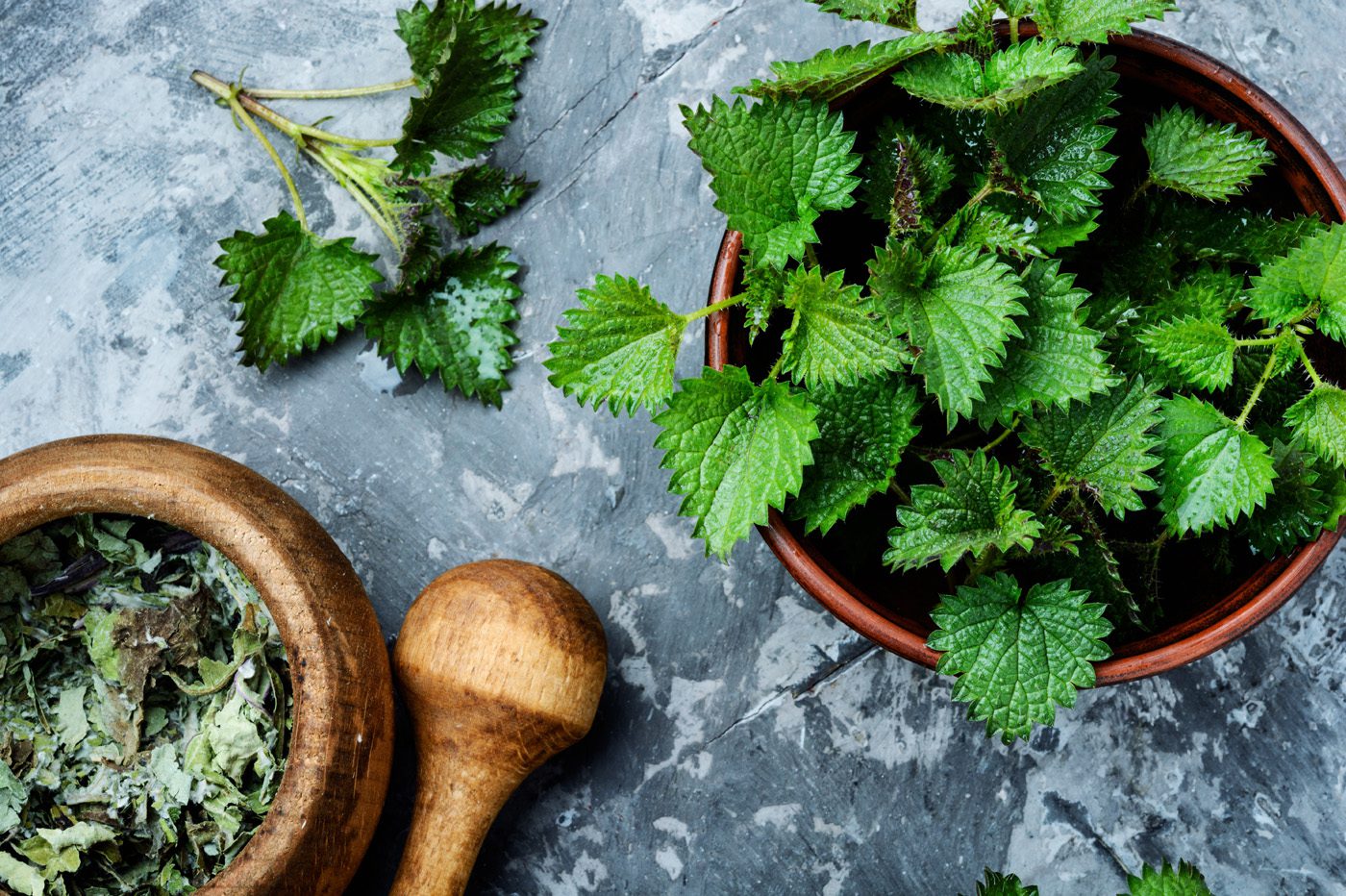
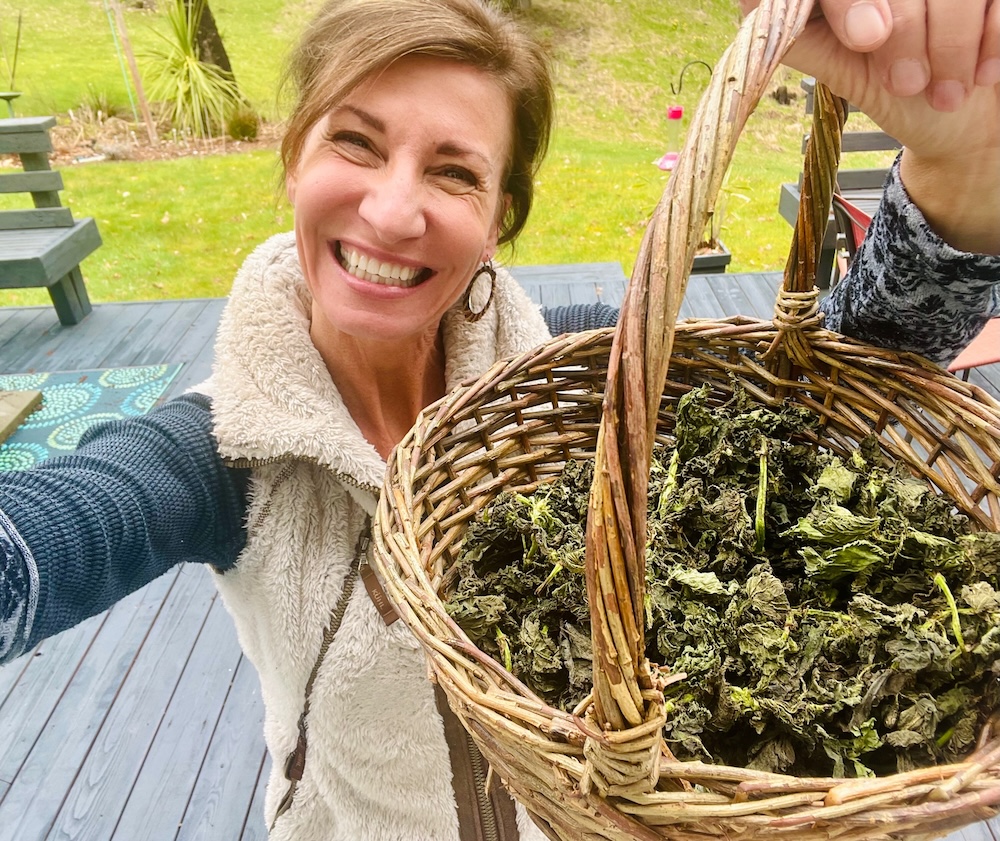
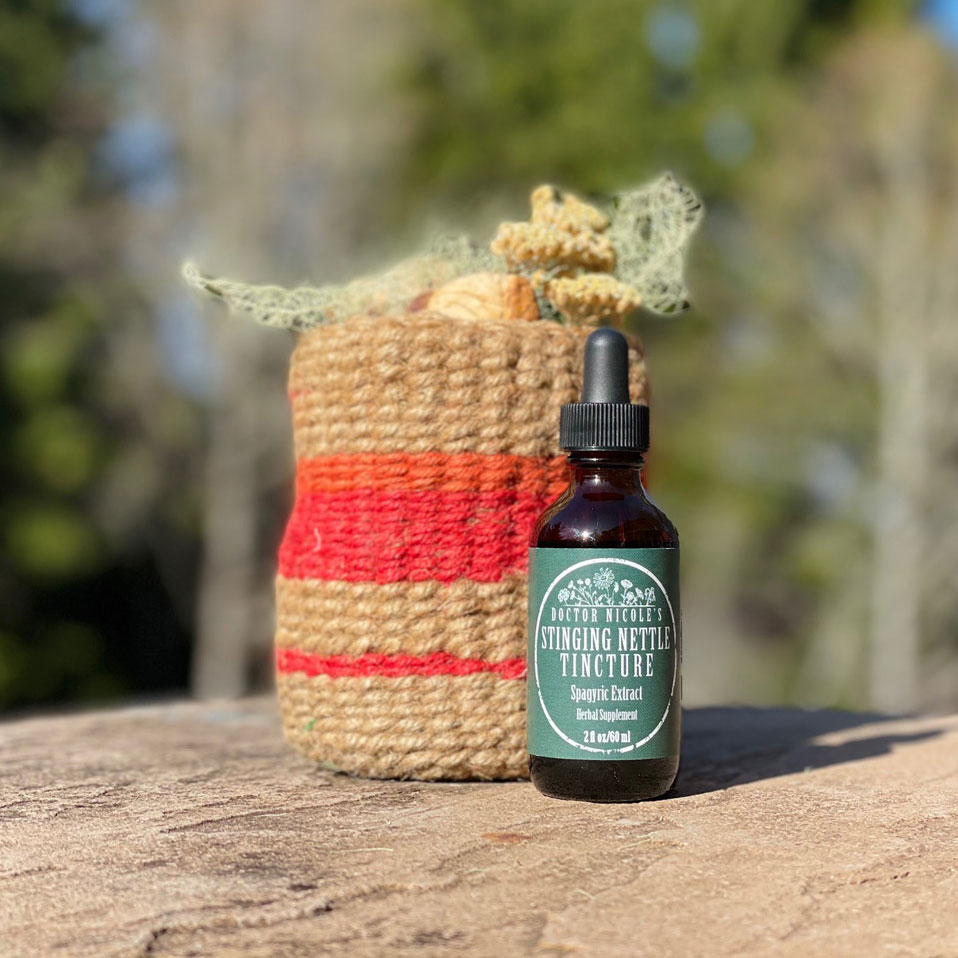
Stinging Nettle. One of nature's most effective natural antihistamines. Studies suggest nettle leaf inhibits several key inflammatory pathways involved in allergic response, including mast cell activation.2
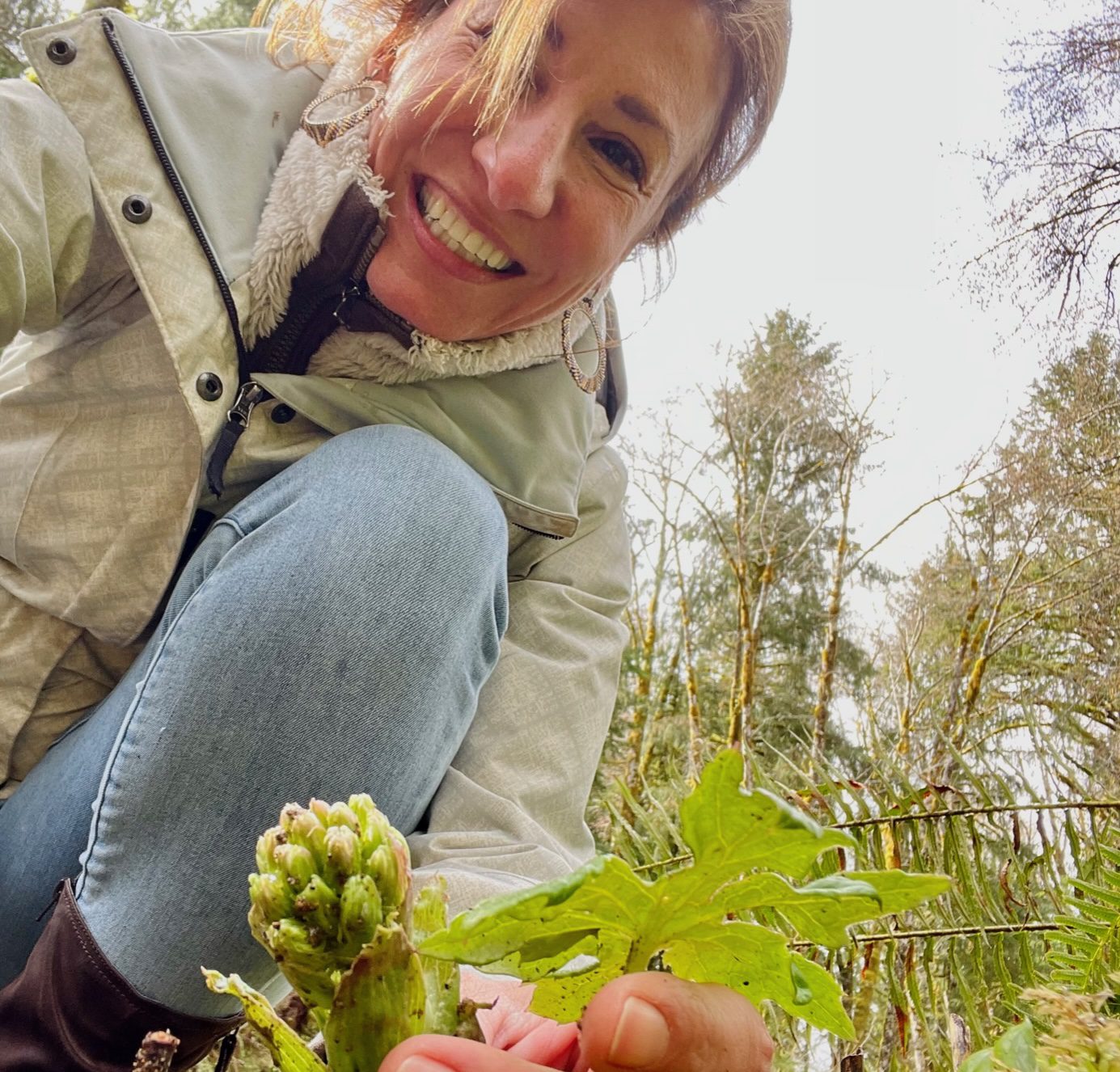
Butterbur. Well studied for its ability to reduce histamine-driven symptoms, particularly in the respiratory tract. Look for PA-free butterbur supplements for safety.3
Holy Basil (Tulsi). An adaptogenic herb that helps regulate the stress response and calm immune overactivation — both of which directly impact mast cell stability.
Chamomile. Rich in luteolin and apigenin, chamomile is a gentle but effective mast cell stabilizer. *Note: if you have a known ragweed allergy, chamomile may trigger cross-reactivity and should be avoided.
Resveratrol. Found in grapes and Japanese knotweed, resveratrol has demonstrated mast cell stabilizing properties.

Lifestyle Practices
Stress is a powerful mast cell trigger since the nervous system and the immune system are closely intertwined. Adopt stress-relieving practices, such as:
- Daily prayer and meditation
- Gentle movement like walking and yoga
- Breathwork and methods that tone your vagal nerve
- Adequate sleep — mast cell activity increases significantly with sleep deprivation. See our Sleep Blend if you need an extra layer of support.
Support Your Gut
Since the gut houses such a high concentration of mast cells, gut health and mast cell stability are inseparable. Focus on healing leaky gut, calming intestinal inflammation, and supporting a healthy microbiome. Our Balanced Gut Blend is an outstanding option. Also avoid inflammatory foods that irritate the gut lining — especially refined sugar.
Reduce Environmental Triggers
Mast cells react to more than just food. Common environmental triggers include:
- Mold — one of the most significant and overlooked mast cell triggers
- Fragrances and synthetic chemicals in cleaning and personal care products
- EMF exposure
- Extreme temperature changes
- Heavy metals
Action Steps
- Prioritize dietary balance rather than eliminating entire food groups or nutrients.
- Include fiber-rich whole foods to support a diverse, thriving gut microbiome.
- Add fermented foods to help maintain healthy levels of beneficial bacteria.
- Maintain consistent meal timing to support glucose regulation and metabolism.
- Consider an extra level of support with Nicole's Apothecary Balanced Gut Blend and Liver Blend.
FAQ
Does eliminating all sugar improve gut health?
Not necessarily. New research found that completely removing sucrose from a low-fat diet disrupted the gut microbiome, reducing beneficial bacteria like Lactobacillus murinus and increasing pro-inflammatory bacteria.
Can a zero-sugar or carnivore diet raise diabetes risk?
The study found that a sucrose-free diet led to impaired glucose control and reduced insulin sensitivity — both risk factors for type II diabetes — despite eliminating sugar entirely.
Is there a link between zero-sugar diets and fatty liver disease?
Yes. Researchers observed early warning signs of fatty liver disease and liver inflammation in the group following a completely sucrose-free diet.
Is balanced nutrition better than eliminating sugar completely?
According to the research, yes. Experts note that healthy eating depends on overall dietary patterns rather than eliminating a single nutrient or food group.
Comprehensive Herbal Support for Allergy Symptoms
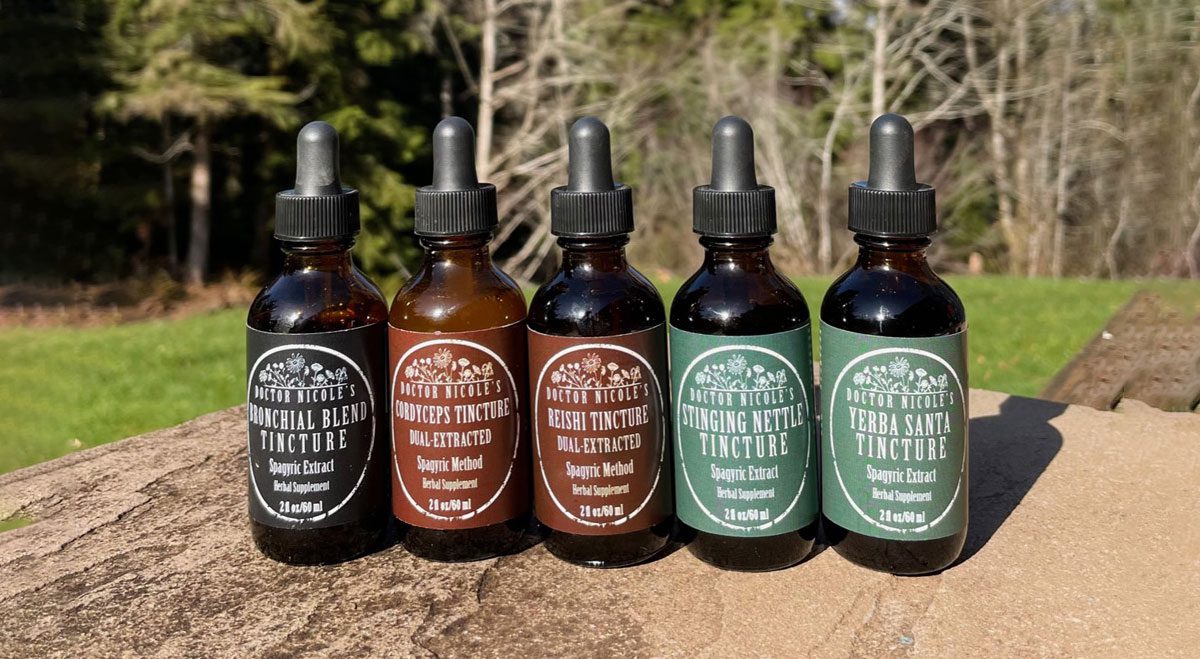
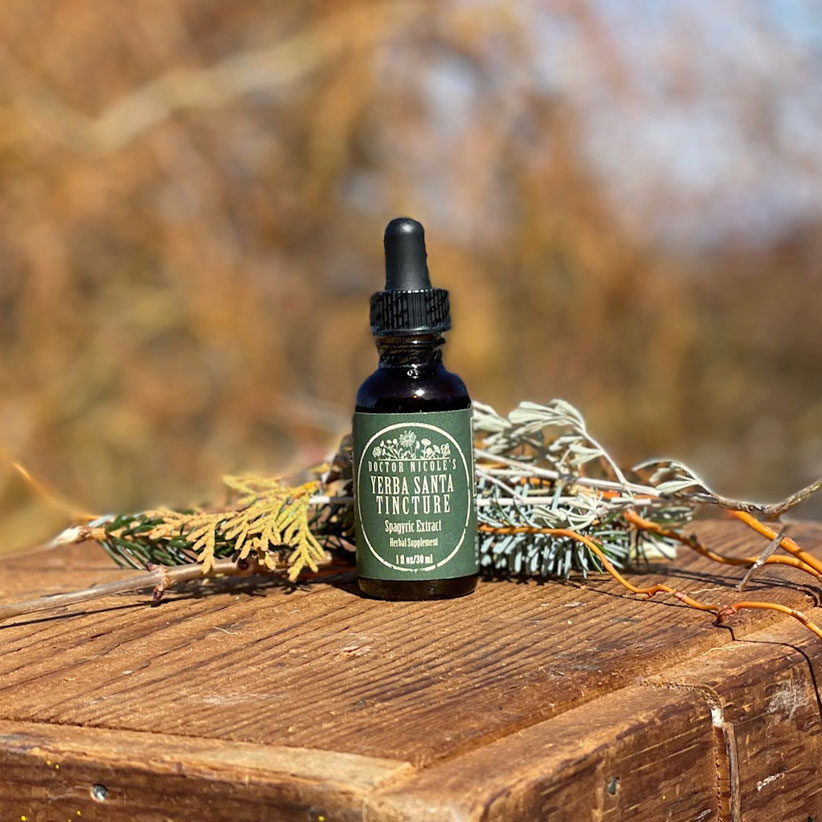
Our Lung Support Bundle contains five unique botanical extracts to soothe bronchial passages, ease nasal congestion, and cool respiratory inflammation; calm the histamine response and inhibit mast cell activation. These powerfully effective herbal tinctures for the allergy season include: dual-extracted, fruiting body reishi and cordyceps medicinal mushrooms, stinging nettle, and yerba santa.
This bundle also includes our Bronchial Blend formulation, which contains lungwort lichen and mullein leaf extracts to clear mucus from the bronchial passages, calm coughing and wheezing, ease tightness, and address inflammation in the respiratory tract.
Almost instant allergy symptom-relief. Finally!
"Dries you up fast! Almost instant allergy symptom-relief. I have bad allergies - really bad allergies. The Yerba Santa plus Stinging Nettle is the ONLY thing that has worked for me. I tried everything else but nothing else worked. I use this for symptom-relief to dry up the mucus and it WORKS! Thank you so much - I'm telling my family and friends about it too!" -Maria R.
Shop our Lung Support Bundle today and breathe easier this allergy season.
Action Steps
- Prioritize dietary balance rather than eliminating entire food groups or nutrients.
- Include fiber-rich whole foods to support a diverse, thriving gut microbiome.
- Add fermented foods to help maintain healthy levels of beneficial bacteria.
- Maintain consistent meal timing to support glucose regulation and metabolism.
- Consider an extra level of support with Nicole's Apothecary Balanced Gut Blend and Liver Blend.
FAQ
Does eliminating all sugar improve gut health?
Not necessarily. New research found that completely removing sucrose from a low-fat diet disrupted the gut microbiome, reducing beneficial bacteria like Lactobacillus murinus and increasing pro-inflammatory bacteria.
Can a zero-sugar or carnivore diet raise diabetes risk?
The study found that a sucrose-free diet led to impaired glucose control and reduced insulin sensitivity — both risk factors for type II diabetes — despite eliminating sugar entirely.
Is there a link between zero-sugar diets and fatty liver disease?
Yes. Researchers observed early warning signs of fatty liver disease and liver inflammation in the group following a completely sucrose-free diet.
Is balanced nutrition better than eliminating sugar completely?
According to the research, yes. Experts note that healthy eating depends on overall dietary patterns rather than eliminating a single nutrient or food group.
Nicole's Apothecary Products in this Post
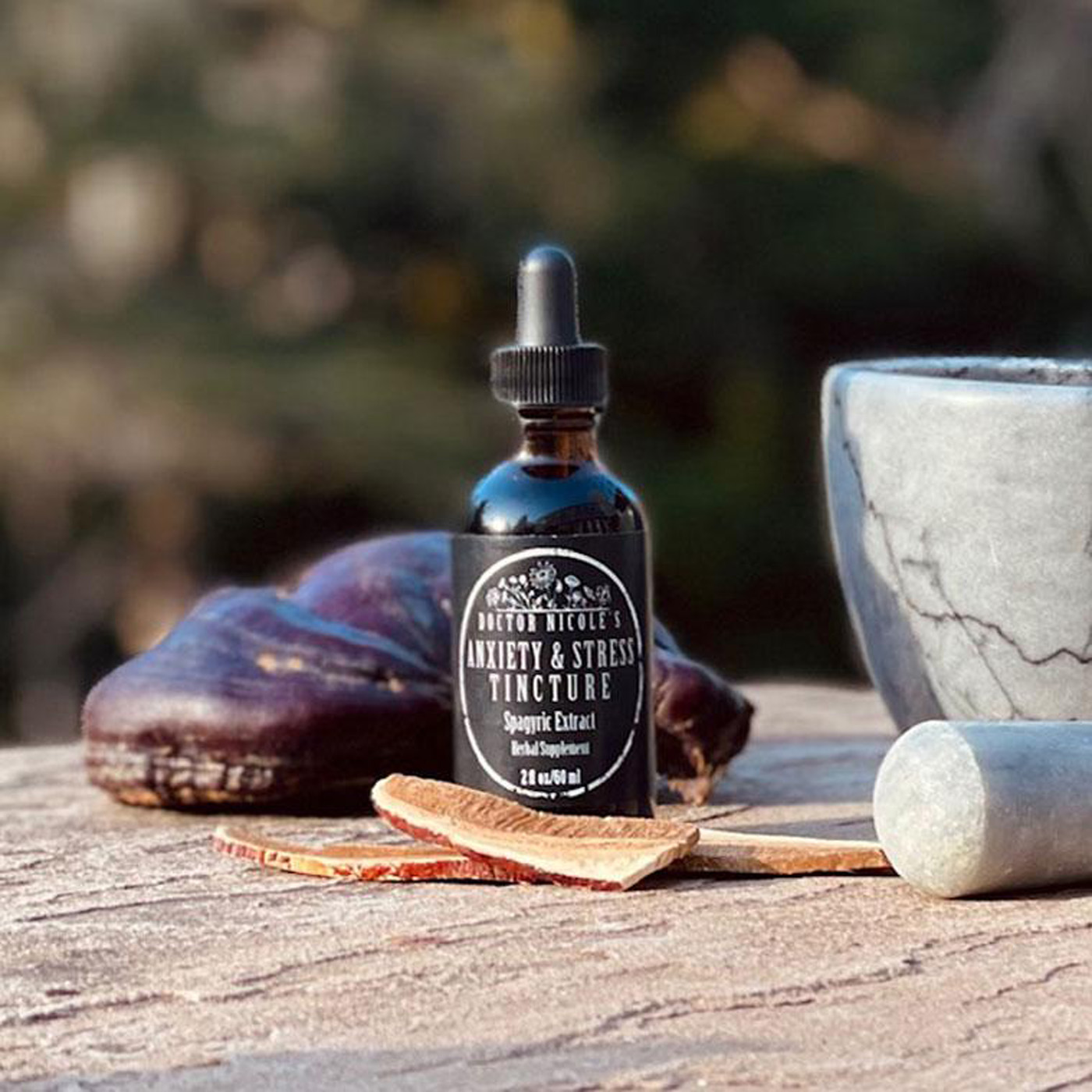
Anxiety & Stress Tincture
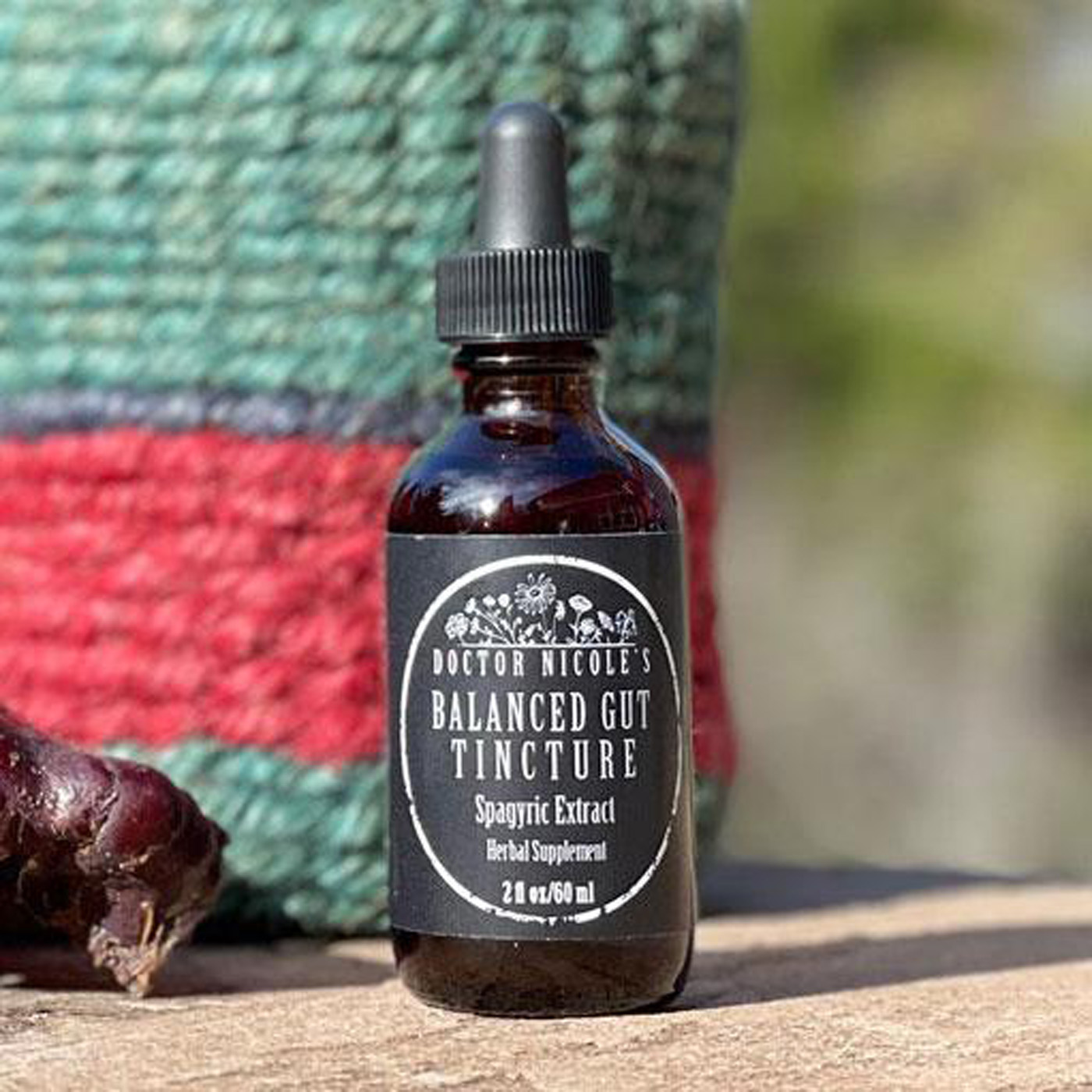
Balanced Gut Blend Tincture
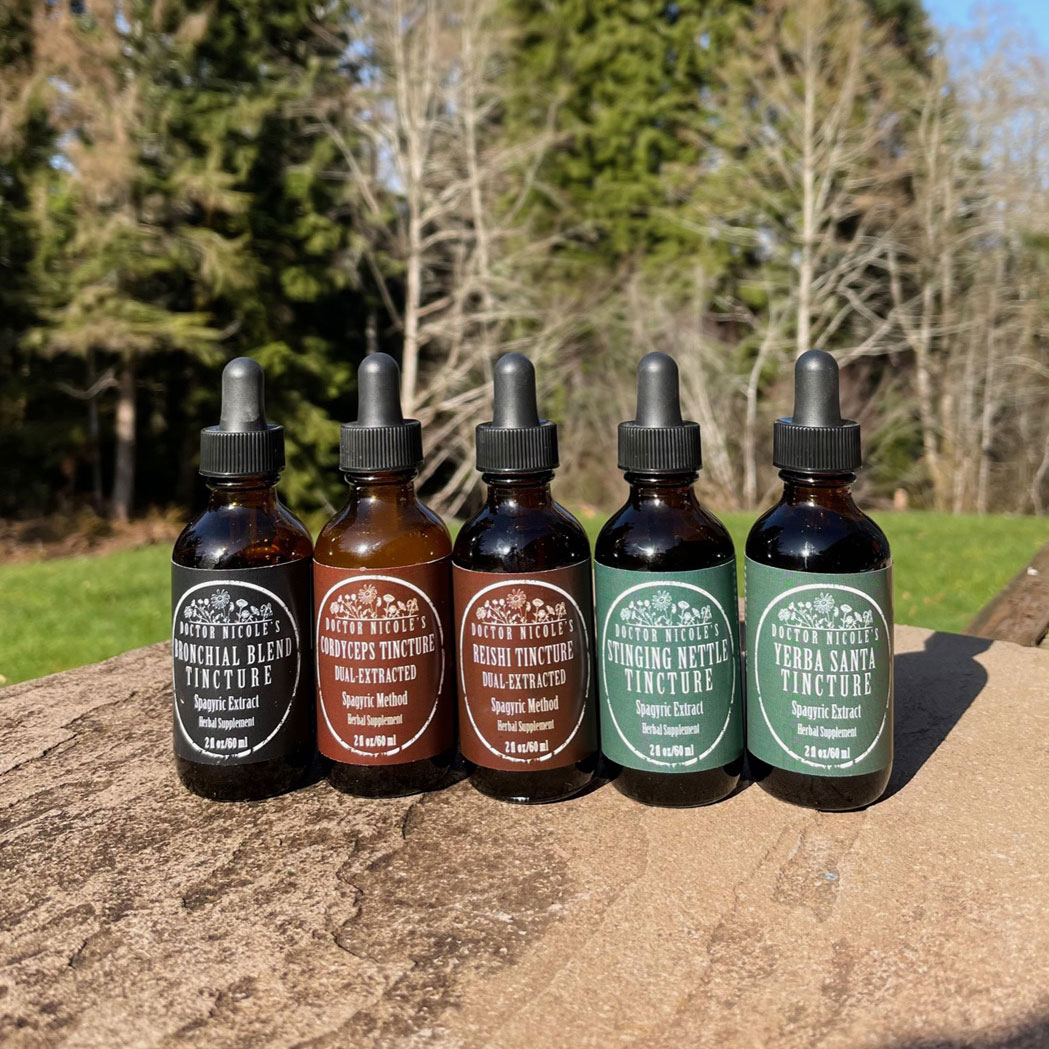
Allergy & Asthma Support Bundle
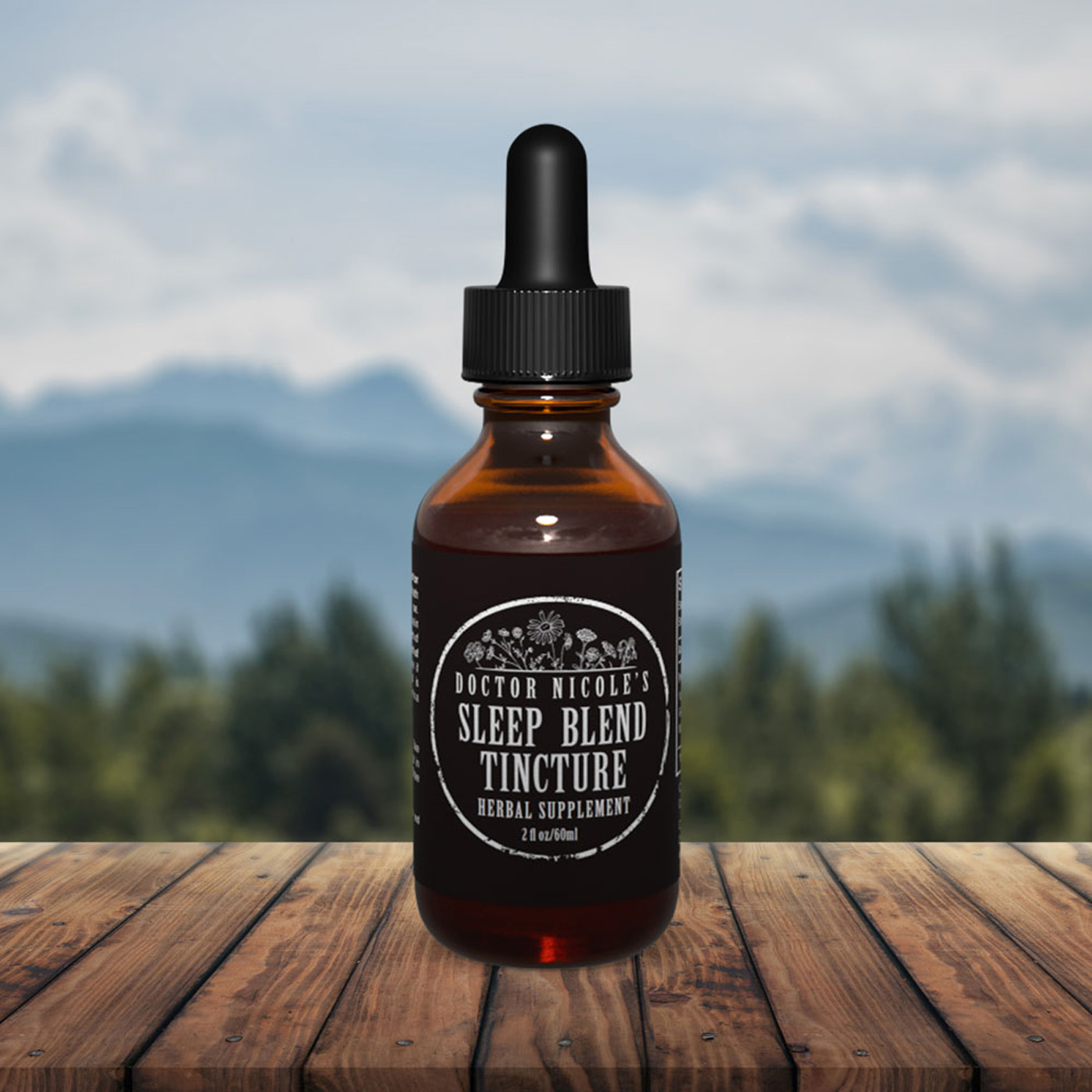
Sleep Blend Tincture
Stinging Nettle Tincture
Yerba Santa Tincture
References
- Mast cell activation symptoms are prevalent in Long-COVID
Weinstock, Leonard B. et al. International Journal of Infectious Diseases, Volume 112, 217 - 226 - Bakhshaee, Mehdi et al. “Efficacy of Supportive Therapy of Allergic Rhinitis by Stinging Nettle (Urtica dioica) root extract: a Randomized, Double-Blind, Placebo- Controlled, Clinical Trial.” Iranian journal of pharmaceutical research : IJPR vol. 16,Suppl (2017): 112-118.
- Blosa, M., Uricher, J., Nebel, S., Zahner, C., Butterweck, V., & Drewe, J. (2021). Treatment of Early Allergic and Late Inflammatory Symptoms of Allergic Rhinitis with Petasites Hybridus Leaf Extract (Ze 339): Results of a Noninterventional Observational Study in Switzerland. Pharmaceuticals, 14(3), 180. https://doi.org/10.3390/ph14030180
- Koc, Ho Cheng et al. “Long COVID and its Management.” International journal of biological sciences vol. 18,12 4768-4780. 11 Jul. 2022, doi:10.7150/ijbs.75056