
The Hidden Driver Behind Lung Disease
We've heard a lot about the gut-brain axis over the years and how the gut directly influences everything from your mood to autoimmunity and chronic inflammation. But did you know there is a strong link between the gut and your lung health? Researchers have found that your gut microbiome influences lung conditions such as asthma, cystic fibrosis, and COPD when it becomes disrupted through environmental factors, antibiotic and steroid use, along with a deficiency of short-chain fatty acids (SCFAs) in the gut.1,4 Leaky gut and the subsequent inflammation are key aspects, too. The good news is that there is a simple method to help reduce flares of these conditions and build better lung health overall. But first, let’s take a look at the gut-lung axis and its effect on the development and progression of disease.
How does the gut influence lung health?
Your gut and lungs are in constant conversation — exchanging immune signals and microbial metabolites through the bloodstream and lymphatic system in a continuous, bidirectional dialogue that shapes the health of both organs. Here's how this gut-lung axis works:
Your gut contains a kind of immune training center (called gut-associated lymphoid tissue, or GALT). This is where immune cells go to "school" and learn how to behave. Once trained, these cells don't stay in the gut — they travel through the bloodstream and arrive at the lungs. Once trained in the gut, these immune cells carry their programming to the lungs — either signaling a state of calm and tolerance, or sounding the alarm and triggering an inflammatory response when a threat is perceived.1,3 In many ways, it mirrors what happens in autoimmune conditions — the immune system, trained to protect, becomes the very source of the damage.
In short, if your gut and microbiome are healthy and balanced, immune cells keep the lungs in a state of calm. But if you have leaky gut and/or microbiome dysbiosis, immune cells will be primed to overreact and attack, contributing to inflammation, tissue damage, and conditions like COPD, asthma, and more.
Complicating the situation is the frequent use of antibiotics and steroids in these lung conditions, which in turn creates a problematic cycle of microbiome imbalance, inflammation, and subsequent flares. However, researchers have found an effective method that can help to improve outcomes: your food choices.

The Power of Diet
What you eat plays a powerful role in the severity of lung disease — and may even prevent it altogether. The focus is on reducing oxidative stress and inflammation, while boosting the production of anti-inflammatory SCFAs and beneficial bacteria in the gut. Key recommendations include:
- Deep-sea fish rich in omega-3 fatty acids, such as wild-caught salmon, sardines, mackerel
- Plenty of fruit and vegetables for flavonoids and antioxidants — especially crucial are those that are rich in vitamins A, C, D, and E. Supplementation may be warranted if enough of these nutrients aren't consumed through diet alone.
- An abundance of prebiotic and probiotic foods (see this post for dietary sources)
- Boosting fiber intake to encourage SCFAs production
Researchers stress that eating enough fiber is crucial because "short-chain fatty acids produced by the fermentation of dietary fiber connect the microbial communities in the lungs and intestinal mucosa through the gut-lung axis and exert anti-inflammatory and immunosuppressive effects in the lungs."1
Moreover, some studies have found that probiotics, prebiotics, or yogurt are associated with a lower incidence of COPD and may prevent the disease altogether.2
It's not only diet that can help to ease the symptoms and underlying causes of lung disease. When paired with specific herbal remedies, you have a powerfully effective, all-natural approach to addressing these conditions — without the drawbacks of antibiotics and steroids.
Targeted Herbal Support
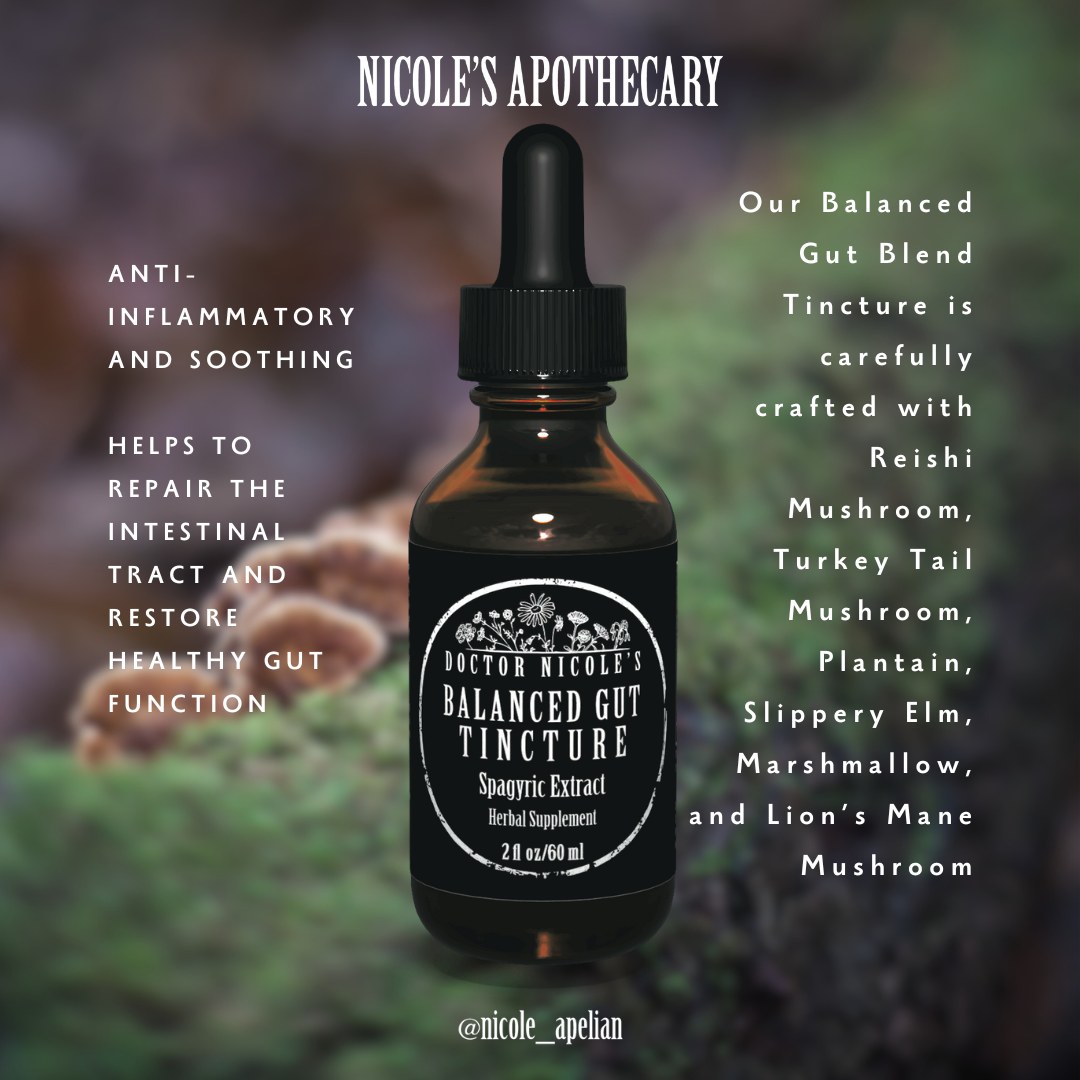
The evidence is clear — restoring gut health is the foundation of any serious approach to lung support by addressing the microbiome dysbiosis, intestinal permeability, and chronic inflammation that drive dysfunction in both organs. My top herbs for this purpose include turkey tail, reishi, and lion's mane medicinal mushrooms, along with slippery elm and marshmallow. Each is found in our convenient Balanced Gut Blend.
Turkey Tail → Microbiome Support
Helps nourish beneficial gut bacteria and supports a healthy digestive ecosystem.
Reishi → Inflammatory Balance
Supports immune balance and helps calm inflammatory responses in the gut.
Slippery Elm & Marshmallow → Gut Lining Support
Soothing, demulcent herbs that help protect and calm the intestinal lining.
Lion’s Mane → Gut–Brain Connection
Supports communication between the gut and nervous system for long-term digestive resilience.
PROFOUND IMPROVEMENT IN GUT ISSUES
"[This Balanced Gut Blend] has such a profound effect on my gut issues that I've been dealing with since I was a teenager and I'm 33 years old now. I've never had such instant, yet discreet, relief for an issue no doctor had been able to even begin to help. I'm 100% hooked on this tincture because it works that well!!" -Ciera
Next is our Bronchial Blend with lungwort lichen and mullein.
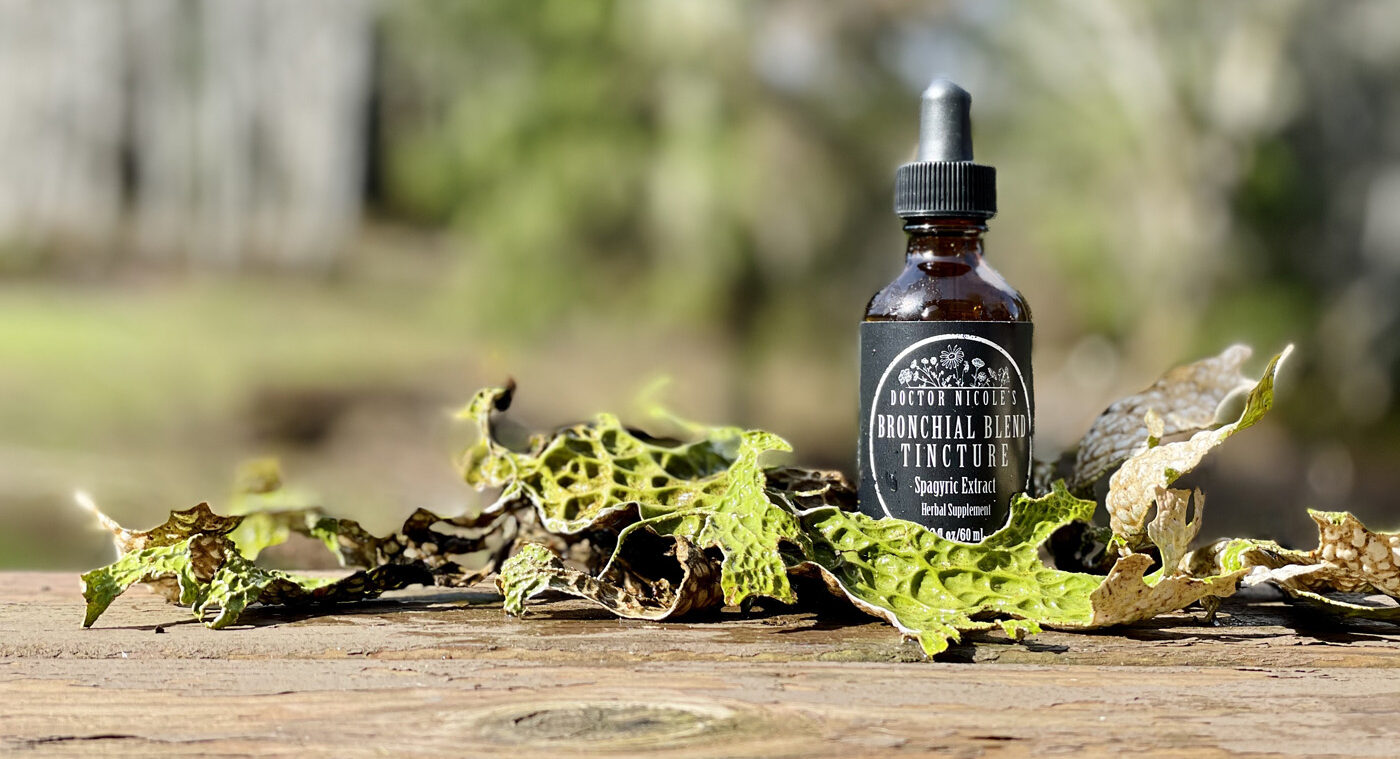
LUNGWORT LICHEN
- Soothes respiratory inflammation
- Helps clear the lungs of congestion
- Helps alleviate cold, flu, and bronchial symptoms
- High in antioxidants
- Known to be helpful against staphylococcus, pneumonia, and salmonella
MULLEIN
- Promotes the clearing of mucus and helps lessen mucus formation
- Helps soothe tightness of breathing
- Helps calm coughing and wheezing
- Encourages expulsion of phlegm
- Assists with bronchial and severe respiratory illness symptoms
YOUR BRONCHIAL BLEND HAS IMPROVED MY COPD/ASTHMA AFTER ONLY 3 WEEKS
“For my asthma I have decreased my nebulizer treatment to 2 times daily and I was taking them 3 times a day with an occasional need for my rescue inhaler. Breathing more freely now. Not wheezing much at all. Thank you Dr Nicole for this Bronchial Blend." -Dianne S.
For a clinically-informed approach in comprehensive gut and lung health, we believe there is no better option than our Balanced Gut Blend and Bronchial Blend. Both are formulated with time-tested, research-backed herbs that target inflammation, microbial imbalance, and tissue repair at every level of the gut-lung axis.
Heal your gut, support your lungs. Shop both blends now.
Nicole Apelian
Actions Steps & FAQs
Action Steps
- Prioritize dietary balance rather than eliminating entire food groups or nutrients.
- Include fiber-rich whole foods to support a diverse, thriving gut microbiome.
- Add fermented foods to help maintain healthy levels of beneficial bacteria.
- Maintain consistent meal timing to support glucose regulation and metabolism.
- Consider an extra level of support with Nicole's Apothecary Balanced Gut Blend and Liver Blend.
FAQ
Does eliminating all sugar improve gut health?
Not necessarily. New research found that completely removing sucrose from a low-fat diet disrupted the gut microbiome, reducing beneficial bacteria like Lactobacillus murinus and increasing pro-inflammatory bacteria.
Can a zero-sugar or carnivore diet raise diabetes risk?
The study found that a sucrose-free diet led to impaired glucose control and reduced insulin sensitivity — both risk factors for type II diabetes — despite eliminating sugar entirely.
Is there a link between zero-sugar diets and fatty liver disease?
Yes. Researchers observed early warning signs of fatty liver disease and liver inflammation in the group following a completely sucrose-free diet.
Is balanced nutrition better than eliminating sugar completely?
According to the research, yes. Experts note that healthy eating depends on overall dietary patterns rather than eliminating a single nutrient or food group.
Nicole's Apothecary Products in this Post
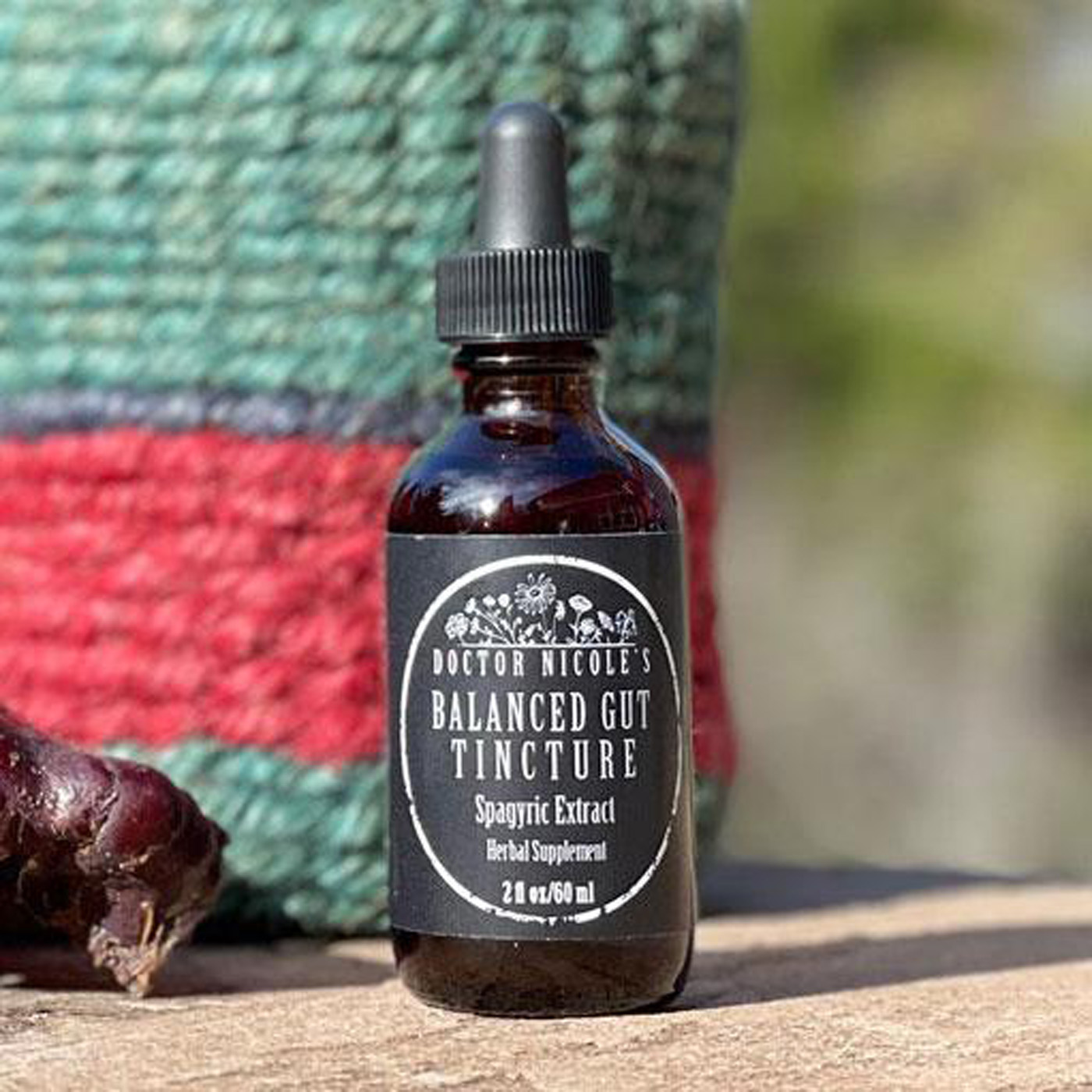
Balanced Gut Blend Tincture
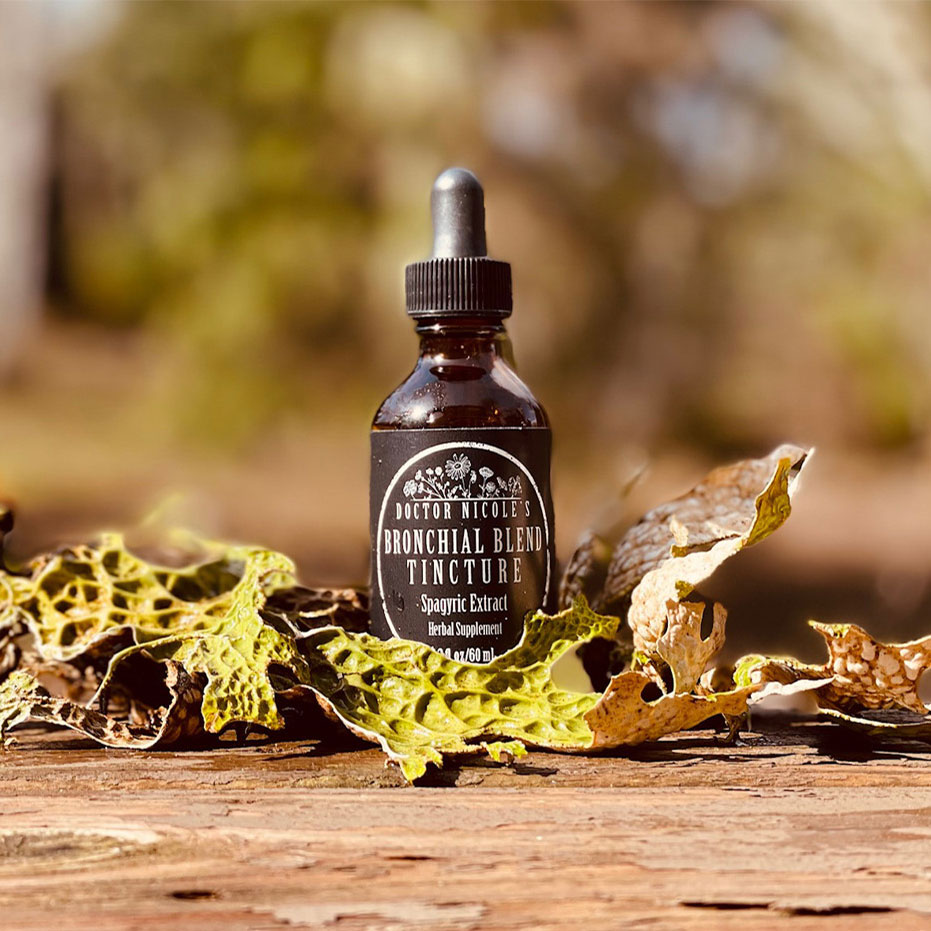
Bronchial Blend Tincture
References
- Wang Y, Li X and Gao F (2025) Chronic obstructive pulmonary disease: in-depth analysis of microbiota association and innovative prevention and treatment approaches from the gut-lung axis perspective. Front. Immunol. 16:1549865. doi: 10.3389/fimmu.2025.1549865
- HongYLuoT. The potential protective effects of probiotics, prebiotics, or yogurt on chronic obstructive pulmonary disease: Results from NHANES 2007-2012. Food Sci Nutr. (2024) 12:7233–41. doi: 10.1002/fsn3.4332
- Niu N, Zhao J, Li H, Miao Y, Chen F, Liu J, Cao L, Ji T, Gao F, Xie S, Zhang Y. The Impact of Gut Microbiota on Chronic Obstructive Pulmonary Disease: A Dual-Sample Mendelian Randomization Study. Int J Chron Obstruct Pulmon Dis. 2025;20:1983-1993. https://doi.org/10.2147/COPD.S511383
- Wei Song, Yuanyi Yue, Qiang Zhang, Imbalance of gut microbiota is involved in the development of chronic obstructive pulmonary disease: A review, Biomedicine & Pharmacotherapy, Volume 165, 2023. https://doi.org/10.1016/j.biopha.2023.115150.