

Article at a Glance
- Researchers define a cognitive “SuperAger” as a person who is 80 or older who still has the cognitive function of someone in their 50s or 60s.
- Dr. Norman Swan notes in his book, “The Brain Cliff: Unlocking the secrets of becoming a cognitive super-ager,” that there are three lifestyle habits that can help to preserve brain health: stop worrying, let your mind wander, and don’t retire.[3]
- Herbal support for brain health includes Nicole’s Apothecary Brain Bundle containing cordyceps, reishi, and lion’s mane medical mushroom extracts, plus lemon balm, developed by Nicole Apelian, PhD and available at NicolesApothecary.com.
Habits That Support Cognitive Health as You Age
Why is it that some people seem to age well with sharp, clear minds, while others struggle with brain fog, memory issues, and even dementia? Researchers were determined to find out — and their findings on how to become a cognitive "SuperAger" may surprise you. Here we will explore what makes someone cognitively resilient over the years and how you too can adopt their habits to protect your brain power as you age.
What is a cognitive SuperAger?
A person who is 80 or older who still has the cognitive function of someone in their 50s or 60s is considered a cognitive SuperAger. Researchers note they are extremely rare.
SuperAgers also have brains that are structurally different from the average person. It appears that their brains tend to shrink at a slower rate compared to the brains of people in their same age group. Typically, our brains are the biggest in our 30s and 40s; then volume loss begins around age 50. An adult aged 80 or older with normal cognitive function will typically lose an average of 2.24% of brain volume per year. Compare this with a SuperAger: this subgroup only loses an average of 1.06%. Their cortex tends to be thicker as well — this is the area of the brain that is involved with memory, reasoning, problem-solving, decision-making, and social behavior. SuperAgers also have many times more von Economo neurons, which researchers believe are related to social intelligence and skills.[ 1 ]
While these biological characteristics seem to indicate a strong genetic component, the truth is that researchers simply don't know if the physical attributes of a SuperAger brain are solely the result of winning the genetic jackpot or if there are other factors involved, such as lifestyle and/or environmental factors. However, Dr. Norman Swan believes he has found the key, which he explores in his book, "The Brain Cliff: Unlocking the Secrets of Becoming a Cognitive Super-Ager".[ 3 ]
Three Steps to Becoming a SuperAger: Don't Retire, Stop Worrying, and Let Your Mind Wander
Swan is clear that we should view the aging brain as cognitive change, not cognitive decline. Your brain will not be the same as when you were in your 20s, but this shouldn't be considered a deterioration. Instead, our brains have simply changed into what he calls "crystallized intelligence", which becomes better with age. This is the realm of wisdom based on knowledge and experience. Our brains also undergo "brain scaffolding", a process where the brain builds out networks of nerves that function similarly to the scaffolding within a building. These networks move throughout the brain, but then become more concentrated in the prefrontal cortex as we age, an area of the brain involved with judgment, decision-making, and emotional control. The better these brain scaffolding networks are built out, the better your brain ages through the years.
Better Brain Health, Naturally
Cordyceps, Lion's Mane, Reishi + Lemon Balm
Gold Standard • Dual-Extracted • Fruiting Body

After studying a diverse group of SuperAgers, he found that all of them protected this scaffolding in multiple ways:
"One example is how they respond to stress. They get over it. They problem-solve. They don’t ruminate. And where do you think we ruminate? Yes, in our prefrontal cortex. So you’re occupying valuable brain space for cognitive function with unproductive circular thoughts. As we move through life, the prefrontal cortex becomes more and more important and anything that distracts or damages it potentially brings the brain cliff closer. Depression affects the prefrontal cortex [too]."[ 2 ]
He also recommends letting your mind wander. Why? Because this default mode network activity helps build brain scaffolding, it triggers communication between parts of the brain that don't normally talk to one another. Mental time traveling is one way to do it by reliving the past and imagining the future. Being in the present moment triggers this type of brain communication as well.
And there's more good news. Dr. Swan’s research shows that genes actually don't play much of a role in becoming a cognitive SuperAger — instead, the environment and how we live are extremely important.
Being solution-focused, instead of stressed. Not ruminating. Don't retire — according to Swan, there is strong evidence it's terrible for your brain. He also suggests paying attention to your diet (more leafy greens, berries, and cultured foods, fewer cocktails, wine, and beer); get regular moderate to vigorous exercise; and learn new and complex skills.[ 4 ]
The Takeaway
I think it's safe to say many of us have heard the advice to stay active, learn new skills, and stick to a healthy, Mediterranean-style diet to keep your brain and cognitive function healthy. But being solution-focused, steering clear of rumination, and avoiding retirement? These may be new, novel ideas for some. It's also encouraging to know cognitive SuperAgers aren't genetically predetermined, it has more to do with environmental factors and how we live. This is good news indeed! Time-tested herbal remedies can not only help to support healthy cognitive function, but also tame the neuroinflammation at the root of brain fog, calm the nervous system so you stress less, and build real resilience to the modern pressures of life.
Nicole Apelian
Actions Steps & FAQs
Action Steps
- Revamp your diet. Studies have shown a green Mediterranean diet helps to protect against oxidative stress and inflammation, two key drivers of cognitive decline.
- Get moving. A combination of strength and aerobic exercise at least three times a week helps to encourage cognitive health. Short on time? Have a look at HIIT.
- Write by hand, instead of typing. Studies have found that cursive writing greatly enhances memory and retention of information.
- Take up a new hobby. Even better, forge new social friendships by taking a class on a new skill, hobby, or craft.
- Stress less. Rewire your brain to stress less and focus on solutions more through cognitive behavioral therapy, gratitude practices, and Nature Rx.
- Utilize herbal remedies. Cordyceps, lion's mane, reishi, and lemon balm have research-backed benefits to support brain function and health, calm stress, address fatigue, and boost energy. See Nicole's Apothecary Brain Bundle.
FAQ
What is a cognitive SuperAger?
Researchers define a SuperAger as a person who is 80 or older that still has the cognitive function of someone in their 50s or 60s. They are extremely rare.
Are there specific habits to encourage cognitive health as you age?
Yes. Lowering stress, not ruminating, and avoiding retirement are key to maintaining cognitive health as you age. Regular moderate to vigorous exercise and learning new and complex skills are also recommended.[4]
Is there an ideal diet for brain health?
Eating more leafy greens, berries, and cultured foods, while minimizing alcoholic drinks is helpful for maintaining brain health.
What herbs support cognitive and brain health?
Cordyceps, lion's mane, reishi, and lemon balm have research-backed benefits to support brain function and health, calm stress, address fatigue, and boost energy. All are included in Nicole's Apothecary Brain Bundle.
Nicole's Apothecary Products in this Post
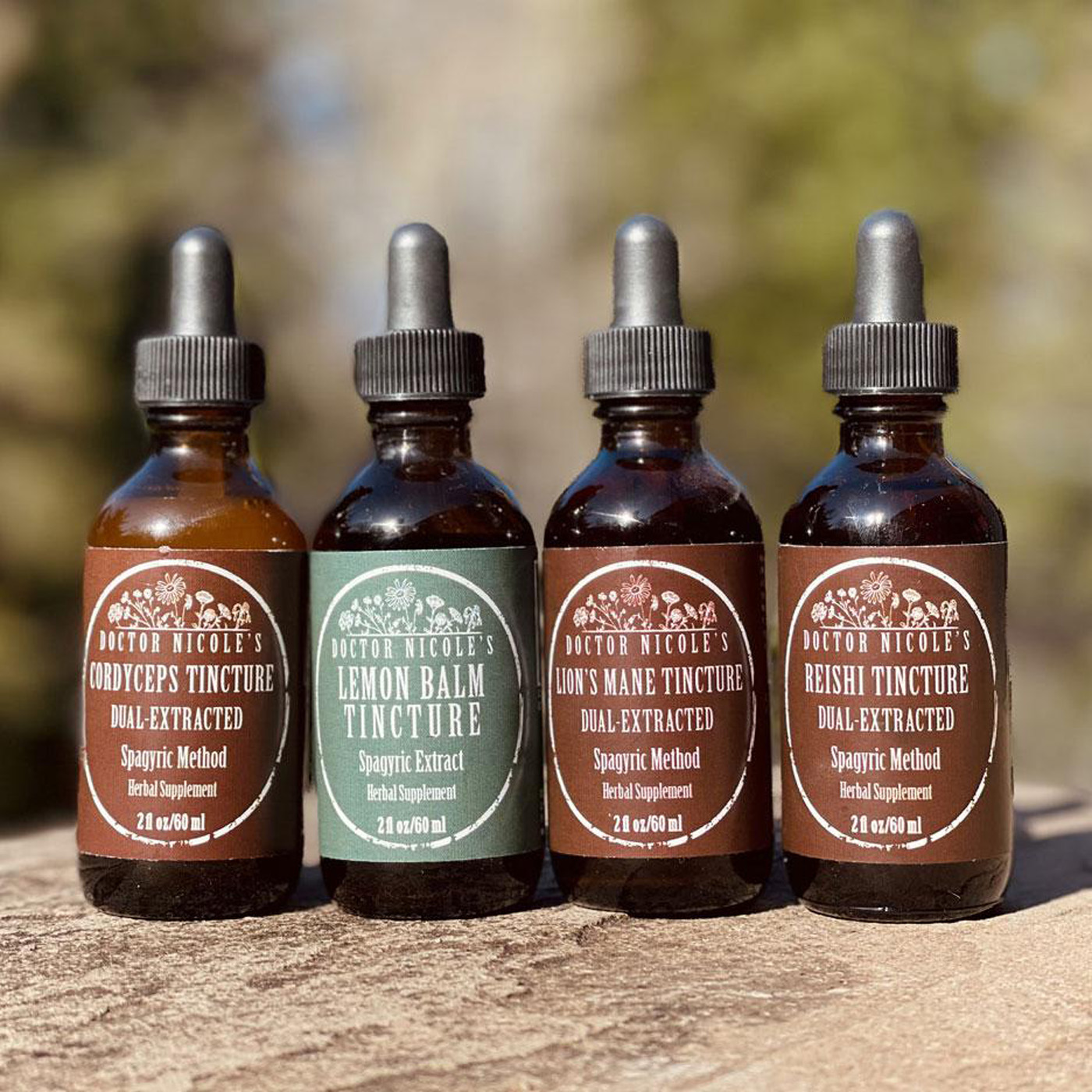
Brain Bundle
References
- "What We Can Learn from SuperAgers" by Emily J. Rogalski, PhD, BottomLineInc, March 1, 2024. https://www.bottomlineinc.com/health/aging/what-we-can-learn-from-superagers/
- "Let your mind wander, don’t retire and stop worrying: surprising ways to help save your brain from the cognitive cliff", The Guardian, September 6, 2026. https://www.theguardian.com/lifeandstyle/2026/sep/07/dr-norman-swan-new-book-science-of-ageing-cognitive-decline
- The Brain Cliff: Unlocking the secrets of becoming a cognitive super-ager by Dr. Norman Swan, Hachette Australia, August 25, 2026. https://www.hachette.com.au/dr-norman-swan/the-brain-cliff
- Park, Denise C et al. “The impact of sustained engagement on cognitive function in older adults: the Synapse Project.” Psychological science vol. 25,1 (2014): 103-12. doi:10.1177/0956797613499592. https://pmc.ncbi.nlm.nih.gov/articles/PMC4154531/