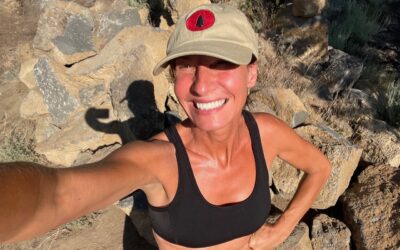

The Power of Small, Simple Shifts
Taking care of your health and shedding those extra pounds doesn’t have to mean overhauling your entire life. Sometimes the most beneficial practices come from small shifts in your everyday choices. In this post, we will explore a handful of simple, science-backed habits that can boost your energy, health, and weight loss efforts without adding stress or complexity to your routine. Let’s begin!
Learn How to Cook
Studies have shown a distinct connection between lack of cooking skills and a heightened risk of excess weight.1 If you tend to opt for convenience food over home-cooked meals, there is a good chance the result will be found in your waistline. Since processed foods are often high in salt, sugar, and unhealthy fats, while being calorie-dense with very little fiber or nutrients, they are highly palatable and addictive, which in turn can pack on the pounds.6
If you have never learned how to cook or don’t enjoy it, I encourage you to dive into your favorite cooking show or magazine that highlights healthy meals, as it will give you a spark of inspiration for making your own meals. You can also enroll in an online or in-person cooking class to polish your skills and gain confidence. Better yet, join forces with friends or family for a bulk cooking session that’s not only fun and social, but can take care of your meals for a week at a time. The right tools are also essential to make cooking a breeze. If you’re curious about my favorite non-toxic, non-stick cookware that’s high-performance, tap here.

Boost Your Protein Intake
Another tip for slimming down without dieting is to increase your daily consumption of protein. It’s a simple way to improve resting energy expenditure and feel full longer without added calories.3 A sense of satiety also helps you to steer clear of overeating and snacking on unhealthy foods.
Eat More Fiber
When you eat a diet rich in fiber-rich foods, such as whole grains, legumes, fruits, and vegetables, it slows down digestion, boosts fullness, improves gut health, and cuts down on calories. The feeling of satiety that comes from a whole foods diet also helps to reduce cravings and binge eating.4,5
Tame Stress
When you are under chronic stress, it can disrupt your hormonal system and release cortisol, which leads to cravings, increased appetite, and weight gain — particularly in the abdominal area.7 If you would like to drop those excess pounds, it’s crucial to reduce stress in your life. This can include practicing yoga, curbing your caffeine habit, breathing exercises, and spending time in nature. I also recommend our Anxiety & Stress Blend — it’s formulated with potent extracts of adaptogenic and calming herbs that help to soothe the stress response.

Get Better Sleep
If your sleep is disrupted — or you aren’t getting at least seven hours of quality rest each night, it can cause weight gain due to hormonal disruption.8 Avoiding blue light from devices in the evening, adopting a relaxing bedtime routine, and herbal remedies like our Sleep Blend can help you to get deep, rejuvenating rest so that you can maintain a healthy weight.
Tend to Your Gut
Interestingly, the health of your gut microbiome is directly tied to metabolism and weight management. Your gut bacteria influence weight by their involvement in energy extraction from the food you eat, regulating hormones associated with appetite and satiety, and impacting inflammation through the gut-brain axis.9 This is why it’s important to “fertilize your gut” through prebiotic, probiotic, and fiber-rich foods to promote beneficial gut bacteria. For targeted support, see our Balanced Gut Blend.

The Takeaway
Small daily habits, such as learning to cook healthy meals, boosting protein and fiber, managing stress, improving sleep, and healing your gut, can make a meaningful difference in your energy, metabolism, and weight loss efforts. If you’d like extra support along the way, visit Nicole’s Apothecary for potent, plant-based extracts formulated to help you stress less, sleep deeper, and nurture a healthy gut from the inside out.
Here’s to bright and healthy new beginnings!
Nicole Apelian
Nicole’s Apothecary Products in this Post
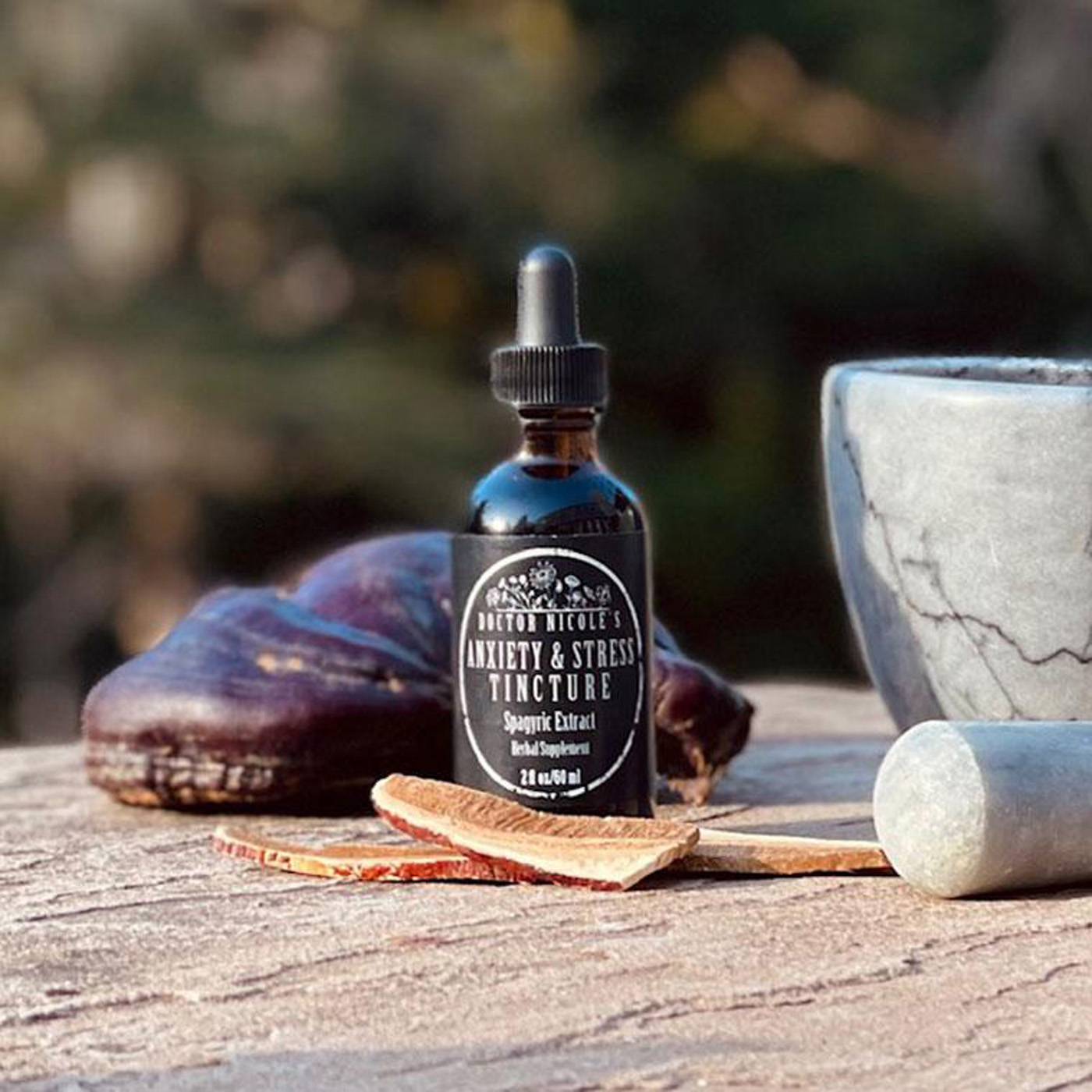
Anxiety & Stress Tincture
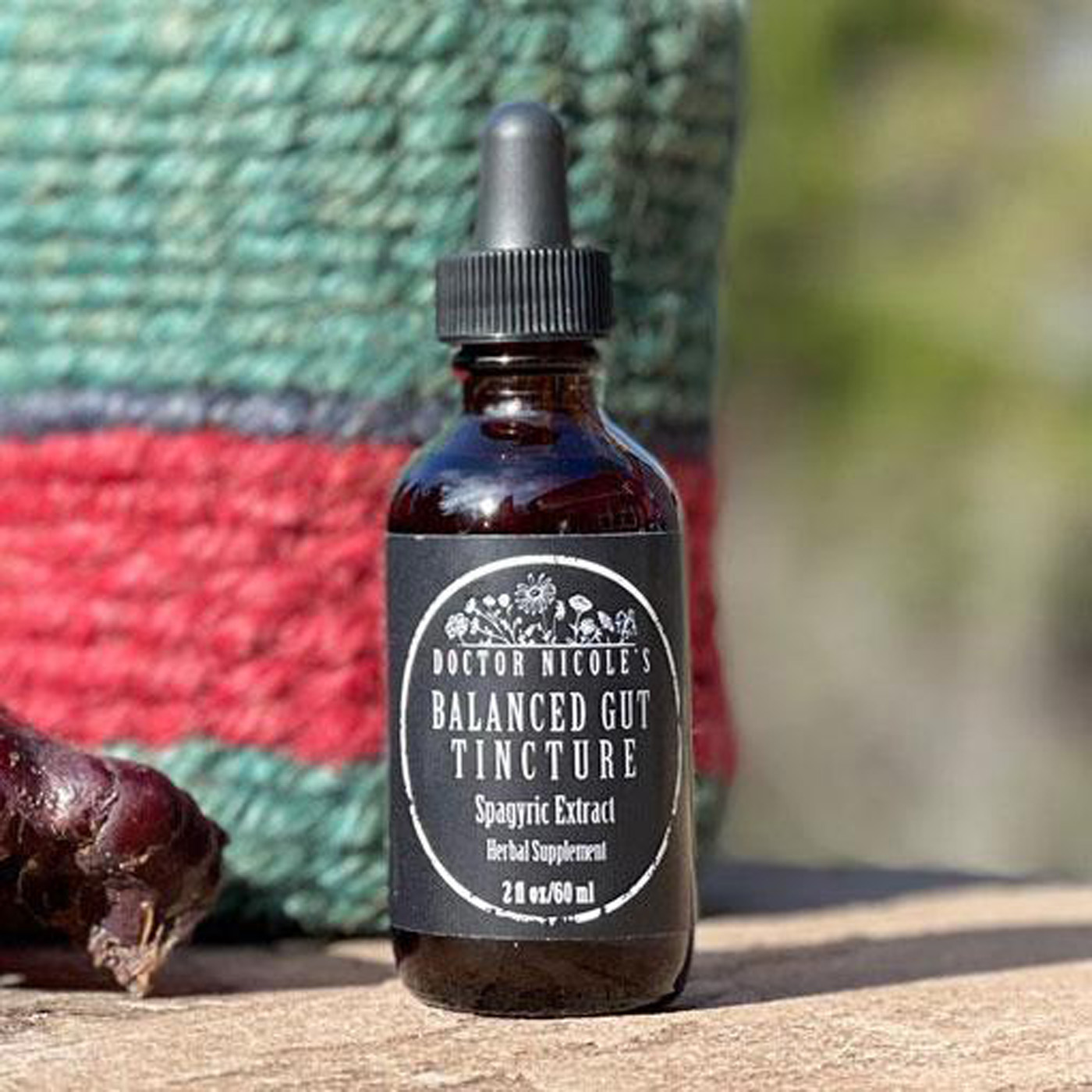
Balanced Gut Blend Tincture
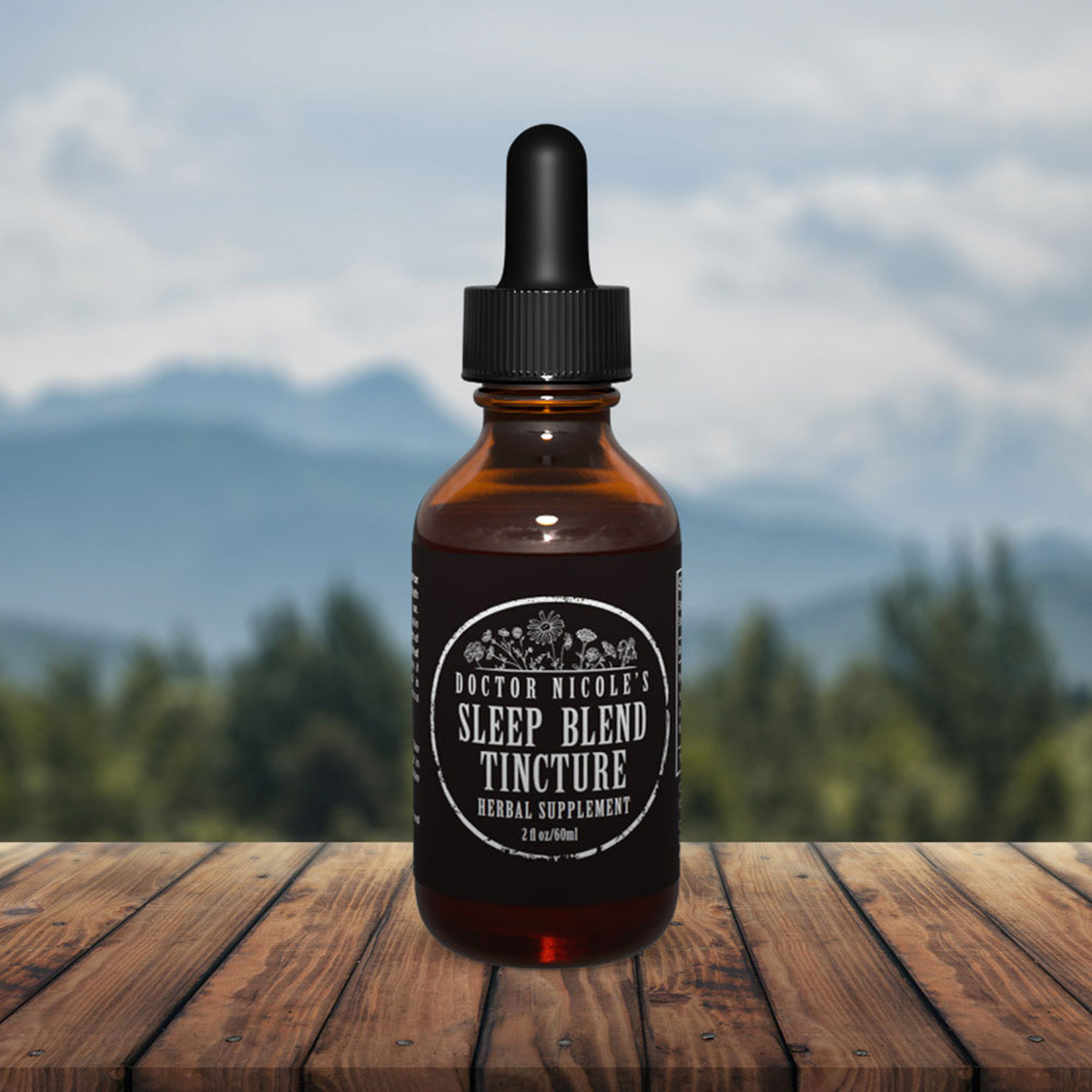
Sleep Blend Tincture
References
- da Costa Pelonha, Rafaela Nayara et al. “Low Cooking Skills Are Associated with Overweight and Obesity in Undergraduates.” Nutrients vol. 15,11 2424. 23 May. 2023, doi:10.3390/nu15112424
- “Eating highly processed foods linked to weight gain” National Institutes of Health, May 21, 2019. https://www.nih.gov/news-events/nih-research-matters/eating-highly-processed-foods-linked-weight-gain
- P. Morell, S. Fiszman,Revisiting the role of protein-induced satiation and satiety, Food Hydrocolloids, Volume 68, 2017. https://doi.org/10.1016/j.foodhyd.2016.08.003.
- Miketinas, Derek C et al. “Fiber Intake Predicts Weight Loss and Dietary Adherence in Adults Consuming Calorie-Restricted Diets: The POUNDS Lost (Preventing Overweight Using Novel Dietary Strategies) Study.” The Journal of nutrition vol. 149,10 (2019): 1742-1748. doi:10.1093/jn/nxz117
- “Fiber: The Carb That Helps You Manage Diabetes” Centers for Disease Control, May 15, 2024. https://www.cdc.gov/diabetes/healthy-eating/fiber-helps-diabetes.html
- Dicken, S.J., Jassil, F.C., Brown, A. et al. Ultraprocessed or minimally processed diets following healthy dietary guidelines on weight and cardiometabolic health: a randomized, crossover trial. Nat Med 31, 3297–3308 (2025). https://doi.org/10.1038/s41591-025-03842-0
- Mouchacca, J., Abbott, G.R. & Ball, K. Associations between psychological stress, eating, physical activity, sedentary behaviours and body weight among women: a longitudinal study. BMC Public Health 13, 828 (2013). https://doi.org/10.1186/1471-2458-13-828
- Li, Q. The association between sleep duration and excess body weight of the American adult population: a cross-sectional study of the national health and nutrition examination survey 2015–2016. BMC Public Health 21, 335 (2021). https://doi.org/10.1186/s12889-021-10369-9
- Sanmiguel, Claudia et al. “Gut Microbiome and Obesity: A Plausible Explanation for Obesity.” Current obesity reports vol. 4,2 (2015): 250-61. doi:10.1007/s13679-015-0152-0