The Unexpected Cancer Trend Affecting People in Their 20s, 30s, and 40s
A concerning trend is sweeping across the United States and around the world over the past five years: a significant uptick of early-onset cancers — particularly those of the colon. In the past, colorectal cancer was viewed as a disease typically affecting those in their 60s and 70s, with the average age around 72 in 2009. Now it's 67.1 However, physicians and researchers are also seeing an increase among people under the age of 50, especially in the 20-29 age range. It's not just colon cancer; 14 other common cancers are also on the rise in those under 50 between 2010 and 2019 — such as breast, uterine, and kidney.5 This has researchers alarmed. What could be causing such a dramatic increase?
The Rise of Early-Onset Colorectal Cancer: Causes, Symptoms, and What to Watch For
Early-Onset colorectal cancer is becoming the leading cause of cancer deaths among young adults in the United States, says Yin Cao, M.Sc., of the Washington University Siteman Cancer Center in St. Louis. She is the lead researcher of the program PROSPECT, which is investigating the causes of early-onset colorectal cancer.2 The program is global in scope because it isn't just the USA that's seeing an increase; studies have shown that almost 10% of new colorectal cancers around the world are diagnosed in those under 50.3 Researchers have also established that early-onset colorectal cancer rates have jumped in 27 out of 50 high-income western countries.5 Older adults globally are also seeing an increase in colon cancer, along with nine other cancers.1
While there is no simple answer, researchers believe a complex matrix of influences could be causing this significant increase of colon cancer in younger people as well as those who are older. Several studies point to obesity, fasting insulin levels, and heavy consumption of alcohol as key drivers.6 Others suspect microplastics in the body are the culprit, since they can compromise the integrity of the protective colonic mucus layer.7 Another study suggests the microbiome has been disrupted, which in turn increases the risk.8 A 2025 study published in the journal Nature blames the uptick on a specific toxin produced by some strains of E.coli, known as colibactin.9 Researchers think early life exposure to the bacteria and production of colibactin causes DNA mutations in the gut. Even in light of these findings, "...there’s no strong epidemiological evidence that they’re [individually] linked to early-onset cancers,” says Ulrike Peters, Ph.D., of the Fred Hutch Cancer Center.1
Could there be a genetic component involved?
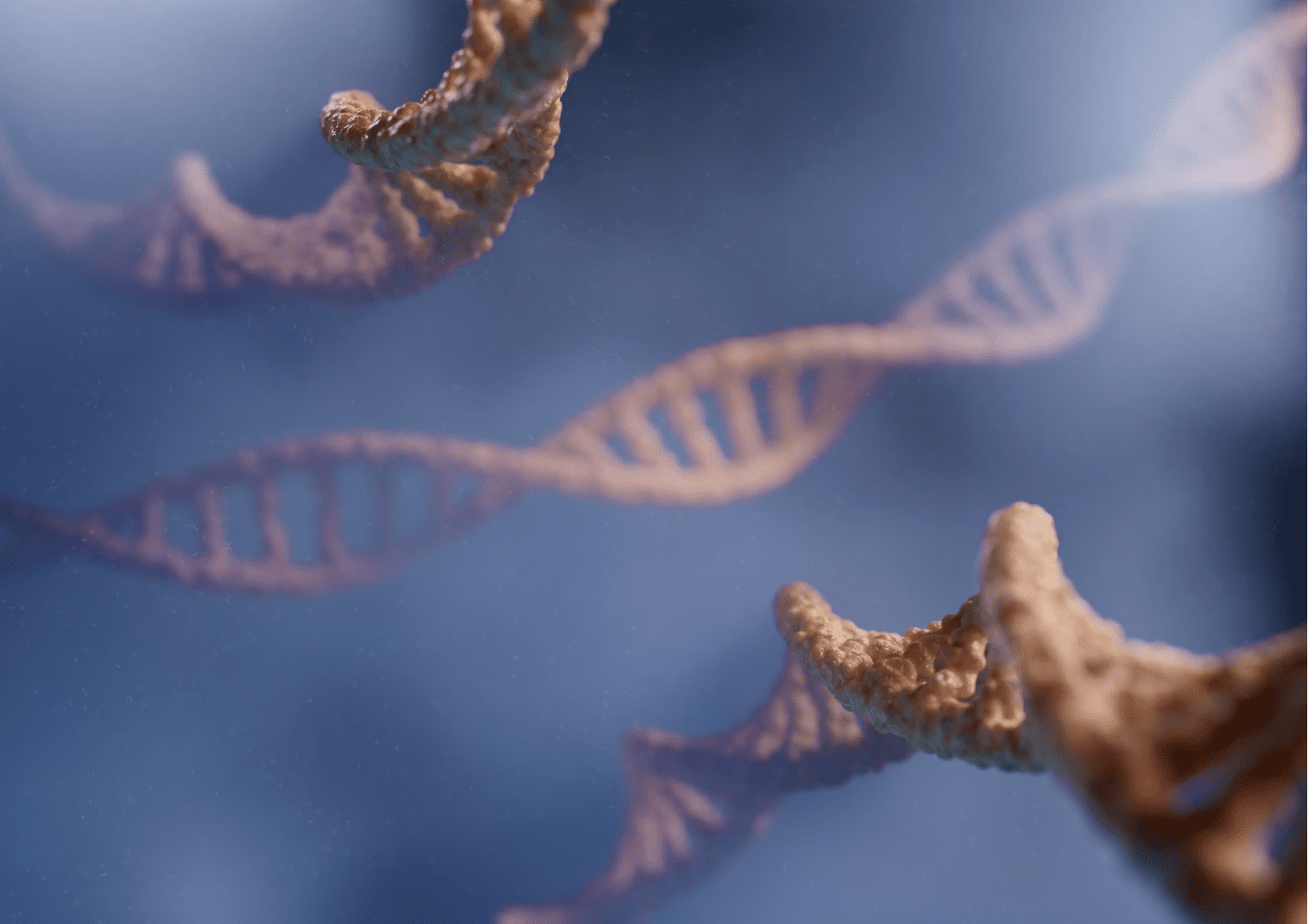
Some studies have revealed common genetic variations in tumors from individuals with early-onset colorectal cancer compared to those from older individuals. Additionally, certain genetic changes have also been associated with an increased risk of early-onset breast cancer. However, Rihab Yassin, Ph.D., of NCI’s Division of Cancer Biology says that on the whole, studies exploring a genetic connection "have been conflicting".1
While researchers are unable to provide a definitive cause, they stress the importance of raising awareness in younger adults of common signs and symptoms of the disease. A recent study revealed that rectal bleeding and abdominal pain are two of the most prominent symptoms of colorectal cancer.10 An earlier study highlighted diarrhea and iron deficiency anemia.11 Given the significance of early diagnosis for improving outcomes, physicians strongly advise younger and older adults to seek immediate medical attention if they encounter any of these symptoms.
Natural Support for Cancer Prevention
We may not have all the answers yet, and the research is still evolving — but it’s clear early-onset cancer cases are on the rise. Supporting gut health, reducing your exposure to toxins, and paying attention to unusual symptoms are key in reducing the risk.
Two herbal remedies can also help.
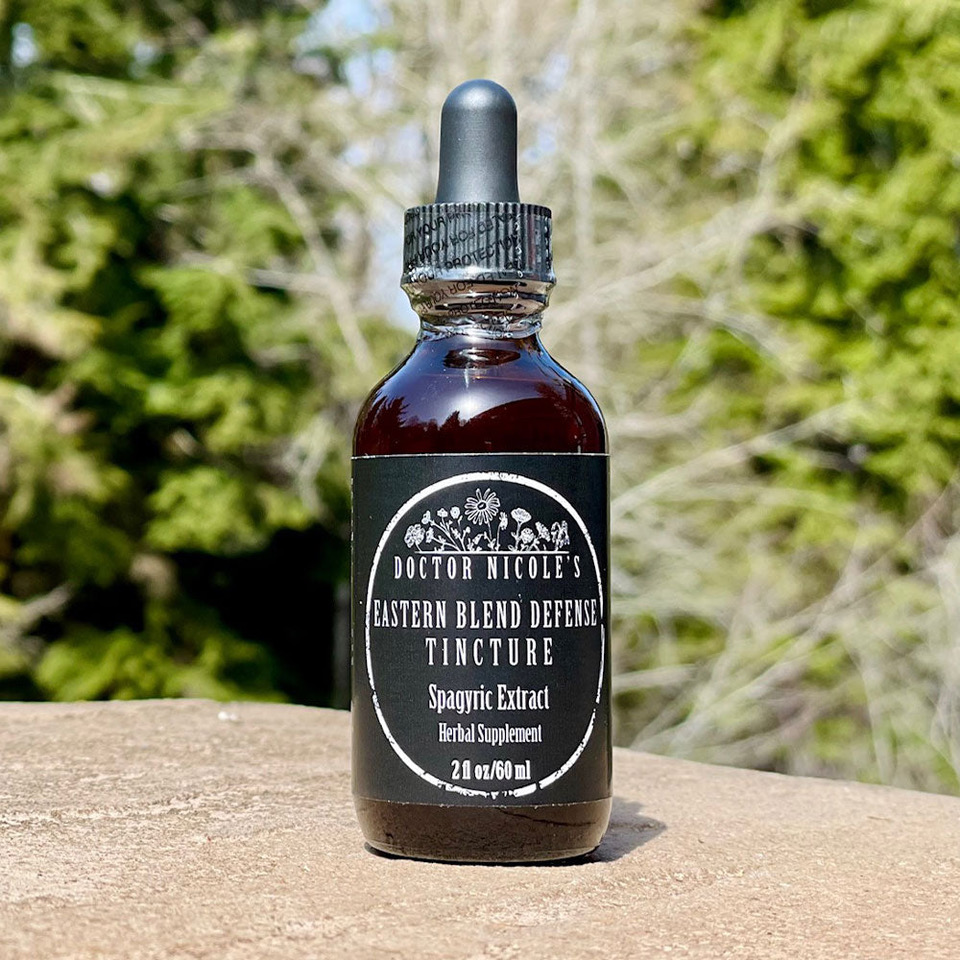
If the research on early-onset cancers has you thinking more seriously about prevention, our Eastern Blend is an outstanding choice. Chinese skullcap has been shown to encourage apoptosis (cell death) in colon, skin, prostate, and bladder cancers, while also helping to prevent the growth and spread of ovarian, breast, liver, and pancreatic cancers. Japanese knotweed's high concentration of trans-resveratrol offers powerful antioxidant protection and shows promise in inhibiting cancer development. Japanese honeysuckle helps modulate immune response and boost natural killer cell activity, while research has shown cordyceps mushroom helps to inhibit the growth of lung, colon, and liver cancer cells.
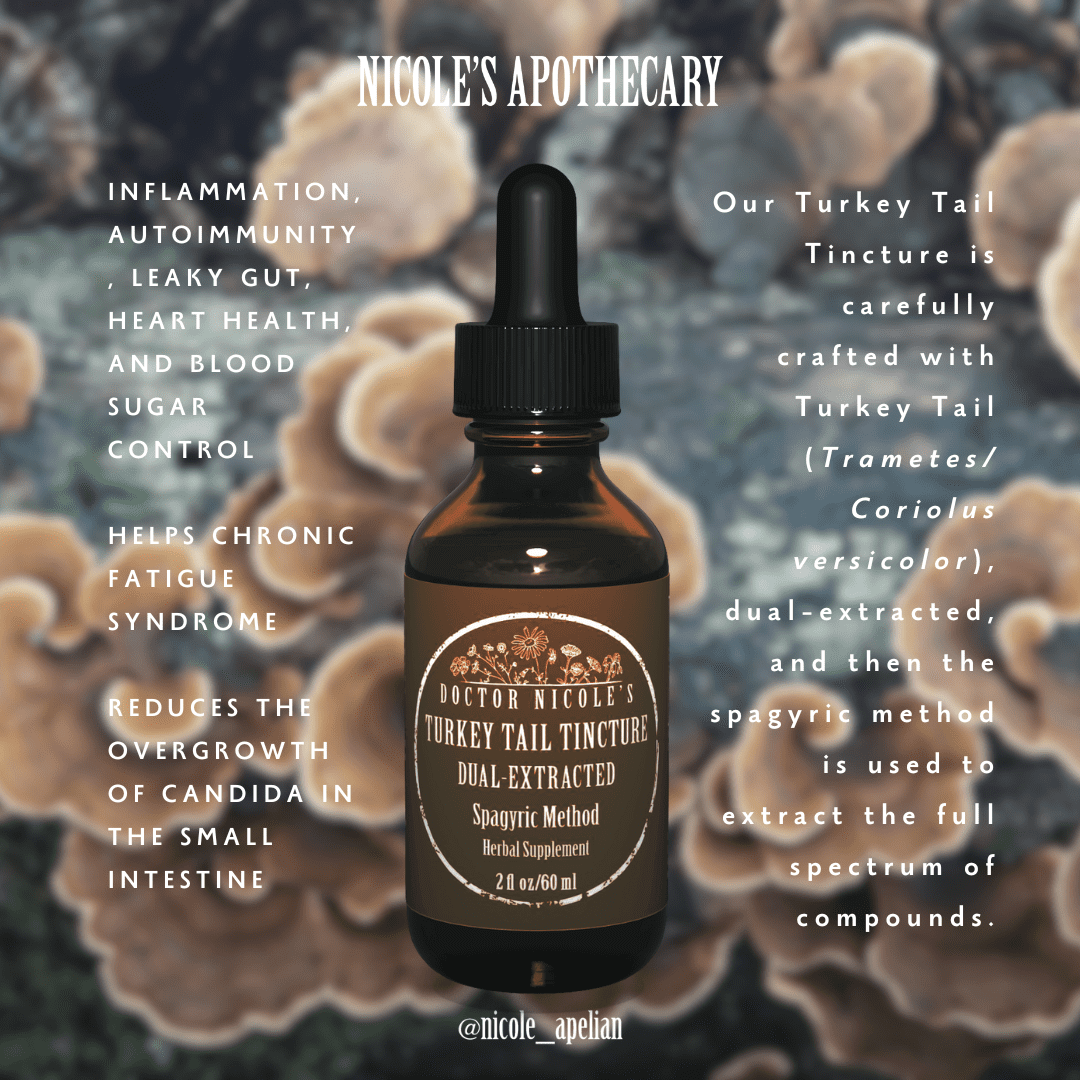
Next is Turkey Tail. Its prebiotic action feeds and restores the gut microbiome — the very terrain researchers are now identifying as central to cancer prevention — while helping address leaky gut and candida overgrowth that undermine immune function. Studies have shown turkey tail may help reduce cancer risk directly, and it has a long history of use alongside conventional cancer treatment in integrative oncology settings.
Don't wait for poor health to start supporting your body — explore our Eastern Blend and Turkey Tail tinctures today.

Actions Steps & FAQs
Action Steps
- Prioritize dietary balance rather than eliminating entire food groups or nutrients.
- Include fiber-rich whole foods to support a diverse, thriving gut microbiome.
- Add fermented foods to help maintain healthy levels of beneficial bacteria.
- Maintain consistent meal timing to support glucose regulation and metabolism.
- Consider an extra level of support with Nicole's Apothecary Balanced Gut Blend and Liver Blend.
FAQ
Does eliminating all sugar improve gut health?
Not necessarily. New research found that completely removing sucrose from a low-fat diet disrupted the gut microbiome, reducing beneficial bacteria like Lactobacillus murinus and increasing pro-inflammatory bacteria.
Can a zero-sugar or carnivore diet raise diabetes risk?
The study found that a sucrose-free diet led to impaired glucose control and reduced insulin sensitivity — both risk factors for type II diabetes — despite eliminating sugar entirely.
Is there a link between zero-sugar diets and fatty liver disease?
Yes. Researchers observed early warning signs of fatty liver disease and liver inflammation in the group following a completely sucrose-free diet.
Is balanced nutrition better than eliminating sugar completely?
According to the research, yes. Experts note that healthy eating depends on overall dietary patterns rather than eliminating a single nutrient or food group.
Nicole's Apothecary Products in this Post
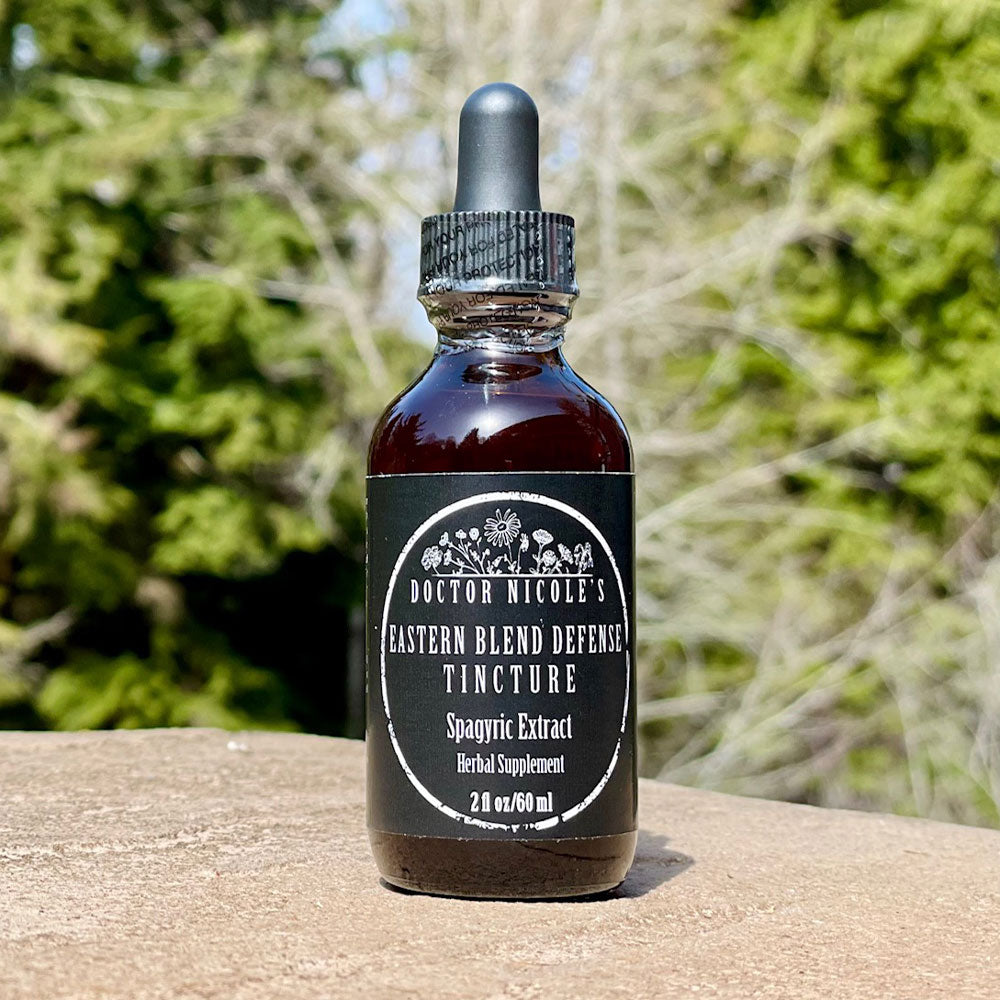
Eastern Blend Defense Tincture
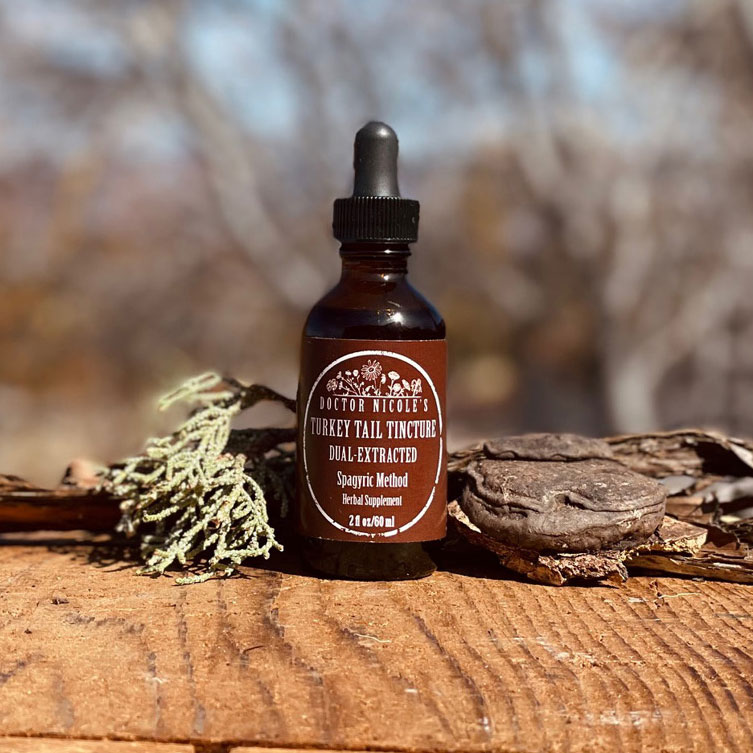
Dual-Extracted Turkey Tail Mushroom Tincture
References
- "As Rates of Some Cancers Increase in Younger People, Researchers Search for Answers" by Carmen Phillips, National Cancer Institute, May 14, 2025. https://www.cancer.gov/news-events/cancer-currents-blog/2025/early-onset-cancer-research-environment-genetics-support
- Early-onset cancer: PROSPECT. Cancer Grand Challenges. https://www.cancergrandchallenges.org/challenges/active-challenges/early-onset-cancers
- Danpanichkul P, Suparan K, Auttapracha T, Tothanarungroj P, Kongarin S, Rakwong K, Tan DJH, Sukphutanan B, Muthiah MD, Tung D, Luo J, Morishita A, Tan EY, Takahashi H, Mousa OY, Lui RN, Noureddin M, Kim D, Harnois DM, Yang JD, Roberts LR, Wallace MB, Wijarnpreecha K. Early-Onset Gastrointestinal Cancers and Metabolic Risk Factors: Global Trends From the Global Burden of Disease Study 2021. Mayo Clin Proc. 2025 Jul;100(7):1159-1171. doi: 10.1016/j.mayocp.2024.10.021. Epub 2025 Feb 11. PMID: 39945699.
- Sung H, Siegel RL, Laversanne M, Jiang C, Morgan E, Zahwe M, Cao Y, Bray F, Jemal A. Colorectal cancer incidence trends in younger versus older adults: an analysis of population-based cancer registry data. Lancet Oncol. 2025 Jan;26(1):51-63. doi: 10.1016/S1470-2045(24)00600-4. Epub 2024 Dec 12. PMID: 39674189; PMCID: PMC11695264.
- Shiels MS, Haque AT, Berrington de González A, Camargo MC, Clarke MA, Davis Lynn BC, Engels EA, Freedman ND, Gierach GL, Hofmann JN, Jones RR, Loftfield E, Sinha R, Morton LM, Chanock SJ. Trends in Cancer Incidence and Mortality Rates in Early-Onset and Older-Onset Age Groups in the United States, 2010-2019. Cancer Discov. 2025 Jul 3;15(7):1363-1376. doi: 10.1158/2159-8290.CD-24-1678. PMID: 40338148; PMCID: PMC12226221.
- Laskar RS, Qu C, Huyghe JR, Harrison T, Hayes RB, Cao Y, Campbell PT, Steinfelder R, Talukdar FR, Brenner H, Ogino S, Brendt S, Bishop DT, Buchanan DD, Chan AT, Cotterchio M, Gruber SB, Gsur A, van Guelpen B, Jenkins MA, Keku TO, Lynch BM, Le Marchand L, Martin RM, McCarthy K, Moreno V, Pearlman R, Song M, Tsilidis KK, Vodička P, Woods MO, Wu K, Hsu L, Gunter MJ, Peters U, Murphy N; Colorectal Transdisciplinary (CORECT) Study, the Colon Cancer Family Registry (CCFR), Genetics and Epidemiology of Colorectal Cancer Consortium (GECCO). Genome-wide association studies and Mendelian randomization analyses provide insights into the causes of early-onset colorectal cancer. Ann Oncol. 2024 Jun;35(6):523-536. doi: 10.1016/j.annonc.2024.02.008. Epub 2024 Feb 24. PMID: 38408508; PMCID: PMC11213623. https://www.annalsofoncology.org/article/S0923-7534(24)00058-9/fulltext
- Li S, Keenan JI, Shaw IC, Frizelle FA. Could Microplastics Be a Driver for Early Onset Colorectal Cancer? Cancers (Basel). 2023 Jun 24;15(13):3323. doi: 10.3390/cancers15133323. PMID: 37444433; PMCID: PMC10340669.
- Adnan D, Trinh JQ, Sharma D, Alsayid M, Bishehsari F. Early-onset Colon Cancer Shows a Distinct Intestinal Microbiome and a Host-Microbe Interaction. Cancer Prev Res (Phila). 2024 Jan 4;17(1):29-38. doi: 10.1158/1940-6207.CAPR-23-0091. PMID: 37967575; PMCID: PMC10842926.
- Díaz-Gay M, Dos Santos W, Moody S, Kazachkova M, Abbasi A, Steele CD, Vangara R, Senkin S, Wang J, Fitzgerald S, Bergstrom EN, Khandekar A, Otlu B, Abedi-Ardekani B, de Carvalho AC, Cattiaux T, Penha RCC, Gaborieau V, Chopard P, Carreira C, Cheema S, Latimer C, Teague JW, Mukeriya A, Zaridze D, Cox R, Albert M, Phouthavongsy L, Gallinger S, Malekzadeh R, Niavarani A, Miladinov M, Erić K, Milosavljevic S, Sangrajrang S, Curado MP, Aguiar S, Reis RM, Reis MT, Romagnolo LG, Guimarães DP, Holcatova I, Kalvach J, Vaccaro CA, Piñero TA, Świątkowska B, Lissowska J, Roszkowska-Purska K, Huertas-Salgado A, Shibata T, Shiba S, Sangkhathat S, Chitapanarux T, Roshandel G, Ashton-Prolla P, Damin DC, de Oliveira FH, Humphreys L, Lawley TD, Perdomo S, Stratton MR, Brennan P, Alexandrov LB. Geographic and age variations in mutational processes in colorectal cancer. Nature. 2025 Jul;643(8070):230-240. doi: 10.1038/s41586-025-09025-8. Epub 2025 Apr 23. PMID: 40267983; PMCID: PMC12221974.
- Demb J, Kolb JM, Dounel J, et al. Red Flag Signs and Symptoms for Patients With Early-Onset Colorectal Cancer: A Systematic Review and Meta-Analysis. JAMA Netw Open. 2024;7(5):e2413157. doi:10.1001/jamanetworkopen.2024.13157
- Study Identifies Potential Warning Signs of Colorectal Cancer in Younger Adults by Linda Wang, National Cancer Institute, June `15, 2023. https://www.cancer.gov/news-events/cancer-currents-blog/2023/colorectal-cancer-young-people-warning-signs