
Article Summary
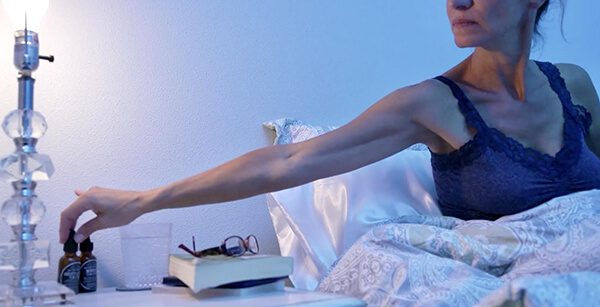
This article explores the health risks of LED blue light and discusses how LED technology in both devices and household lighting can significantly affect melatonin production and sleep — which is associated with a higher risk of obesity, cancer, diabetes, cardiovascular issues, and mental health conditions. Moreover, several studies demonstrate how blue light has been shown to damage vision in animal models. Detailed action steps cover how to protect yourself from blue light exposure. Herbal remedies mentioned in this post include Nicole’s Apothecary Heart Health Blend and Sleep Blend.
Hidden Health Risks of LED Blue Light
In a quest to be more eco-friendly, the United States has adopted LED lighting as the general standard across the nation to save on energy. These long-lasting bulbs use a fraction of electricity compared to incandescent bulbs — and most people are satisfied with their environmentally friendly performance. However, there is a darker side to LEDs that can lead to significant health impacts: blue light.
Exposure to blue light late in the day is associated with disrupted circadian rhythms and melatonin production, which impacts sleep and can cause a cascade of health issues — including obesity, cancer, cardiovascular problems, depression, and diabetes.[ 1 ]1. Harvard Health Publishing. "Blue light has a dark side." July 24, 2024. Reviewed by Howard E. LeWine, MD. In our modern age, we are saturated with blue light from our household lighting to personal devices. What's more, a good chunk of our evening is spent exposed to disruptive blue light where it does the most harm. In this post, we will cover the research surrounding LED lighting and how you can minimize the impacts for you and your family. Let's begin!
What is blue light?
There has been a lot of buzz around the health impacts of blue light, especially since we entered the digital age and are exposed to devices of all shapes and sizes that utilize LED technology. But what exactly is blue light? As you may remember from your high school science class, white light is made up of a spectrum of wavelengths in all the colors of the rainbow — experiments with prisms are a lovely example of the beauty of white light when it is broken up into each of these wavelengths. And blue is one of them.
Blue wavelengths are actually quite beneficial in the daytime as they give a nice boost to reaction time, mood, and attention. But once the sun goes down, it's a radically different story since exposure to blue light disrupts your natural circadian rhythm by suppressing melatonin release (a sleep hormone) — setting the stage for poor sleep and all the subsequent health impacts that follow. LED lights emit particularly powerful blue wavelengths. While it's true that any type of light at night can cause problems for melatonin release, blue light in the evening is particularly damaging. Blue light doesn't just impact circadian rhythms and melatonin, but also raises oxidative stress. In fact, multiple animal studies have found that LEDs also can damage eyesight.

Rest Easy, Naturally
Nicole's Apothecary Sleep Blend combines four clinically studied herbs that work together to increase GABA production, calm your nervous system, and help you fall asleep faster, sleep longer, and wake up rested.
Impacts of Blue Light: How LEDs Damage Metabolic Health and Harm Eyesight
Animal research published in Journal of Cellular Molecular Medicine found that white LED lights caused structural alterations in the outer blood-retinal barrier, as well as damage to retinal pigment epithelium (RPE) — which is the origin of vision loss associated with age-related macular degeneration.[ 2 ]2. Jaadane, Imene et al. "Effects of white light-emitting diode (LED) exposure on retinal pigment epithelium in vivo." Journal of Cellular and Molecular Medicine 21,12 (2017): 3453-3466. The team notes that "[t]he RPE is known to be vulnerable to high‐energy blue light. The white light‐emitting diodes (LED) commercially available have relatively high content of blue light, a feature that suggests that they could be deleterious for this retinal cell layer." An earlier study also using animal models had similar findings, associating blue light exposure with retina damage.[ 5 ]5. Lougheed, Tim. "Hidden blue hazard? LED lighting and retinal damage in rats." Environmental Health Perspectives 122,3 (2014): A81.
Moreover, a small 2021 study established that exposure to blue light four hours before bedtime caused alterations in sleep/wake regulation, circadian rhythm, thermoregulation, and secretion of melatonin and cortisol.[ 3 ]3. Ishihara, Asuka et al. "Metabolic responses to polychromatic LED and OLED light at night." Scientific Reports 11,1 12402. 11 Jun. 2021. Overall, they found that LED light exposure in the evening increased the risk of poor metabolic function, such as weight gain, obesity, insulin resistance, and other metabolic impairments.
Recent research also found that blue light has a significant impact on the circadian system in humans with more pronounced effects in younger participants and men, leading the researchers to conclude "that [LED] blue light causes a stronger and more sustained melatonin suppression than red light".[ 4 ]4. Sanchez-Cano, Ana et al. "Comparative Effects of Red and Blue LED Light on Melatonin Levels During Three-Hour Exposure in Healthy Adults." Life 15,5 715. 28 Apr. 2025.

Real Results: Vision & Heart Health
- Regulate blood glucose
- Lower LDL cholesterol
- Reduce inflammation
- Support healthy circulation
- Promote vision and eye health
The Takeaway
According to the latest research, blue light from our devices and LED lighting in the evening can have significant negative effects on health, leading to an increased risk of obesity, cardiovascular disease, cancer, diabetes, and depression. LEDs have also been shown to harm the retina and promote macular degeneration in animal research. Men and younger people tend to experience the strongest effects.
Tips for avoiding the health risks of LED light include avoiding exposure 2 hours before bed and utilizing warmer color temperatures for lighting and personal device screens in the afternoon and evening. Herbal remedies can also help to mitigate the health effects of LEDs, including Nicole's Apothecary Heart Health Blend for cardiovascular and eye health, along with Nicole's Apothecary Sleep Blend to establish healthy sleep patterns and circadian rhythms. Find both formulations at NicolesApothecary.com
Nicole Apelian
Actions Steps & FAQs
Action Steps
How to Protect Yourself From Blue Light Exposure
- Avoid device use at least 2 hours before bedtime.
- Consider red spectrum lighting (including candles) in the evening. Dimmer switches and smart lighting systems (including smart bulbs) that naturally shift to warmer color temperatures in the evening are also an excellent option.
- Use blue-light blocking glasses.
- Seek out devices with organic light-emitting diodes (OLED) instead of standard LEDs to reduce blue light exposure.
- Set device screens to the warmer end of the spectrum in late afternoon and evening (most have a specific setting for this purpose or there are apps available).
- Utilize herbal formulas that help to protect heart and eye health, as well as those that support healthy sleep patterns. See Nicole's Apothecary Heart Health Blend and Sleep Blend.
Additionally, make sure to get plenty of exposure to bright light in the morning for optimal circadian rhythm alignment (sunlight is best). It’s also important to sleep in a completely dark room — use blackout curtains and remove any other sources of ambient light from your bedroom.
FAQ
What is blue light?
Blue wavelengths are emitted from LED lights and technology, such as laptops, smartphones, iPads, and other devices. They have been shown to disrupt the secretion of the sleep hormone melatonin, reducing quality and length of sleep as well as impacting circadian rhythms.
Are LEDs bad for your eyes?
Yes, according to one animal study published in the Journal of Cellular Molecular Medicine. Blue light wavelengths emitted from LEDs were shown to increase retinal pigment epithelium (RPE) damage, which is the origin of vision loss associated with age-related macular degeneration.
How do LEDs impact metabolic health?
A small 2021 study published in Scientific Reports found that LED light exposure in the evening increased the risk of poor metabolic function, such as weight gain, obesity, insulin resistance, and other metabolic impairments.
How do I protect myself from blue light exposure?
There are multiple ways to protect against too much blue light exposure, including: avoiding devices at least 2 hours before bedtime; switching to red-spectrum lighting (including candles) in the evening; using blue-light blocking glasses; replacing standard LEDs with organic light-emitting diodes (OLED); setting device screens to the warmer end of the spectrum in late afternoon and evening; and making sure to get plenty of exposure to bright light in the morning for optimal circadian rhythm alignment (sunlight is best). Herbal remedies that support heart, eye, and sleep health are important as well. See Nicole's Apothecary Heart Health Blend and Sleep Blend for additional information.
Nicole's Apothecary Products in this Post
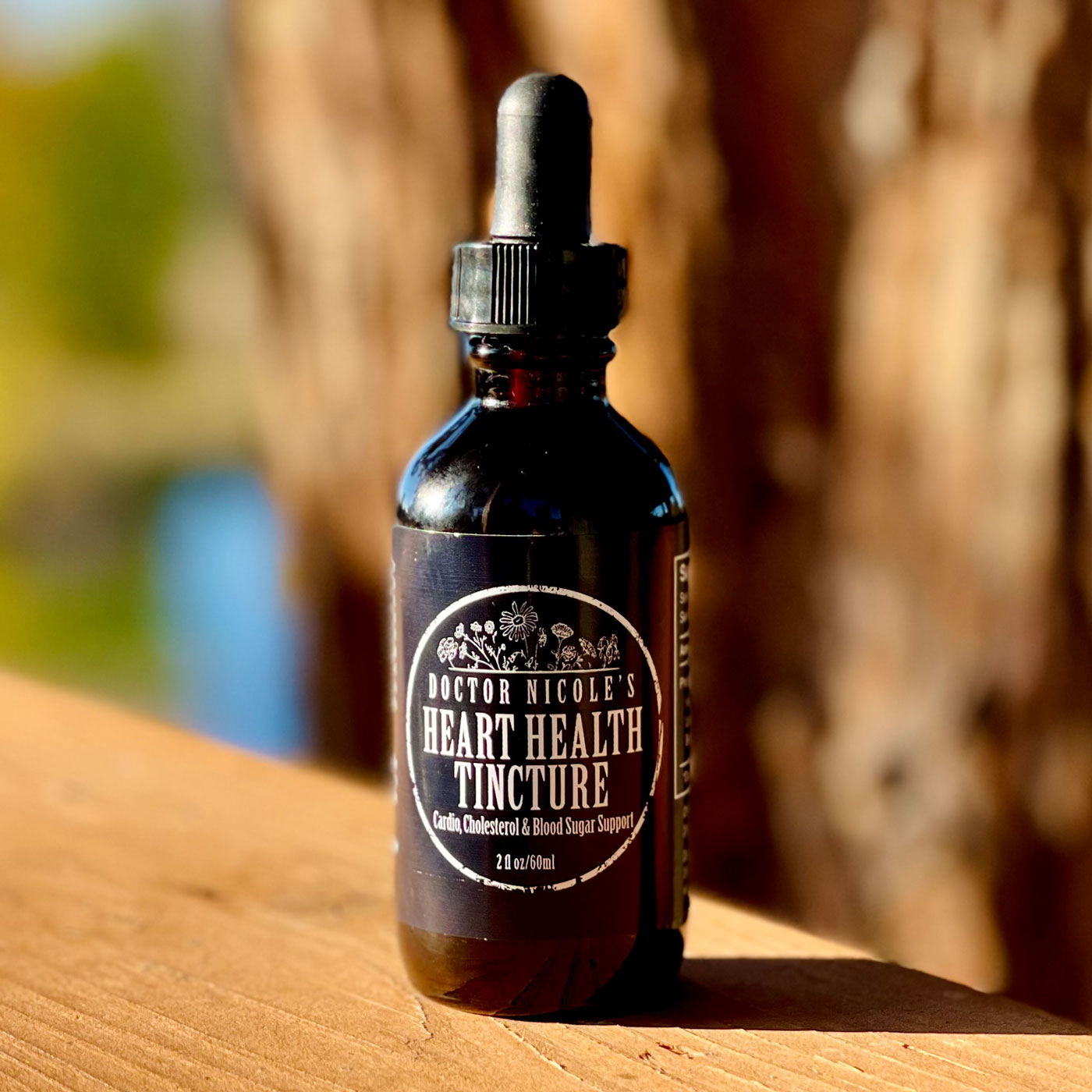
Heart Health Blend Tincture
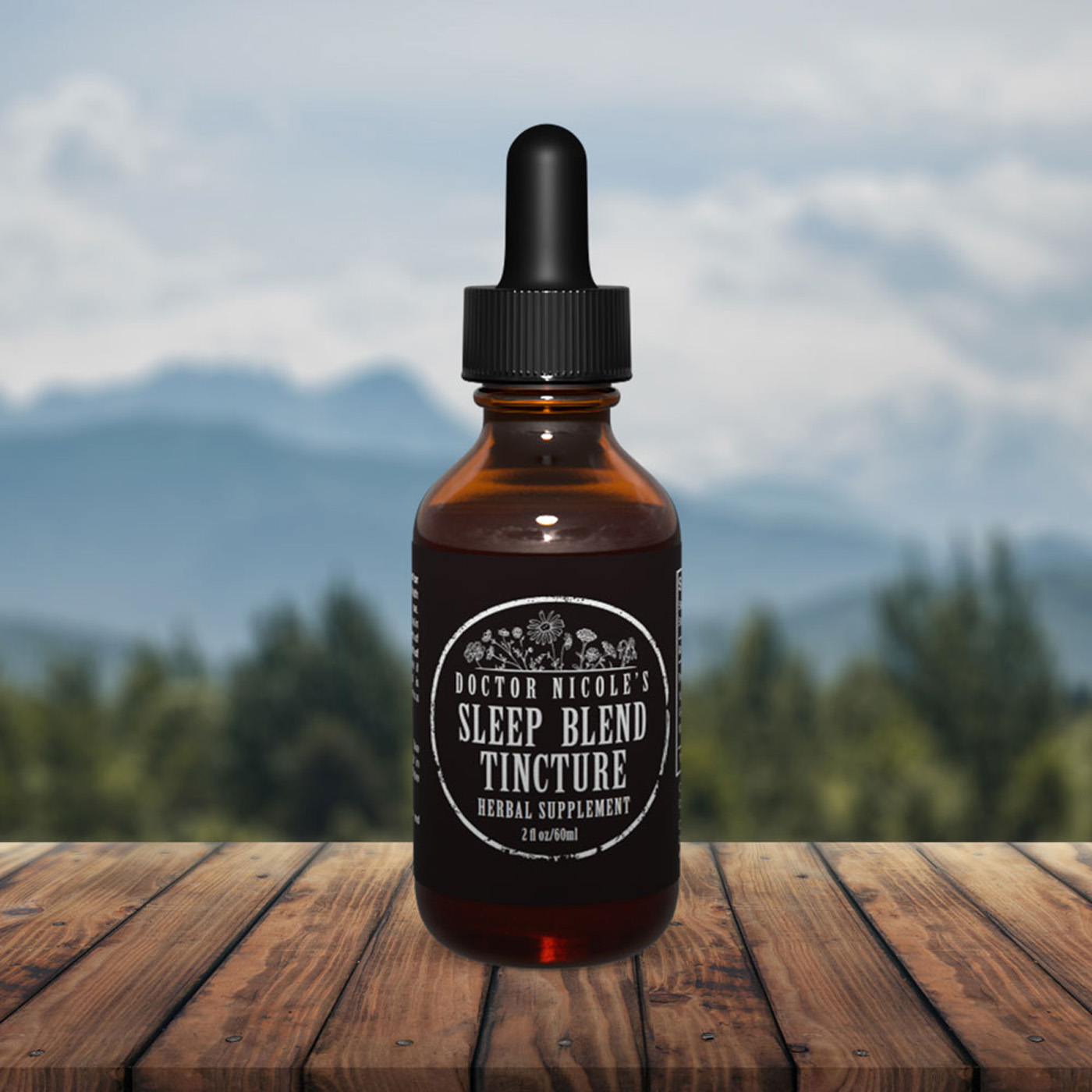
Sleep Blend Tincture
References
- "Blue light has a dark side", Harvard Health Publishing, July 24, 2024. Reviewed by Howard E. LeWine, MD, Chief Medical Editor, Harvard Health Publishing; Editorial Advisory Board Member, Harvard Health Publishing. https://www.health.harvard.edu/healthy-aging-and-longevity/blue-light-has-a-dark-side
- Jaadane, Imene et al. “Effects of white light-emitting diode (LED) exposure on retinal pigment epithelium in vivo.” Journal of cellular and molecular medicine vol. 21,12 (2017): 3453-3466. doi:10.1111/jcmm.13255. https://pmc.ncbi.nlm.nih.gov/articles/PMC5706508/
- Ishihara, Asuka et al. “Metabolic responses to polychromatic LED and OLED light at night.” Scientific reports vol. 11,1 12402. 11 Jun. 2021, doi:10.1038/s41598-021-91828-6 https://pmc.ncbi.nlm.nih.gov/articles/PMC8196130/
- Sanchez-Cano, Ana et al. “Comparative Effects of Red and Blue LED Light on Melatonin Levels During Three-Hour Exposure in Healthy Adults.” Life (Basel, Switzerland) vol. 15,5 715. 28 Apr. 2025, doi:10.3390/life15050715 https://pmc.ncbi.nlm.nih.gov/articles/PMC12113466/
- Lougheed, Tim. “Hidden blue hazard? LED lighting and retinal damage in rats.” Environmental health perspectives vol. 122,3 (2014): A81. doi:10.1289/ehp.122-A81. https://pmc.ncbi.nlm.nih.gov/articles/PMC3948029/