

Is Your Gut Ready for a Reboot?
Your gut isn't just part of your health — it's the foundation of it. Whether you have an autoimmune disease, brain fog, or struggle with poor immunity, tending to your gut and microbiome is crucial. If inflammation, leaky gut, bloating, or sluggish digestion sound familiar, your body is sending you a clear signal — it's time for a change. This is where a 7-day gut reset comes in. It goes beyond what's on your plate by also addressing stress, encouraging mindful eating, and the importance of hydration. If you are ready for a health reboot, this could be the answer you've been looking for.
The Plan
Different from a fast or cleanse, a 7-day gut reset is simple: focus on anti-inflammatory foods and herbs that promote digestion, while also managing stress and focusing on mindful eating. Over the course of seven days, it gradually refines your diet and lays the foundation for healthy habits that encourage gut health. Here is a sample program to give you a general framework:

Day 1
Eliminate inflammatory foods, including refined sugar, red meat, dairy (except plain yogurt and kefir with active cultures), and processed foods. Instead, focus on leafy greens, whole grains, fruits and vegetables, and wild-caught salmon, sardines, and mackerel. I also recommend beginning your day with lemon-ginger water or tea because it helps to jumpstart digestion, cleanse the liver, and calm inflammation.
Day 2
Start a habit of hydration by making sure to drink at least 64 ounces of water per day. Herbal teas and decaf green tea are also excellent choices as they provide an anti-inflammatory boost.
Day 3-4
Here is the heart of the plan: fertilizing your gut. By encouraging a robust microbiome with beneficial bacteria, you support better immunity, nutrient absorption, and weight loss, while curbing anxiety, depression, and inflammation. Try to integrate at least one food from each section each day.
Prebiotic foods such as: bananas, oats, flaxseeds, chia seeds, dandelion greens, chicory root, apples, onions, and Jerusalem artichoke. Turkey tail is also an excellent source of prebiotics — more on this outstanding mushroom down below.
Next are probiotics, think: kimchi, kombucha, miso, sauerkraut, tempeh, brine or water-cured olives, and fermented pickles. Kefir and yogurt with active cultures are also beneficial.
Resistant starch is helpful as well. Focus on: green bananas, cooked then cooled potatoes or rice, cashews, and soaked raw oats (such as overnight oats).
Want to dive deeper? See this post.
Day 5
Bump up your fiber and vegetable intake. Not only do fiber-rich foods help to keep you regular, they also reduce inflammation, boost immunity, and keep your weight within a healthy limit. Beans, lentils, legumes, whole grains, chia and flaxseed, coconut, popcorn, and nuts are good options. Leafy greens (kale, collards, spinach, arugula, watercress, and wild greens) are also important as they support butyrate production in the gut, which helps to reduce the risk of colon cancer, cools inflammation, and supports immunity.
Day 6
This is where you want to focus on developing good sleep hygiene, aligning your natural circadian rhythms, adopting mindful eating, and reducing stress. Each of these practices will help to improve gut and overall health. If you need an extra level of support, have a look at our Sleep Blend and Anxiety & Stress Blend.
Day 7
As your reset comes to a close, use this day to set a clear intention to carry the habits and insights from the past six days into your everyday life. It's a time of reflection and transitioning to long-term healthy habits that support gut health. It is also a good time to consider herbal remedies and how they can help you to sustain your health gains.
Take Your Gut Health To The Next Level
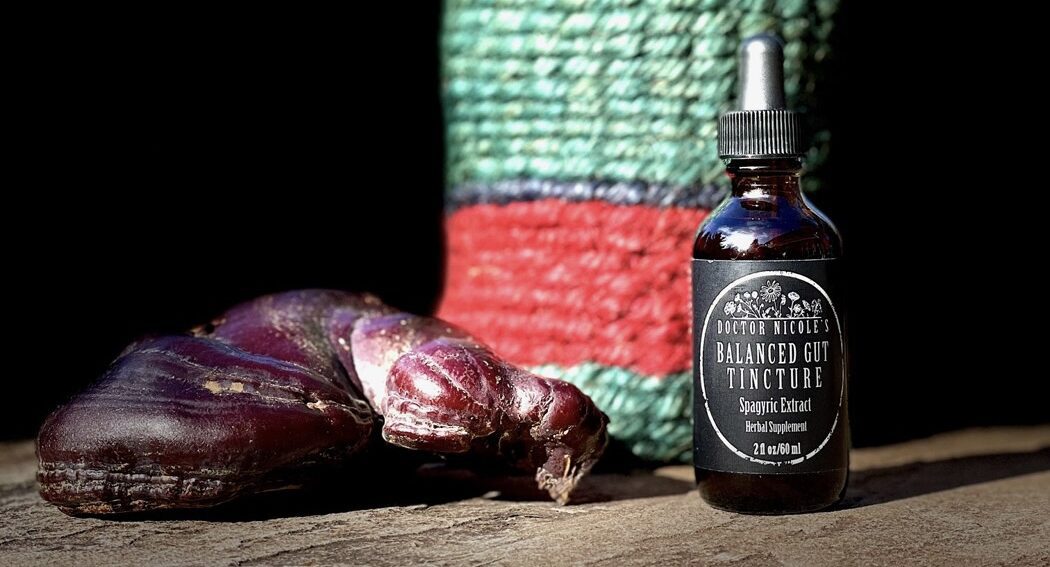
Think of your 7-day reset as the spark, and our Balanced Gut Blend as what takes you to the next level of gut health. Formulated with medicinal mushrooms and soothing herbs, it works to sustain and improve the gut integrity you've intentionally restored over the past week. Here are the benefits of each ingredient:
Turkey Tail → Microbiome Support
Helps nourish beneficial gut bacteria and supports a healthy digestive ecosystem.
Reishi → Inflammatory Balance
Supports immune balance and helps calm inflammatory responses in the gut.
Slippery Elm & Marshmallow → Gut Lining Support
Soothing, demulcent herbs that help protect and calm the intestinal lining.
Lion’s Mane → Gut–Brain Connection
Supports communication between the gut and nervous system for long-term digestive resilience.
GIVE IT TIME — THE RESULTS ARE REMARKABLE
"It took me almost 2 months of dedicated regular use, but when this kicked in my gut health improved remarkably. I have recommended it to many people." -Martha
Nicole Apelian
Actions Steps & FAQs
Action Steps
- Prioritize dietary balance rather than eliminating entire food groups or nutrients.
- Include fiber-rich whole foods to support a diverse, thriving gut microbiome.
- Add fermented foods to help maintain healthy levels of beneficial bacteria.
- Maintain consistent meal timing to support glucose regulation and metabolism.
- Consider an extra level of support with Nicole's Apothecary Balanced Gut Blend and Liver Blend.
FAQ
Does eliminating all sugar improve gut health?
Not necessarily. New research found that completely removing sucrose from a low-fat diet disrupted the gut microbiome, reducing beneficial bacteria like Lactobacillus murinus and increasing pro-inflammatory bacteria.
Can a zero-sugar or carnivore diet raise diabetes risk?
The study found that a sucrose-free diet led to impaired glucose control and reduced insulin sensitivity — both risk factors for type II diabetes — despite eliminating sugar entirely.
Is there a link between zero-sugar diets and fatty liver disease?
Yes. Researchers observed early warning signs of fatty liver disease and liver inflammation in the group following a completely sucrose-free diet.
Is balanced nutrition better than eliminating sugar completely?
According to the research, yes. Experts note that healthy eating depends on overall dietary patterns rather than eliminating a single nutrient or food group.
Nicole's Apothecary Products in this Post

Anxiety & Stress Tincture
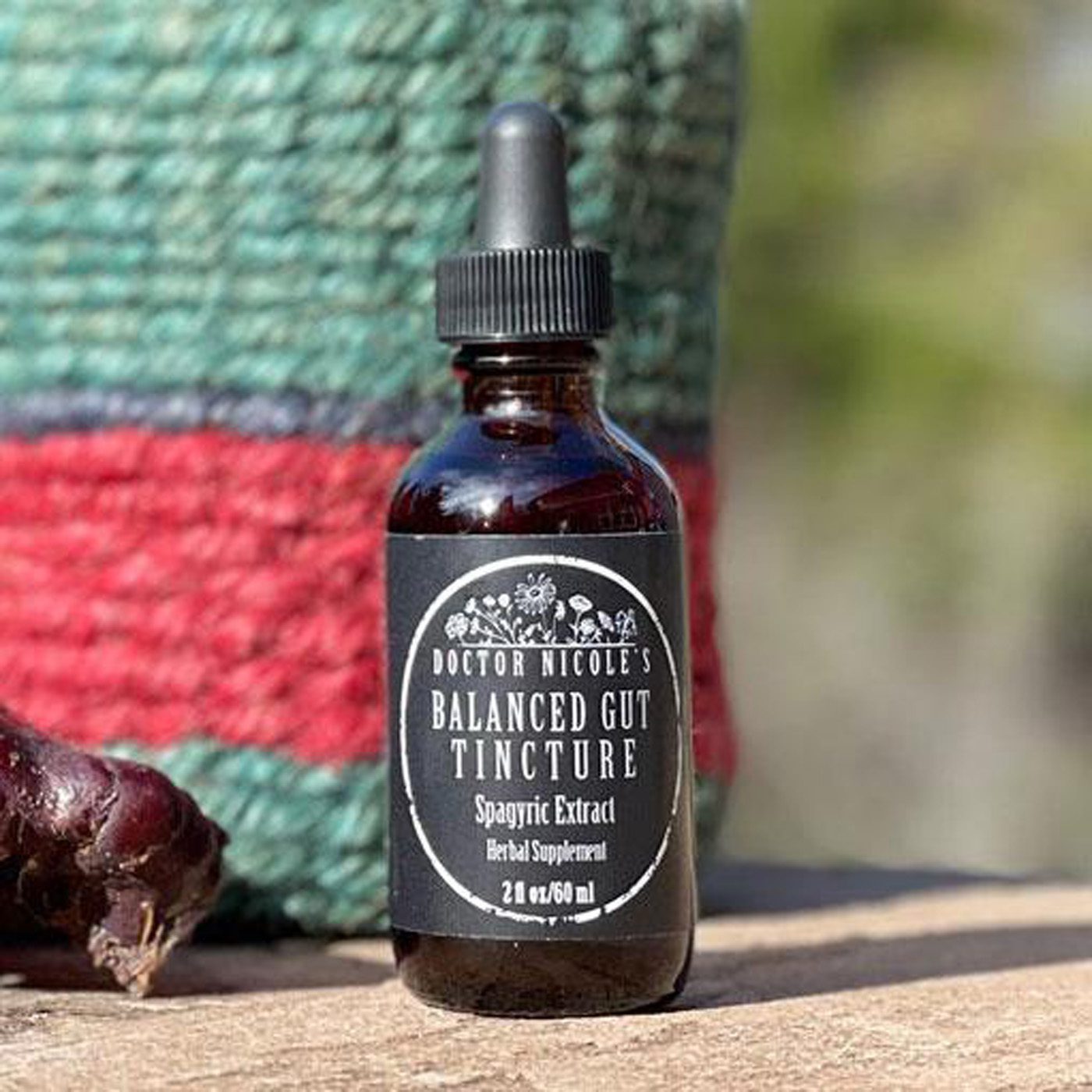
Balanced Gut Blend Tincture

Sleep Blend Tincture


