
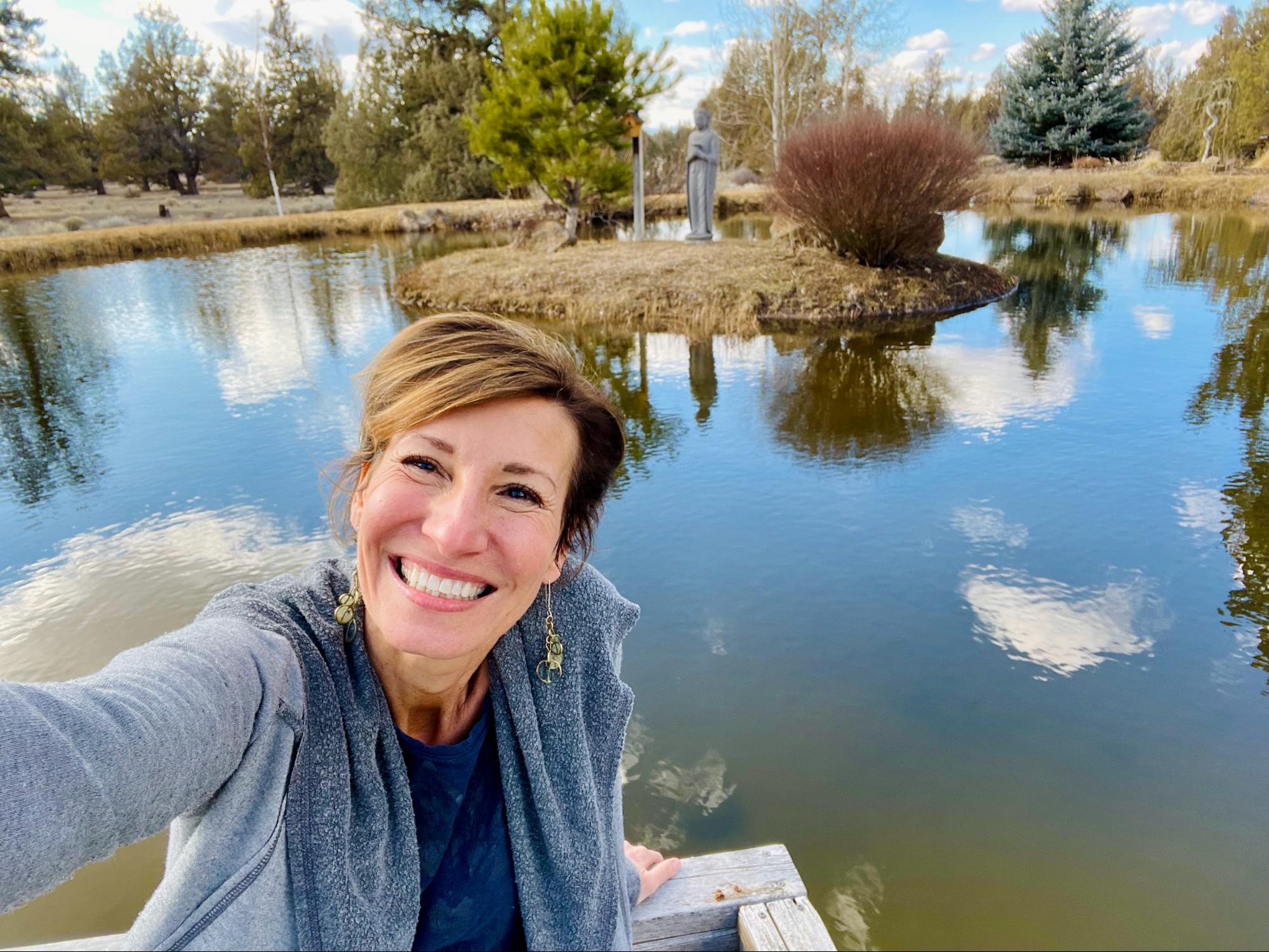
An Alternative to the Hustle Culture
In response to the hustle, technology-driven culture prominent in the USA and elsewhere, there is an up-and-coming trend spreading across the nation and around the world that's embracing the opposite: slow living. If this sounds familiar, it's for a good reason. The wildly successful Slow Food movement started in the 1980s in response to the rise of fast-food chains and has since sparked other intentional living movements in parenting, travel, fashion, and more. Today, we're seeing a renaissance of this approach in the slow living trend. And it's not just influencers who are enthusiastically adopting it — people across all spectrums are discovering the benefits, such as better mental and physical health, along with higher quality of life. If you find you need a reset from your daily bustle, keep reading. Here we will explore the nuances of slow living and why it's beneficial for your overall wellbeing. Let's begin!

What brings you joy?
This is the foundation of the slow living movement. Take a few moments to clarify what truly brings you joy. Is it spending time with family and friends? Maybe you would like to slow down enough to enjoy the sunrise or spend time in nature. Or is it about exploring a hobby? For some, it may mean cutting back on their grueling work schedule and living more simply. With others, the shift may represent a shift in how you spend your vacation time, swapping exotic destinations for slow escapes closer to home. Some are even ditching their computers altogether and opting for a vintage typewriter instead.
It doesn't need to be a radical change: many are embracing slow living by spending less time on social media, email, texting, and online — and instead reading physical books, gardening, birdwatching, journaling, and cooking/baking. The options are endless.
One common thread for those who adopt slow living is a focus on nature since it "naturally" slows you down. I've written extensively about nature RX, blue spaces, earthing, and digital detoxes for good reason: they’re some of the best, most accessible methods for improving your mental and physical health — and there's plenty of research to back it up. Those who spend more time in the natural world have lower stress levels, which in turn helps to promote mental wellbeing, deeper sleep, and better gut health. It's also a sure-fire way to counteract burnout. Even a lunch break spent at an urban park is enough to reap the benefits.
Simplicity is Key
Slow living isn't a dramatic overhaul — it begins with a single, intentional choice to resist the pull of hustle. Start by identifying one area of your day where you consistently feel rushed, and experiment with giving it more space and less urgency. From there, small practices begin to accumulate into a slow living rhythm.
Here are a few ideas to try:
Brew something slowly. Swap your grab-and-go coffee for a French press or pour-over ritual, treating those few minutes as a quiet, sensory experience. The same can be said for brewing a pot of loose-leaf tea.
Write a letter or card by hand. The slow pace of writing something by hand is a far cry from the instant communication of email and text that we've grown accustomed to. Research has shown writing by hand is better for your brain, too.1,2
Cook one meal a week from scratch. Choose simple ingredients and resist the urge to multitask. Better yet, invite friends or family over to enjoy a “slow food” meal over good conversation and connection.
Take a "nothing walk". No podcast/music, no destination quota, no phone — just your neighborhood and full presence.
Keep a one-line journal. Write a single sentence about what’s brought you joy that day. Short, simple, and upbeat.
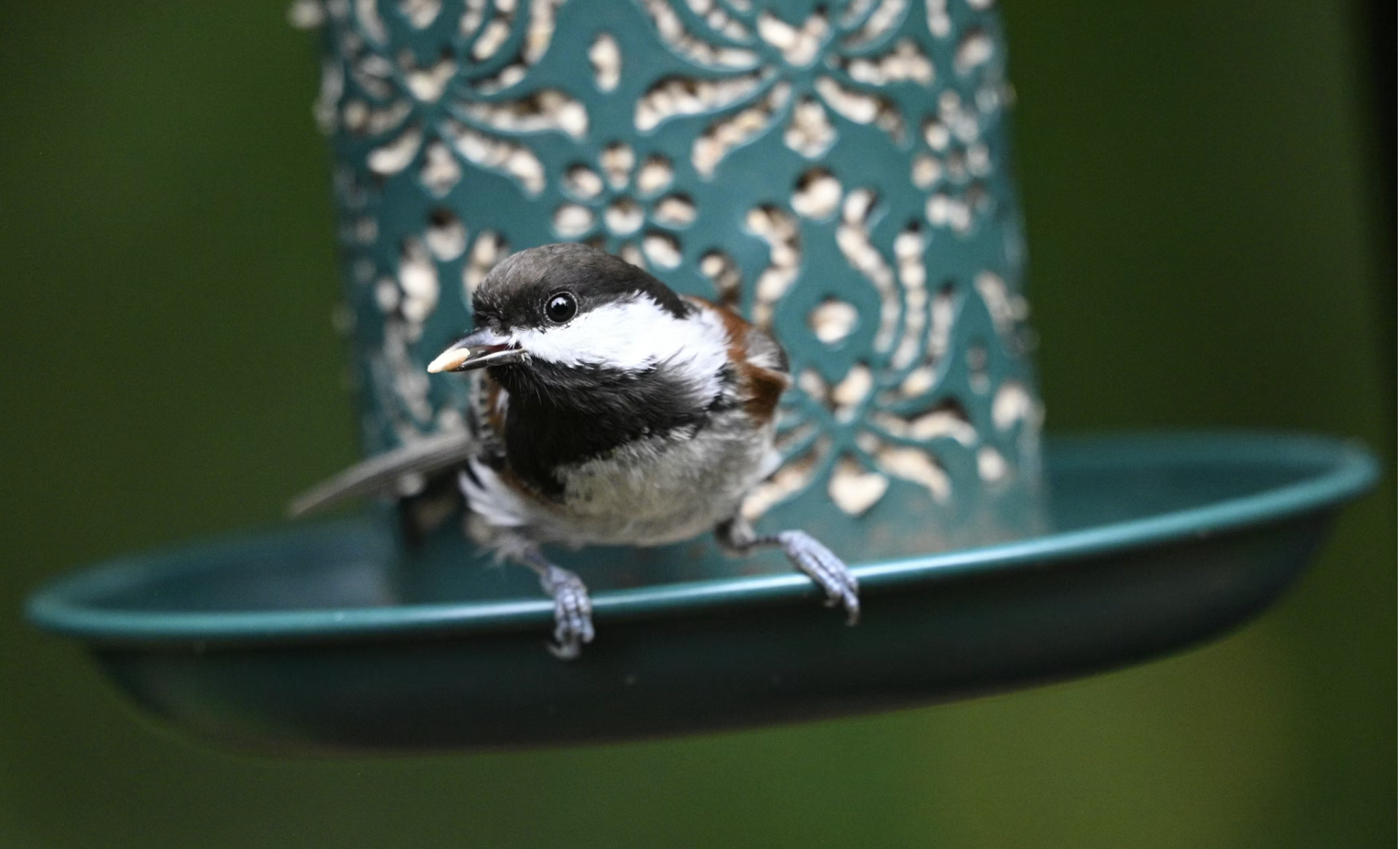
Tend to something living. Think: windowsill herb, houseplant, or bird feeder. It's a small habit with a big impact for bringing you back into a slow rhythm.
Choose one evening a week to go dark early. Candles instead of overhead lights, no scrolling, no screens. It's a good time to connect over a game of Scrabble, read a novel, write in your journal, or listen to a beautiful piece of music.

Slow Living, Less Stress — Naturally
In a world that glorifies hustle and speed, sometimes you need an extra level of support to calm the nervous system and renew balance. This is where our Anxiety & Stress Blend comes in to help you reset, recalibrate, and restore with the following key benefits:
Adaptogenic → stress and nervous system balance
Synergistic herbal extracts → calm, mood, and clarity
Daily wellness ritual → anxiety relief, focus, and stilled mind
MY DAILY RESET
“Love the anxiety and stress blend. I’ve been using it for about 6 months and it’s a mild but effective way to support myself when things are all just a bit too much.” -BR.
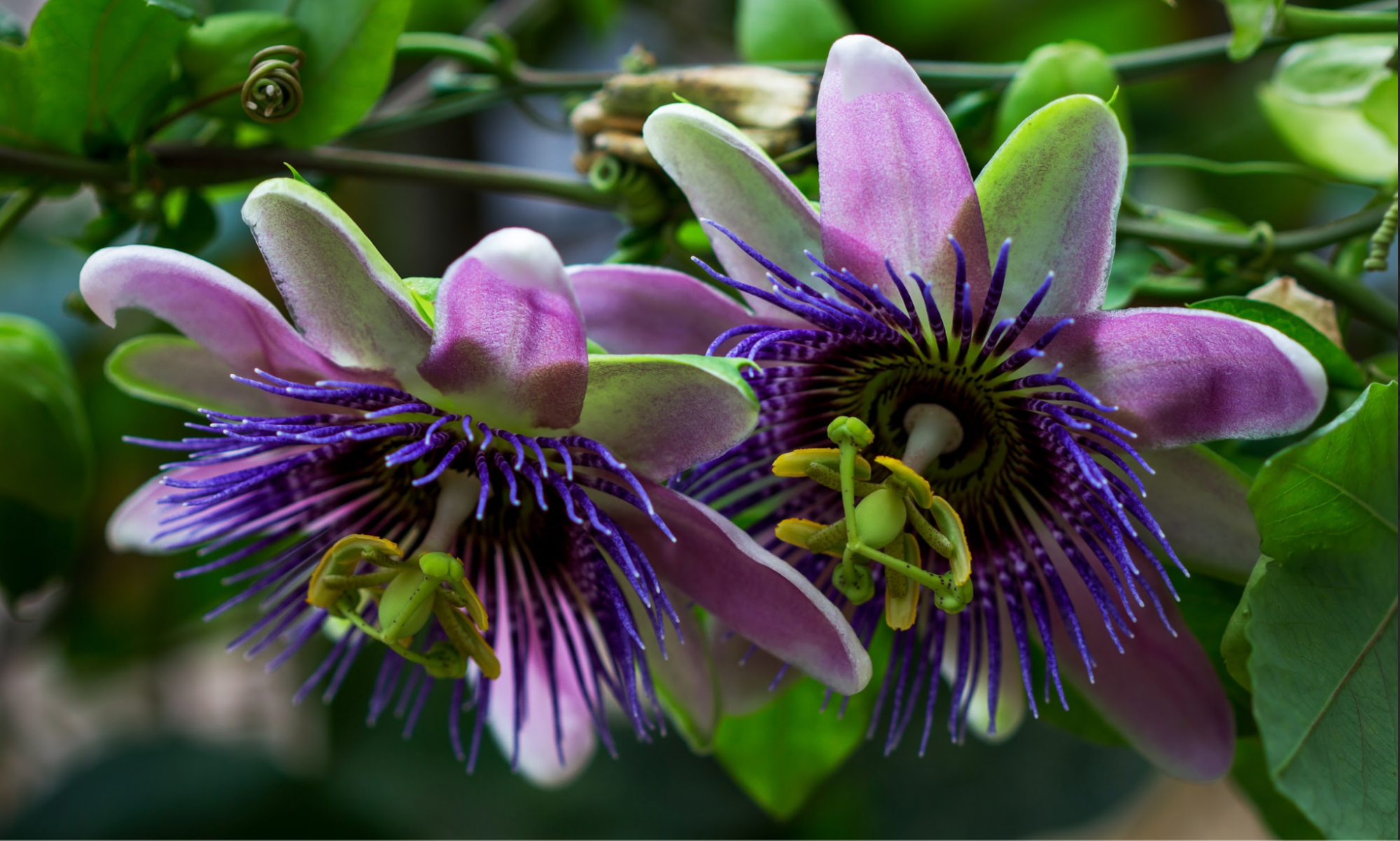
When evening comes, our Sleep Blend will help to support deep, restorative rest with the following powerful botanicals:
Valerian Root → calms restlessness, improves sleep quality
Hops → boosts GABA levels, lengthens sleep time
Chamomile → muscle relaxant, calms the nervous system
Passionflower → herbal sedative, enhances sleep quality, soothes anxiety
YOUR SLEEP BLEND IS FANTASTIC
“Wonderful product. It is very helpful in relaxing me and helping me to go to sleep.” -Sheryl
If you need more calm and less stress in your life, visit my apothecary to explore these highly-effective, gold-standard tincture blends today!
Shop Now.
Nicole Apelian
Actions Steps & FAQs
Action Steps
- Prioritize dietary balance rather than eliminating entire food groups or nutrients.
- Include fiber-rich whole foods to support a diverse, thriving gut microbiome.
- Add fermented foods to help maintain healthy levels of beneficial bacteria.
- Maintain consistent meal timing to support glucose regulation and metabolism.
- Consider an extra level of support with Nicole's Apothecary Balanced Gut Blend and Liver Blend.
FAQ
Does eliminating all sugar improve gut health?
Not necessarily. New research found that completely removing sucrose from a low-fat diet disrupted the gut microbiome, reducing beneficial bacteria like Lactobacillus murinus and increasing pro-inflammatory bacteria.
Can a zero-sugar or carnivore diet raise diabetes risk?
The study found that a sucrose-free diet led to impaired glucose control and reduced insulin sensitivity — both risk factors for type II diabetes — despite eliminating sugar entirely.
Is there a link between zero-sugar diets and fatty liver disease?
Yes. Researchers observed early warning signs of fatty liver disease and liver inflammation in the group following a completely sucrose-free diet.
Is balanced nutrition better than eliminating sugar completely?
According to the research, yes. Experts note that healthy eating depends on overall dietary patterns rather than eliminating a single nutrient or food group.
Nicole's Apothecary Products in this Post
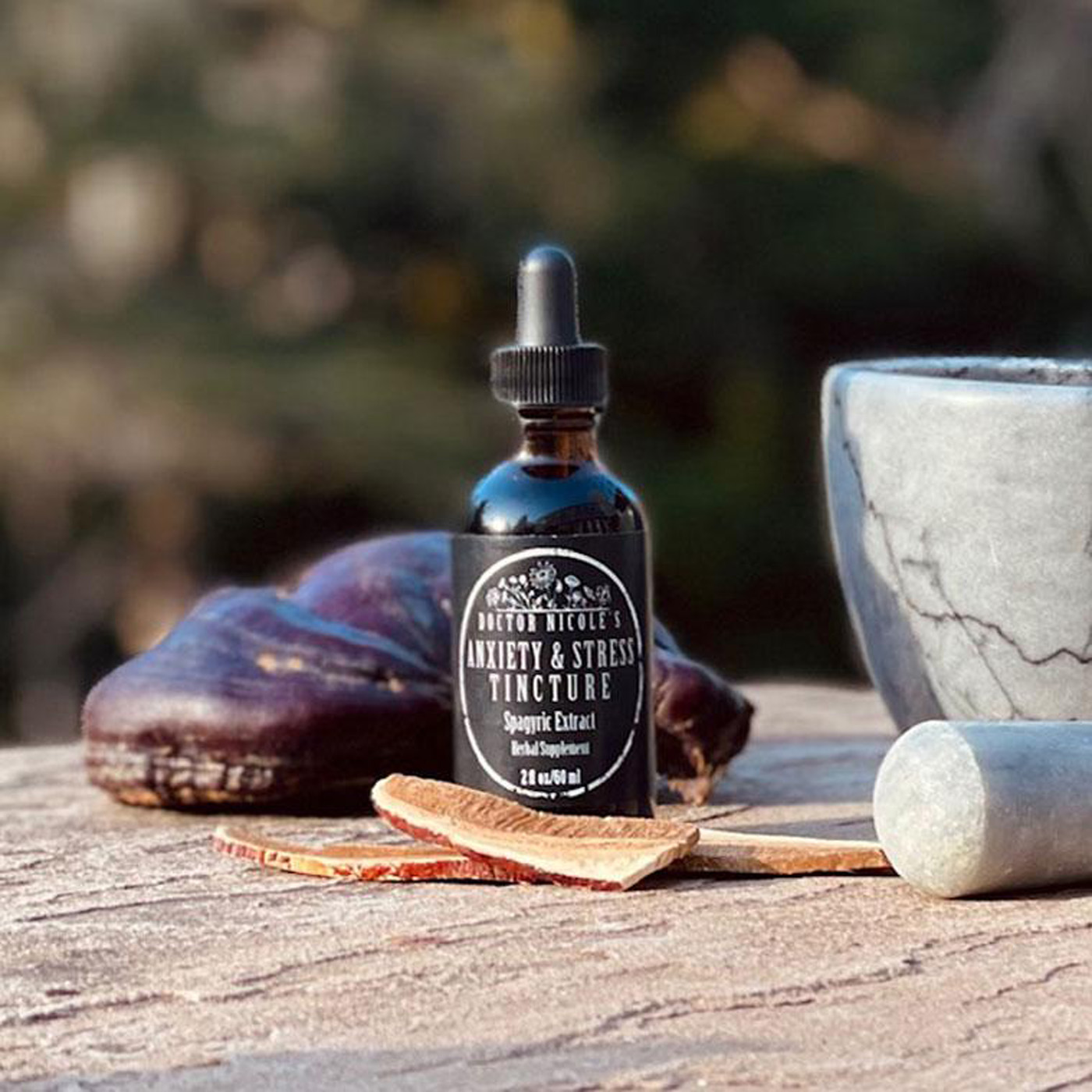
Anxiety & Stress Tincture
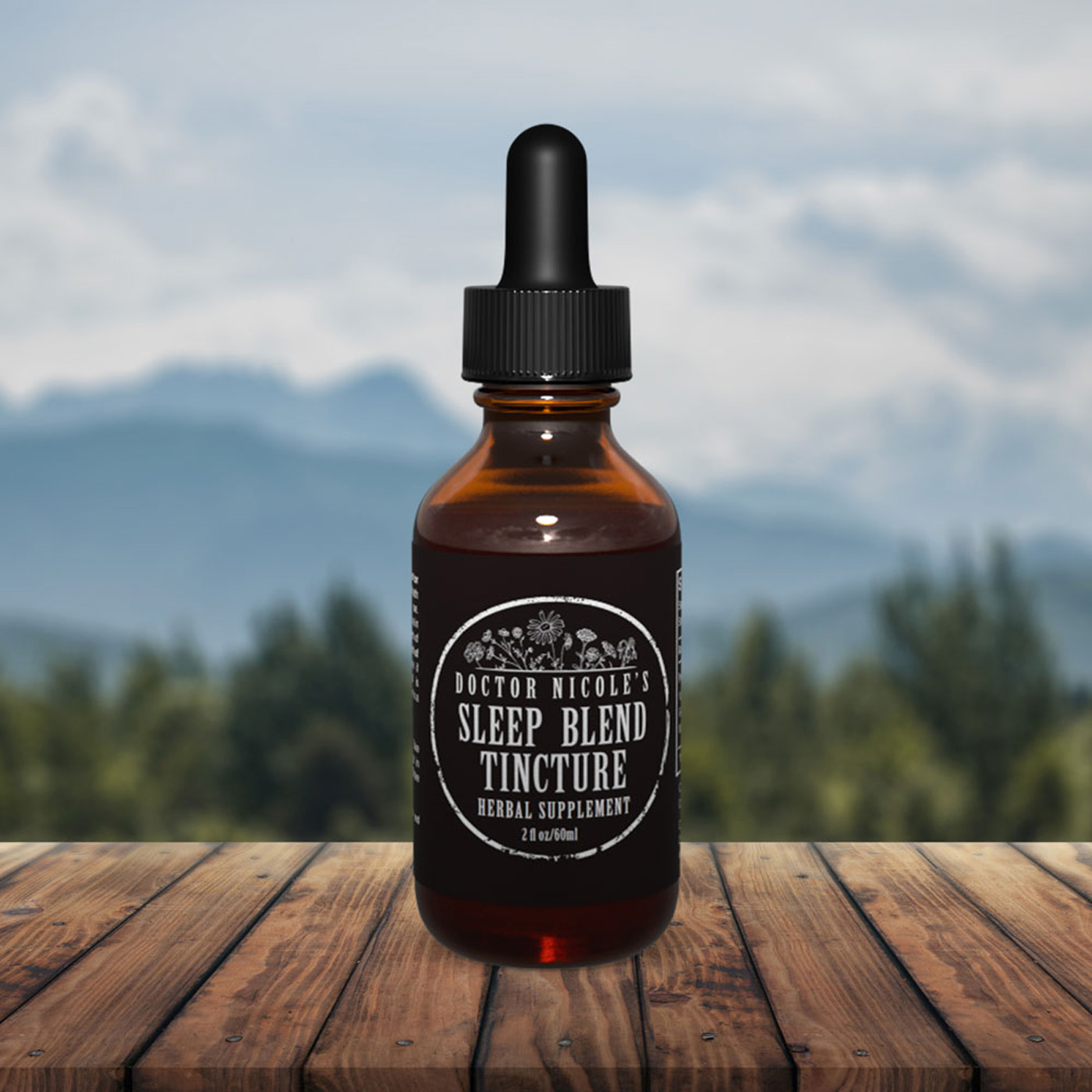
Sleep Blend Tincture
References
- Van der Weel FRR, Van der Meer ALH. Handwriting but not typewriting leads to widespread brain connectivity: a high-density EEG study with implications for the classroom. Front Psychol. 2024 Jan 26;14:1219945. doi: 10.3389/fpsyg.2023.1219945. PMID: 38343894; PMCID: PMC10853352.
- 'Why Writing by Hand Is Better for Your Brain" Cornell University Evidence Based Living. https://evidencebasedliving.human.cornell.edu/blog/why-writing-by-hand-is-better-for-your-brain/


