
How Hormonal Changes During Menopause Affect Metabolic Health
Menopause can impact more than just cardiovascular, bone, and cognitive health — it can also significantly change your metabolic health. As estrogen levels drop, so does your cell’s sensitivity to insulin, which in turn can cause weight gain, increased belly fat, and higher blood sugar levels. This hormonal shift also triggers decreased muscle mass (sarcopenia), further promoting fat storage — particularly around the midsection. Thankfully, simple lifestyle habits along with herbal support can help you navigate menopause feeling your best.
The Research
A study published in the journal Gynecological and Reproductive Endocrinology & Metabolism highlights how the hormonal shifts during menopause significantly impact weight and metabolism.9 The team found that fluctuating estrogen and low progesterone slow down metabolism, reduce the calories burned while resting, and encourage fat storage — especially around the belly — even if eating habits stay the same. Lower estrogen also impacts insulin sensitivity, growth hormone levels, and fat metabolism, which increases the risk of weight gain, metabolic syndrome, and type 2 diabetes.
Likewise, an earlier study also established the association between a decline in estrogen with insulin resistance and metabolic abnormalities.8 The researchers established that menopause triggers an increase in abdominal and visceral fat accumulation, which further impacts metabolic health that’s independent of the aging process and total body weight. The team concluded that “[t]herapies aiming at preventing these changes in fat distribution such as hormone-replacement therapy, diet or exercise are likely to provide long-term cardiovascular and metabolic benefits for women’s health.”

What is the best diet for supporting changing female hormone levels?
To help avoid insulin resistance, high blood sugar, and gaining excess weight, a nutrient-rich diet is essential. Focus on the following foods each day:
Fruits and Vegetables. Supply essential vitamins, minerals, fiber, and antioxidants to help reduce menopause symptoms, maintain a healthy weight, balance blood sugar levels, and avoid menopause-related health complications.1 Berries are especially helpful, as are leafy greens for their anti-inflammatory properties.2,3
Protein. Consuming enough protein is exceptionally important during menopause, as it helps prevent the loss of muscle mass. Aim for 1-2 grams of protein per kilogram (1 kg = ~2.2 lbs) of weight. Excellent sources include beans, eggs, wild-caught fish, grass-fed beef, seeds, and nuts.
Whole Grains. Rich in fiber and B vitamins, whole grains can help keep blood sugar in check and reduce menopause symptoms, while lowering heart disease, cancer, and the risk of premature death.4,6 Focus on barley, brown rice, oats, quinoa, rye, and whole wheat.
Omega-3 Fatty Acids. Incorporating enough healthy fats into your diet is crucial for managing appetite, stabilizing blood sugar levels, and avoiding chronic health conditions like diabetes and heart disease. Good choices include chia, hemp, flaxseed, wild-caught salmon, walnuts, anchovies, mackerel, and perilla seeds.5
Phytoestrogens. Plant-based compounds that act as weak estrogens in the body, phytoestrogens are an important addition to your diet for promoting bone health and lowering the risk of heart disease.7 Many of these foods can also help to lower your blood sugar levels and promote weight loss. Good examples are black and green teas, chickpeas, flaxseeds, and berries. Other phytoestrogen-rich foods include barley, grapes, peanuts, plums, and soybeans.
Foods to Avoid: Refined sugar, alcohol and caffeine, highly processed foods, and those that are high in sodium (chips, crackers, fried foods).

Best Lifestyle Habits to Manage Menopause-Related Insulin Resistance and Weight Gain
Along with a nutrient-dense diet and plenty of protein, simple lifestyle habits can help to keep your blood sugar balanced and weight within a healthy range. Examples include:
Quality Sleep. Deep rejuvenating sleep can be a challenge during perimenopause and menopause, so it is important to have a solid bedtime routine. See our Sleep Blend in the apothecary if you need extra help.
Exercise. Aim for at least a ten-minute walk or other physical activity after each meal to lower blood sugar levels, along with weight training 2-3 times/week for maintaining and building muscle mass.
Manage Stress. When we are under constant stress, whether emotional (anxiety, worry) or physical (illness, injury), fat-storing cortisol is released and blood sugar spikes as tissue is less sensitive to insulin when you are in fight or flight mode. Over time this can lead to insulin resistance. Yoga, breathing exercises, and gratitude are a few ways to help tame the stress response. You can also utilize calming and adaptogenic herbs, like the ones found in our Anxiety & Stress Blend.

Research-Backed Herbal Remedies for Hormonal Balance and Blood Sugar Support
Along with dietary and lifestyle shifts, I highly suggest specific herbal remedies to help balance your hormones and blood sugar levels. Here’s why.
Black cohosh and red clover are two well-studied, phytoestrogen-rich plants traditionally used to support women through menopause. Black cohosh helps gently raise and stabilize estrogen levels, which may reduce hot flashes, night sweats, and poor sleep. Rich in isoflavonoids, red clover supports estrogen balance as well and may help protect bone health — an important consideration as estrogen declines. It also influences exercise performance and the gut microbiota. When paired together in our Menopause Blend, these botanicals offer an all-natural alternative to hormone replacement therapy for easing menopausal discomforts.
“Love this product. Helps with balance and mood.” -Sherry

For blood sugar, cardiovascular, and metabolic support, cordyceps, reishi, and turkey tail medicinal mushrooms, along with lemon balm, are exceptionally effective. Studies show cordyceps helps improve insulin sensitivity and lowers blood glucose, LDL cholesterol, and triglycerides by mimicking insulin activity and supporting balanced blood sugar, while reishi helps the body adapt to stress and promotes more restorative sleep and better immune function. Turkey tail stands out for its ability to calm inflammation and support gut, heart, and metabolic health. Lemon balm complements these benefits by calming the nervous system, helping to ease stress and anxiety, while encouraging mental clarity and emotional balance. Each tincture can be purchased individually or in our convenient Heart & Blood Sugar Support Bundle.
“Lemon balm tincture is working fabulous for my daughters blood pressure.”-Deborah

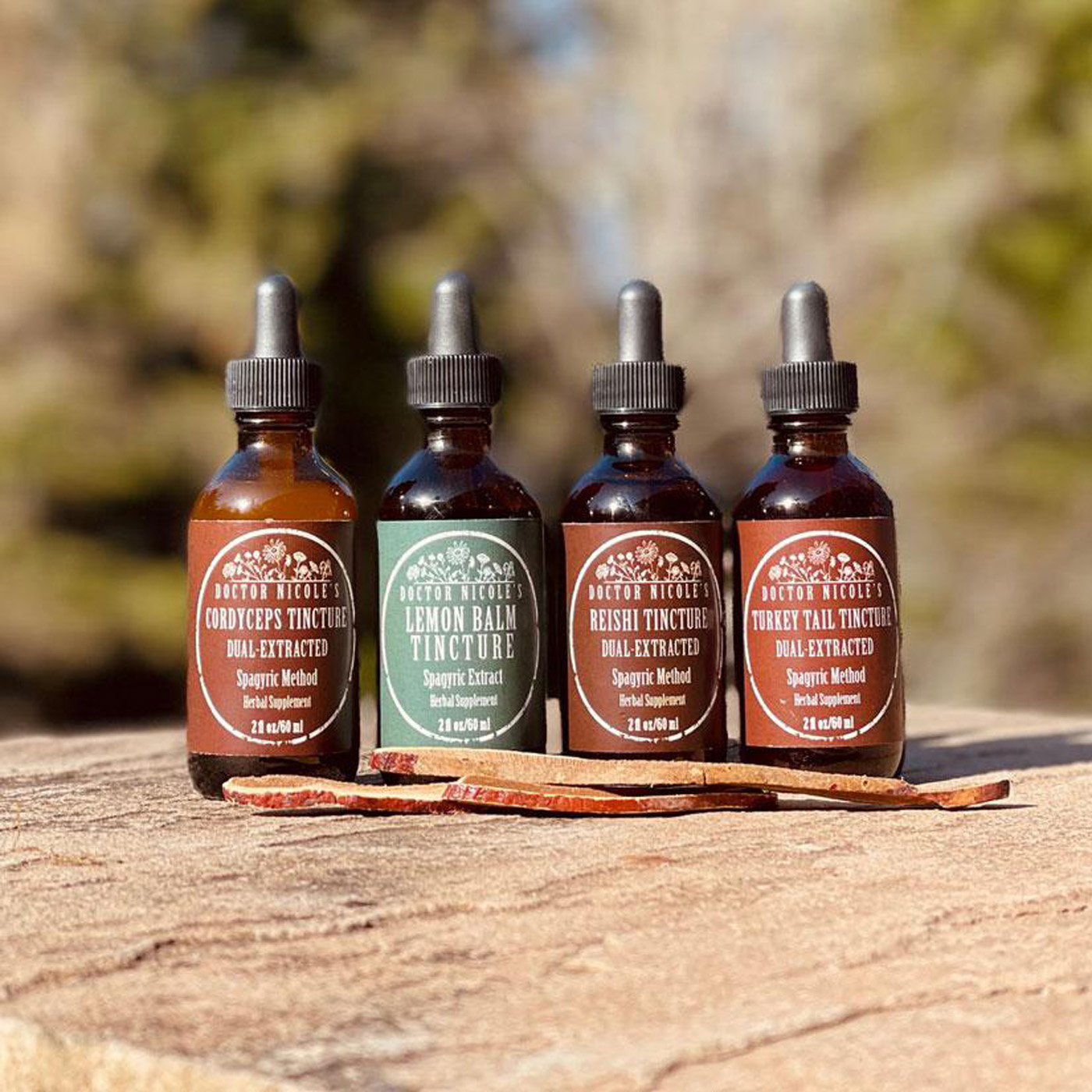
If you’re seeking a natural, research-informed way to support hormonal balance, blood sugar, and a healthy weight, visit Nicole’s Apothecary to explore our Menopause Blend and Heart & Blood Sugar Support Bundle — each is formulated with potent, plant-based extracts to help you feel more balanced, energized, and supported every day.
Action Steps: Maintaining Healthy Blood Sugar and Weight During Menopause
- Prioritize protein at every meal to preserve muscle and improve insulin sensitivity.
- Fill half your plate with fiber-rich plants like leafy greens, berries, legumes, and whole grains.
- Add omega-3 fats daily (flax, chia, walnuts, wild-caught fish) to stabilize blood sugar and appetite.
- Include phytoestrogen-rich foods such as flaxseed, chickpeas, berries, and green tea to support hormone balance.
- Walk for 10 minutes after meals to lower blood sugar spikes.
- Strength train 2–3 times/week to prevent muscle loss and belly fat gain.
- Protect sleep and manage stress with calming routines, breathwork, or adaptogenic herbs.
- Reduce sugar, alcohol, caffeine, and ultra-processed foods that worsen insulin resistance.
- Use targeted herbal support to balance hormones, blood sugar, and metabolic health. See Nicole’s Apothecary Menopause Blend and Heart & Blood Sugar Support Bundle.
FAQ: Menopause, Insulin Resistance, & Weight Gain
Why does menopause cause insulin resistance?
Lower estrogen reduces insulin sensitivity, which raises blood sugar and increases belly fat.
Can menopause cause weight gain without overeating?
Yes. Hormonal shifts decrease muscle mass and slow metabolism, promoting fat storage.
What diet best supports blood sugar during menopause?
A protein-rich, high-fiber diet with whole foods, healthy fats, and phytoestrogens.
How does exercise help insulin resistance?
Post-meal movement lowers blood sugar, while strength training improves glucose use and muscle mass.
Does stress impact blood sugar in menopause?
Yes. Elevated cortisol increases blood sugar and insulin resistance.
Can herbs support metabolic health during menopause?
Yes. Phytoestrogens (black cohosh, red clover), medicinal mushrooms (cordyceps, reishi, turkey tail), and calming herbs (lemon balm) help regulate hormones, blood sugar, inflammation, and stress.
Nicole Apelian
Nicole’s Apothecary Products in this Post
Menopause Blend Tincture
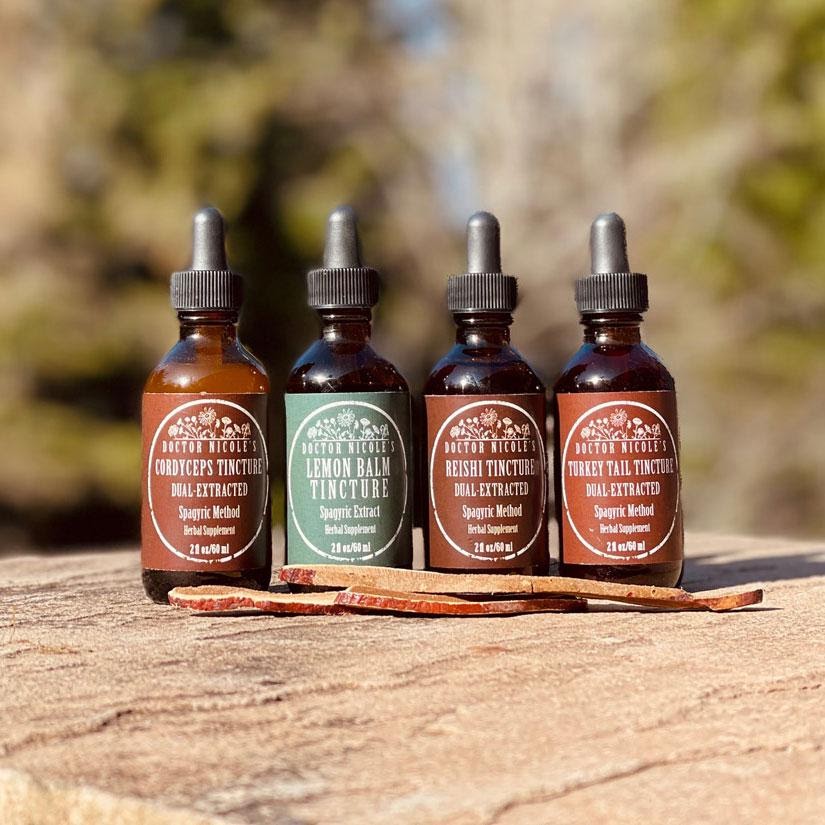
Heart, Blood Pressure & Blood Sugar Bundle
References
- Safabakhsh M, Siassi F, Koohdani F, et al. Higher intakes of fruits and vegetables are related to fewer menopausal symptoms: a cross-sectional study. Menopause. 2020;27(5):593-604. doi:10.1097/GME.0000000000001511
- Erdélyi A, Pálfi E, Tűű L, et al. The importance of nutrition in menopause and perimenopause-A review. Nutrients. 2023;16(1):27. doi:10.3390/nu16010027
- Feresin RG, Johnson SA, Pourafshar S, et al. Impact of daily strawberry consumption on blood pressure and arterial stiffness in pre- and stage 1-hypertensive postmenopausal women: a randomized controlled trial. Food Funct. 2017;8(11):4139-4149. doi:10.1039/c7fo01183k
- Aune D, Keum N, Giovannucci E, et al. Whole grain consumption and risk of cardiovascular disease, cancer, and all cause and cause specific mortality: systematic review and dose-response meta-analysis of prospective studies. BMJ. 2016;353:i2716. doi:10.1136/bmj.i2716
- Ko SH, Kim HS. Menopause-associated lipid metabolic disorders and foods beneficial for postmenopausal women. Nutrients. 2020;12(1):202. doi:10.3390/nu12010202
- Noll PRES, Campos CAS, Leone C, et al. Dietary intake and menopausal symptoms in postmenopausal women: a systematic review. Climacteric. 2021;24(2):128-138. doi:10.1080/13697137.2020.1828854
- Rowe IJ, Baber RJ. The effects of phytoestrogens on postmenopausal health. Climacteric. 2021;24(1):57-63. doi:10.1080/13697137.2020.1863356
- Tchernof, A et al. “Menopause, central body fatness, and insulin resistance: effects of hormone-replacement therapy.” Coronary artery disease vol. 9,8 (1998): 503-11. doi:10.1097/00019501-199809080-00006
- Genazzani A.,Petrillo T.,Semprini E.,Aio C.,Foschi M.,Ambrosetti F.,et al. Metabolic syndrome, insulin resistance and menopause: the changes in body structure and the therapeutic approach, GREM Gynecological and Reproductive Endocrinology & Metabolism (2024); Volume 4 – 2/2023:086-091 doi: 10.53260/grem.234026