Article Summary
This article defines medicinal herb syrups and elixirs; the herbs frequently used in these herbal preparations, such as marshmallow root, elderberry, and thyme; DIY tips for making your own syrups and elixirs; and a recipe for making a medicinal herb syrup. Products covered in this post include Nicole's Apothecary Balanced Gut Blend, Elderberry Extract, and Bronchial Blend, which are available at NicolesApothecary.com. "The Forgotten Home Apothecary: 250 Powerful Remedies at Your Fingertips" by Nicole Apelian, PhD is also mentioned.
What are herbal syrups and elixirs?
Syrups and elixirs are a fun way to preserve and utilize medicinal herbs. Syrups are made by infusing botanicals or herbs in a solution of water and sweeteners — such as honey or sugar. When the herbs are steeped in the liquid, it extracts their beneficial compounds, and the resulting syrup is often used to address sore throats, coughs, and other respiratory issues. Elixirs are more concentrated. They are created by steeping herbs in alcohol or another solvent. Because alcohol acts as a preservative, elixirs have a longer shelf life and do not require refrigeration. You can add a sweetener such as honey in the final step after the herbs have been steeped and strained. Now is an excellent time to utilize your summer harvest of herbs and stock up on medicinal syrups and elixirs in anticipation of the cold and influenza season.
Examples of Herbs Frequently Used in Herbal Syrups and Elixirs
Marshmallow root: Soothing with demulcent properties, marshmallow is often used in cough, throat, and gut preparations to heal and protect. Nicole's Apothecary Balanced Gut Blend is no exception. Learn more about this popular formulation here.
Elderberry: Famous for its immune-boosting properties, elderberry alleviates cold and flu symptoms. When taken at the first sign of illness, it can also help shorten the duration and severity. For a highly concentrated elderberry extract, visit NicolesApothecary.com
Thyme: Often used for its antibacterial action, thyme is outstanding for addressing respiratory complaints. See also Nicole's Apothecary Bronchial Blend for a ready-made solution to encourage respiratory health.
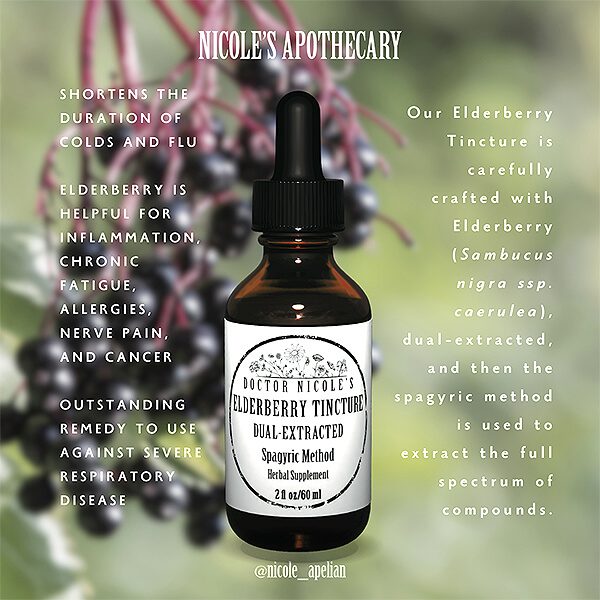
Your Wellness Partner for the Cold and Flu Season
Concentrated and highly effective in addressing cold and flu symptoms, Nicole's Apothecary Elderberry Tincture can help to shorten the duration and severity of illness so that you feel better quickly.
Convenient and essential, this no-added sugar extract should be in every herbal medicine chest this season.
Recipes: Herbal Syrup
Ingredients
- Dried or fresh herbs of your choice
- Water
- Sweetener (maple syrup, sugar, date sugar/syrup, raw honey, etc.)
Instructions
Select your herbs. Choose herbs based on their potential health benefits and flavor.
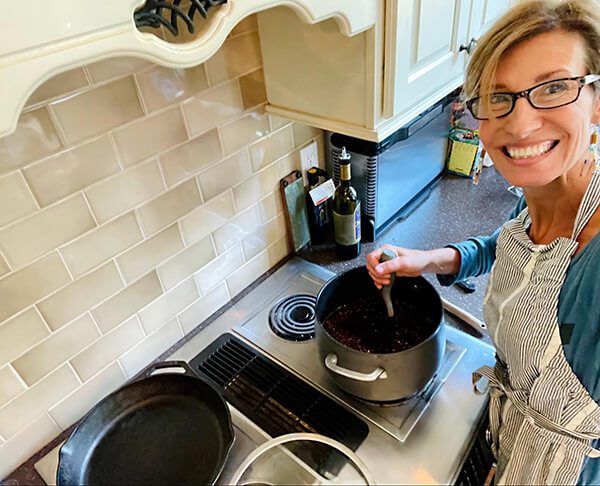
Prepare the herbal infusion. Combine water and your herbs — the ratio of water to herbs can vary, but I like to keep it around one ounce (28 grams) of dried herbs to one quart (about 950 ml) of water. You can adjust this ratio depending on your preferences and potency of the herbs.
Simmer. Gently heat the mixture over low to medium heat. Avoid boiling as this can degrade the beneficial compounds in the herb. Let the covered herbs steep for 20-30 minutes.
Strain. After infusing the herbs, remove the plant material solids by straining through cheesecloth or a fine mesh strainer.
Add sweetener. Return the strained liquid to the pot and gently warm it. Add your preferred sweetener, such as honey, maple syrup, or date/cane sugar, and stir to dissolve. If you like a sweeter syrup, use a 1:1 ratio of honey to decoction. This ratio will store longer as honey acts as a natural preservative. For a less sweet syrup, use a 1:2 ratio.
Cool, label, store. Fully cool the syrup before transferring it to a clean sterilized glass bottle or jar. Label and date. These syrups will last about six months in the refrigerator when using the 1:2 ratio.
Your DIY Herbal Medicine Chest
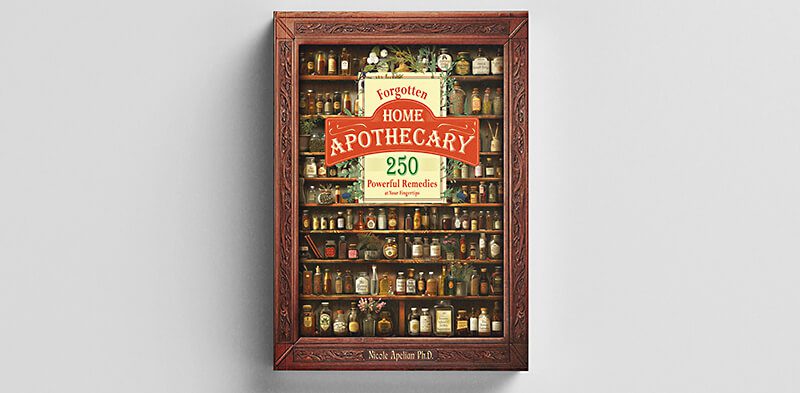
Seeking additional DIY all-natural remedies including herbal elixirs? My Forgotten Home Apothecary is for you! Within its pages you will find 250 powerful herbal medicine recipes with full-color photographs and detailed instructions for a range of health concerns. You will learn how to make:
- Teas, infusions, decoctions, sun brews
- Tinctures
- Oil infusions
- Oxymels
- Syrups and Elixirs
- Lozenges, gummies, capsules
- Balms, salves, creams, lotions
- Baths and steams
- Essential Oils and Hydrosols
What's more, you will gain valuable knowledge about how to source quality herbs and ingredients; choosing the right supplies and equipment; and best storage and preservation practices.
If you've always wanted to learn more about herbalism or would like to deepen your knowledge, The Forgotten Home Apothecary is an outstanding resource. Protect your family's health and save money today.
The Takeaway
DIY medicinal herb syrups and elixirs are an easy and inexpensive method for staying healthy during the cold and flu season by encouraging robust immunity and lung health. Marshmallow, elderberry, and thyme are the most popular choices, although any dried or fresh non-woody herb can be prepared in this way. Elixirs are more potent and have a longer shelf-life that doesn't require refrigeration, but for those wanting to avoid alcohol — syrups are an excellent option. If you would like to dive deeper into herbal medicine, my Forgotten Home Apothecary: 250 Powerful Remedies at Your Fingertips is an outstanding resource. Prefer not to do-it-yourself? Nicole's Apothecary has a wide range of convenient medicinal tinctures and salves — including our popular Balanced Gut Blend, Elderberry Extract, and Bronchial Blend.
Nicole Apelian
Actions Steps & FAQs
Action Steps
FAQs
Does eliminating all sugar improve gut health?
Not necessarily. New research found that completely removing sucrose from a low-fat diet disrupted the gut microbiome, reducing beneficial bacteria like Lactobacillus murinus and increasing pro-inflammatory bacteria.
Can a zero-sugar or carnivore diet raise diabetes risk?
The study found that a sucrose-free diet led to impaired glucose control and reduced insulin sensitivity — both risk factors for type II diabetes — despite eliminating sugar entirely.
Is there a link between zero-sugar diets and fatty liver disease?
Yes. Researchers observed early warning signs of fatty liver disease and liver inflammation in the group following a completely sucrose-free diet.
Is balanced nutrition better than eliminating sugar completely?
According to the research, yes. Experts note that healthy eating depends on overall dietary patterns rather than eliminating a single nutrient or food group.
Nicole's Apothecary Products in this Post
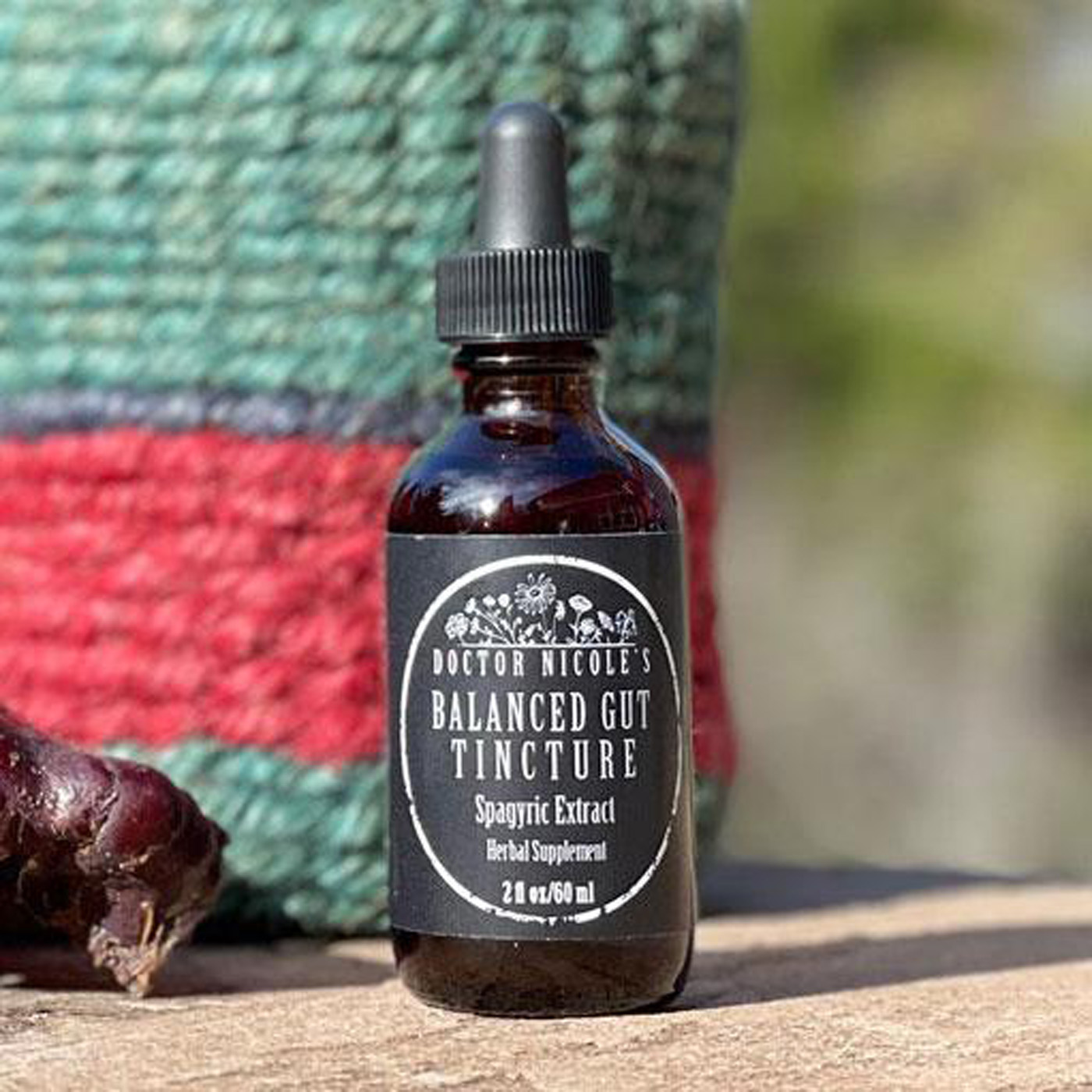
Balanced Gut Blend Tincture
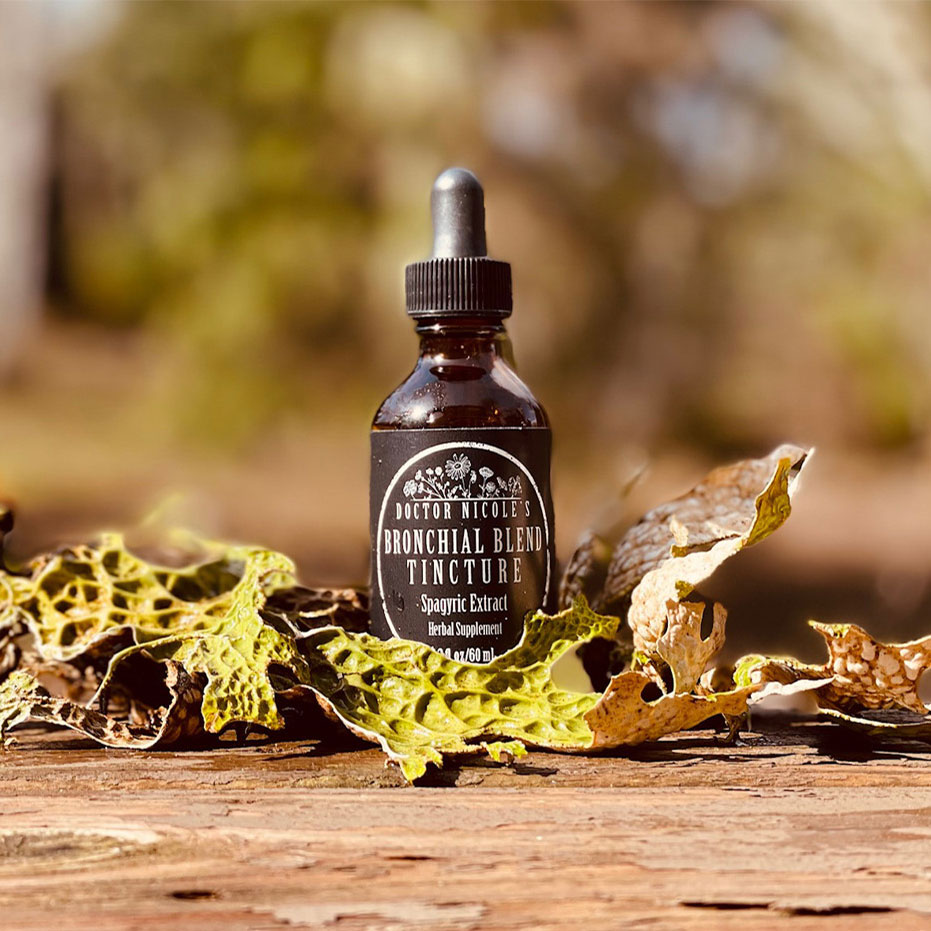
Bronchial Blend Tincture
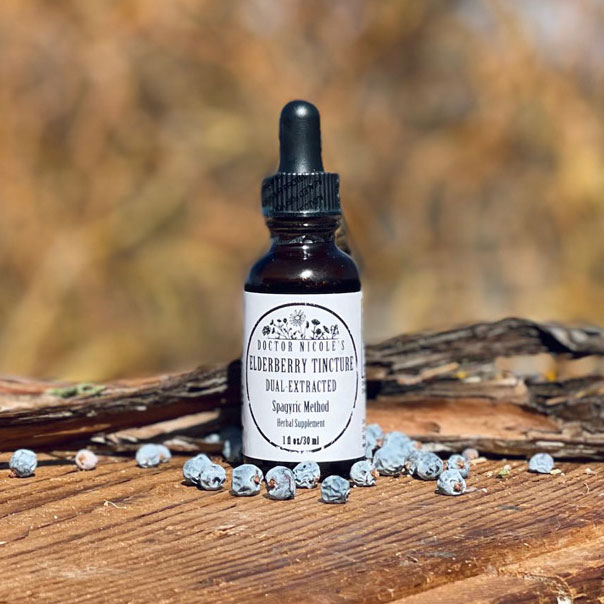
Dual-Extracted Elderberry Tincture